Agreement Broker Real Estate Formula In Clark
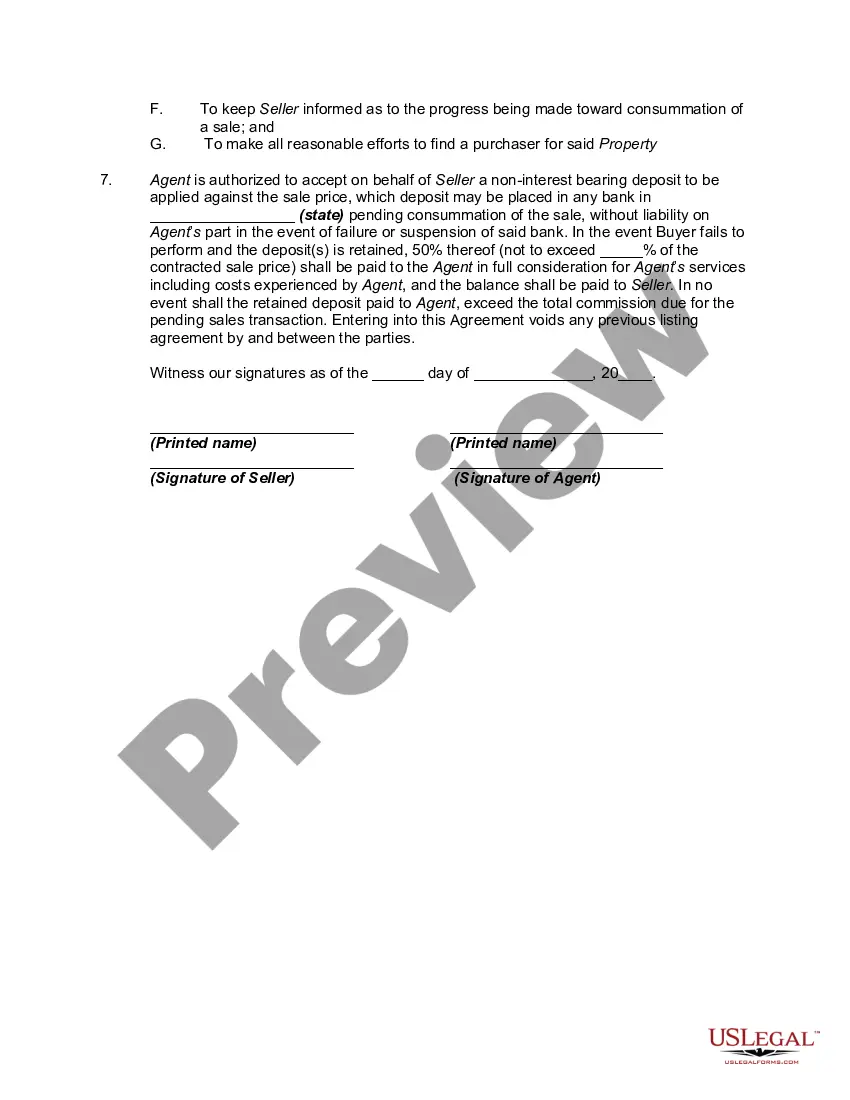
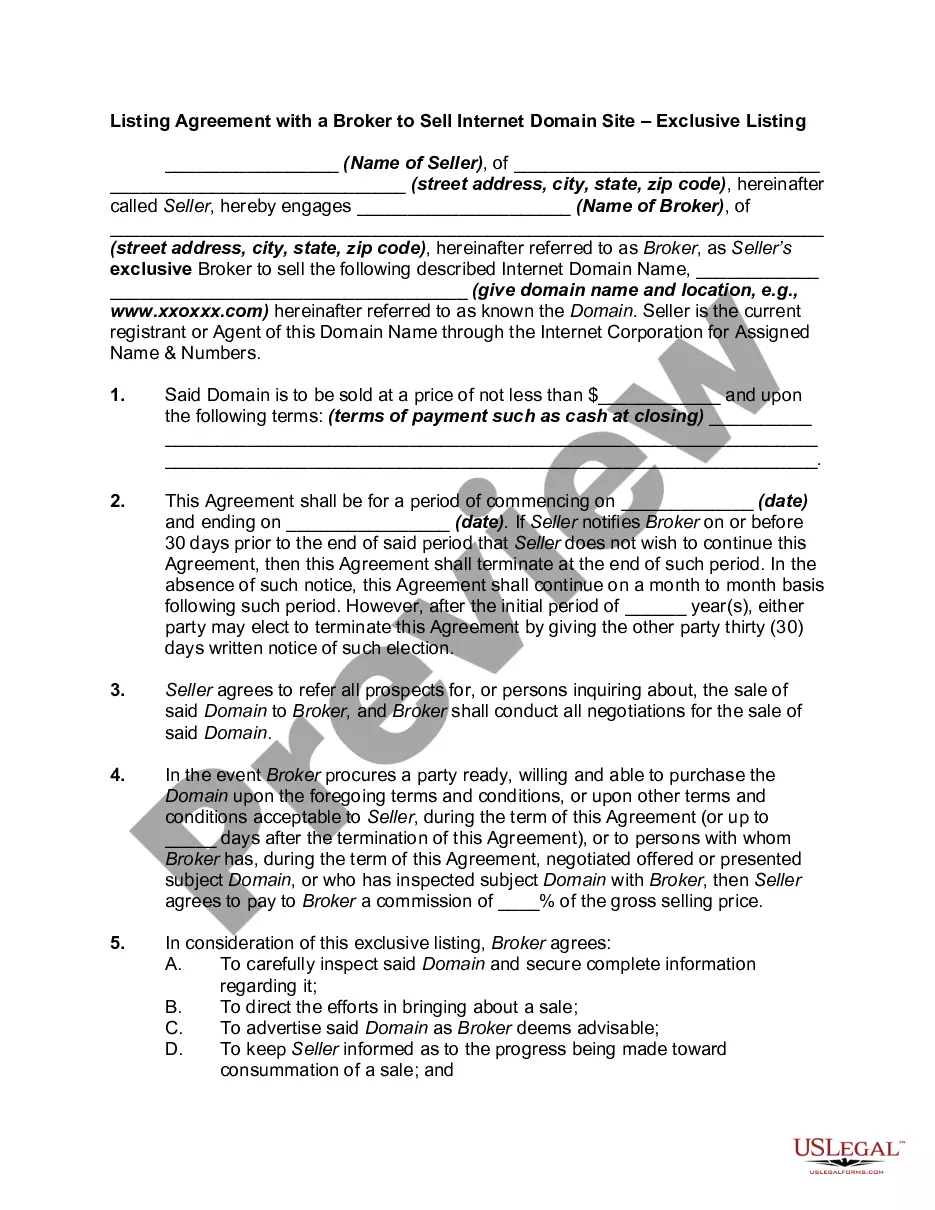
Description


Get your form ready online
Our built-in tools help you complete, sign, share, and store your documents in one place.
Make edits, fill in missing information, and update formatting in US Legal Forms—just like you would in MS Word.
Download a copy, print it, send it by email, or mail it via USPS—whatever works best for your next step.
Sign and collect signatures with our SignNow integration. Send to multiple recipients, set reminders, and more. Go Premium to unlock E-Sign.
If this form requires notarization, complete it online through a secure video call—no need to meet a notary in person or wait for an appointment.
We protect your documents and personal data by following strict security and privacy standards.

Make edits, fill in missing information, and update formatting in US Legal Forms—just like you would in MS Word.

Download a copy, print it, send it by email, or mail it via USPS—whatever works best for your next step.

Sign and collect signatures with our SignNow integration. Send to multiple recipients, set reminders, and more. Go Premium to unlock E-Sign.

If this form requires notarization, complete it online through a secure video call—no need to meet a notary in person or wait for an appointment.

We protect your documents and personal data by following strict security and privacy standards.
Looking for another form?





Form popularity
FAQ
Avoid confusion and misunderstandings: The agreement clarifies the relationship between the buyer and the broker, ensuring both parties understand their roles, responsibilities, and the scope of services provided. This clarity helps prevent disputes and ensures smoother transactions.
A real estate broker is a professional with a state real estate broker license who helps buy, sell and transfer property. They use their expertise and knowledge of the real estate industry to assist clients with paperwork, decision-making and legal compliance.
When signing a contract with a realtor to buy, you'll come across a buyer-broker agreement. This is a contract between you (the buyer) and a real estate agent (the broker) who will act on your behalf to help you find the perfect home.
A buyer's agency agreement (BAA) outlines the responsibilities of both the buyer and the real estate agent, ensuring transparency and protecting both parties throughout the homebuying process.
A brokerage agreement is a crucial document that summarizes the terms and conditions of the professional association between a broker and a customer. It is necessary to ensure that both parties understand their obligations and duties and to prevent misinterpretations or disputes.
Ing to Boundy (2012), typically, a written contract will include: Date of agreement. Names of parties to the agreement. Preliminary clauses. Defined terms. Main contract clauses. Schedules/appendices and signature provisions (para. 5).
A comprehensive guide on how to draft a contract Know your parties. Agree on the terms. Set clear boundaries. Spell out the consequences. Specify how you will resolve disputes. Cover confidentiality. Check the legality of the contract. Open it up to negotiation.
To make a legally binding contract, 5 elements must be satisfied: offer, acceptance, consideration, intention and capacity: Offer: One party makes an offer. Acceptance: The other party accepts the offer. Consideration: Each party provides consideration to the other.
Here's a tip: Keep a checklist for each stage to ensure you're on track. Stage 1: Property Search and Offer. Stage 2: Due Diligence and Inspections. Stage 3: Securing Financing. Stage 4: Closing the Deal.
