Realtor Broker Agent Withdrawal In Allegheny
Description

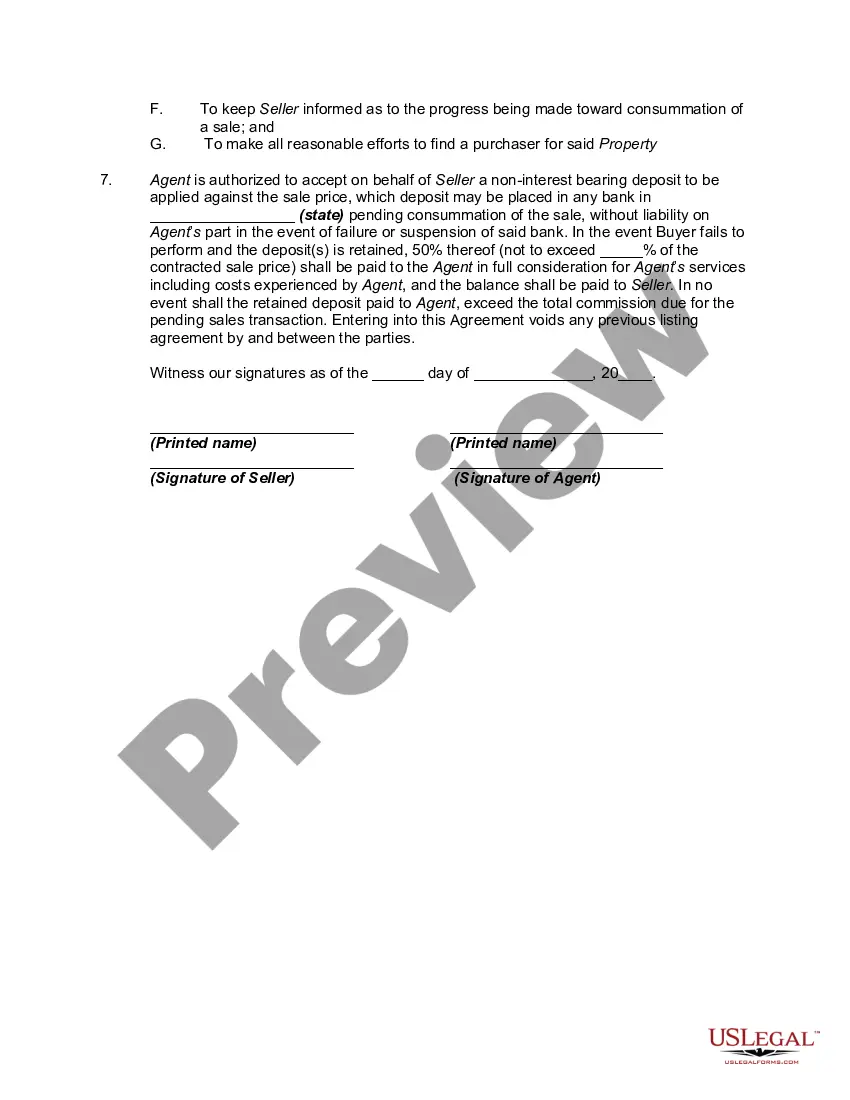

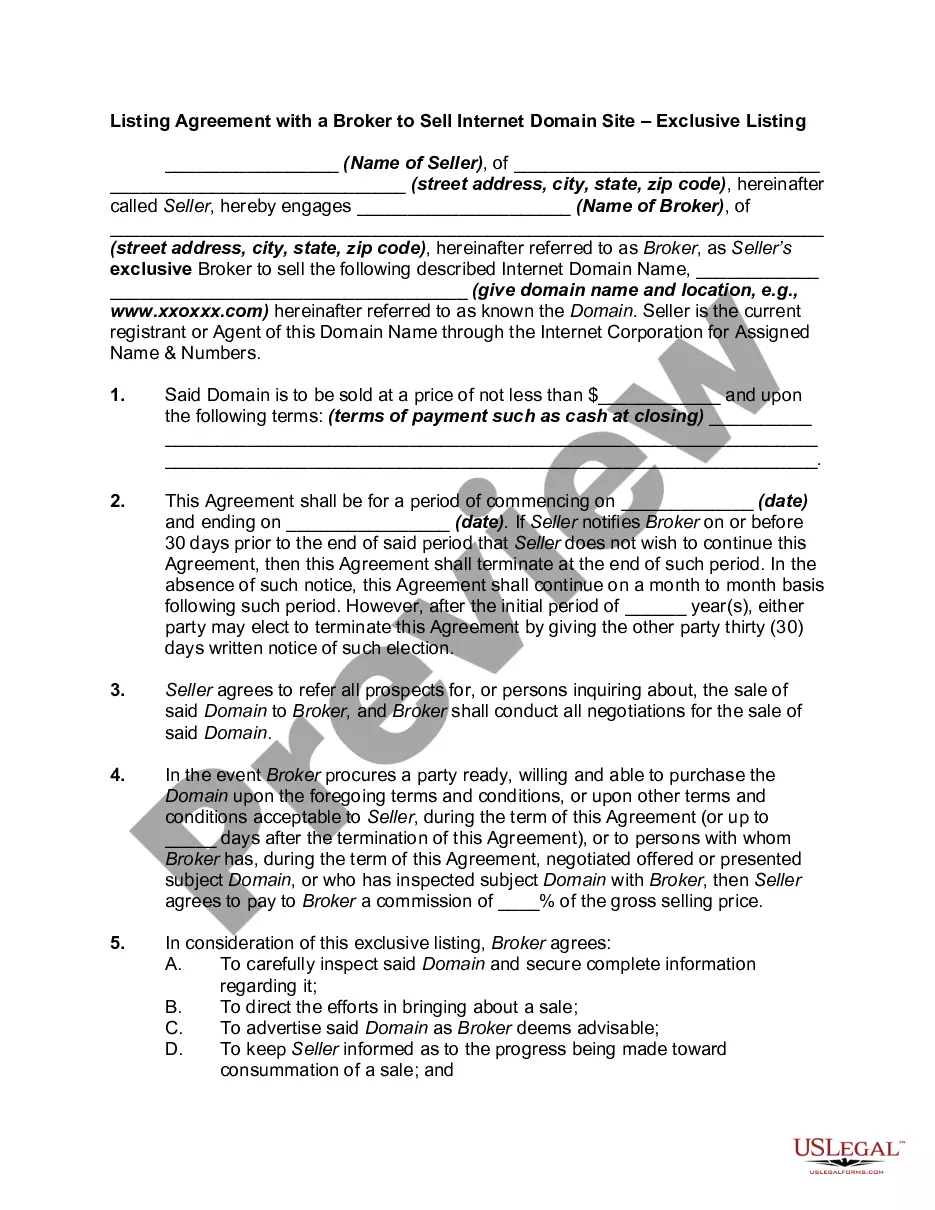
Get your form ready online
Our built-in tools help you complete, sign, share, and store your documents in one place.
Make edits, fill in missing information, and update formatting in US Legal Forms—just like you would in MS Word.
Download a copy, print it, send it by email, or mail it via USPS—whatever works best for your next step.
Sign and collect signatures with our SignNow integration. Send to multiple recipients, set reminders, and more. Go Premium to unlock E-Sign.
If this form requires notarization, complete it online through a secure video call—no need to meet a notary in person or wait for an appointment.
We protect your documents and personal data by following strict security and privacy standards.

Make edits, fill in missing information, and update formatting in US Legal Forms—just like you would in MS Word.

Download a copy, print it, send it by email, or mail it via USPS—whatever works best for your next step.

Sign and collect signatures with our SignNow integration. Send to multiple recipients, set reminders, and more. Go Premium to unlock E-Sign.

If this form requires notarization, complete it online through a secure video call—no need to meet a notary in person or wait for an appointment.

We protect your documents and personal data by following strict security and privacy standards.
Looking for another form?










Form popularity
FAQ
All Pennsylvania counties base their property taxes on the assessed value of your home, which is determined by the county or municipality assessor. However, some counties base it on 100% of the current market value of your home, while others use a fraction of the home's current market value to determine your rate.
Obtain a full list of real estate brokers by conducting an online search or checking your local community directory. This will be the starting point from which you can narrow down your broker search. Find out which ones are recruiting new agents by calling, stopping into the office or visiting their websites.
Allegheny County uses base year methodology to set assessed values. Base year methodology allows similar homes to have similar assessments by eliminating the effect of changing market conditions. Our current base year is 2012 with an effective date of value of January 1, 2012.
As the Common Level Ratio (CLR) for properties in Allegheny County has been dramatically reduced over the past three years (from 86.2% in 2021 to 63.5% in 2022; and from 63.6% in 2023 to 54.5% in 2024), the number of real estate tax assessment appeals filed has increased.
To start the appeals process, you can file a form online or mail it to the local assessment office. The forms are available on the website or by contacting the State Department of Assessments and Taxation (SDAT). Below are all the levels of review. If you lose at one level, you can appeal to the next.
Complete and return the Annual Appeal Form to the Office of Property Assessments. Forms will be made available in advance of the 2026 tax bills in compliance with County Council Bill 13056-24 . Submit by online, by email, by mail, or in person; do not submit by fax.
The CLR is a ratio which is intended to convert present day market values into base year assessed values. The CLR is adjusted annually based on sales data selected by each county. How is Allegheny County's CLR changing in 2025? In 2025, Allegheny County's CLR will drop to 52.7%.
What Is A Common Level Ratio? A percentage applied to market value to equalize an assessment when appealed to the Board of Assessment Appeals or the Court of Common Pleas.
County Executive Innamorato and County Council have jointly agreed on a compromised budget agreement that will result in a 1.7 mill increase and a balanced budget for 2025. The calculator below can be used to calculate your property taxes with the new millage rate of 6.43.
The CLR has undergone several significant changes in the last few years as a result of the 2021 lawsuit Gioffre v. Fitzgerald. The lawsuit alleged that Allegheny County inaccurately reported property sales data used to set the CLR, resulting in an unfairly high ratio and overassessments for property owners.
