Agreement Broker Real Estate Without License In Alameda
Description

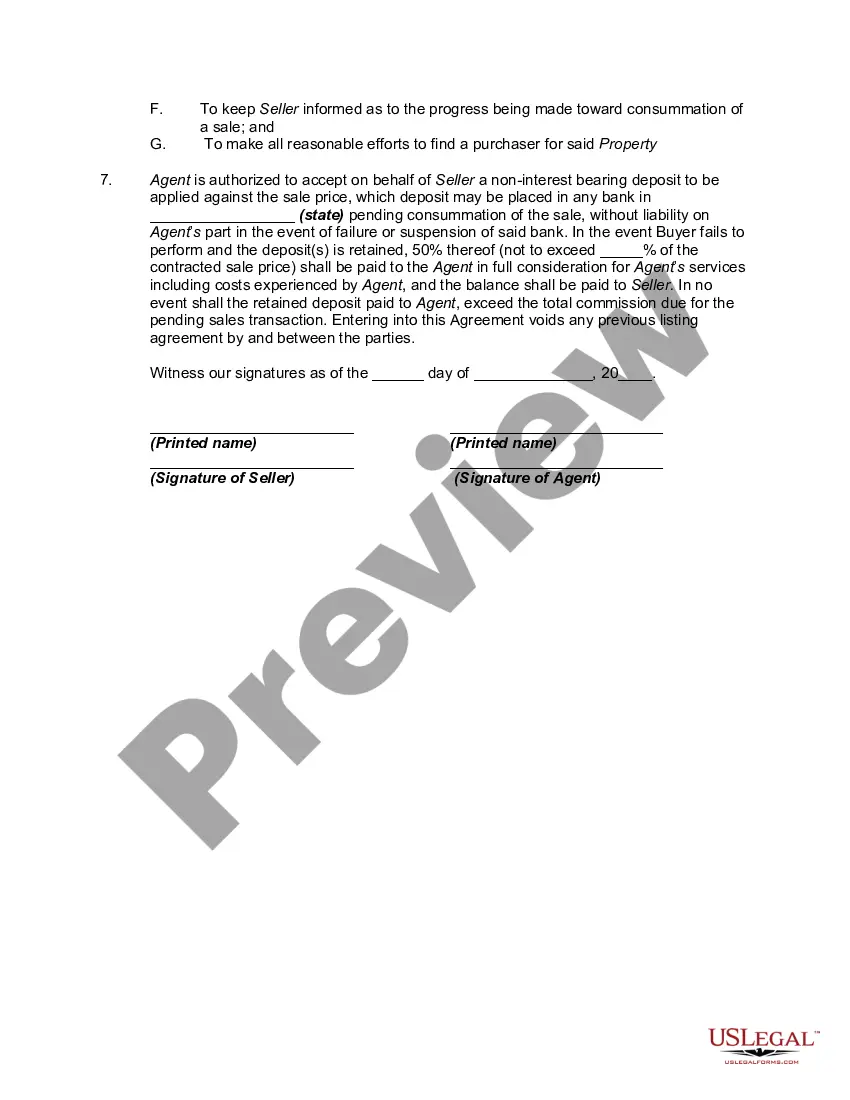

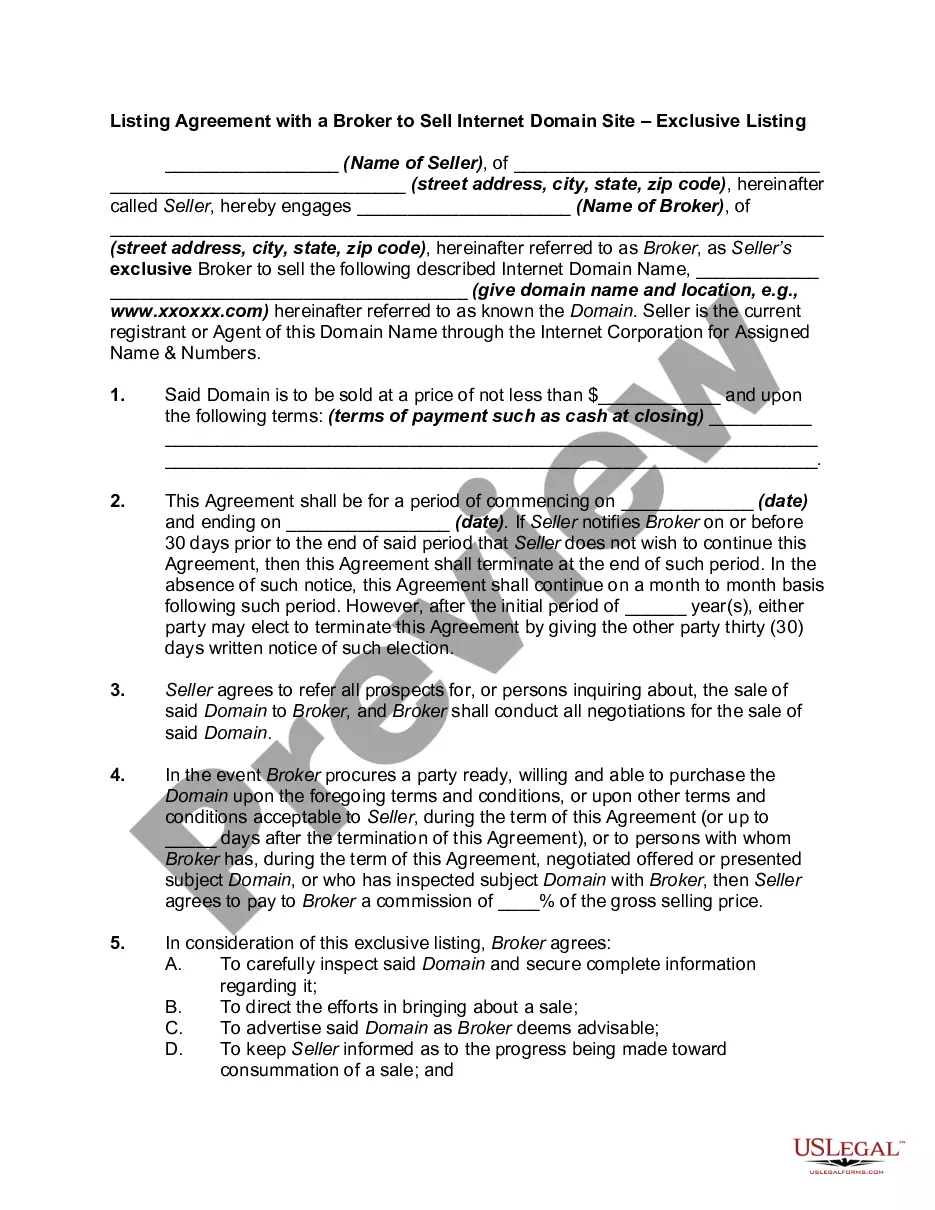
Get your form ready online
Our built-in tools help you complete, sign, share, and store your documents in one place.
Make edits, fill in missing information, and update formatting in US Legal Forms—just like you would in MS Word.
Download a copy, print it, send it by email, or mail it via USPS—whatever works best for your next step.
Sign and collect signatures with our SignNow integration. Send to multiple recipients, set reminders, and more. Go Premium to unlock E-Sign.
If this form requires notarization, complete it online through a secure video call—no need to meet a notary in person or wait for an appointment.
We protect your documents and personal data by following strict security and privacy standards.

Make edits, fill in missing information, and update formatting in US Legal Forms—just like you would in MS Word.

Download a copy, print it, send it by email, or mail it via USPS—whatever works best for your next step.

Sign and collect signatures with our SignNow integration. Send to multiple recipients, set reminders, and more. Go Premium to unlock E-Sign.

If this form requires notarization, complete it online through a secure video call—no need to meet a notary in person or wait for an appointment.

We protect your documents and personal data by following strict security and privacy standards.
Looking for another form?



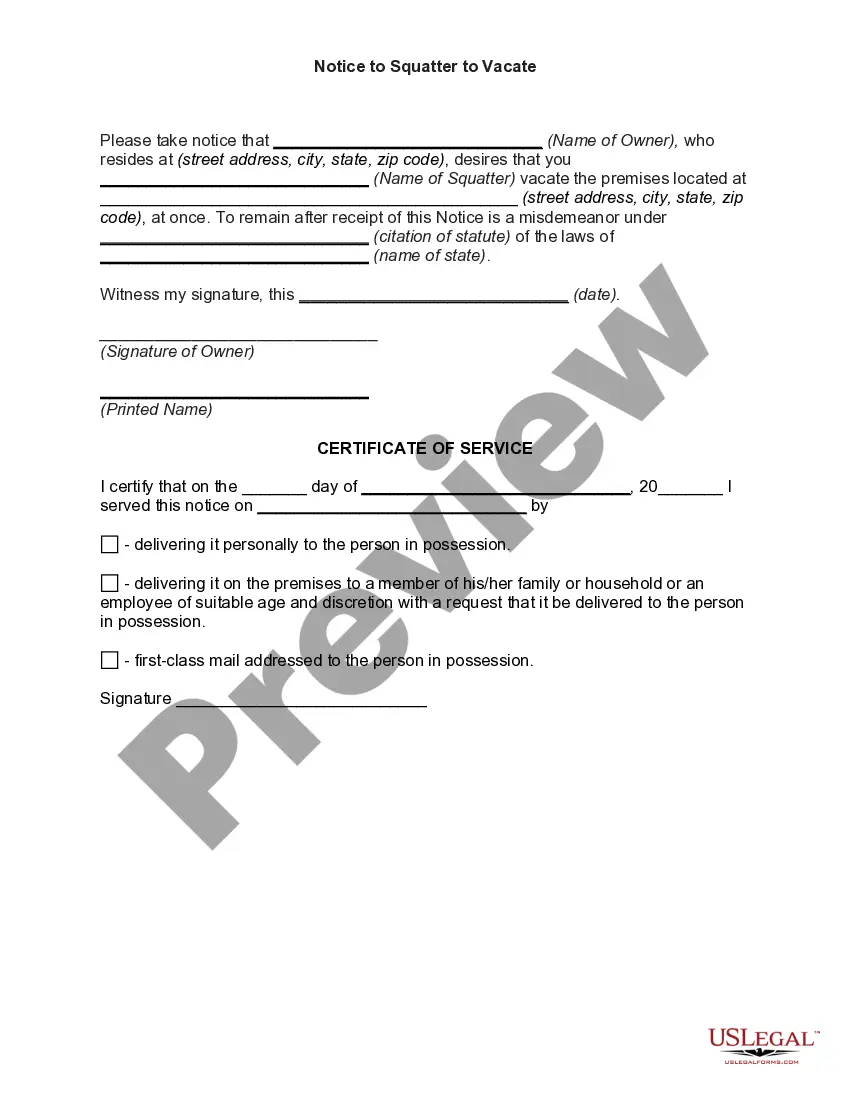


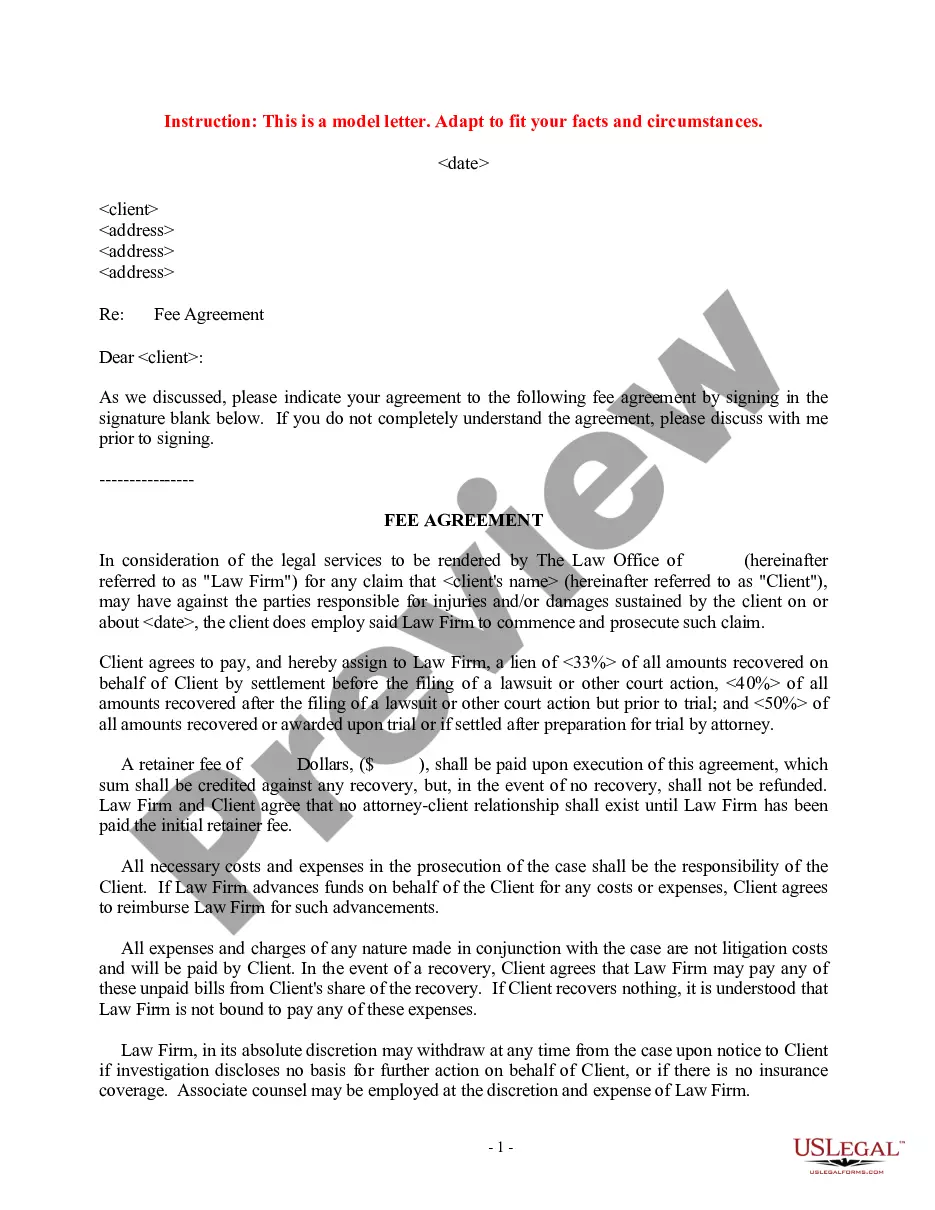
Form popularity
FAQ
In California, the parties that are not exempt from licensing requirements include Licensed Personal Property Brokers, Off-Site Property Managers, and Short-Term Vacation Rental Agents. A Licensed Personal Property Broker is an individual or company that sells or leases personal property for compensation.
If you are an attorney who is a member in good standing of the California State Bar, you are exempt from some of the requirements to become a licensed real estate agent or real estate broker. You are granted permission to sit for the exam immediately.
Exemptions to the license requirement include: resident managers of apartment buildings and complexes or their employees; short-term (vacation – only if under 30 days) rental agents; employees of certain lending institutions; employees of real estate brokers for specific, limited functions; certain agricultural ...
All states exempt individuals or entities who are managing their own property from the license requirement. For example, if a homeowner lists their house as "for sale by owner," they don't need a real estate license.
To represent others or to collect commission, you must be licensed, and that license has to be supervised by a broker. Your transactions belong to your broker, not you. Having the license holds you to the standards of license law, and your broker supervises that.
A person who wants to engage in real estate transactions on behalf of another must first obtain a license to do so from the state in which they practice. For the most part, these individuals are brokers, sale agents, and, sometimes, lawyers. Real estate license requirements vary from state to state.
These exemptions are typically granted to individuals or organizations that meet specific criteria, such as being a nonprofit organization or having a property designated for a particular purpose, such as a religious institution or a public park.
A business entity offering real estate brokerage services to the public typically must register with the real estate commission before conducting business activity.
The state requires all broker license applicants to have one of the following: A minimum of 2 years of full-time experience as a licensed salesperson within the past 5 years. You can also have the equivalent experience as a part-time agent, which would total 4 years.
