License Lease Agreement In Wayne
Description

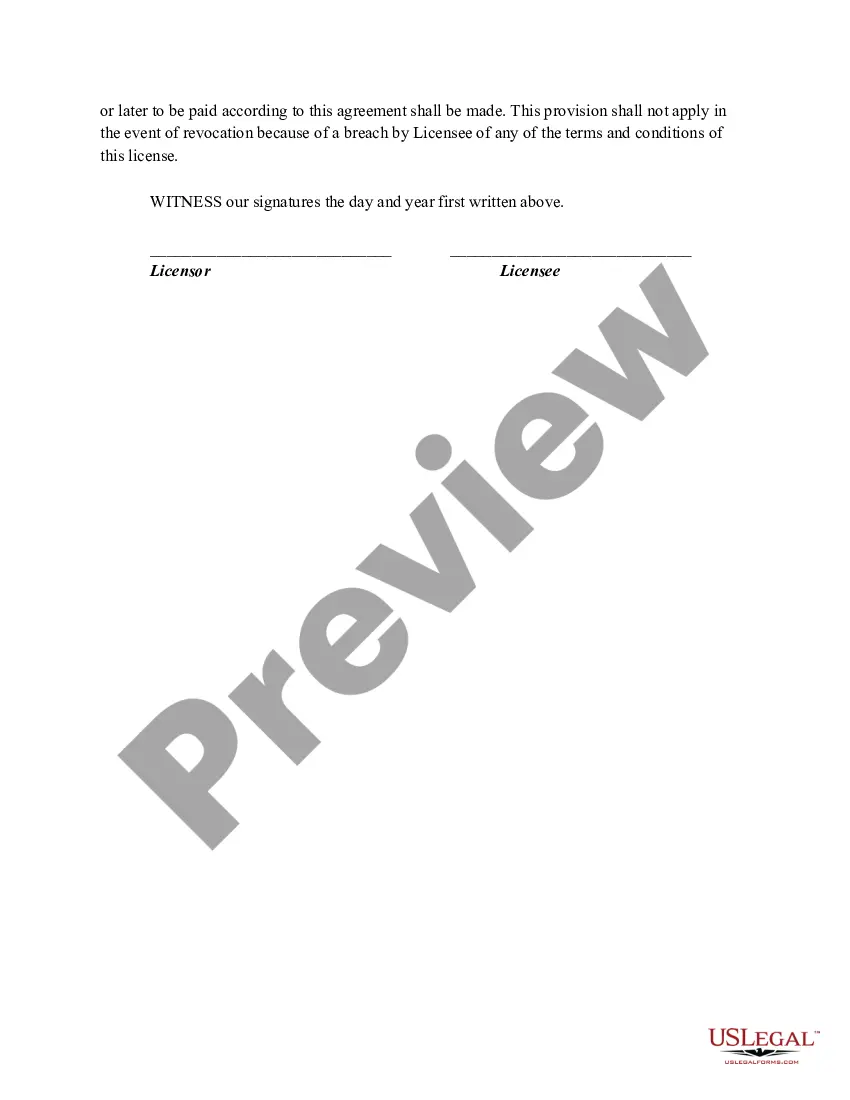
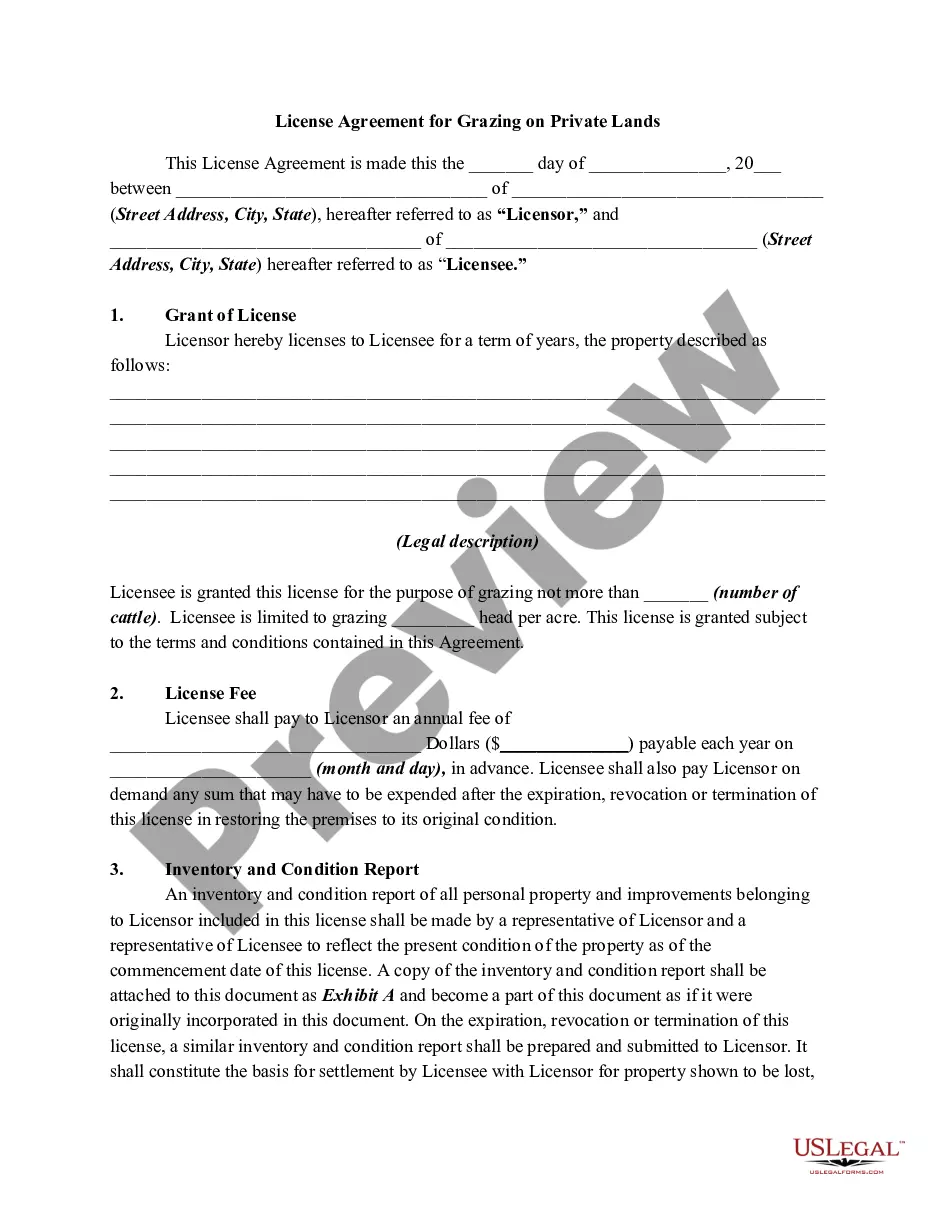
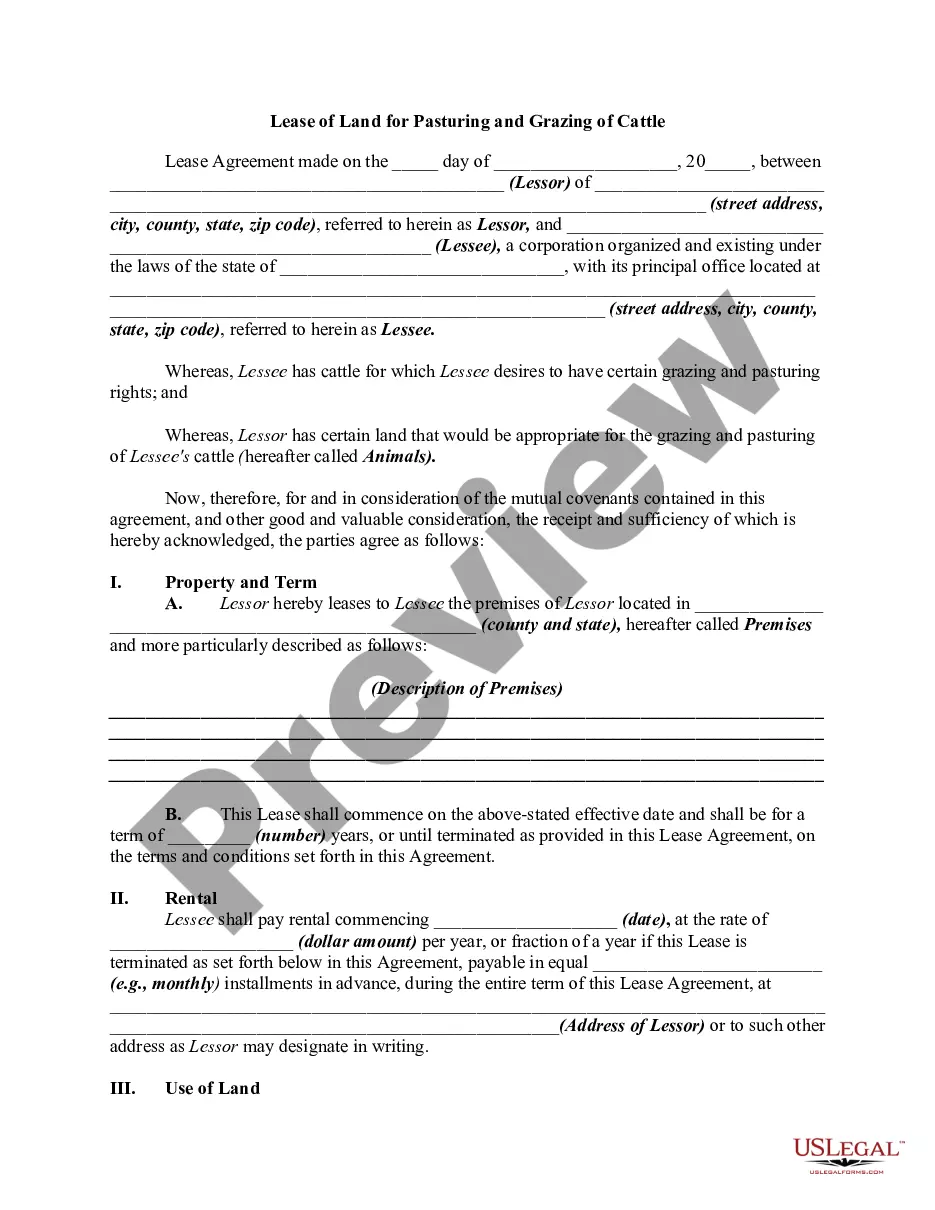
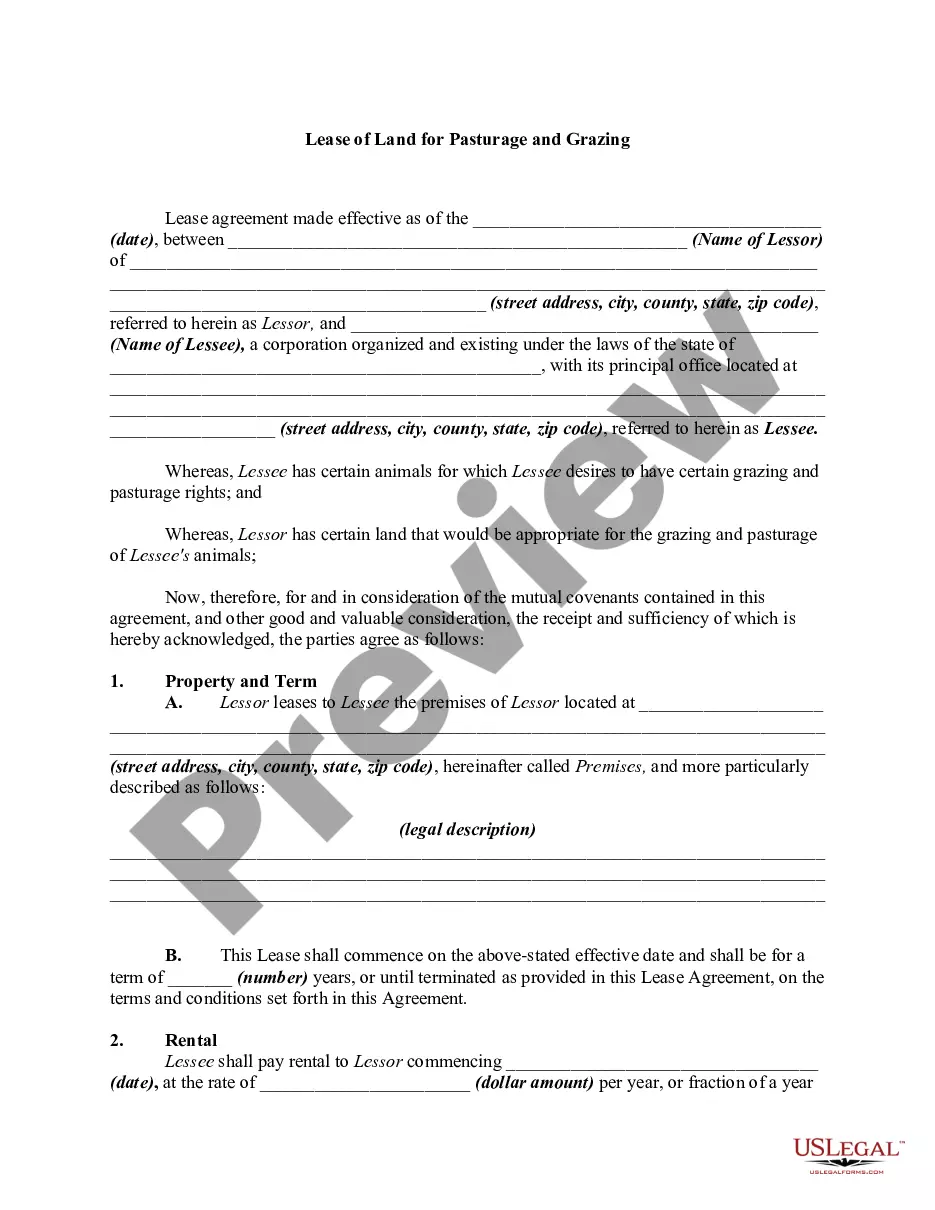
Get your form ready online
Our built-in tools help you complete, sign, share, and store your documents in one place.
Make edits, fill in missing information, and update formatting in US Legal Forms—just like you would in MS Word.
Download a copy, print it, send it by email, or mail it via USPS—whatever works best for your next step.
Sign and collect signatures with our SignNow integration. Send to multiple recipients, set reminders, and more. Go Premium to unlock E-Sign.
If this form requires notarization, complete it online through a secure video call—no need to meet a notary in person or wait for an appointment.
We protect your documents and personal data by following strict security and privacy standards.

Make edits, fill in missing information, and update formatting in US Legal Forms—just like you would in MS Word.

Download a copy, print it, send it by email, or mail it via USPS—whatever works best for your next step.

Sign and collect signatures with our SignNow integration. Send to multiple recipients, set reminders, and more. Go Premium to unlock E-Sign.

If this form requires notarization, complete it online through a secure video call—no need to meet a notary in person or wait for an appointment.

We protect your documents and personal data by following strict security and privacy standards.
Looking for another form?










Form popularity
FAQ
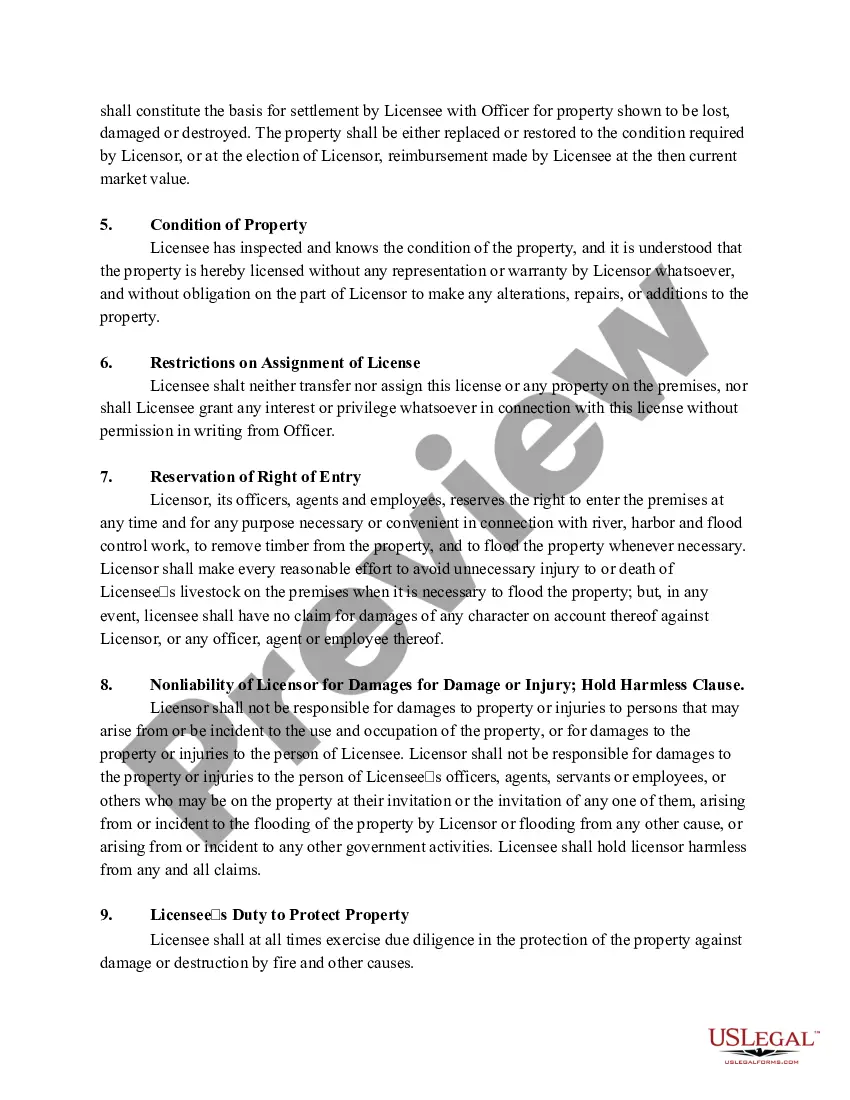
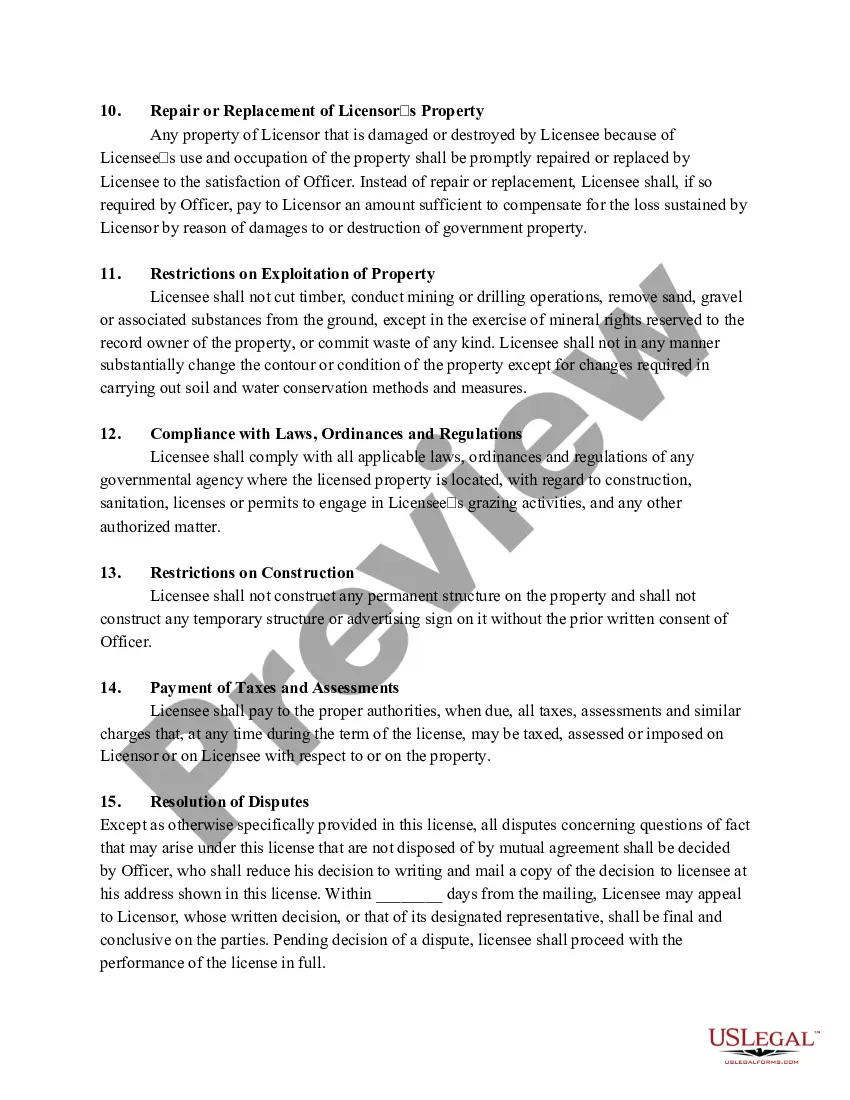
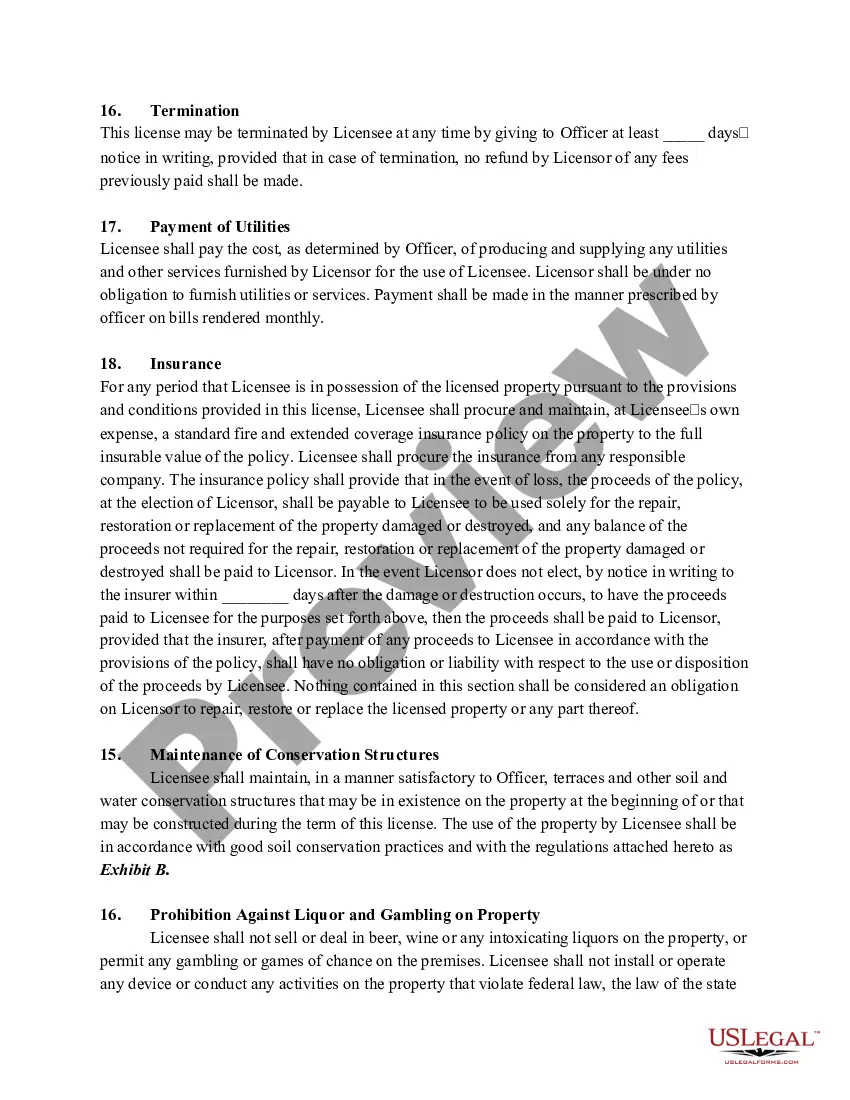
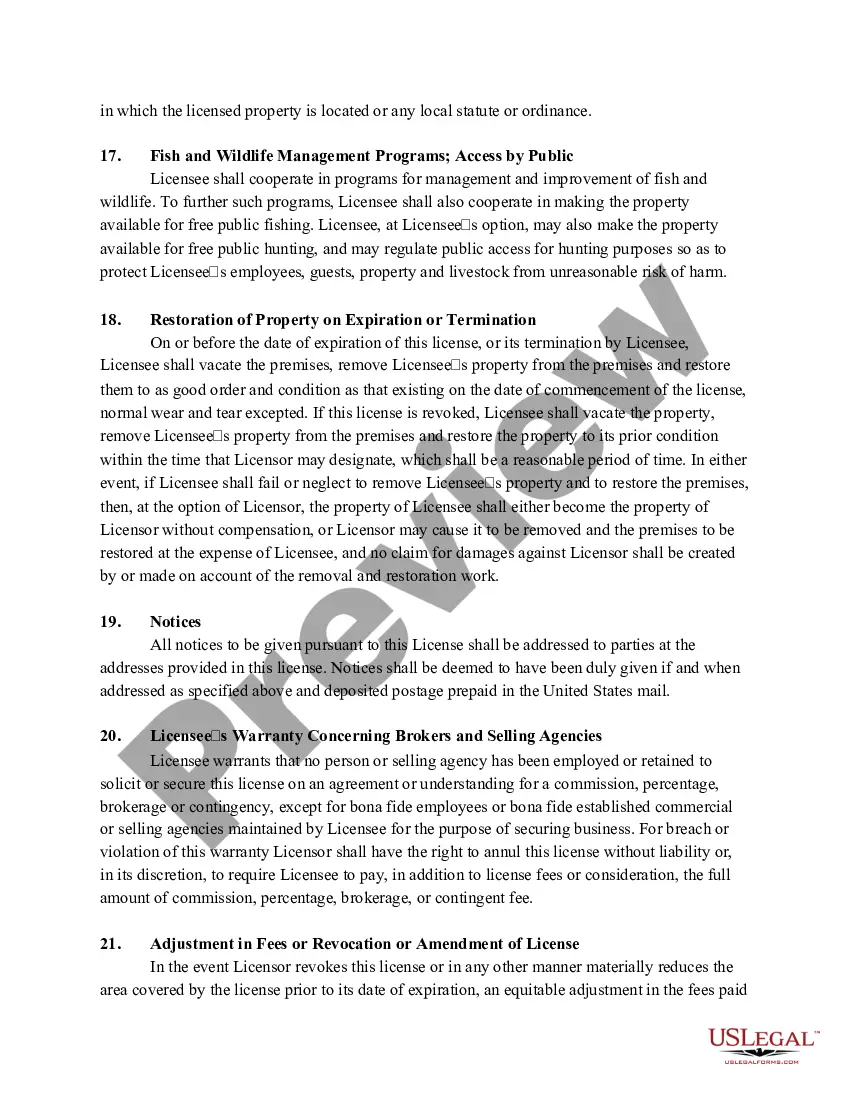
A license connotes the use or occupancy of the grantor's premises. But a lease grants exclusive possession of designated space to a tenant, subject to rights specifically reserved by the lessor. A license is cancellable at will and without cause.
A license contract, also known as a license agreement or licensing agreement, is a type of contract where one party (the licensor) grants another party (the licensee) the right to produce, use, sell, and/or display the licensor's protected material.
A licence does not grant exclusive possession. A licensee does not exercise the same level of rights as a tenant would under a lease. This difference is generally seen to be the defining and most marked difference between leases and licences.
A license contract, also known as a license agreement or licensing agreement, is a type of contract where one party (the licensor) grants another party (the licensee) the right to produce, use, sell, and/or display the licensor's protected material.
Licensing agreements are legal contracts that are written between two parties—a licensor and licensee. The contract stipulates the type of agreement, the length of the relationship, payments and royalties that are due and when, and the extent to which licensing is allowed.
Both involve the meeting of minds and exchange of promises, but a contract typically entails a more formalized arrangement, often documented in writing, and carries legal enforceability. Conversely, an agreement can be informal and may not always be legally binding.
(h) An agreement enforceable by law is a contract; (i) An agreement which is enforceable by law at the option of one or more of the parties thereto, but not at the option of the other or others, is a voidable contract; (j) A contract which ceases to be enforceable by law becomes void when it ceases to be enforceable.
