Difference Between Lease And Rental Agreement In San Antonio
Description

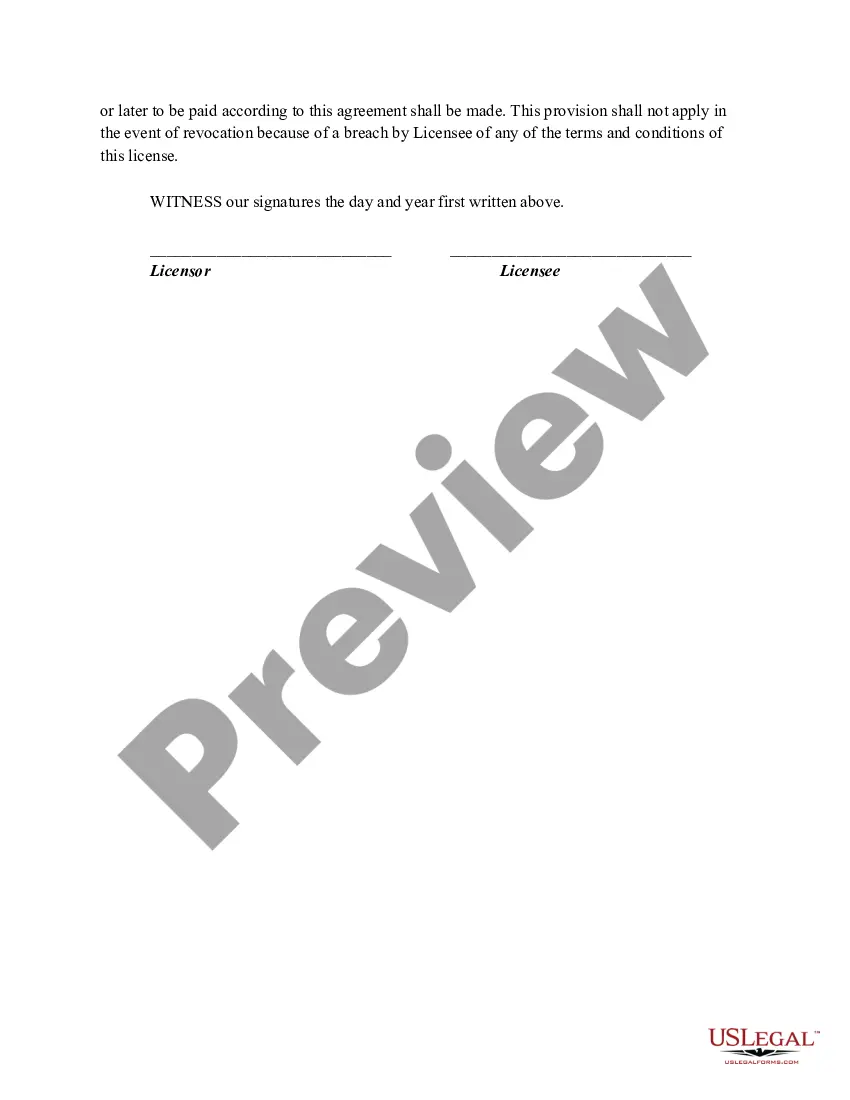
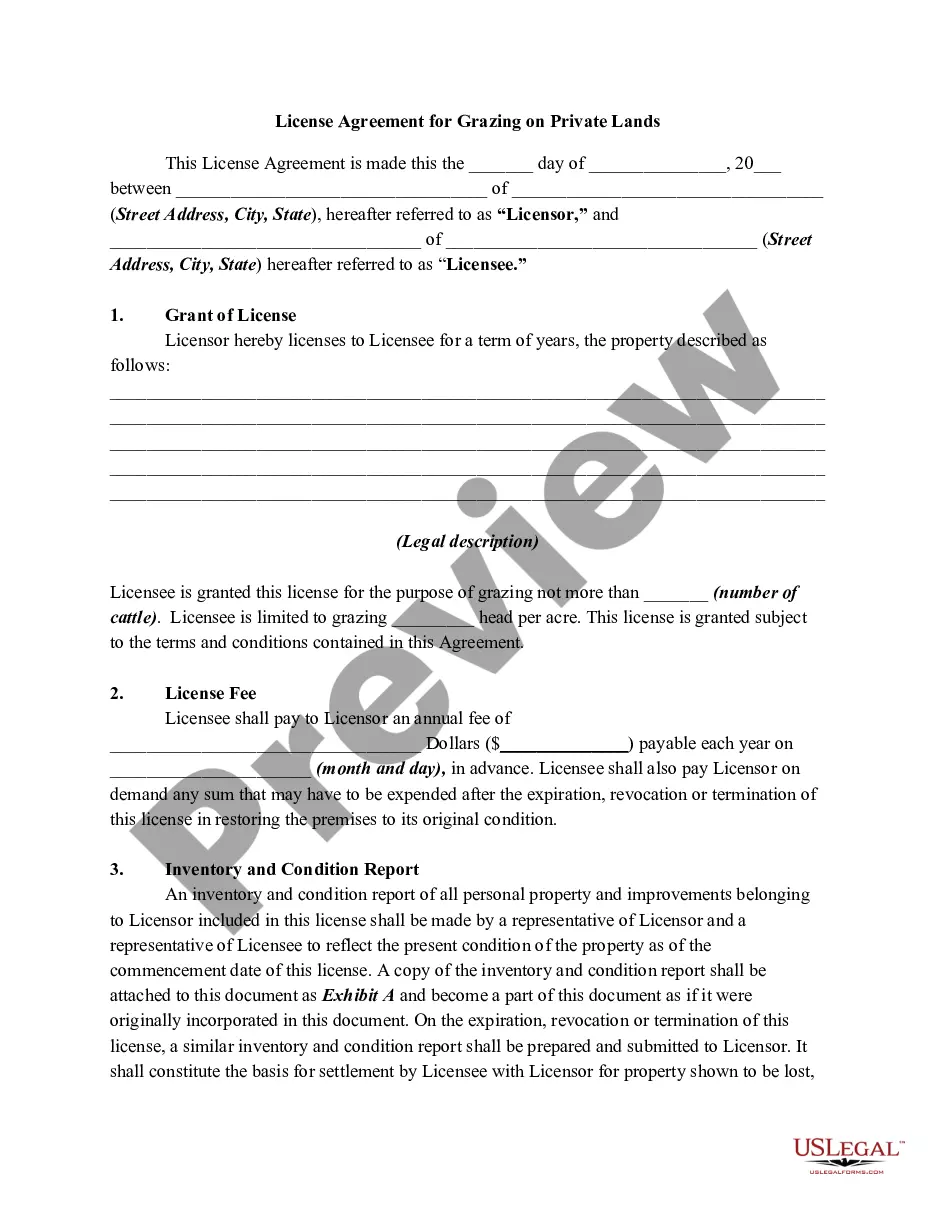
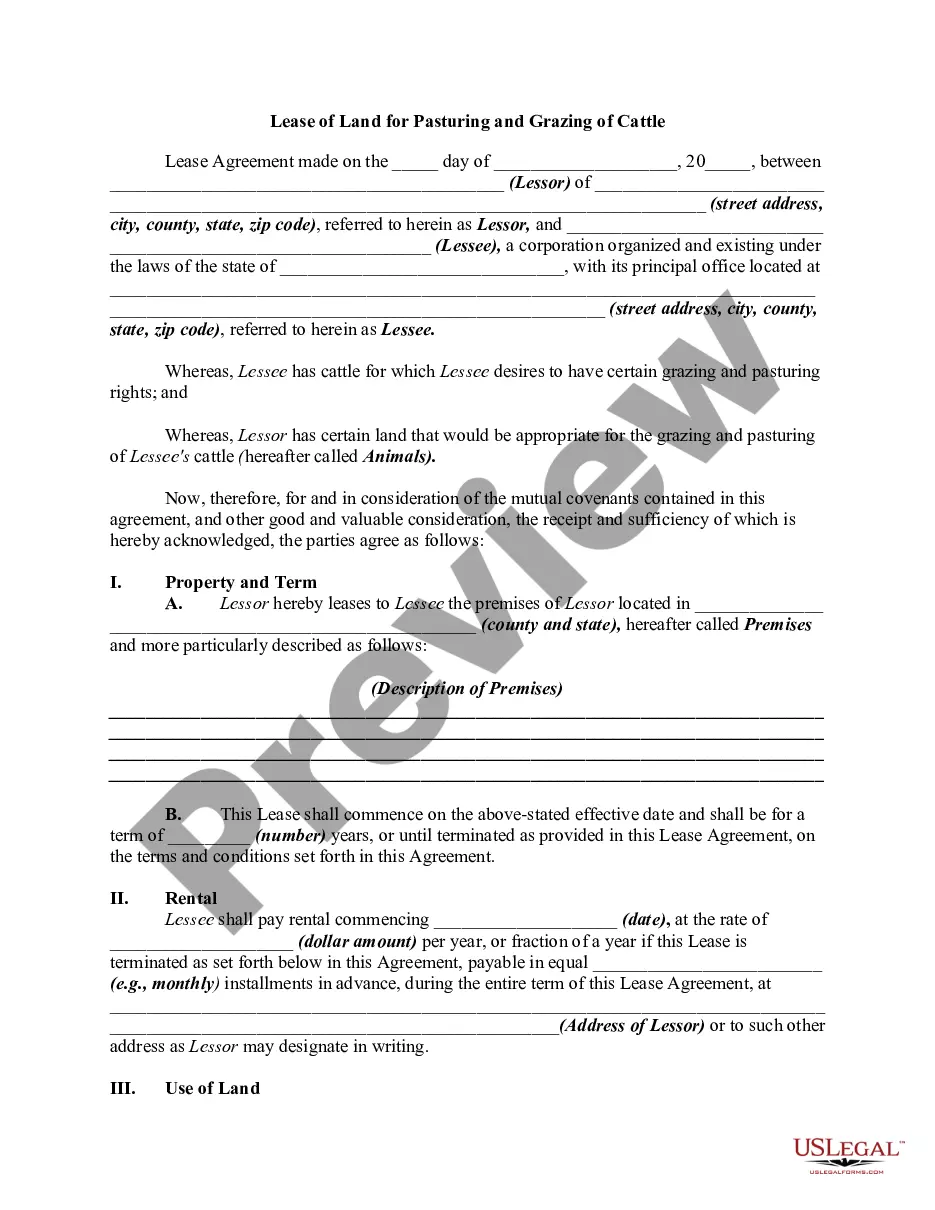
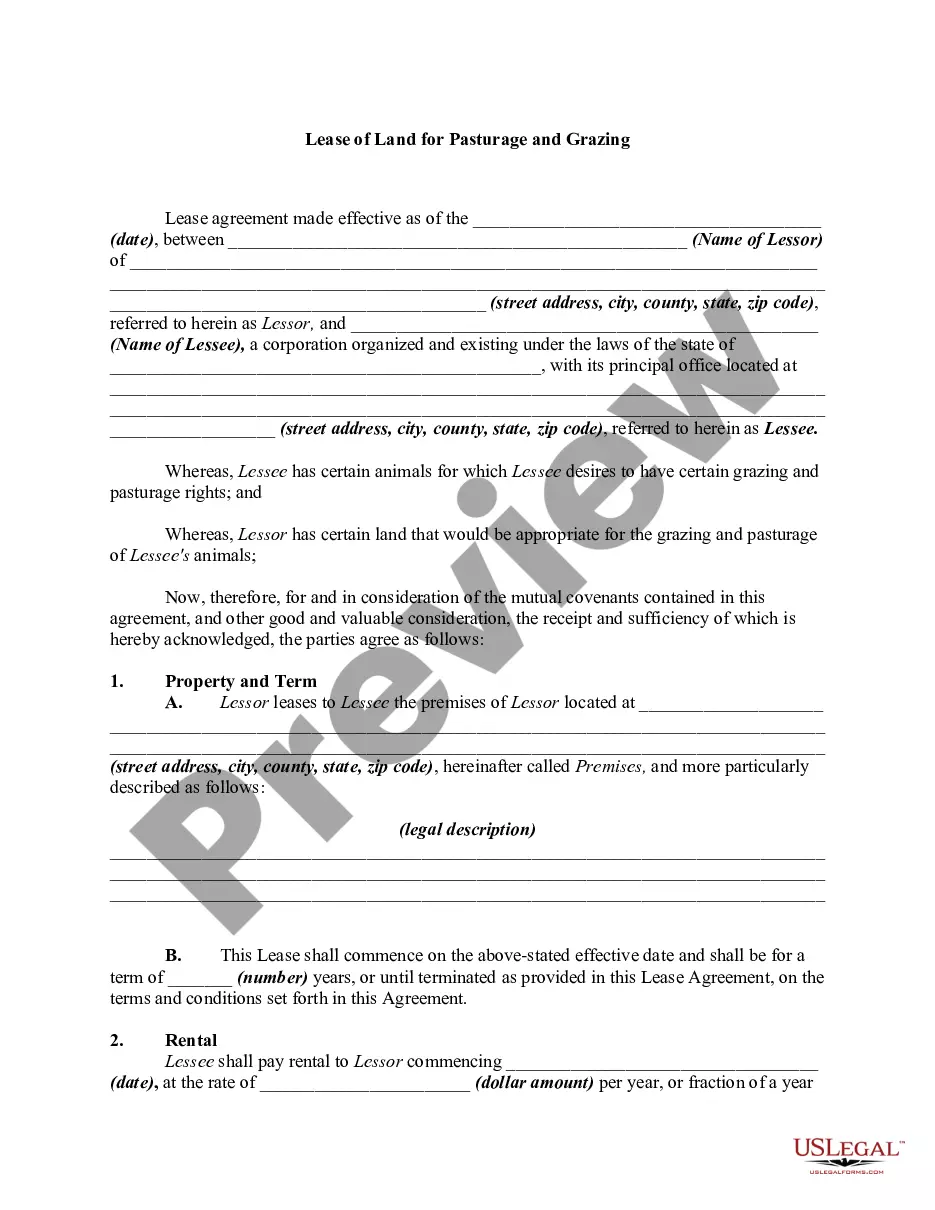
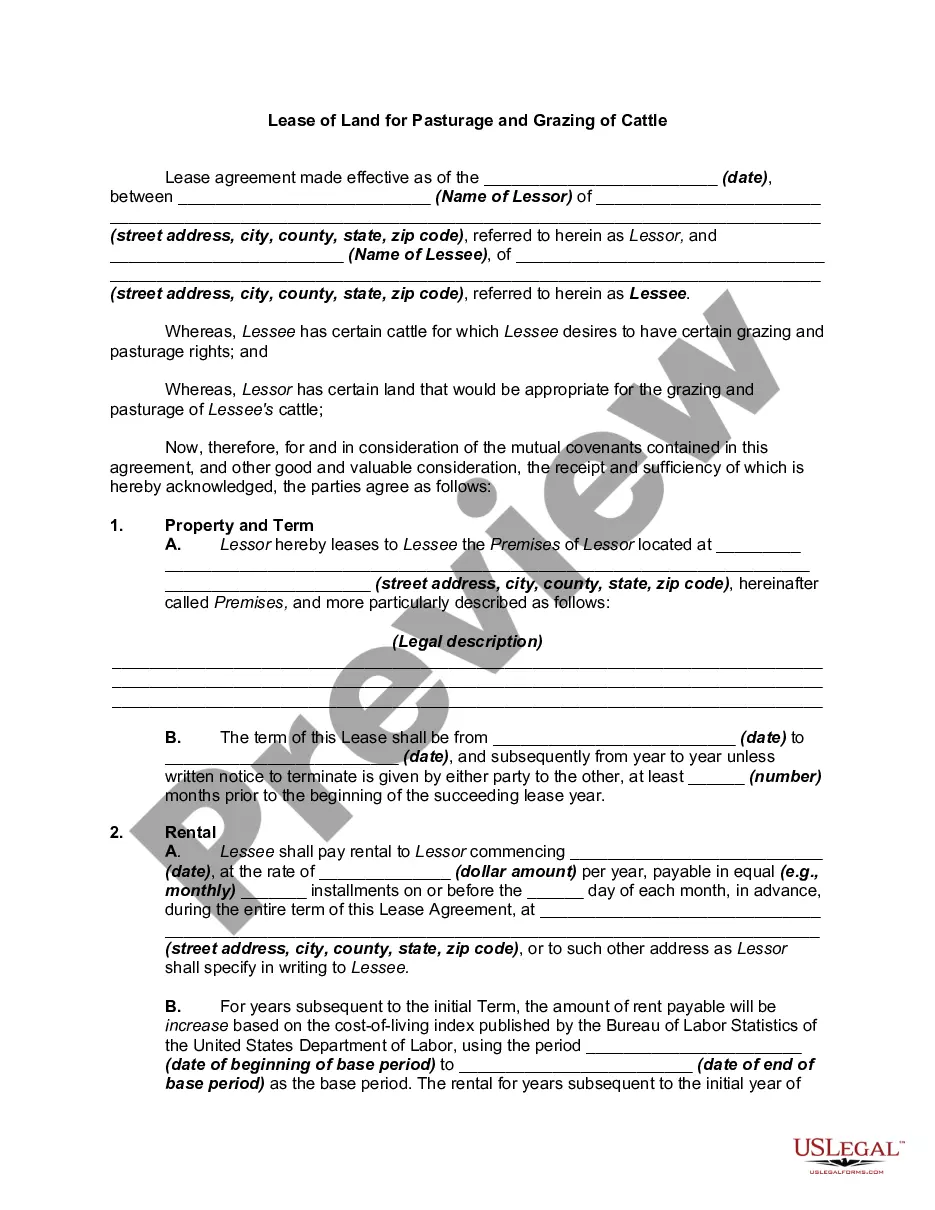
Get your form ready online
Our built-in tools help you complete, sign, share, and store your documents in one place.
Make edits, fill in missing information, and update formatting in US Legal Forms—just like you would in MS Word.
Download a copy, print it, send it by email, or mail it via USPS—whatever works best for your next step.
Sign and collect signatures with our SignNow integration. Send to multiple recipients, set reminders, and more. Go Premium to unlock E-Sign.
If this form requires notarization, complete it online through a secure video call—no need to meet a notary in person or wait for an appointment.
We protect your documents and personal data by following strict security and privacy standards.

Make edits, fill in missing information, and update formatting in US Legal Forms—just like you would in MS Word.

Download a copy, print it, send it by email, or mail it via USPS—whatever works best for your next step.

Sign and collect signatures with our SignNow integration. Send to multiple recipients, set reminders, and more. Go Premium to unlock E-Sign.

If this form requires notarization, complete it online through a secure video call—no need to meet a notary in person or wait for an appointment.

We protect your documents and personal data by following strict security and privacy standards.
Looking for another form?

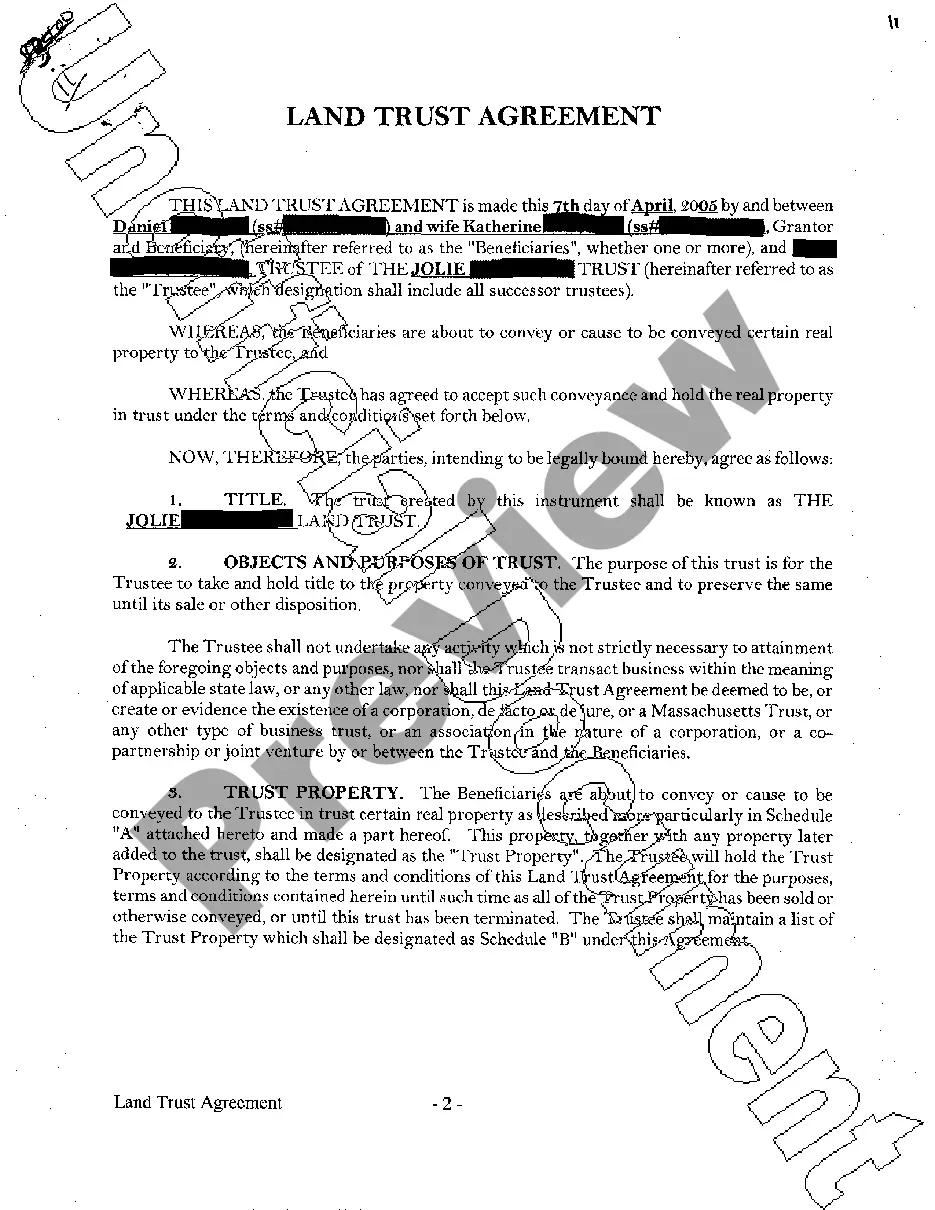

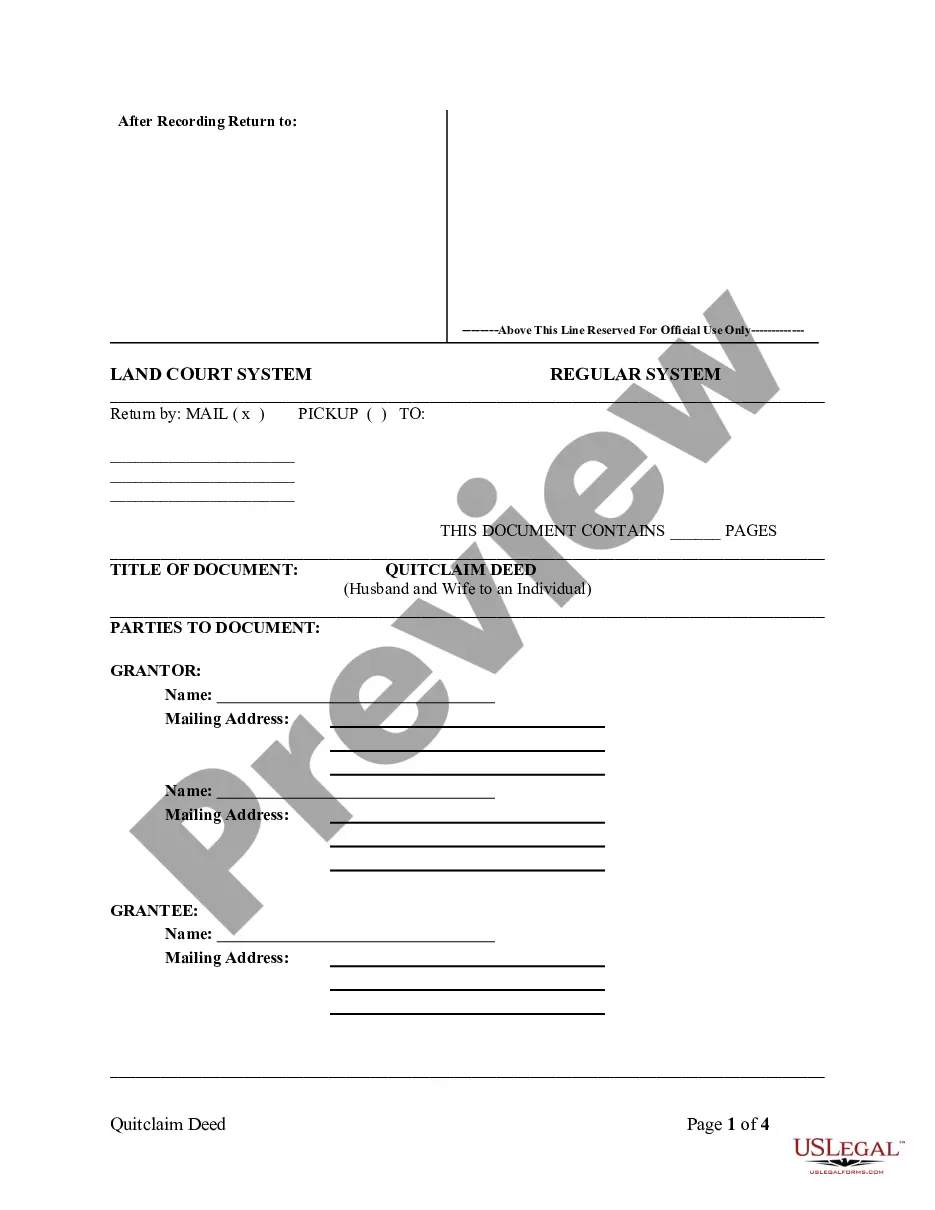





Form popularity
FAQ
Termination is easier with a rental agreement, allowing for more flexibility. Early termination of a lease is discouraged, which makes this arrangement more stable. Parties can be subject to lawsuits, fees, and credit score impacts for ending a lease early, so it's typically seen as a longer-lasting living situation.
In some areas, renting may be more economical than leasing and vice versa. Personal Needs: Think about your lifestyle, job stability, and family needs. If you value flexibility, renting might be better; if you prefer stability and are planning to settle down, leasing could be advantageous.
The main difference is the length of tenancy. A rental agreement is usually short term or month-to-month, while a lease is typically for a longer period of time, usually six months or more.
A Texas standard residential lease agreement is a document used by a landlord renting property to a tenant for monthly payment under typical conditions. Most agreements of this type are for a fixed term, usually one year.
An agreement for a lease is however as good as a lease until some of the terms and conditions agreed by the parties is/ are breached by either party.
Key Takeaways. A lease is a legal, binding contract outlining the terms under which one party agrees to rent property owned by another party. It guarantees the tenant or lessee use of the property and, in exchange, regular payments for a specified period to the property owner or landlord.
In India, there are two different kinds of rent agreements, one of which is a lease with a minimum term of 12 months. Rent Control Laws established by the State Government regulate this. The other kind is a lease and license contract that lasts up to 11 months and is exempt from rent control laws.
If a property is marked as 'let', this means the agreement between the landlord. and the tenant is in place and the tenant has either already moved into the property or is about to.
Some common synonyms of rent are charter, hire, lease, and let.
Both are correct verbs for the renting out of property. Let is not slang or substandard; in fact, its use goes back 300 years earlier than lease. Now, look at this; it's interesting: Only the lessor lets the property, but either party may be said to lease it.
