Lease Without License In Queens
Description
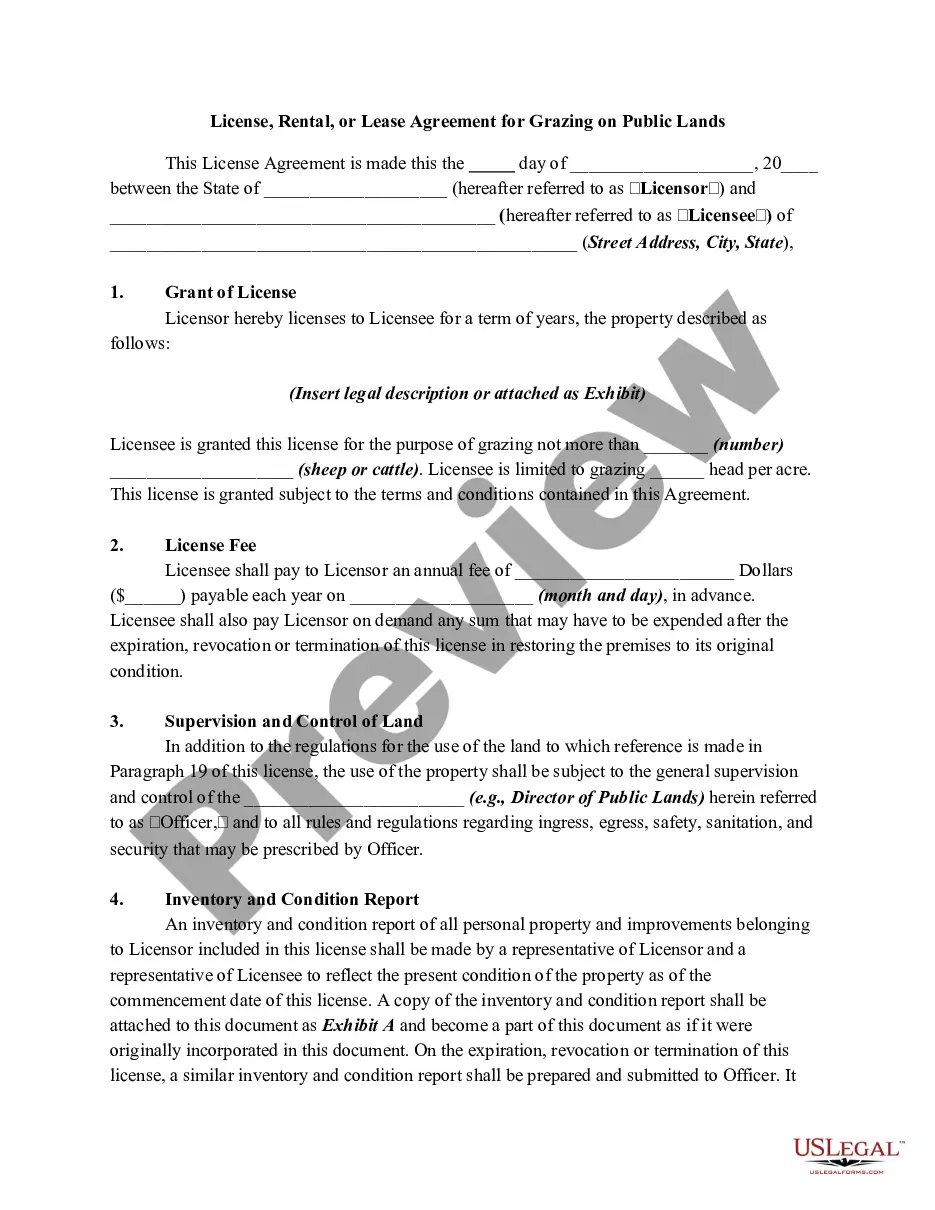
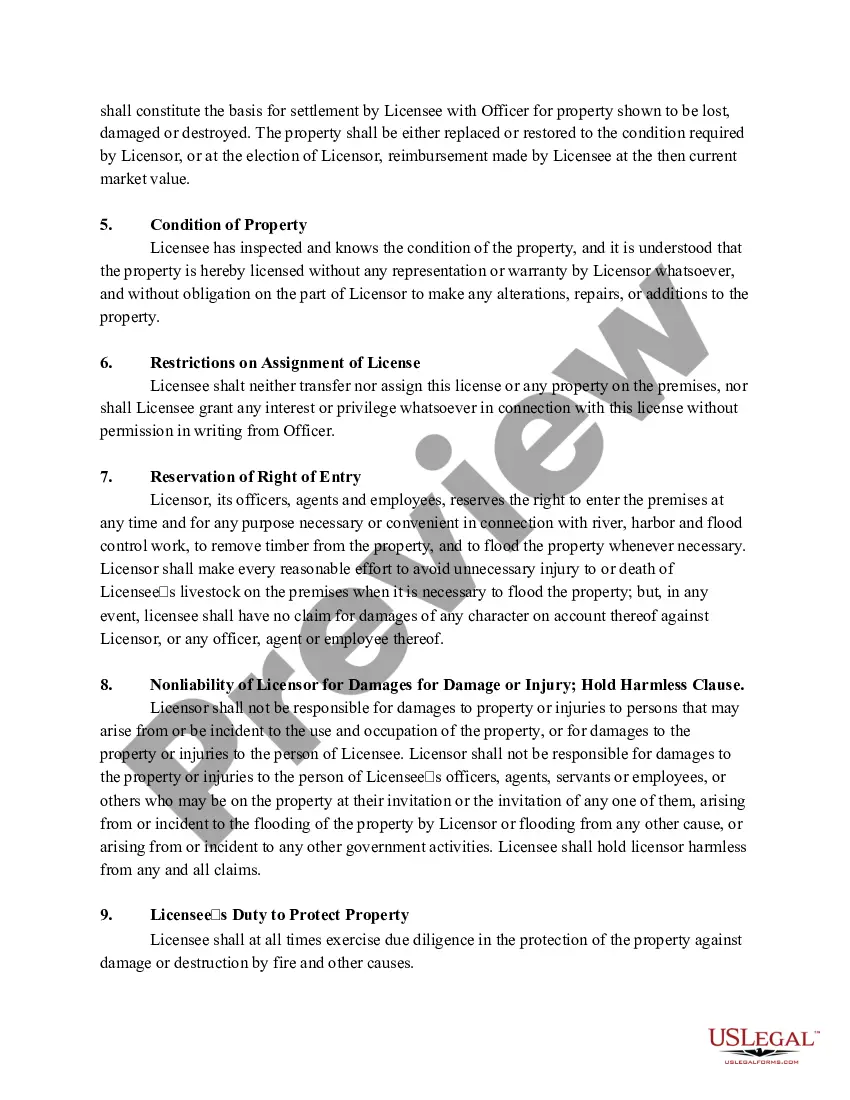
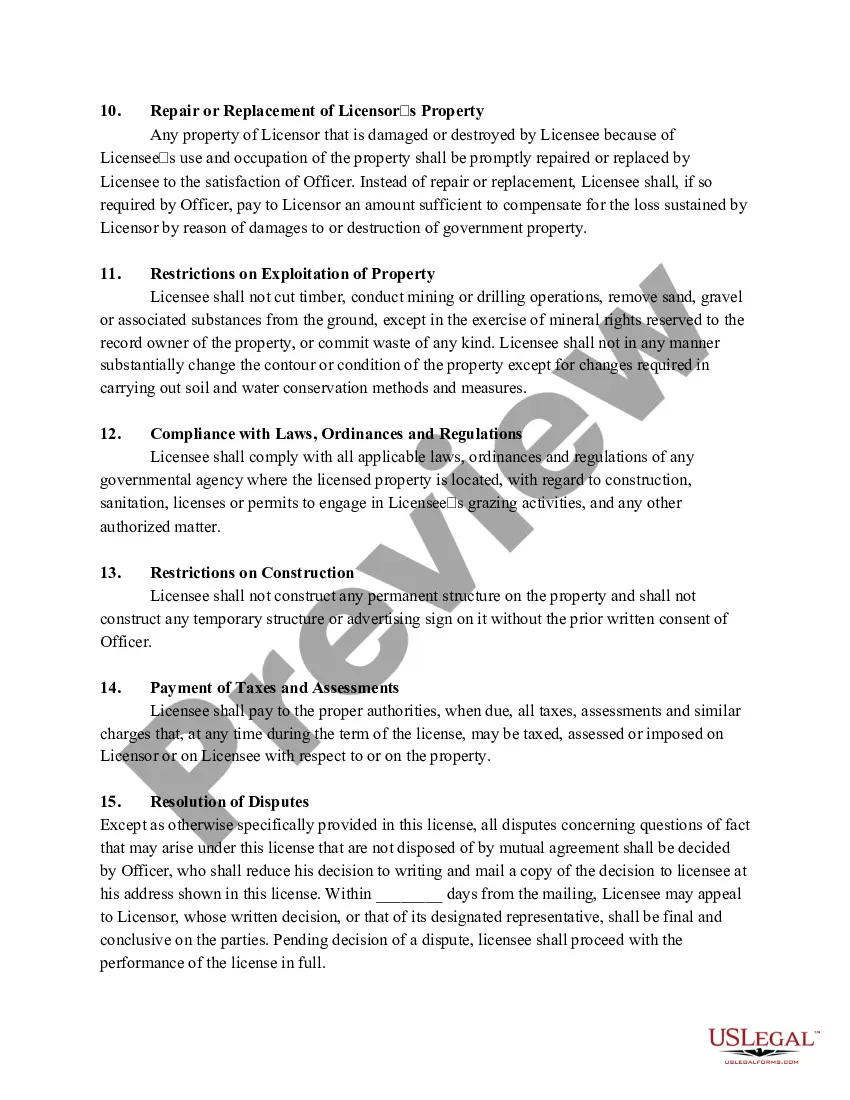
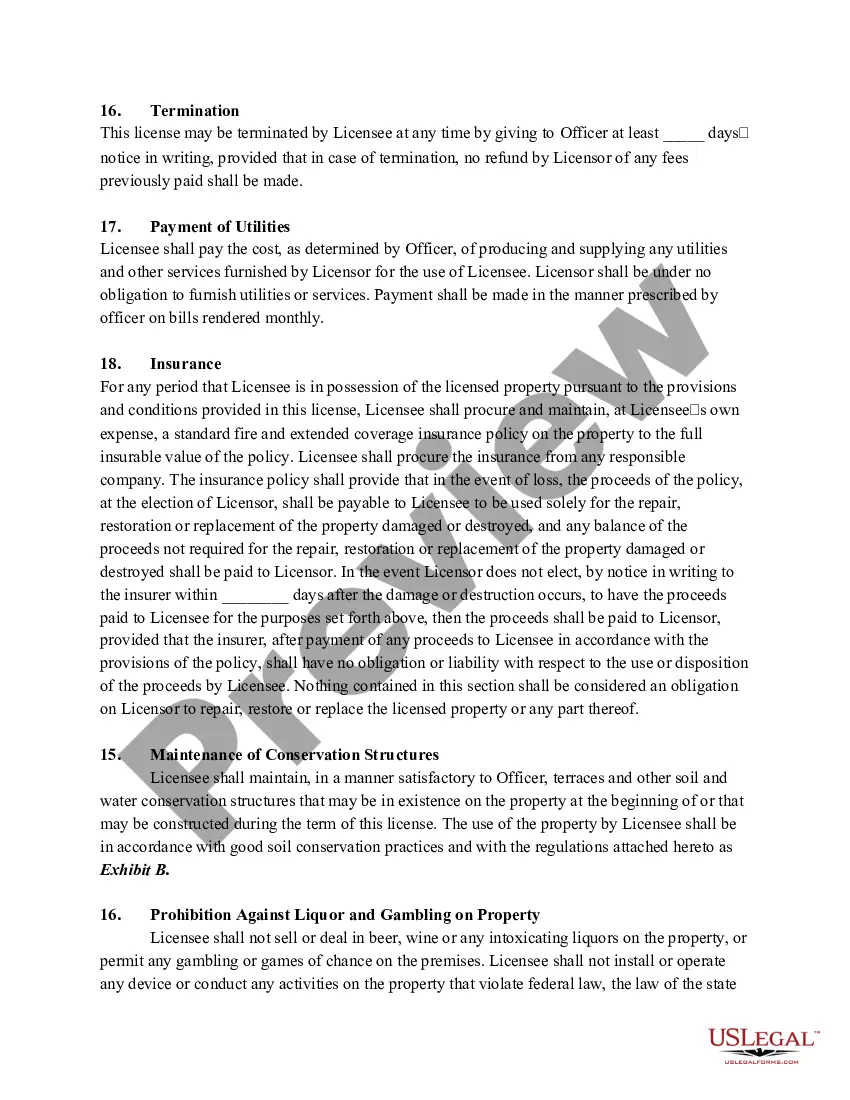
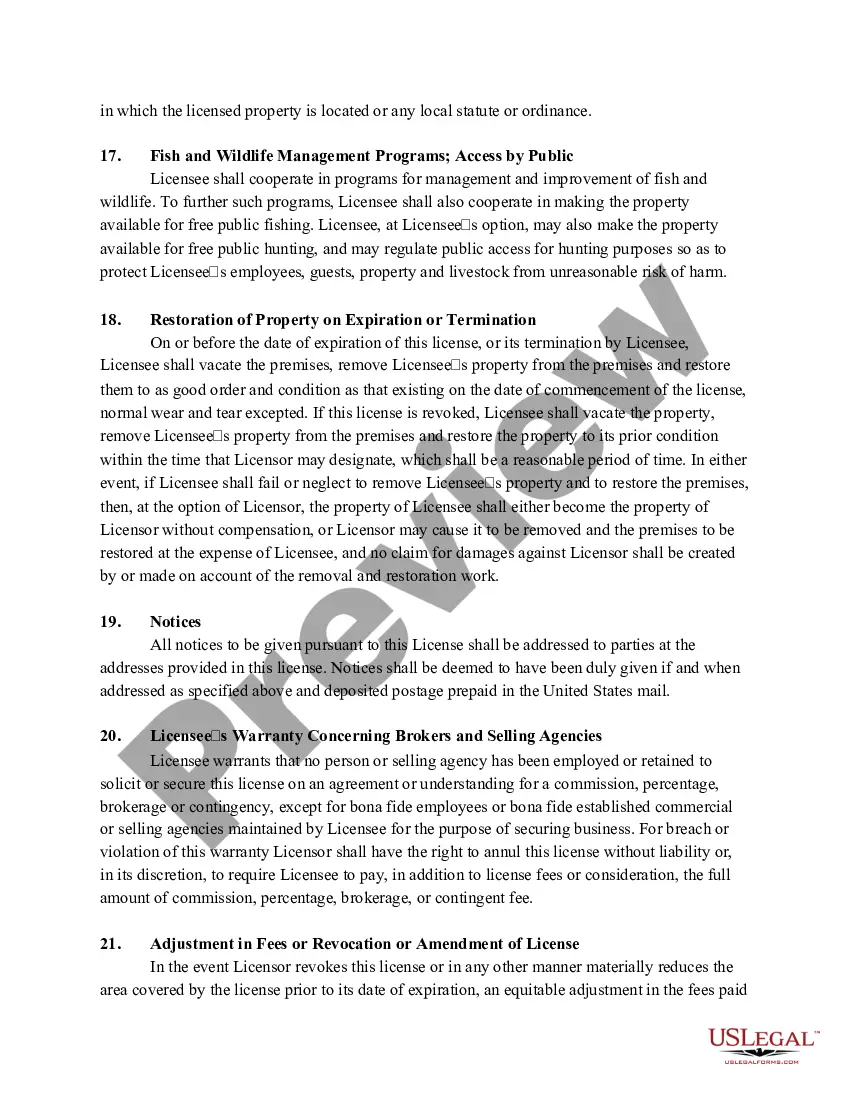
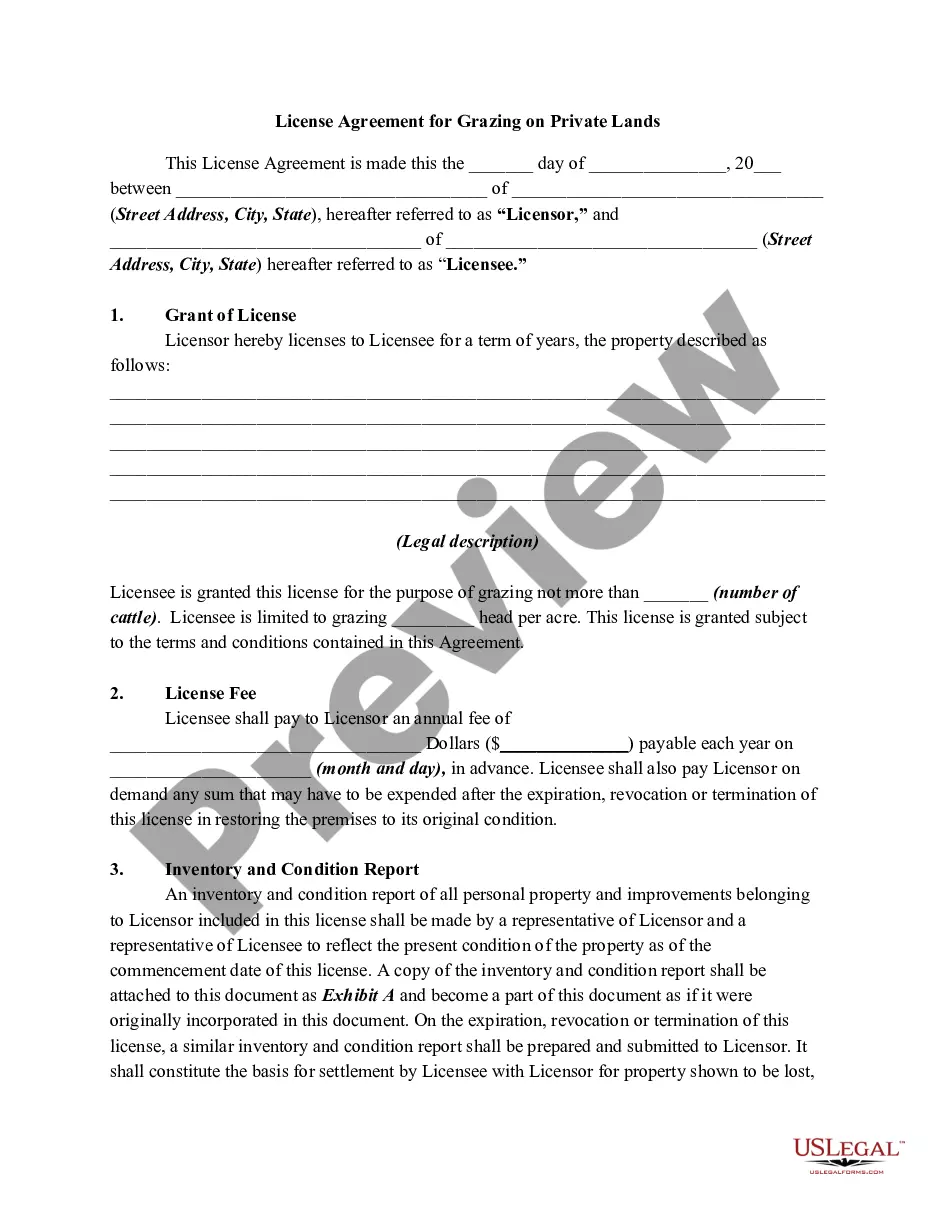
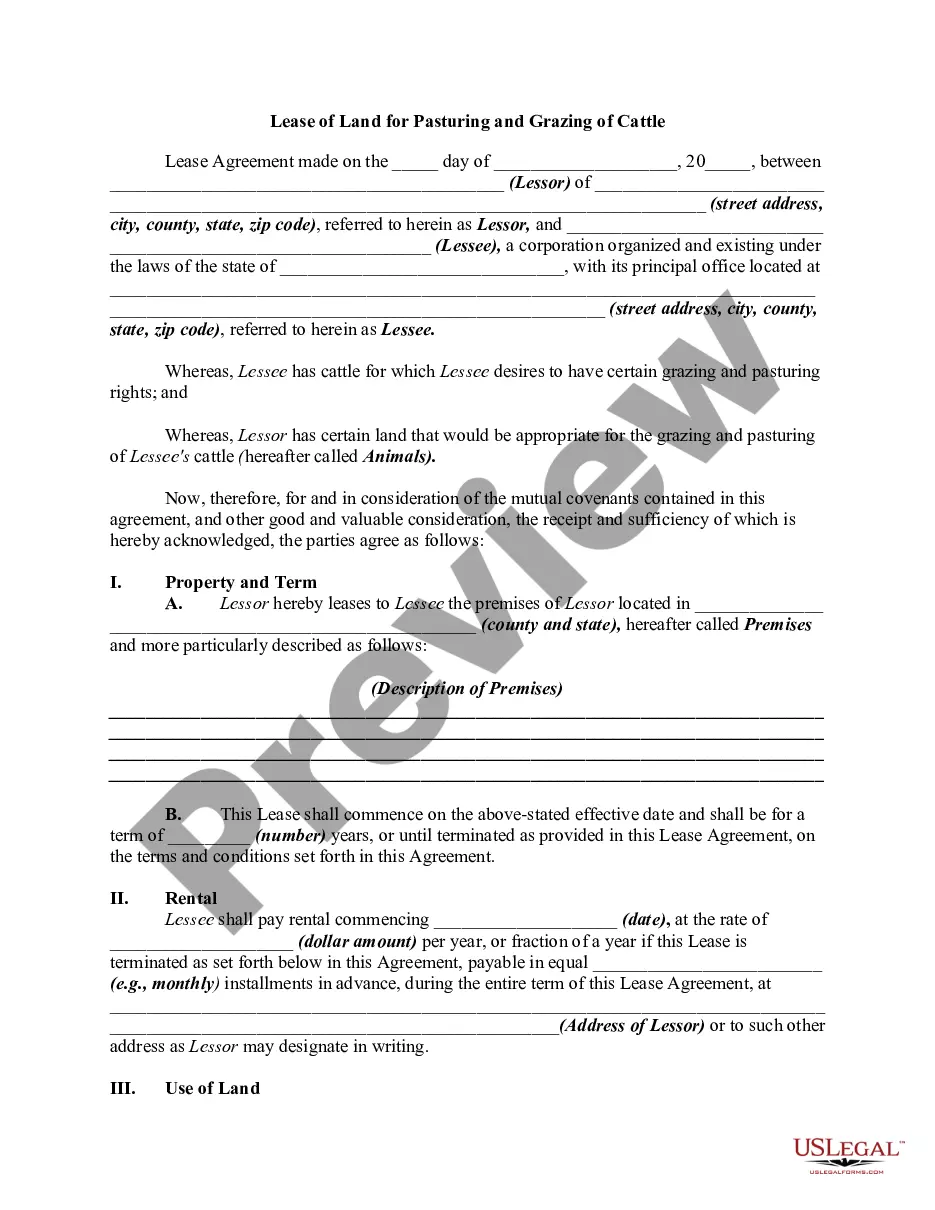
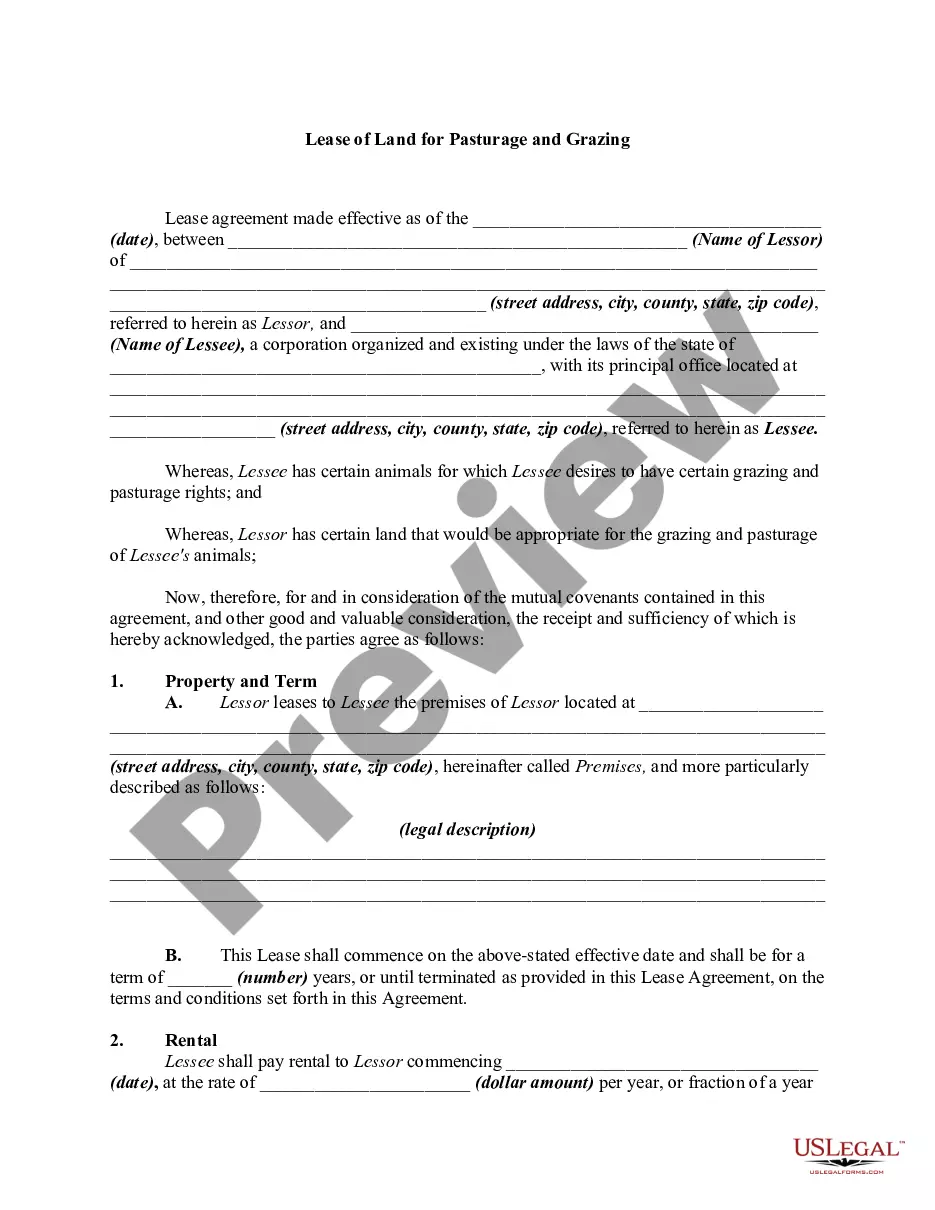
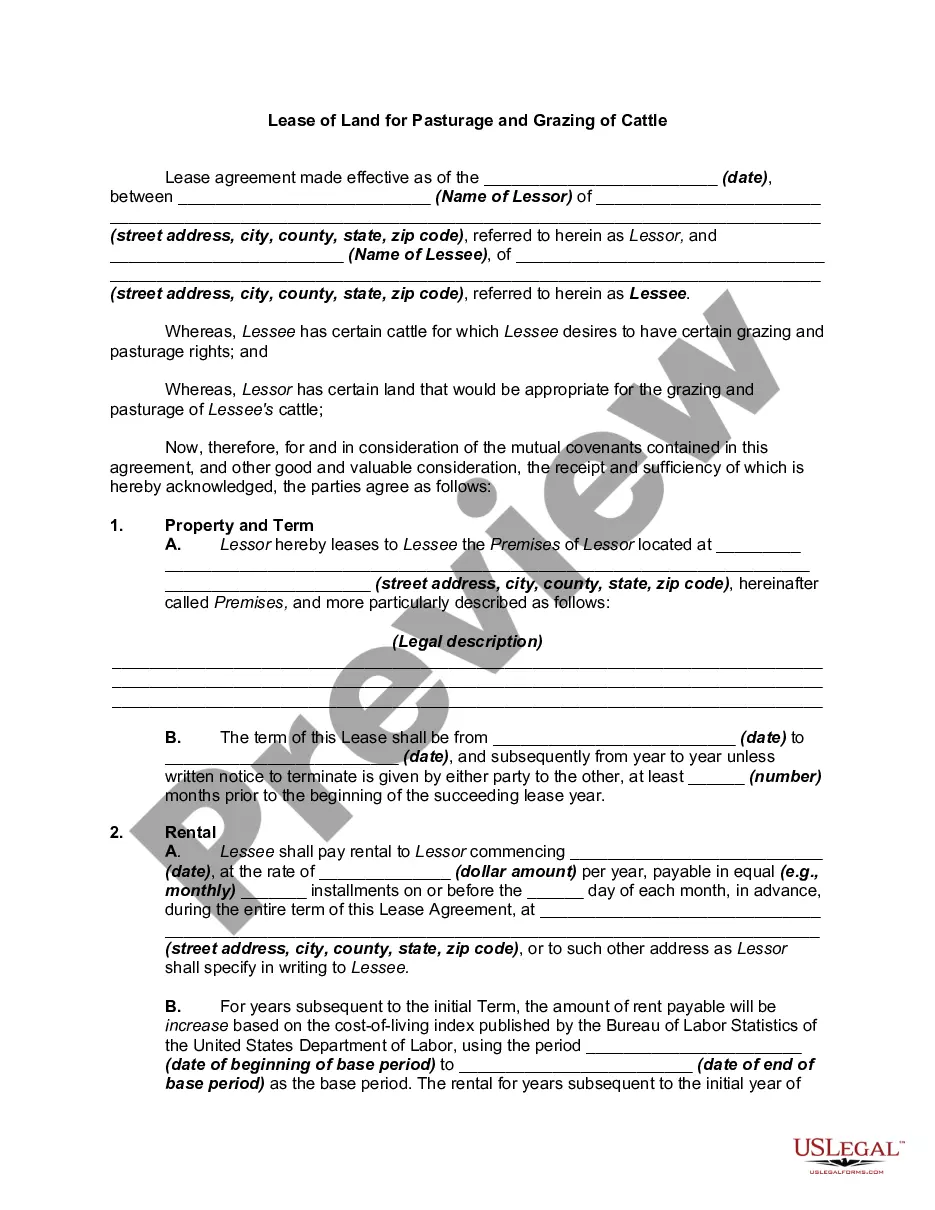
Get your form ready online
Our built-in tools help you complete, sign, share, and store your documents in one place.
Make edits, fill in missing information, and update formatting in US Legal Forms—just like you would in MS Word.
Download a copy, print it, send it by email, or mail it via USPS—whatever works best for your next step.
Sign and collect signatures with our SignNow integration. Send to multiple recipients, set reminders, and more. Go Premium to unlock E-Sign.
If this form requires notarization, complete it online through a secure video call—no need to meet a notary in person or wait for an appointment.
We protect your documents and personal data by following strict security and privacy standards.

Make edits, fill in missing information, and update formatting in US Legal Forms—just like you would in MS Word.

Download a copy, print it, send it by email, or mail it via USPS—whatever works best for your next step.

Sign and collect signatures with our SignNow integration. Send to multiple recipients, set reminders, and more. Go Premium to unlock E-Sign.

If this form requires notarization, complete it online through a secure video call—no need to meet a notary in person or wait for an appointment.

We protect your documents and personal data by following strict security and privacy standards.
Looking for another form?









Form popularity
FAQ
Tenant Consent Must Be Given Before a landlord can enter a residence, the tenant must give permission for them to do so. This does not need to be in writing or overly formal and a verbal agreement is all that is required. However, there are some cases where a tenant may not want a landlord to enter their apartment.
It is considered harassment if your landlord: Fails to give you the buyout offer in writing; Gives you the buyout offer in writing, but the offer doesn't include all of the required information; Contacts you about a buyout within 180 days of you notifying them that you do not want to be contacted.
You may refuse entry to a landlord if they do not give proper notice for a visit, or if they try to enter for any reason beyond the five valid ones listed below. These rights cannot be waived — they still apply if your lease says otherwise, or if you don't have a lease.
Landlords may not take the law into their own hands and evict a tenant by use of force or unlawful means. For example, a landlord cannot use threats of violence, remove a tenant's possessions, lock the tenant out of the apartment, or willfully discontinue essential services such as water or heat.
Generally no. However, a landlord may enter a tenant's apartment in some situations. Your landlord can enter your apartment at any time and without notice in an emergency, and at a reasonable time after providing appropriate notice if the entry is either: To provide necessary or agreed upon repairs or services, or.
If you own the home, you don't need any license. However, if you are in a inium or coop as you often find in NYC, you'll likely need permission of the condo or co op board. Also, be aware of rental regulations in your area, especially regarding short term rentals like Airbnb.
In rent controlled apartments statewide and in rent stabilized apartments outside New York City, a landlord may not evict a senior citizen, a person living with a disability, or any person who has been living in the apartment for 15 years or more for purposes of owner occupancy (NYC Admin.
In conclusion, as a tenant without a lease agreement, you still have rights and protections under the law. Your landlord has the obligation to provide a safe living environment, make necessary repairs, provide basic utilities, and follow eviction laws.
A valid form of ID You'll typically need a photo ID that includes your date of birth. This may be a driver's license, passport, or another form of government-issued ID. A landlord will use the identification to verify you are who you claim to be on your rental application.
