Difference Between Lease And Rental Agreement In Phoenix
Description

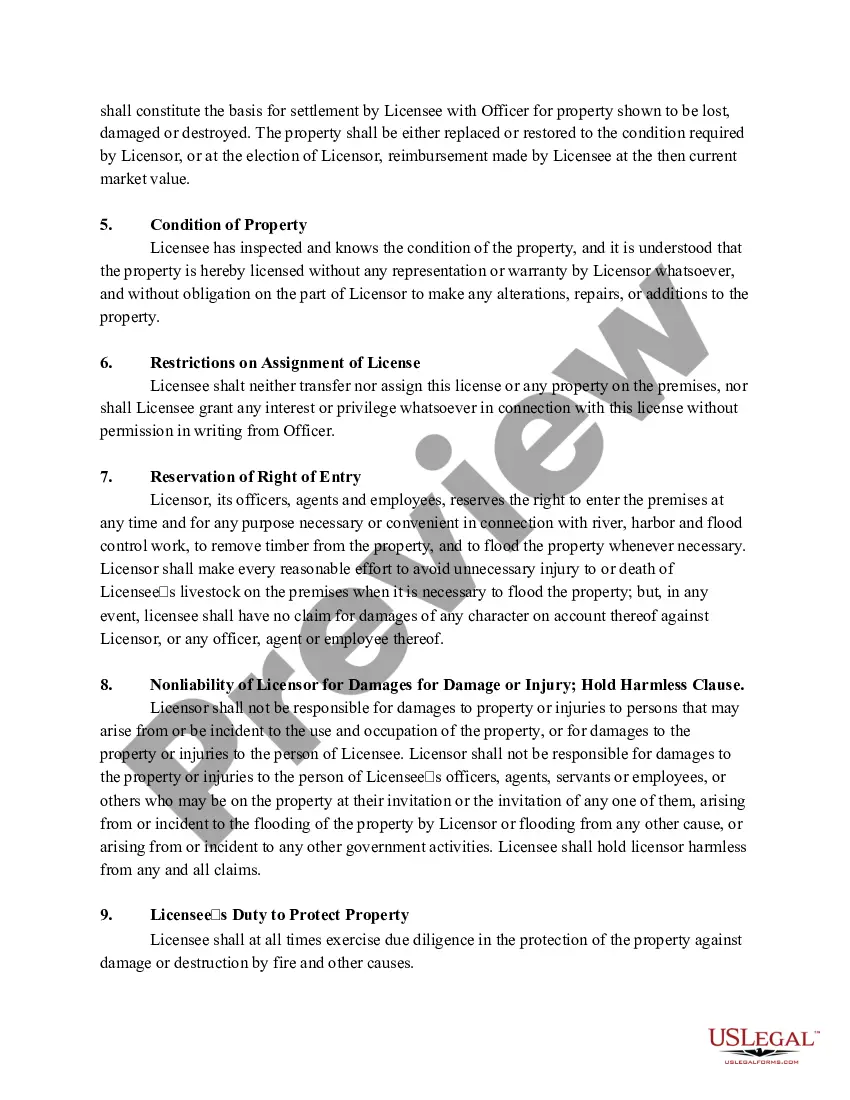
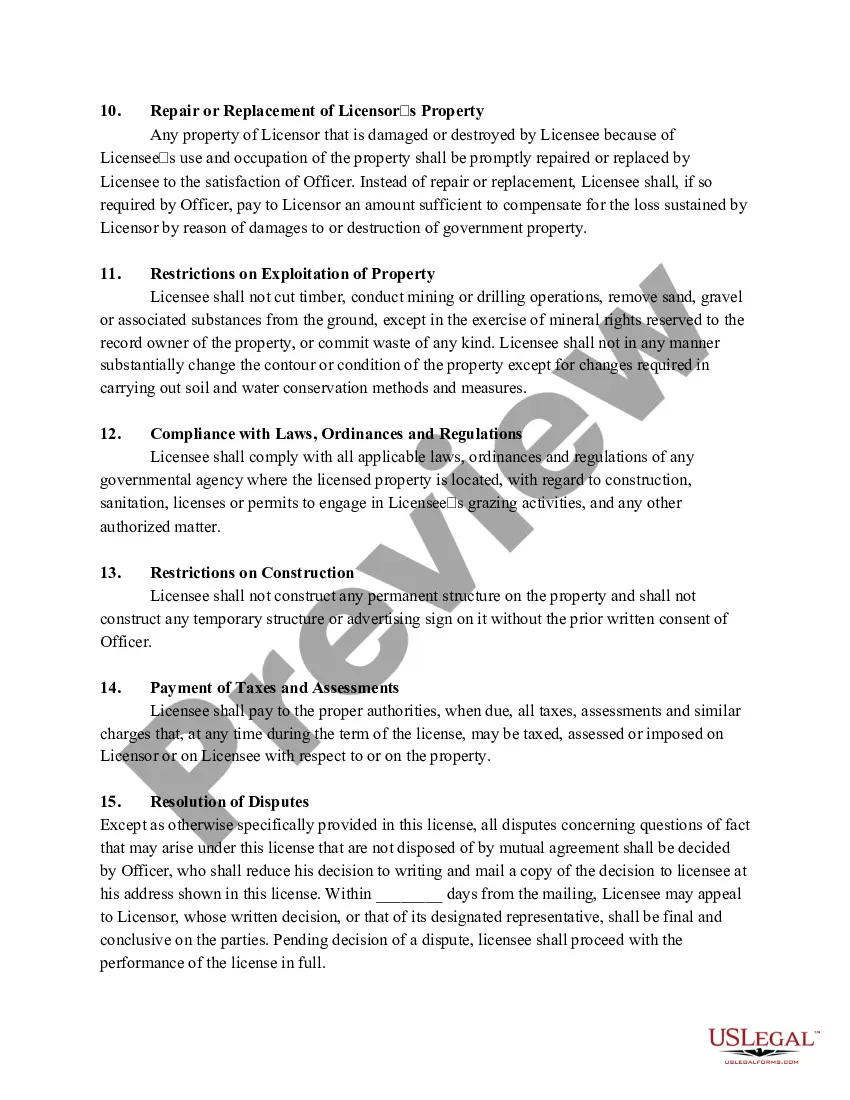
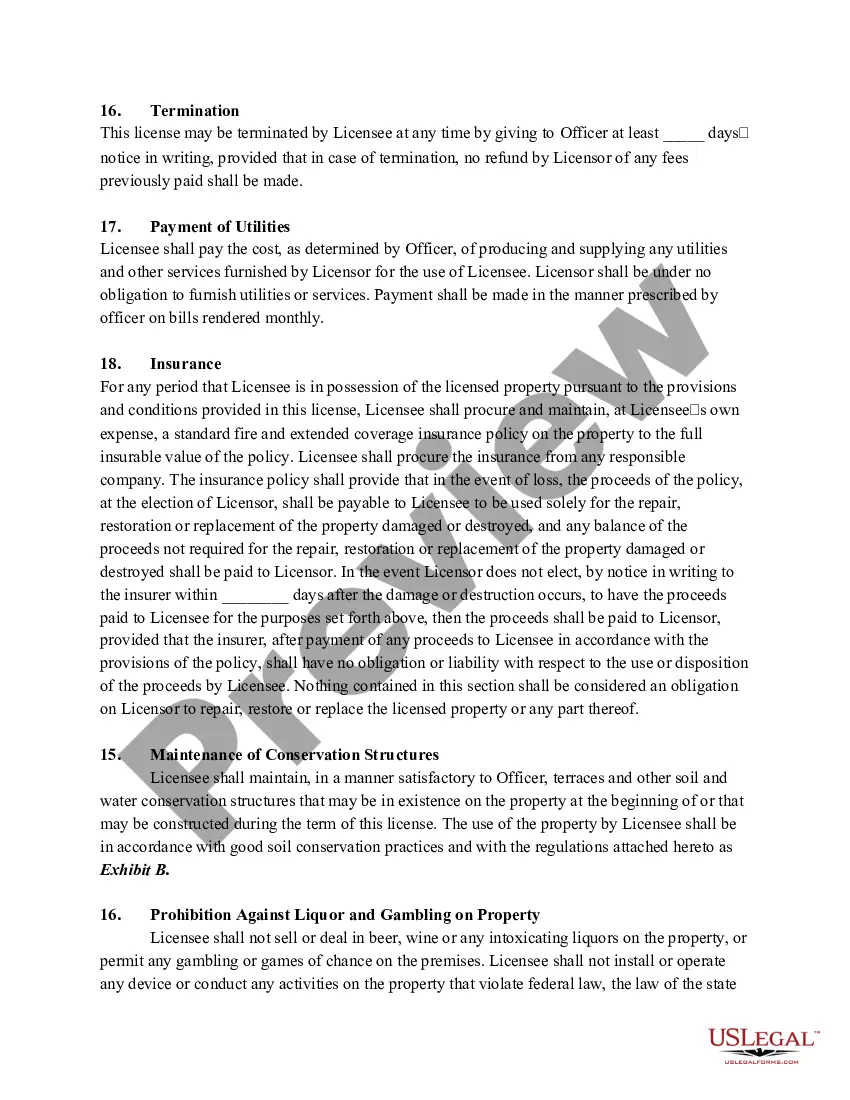
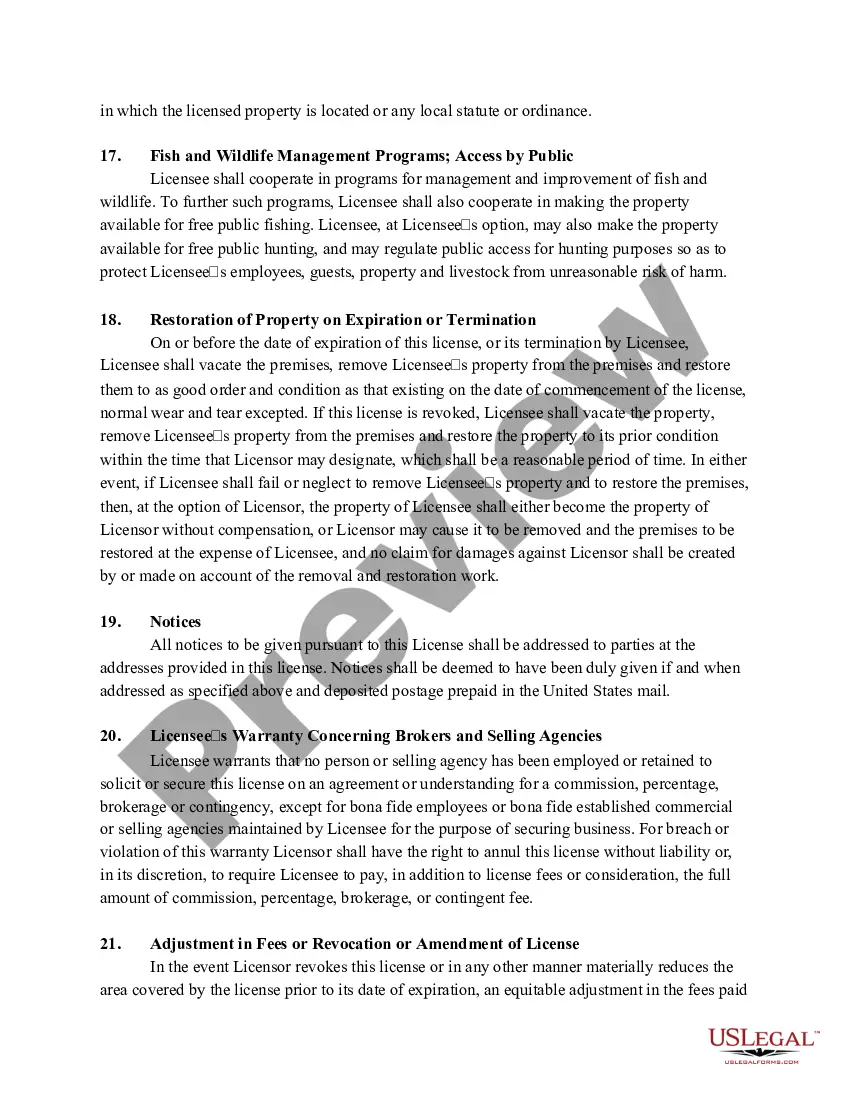
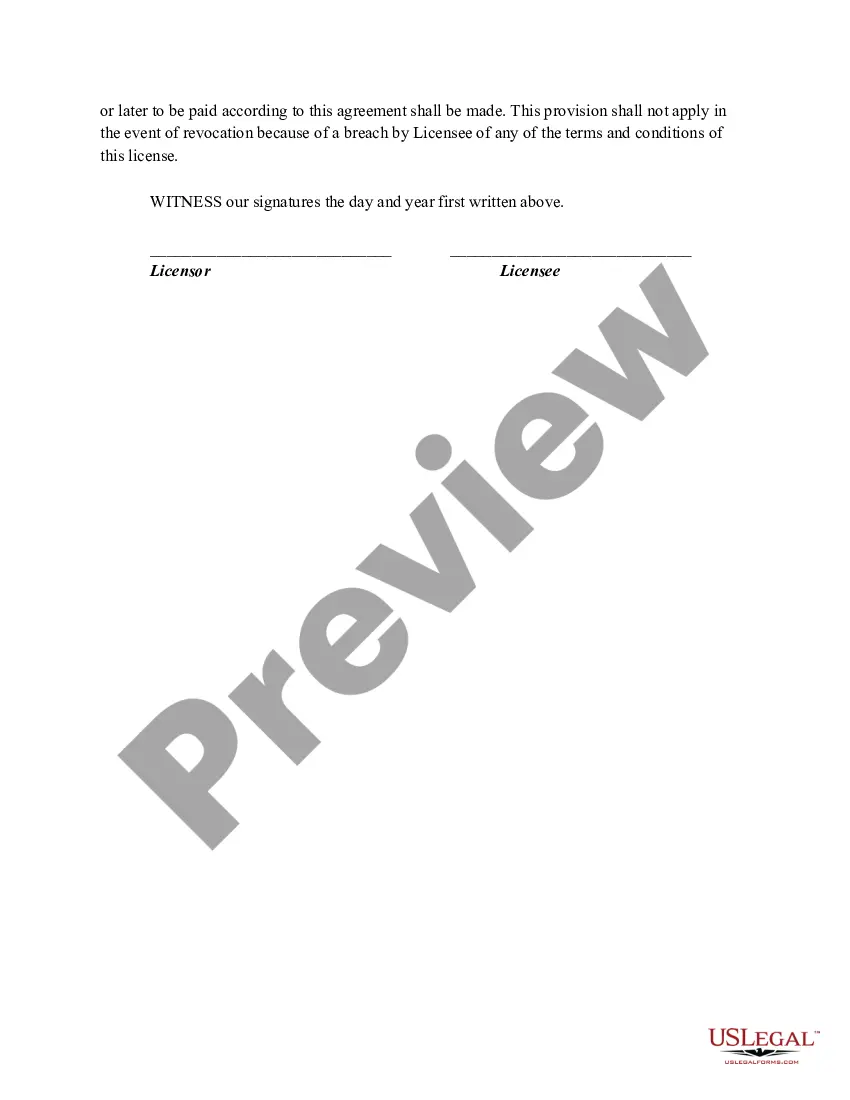
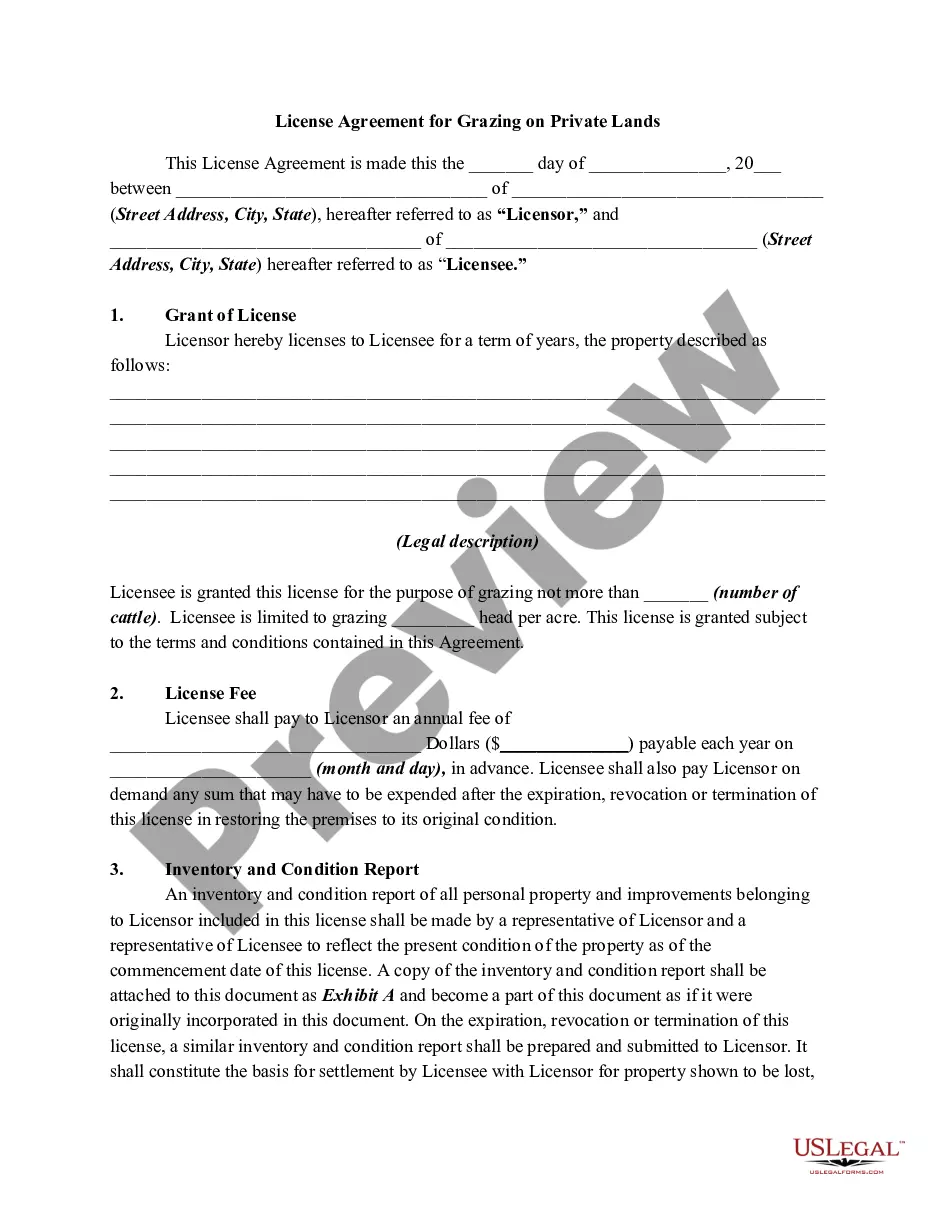
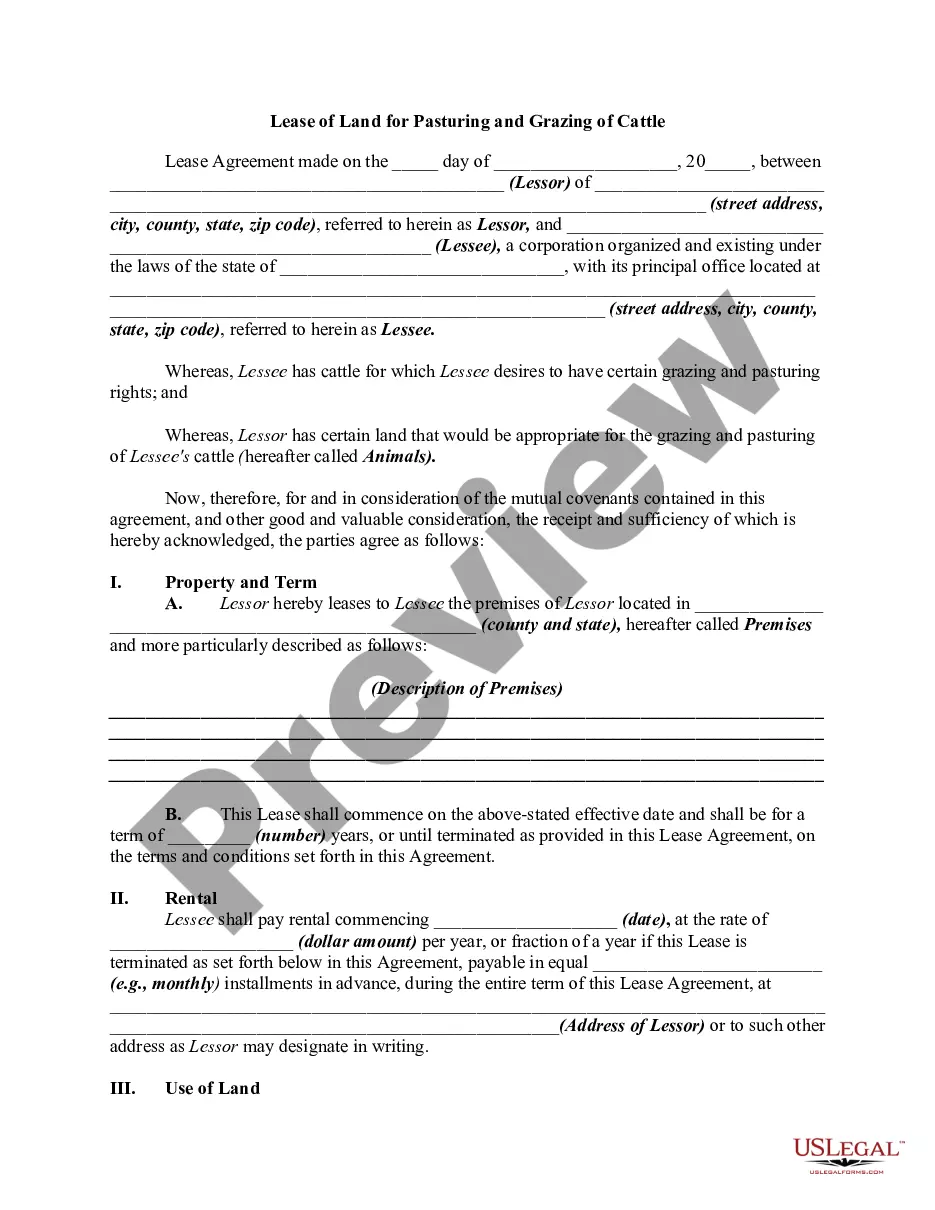
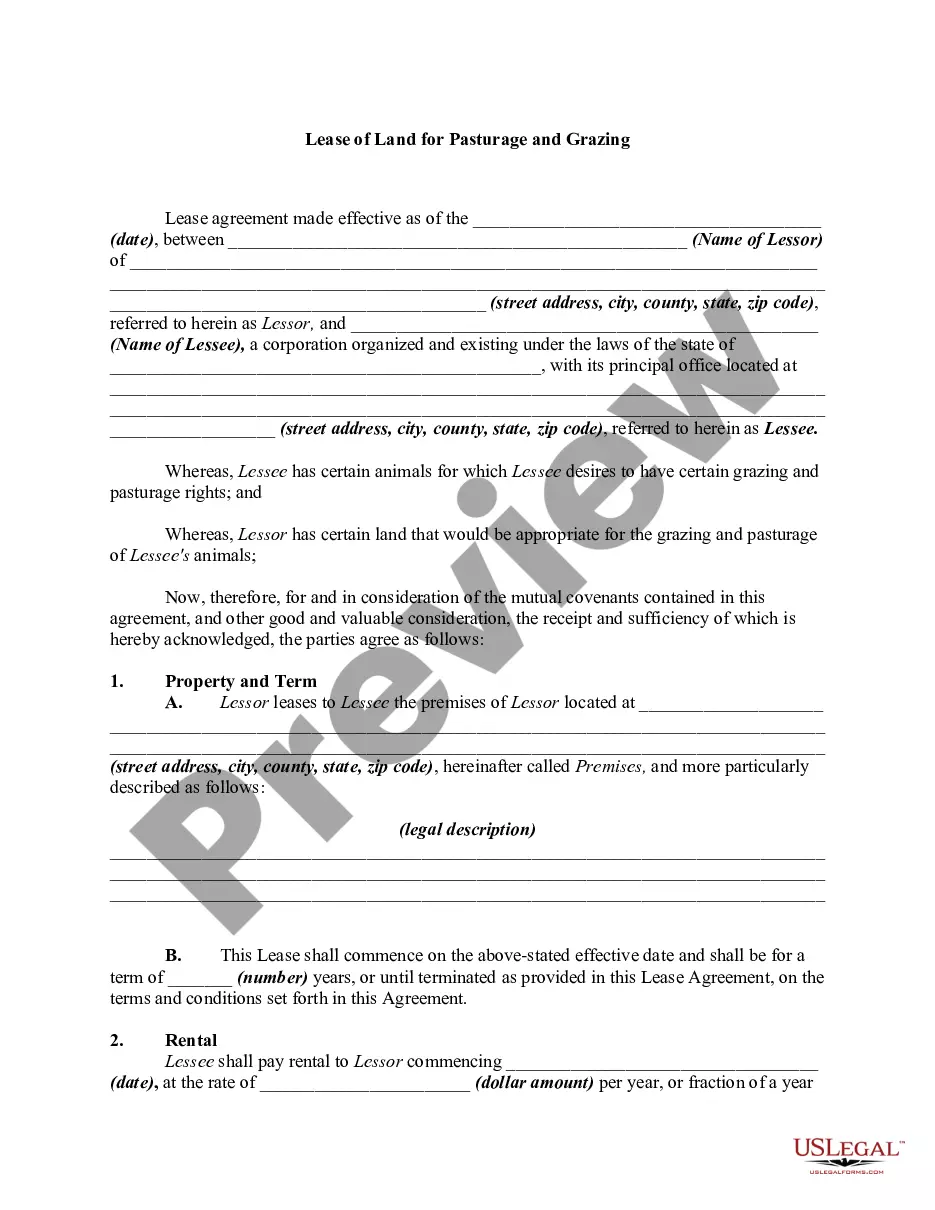
Get your form ready online
Our built-in tools help you complete, sign, share, and store your documents in one place.
Make edits, fill in missing information, and update formatting in US Legal Forms—just like you would in MS Word.
Download a copy, print it, send it by email, or mail it via USPS—whatever works best for your next step.
Sign and collect signatures with our SignNow integration. Send to multiple recipients, set reminders, and more. Go Premium to unlock E-Sign.
If this form requires notarization, complete it online through a secure video call—no need to meet a notary in person or wait for an appointment.
We protect your documents and personal data by following strict security and privacy standards.

Make edits, fill in missing information, and update formatting in US Legal Forms—just like you would in MS Word.

Download a copy, print it, send it by email, or mail it via USPS—whatever works best for your next step.

Sign and collect signatures with our SignNow integration. Send to multiple recipients, set reminders, and more. Go Premium to unlock E-Sign.

If this form requires notarization, complete it online through a secure video call—no need to meet a notary in person or wait for an appointment.

We protect your documents and personal data by following strict security and privacy standards.
Looking for another form?








Form popularity
FAQ
But the landlord can't just kick out the tenant, change the locks, or turn off the utilities. The landlord must follow all the steps the law says must be taken. And the tenant should not just stop paying the rent unless the tenant first follows all the steps the law says must be taken.
In India, there are two different kinds of rent agreements, one of which is a lease with a minimum term of 12 months. Rent Control Laws established by the State Government regulate this. The other kind is a lease and license contract that lasts up to 11 months and is exempt from rent control laws.
There is no law regulating what kind of advance notice, if any, is required to stay on or vacate when the lease ends. On occasion a lease will state that it automatically renews unless either party gives notice otherwise. More frequently, a 30-day or 60-day notice must be provided by one party to the other.
An Arizona month-to-month lease agreement is a contract that renews automatically on a monthly basis. However, either party can cancel the agreement with a month's notice. This type of arrangement can be helpful for both the landlord and tenant when they're unsure about the exact duration of the rental period.
Under Arizona Revised Statutes (A.R.S.) § 33-1375, either the landlord or the tenant can terminate a month-to-month lease with a 30-day written notice. This notice should be given at least 30 days before the next rent due date.
In Arizona all that is required is a 30 day notice on a month to month. It's basically as if no lease is in place, that's what a month to month tenancy is. 30 days is all that is required in Arizona.
In Arizona, commercial leases do not need to be notarized. However, if either party desires, they can notarise the rental agreement. Any addendums might also have to be notarized if the lease is notarized.
If no time frame is established in the rental agreement, the agreement becomes a month-to-month agreement. A.R.S. § 33-1314(D). To terminate a month-to-month rental agreement, a landlord or a tenant must give 30 days notice in writing before the next rent payment would normally be due.
In Arizona, a tenant might be able to break a lease without owing future rent in the following situations. Domestic Violence. Harassment of a Law Enforcement Officer. Receipt of Military Orders. Landlord Breaches the Lease or Rental Agreement. Misconduct by Landlord.
Ing to ARLTA, landlords are responsible for maintaining a safe and habitable living environment for their tenants. This includes keeping the premises in good repair, ensuring proper functioning of essential utilities such as heating, plumbing, and electricity, and complying with building and health codes.