License Lease Agreement In Ohio
Description

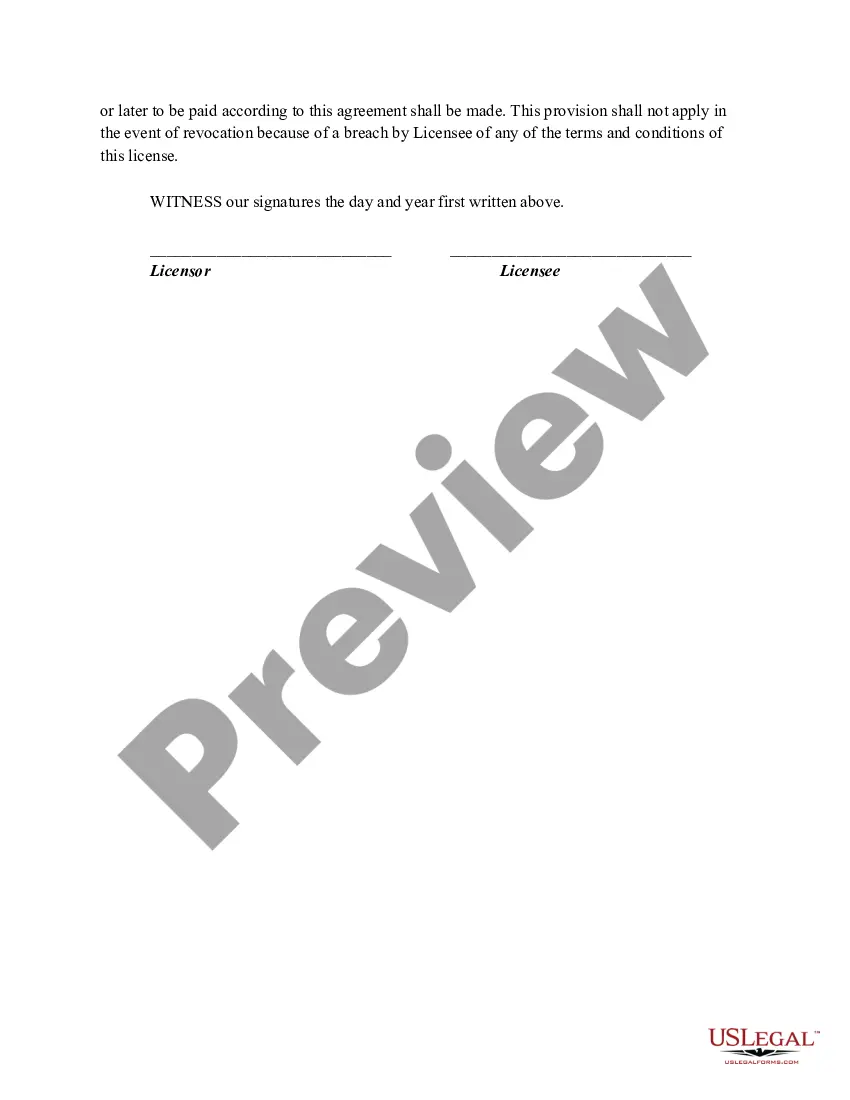
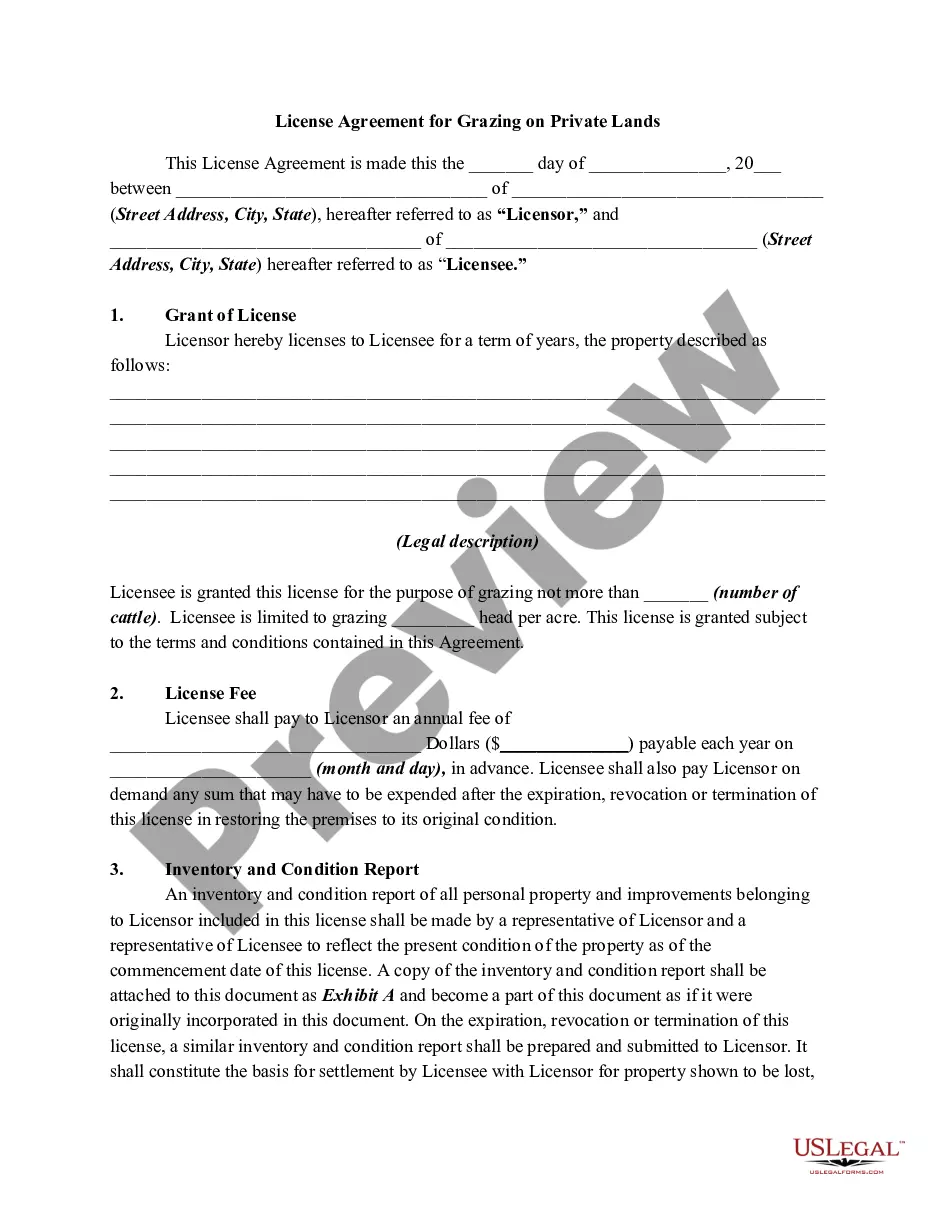
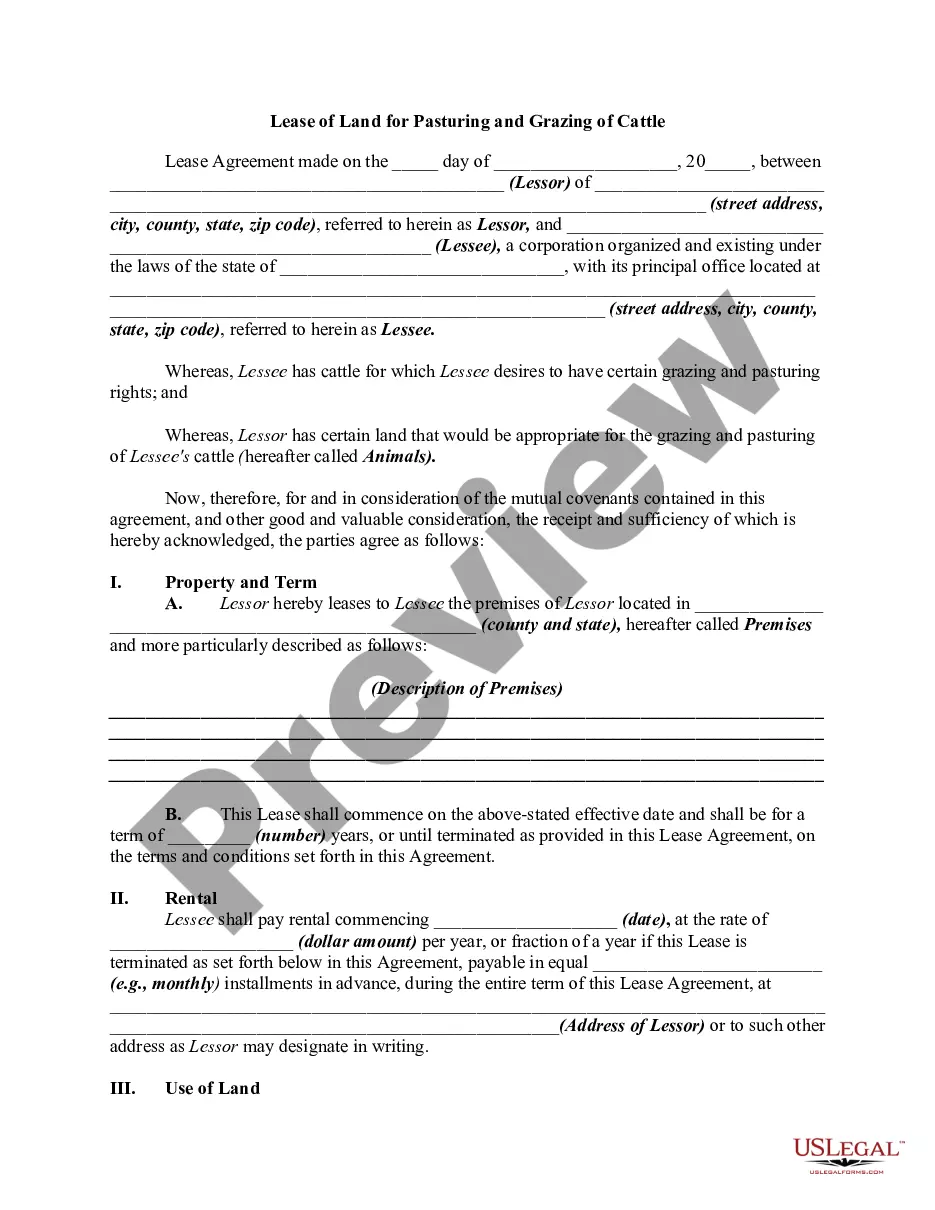
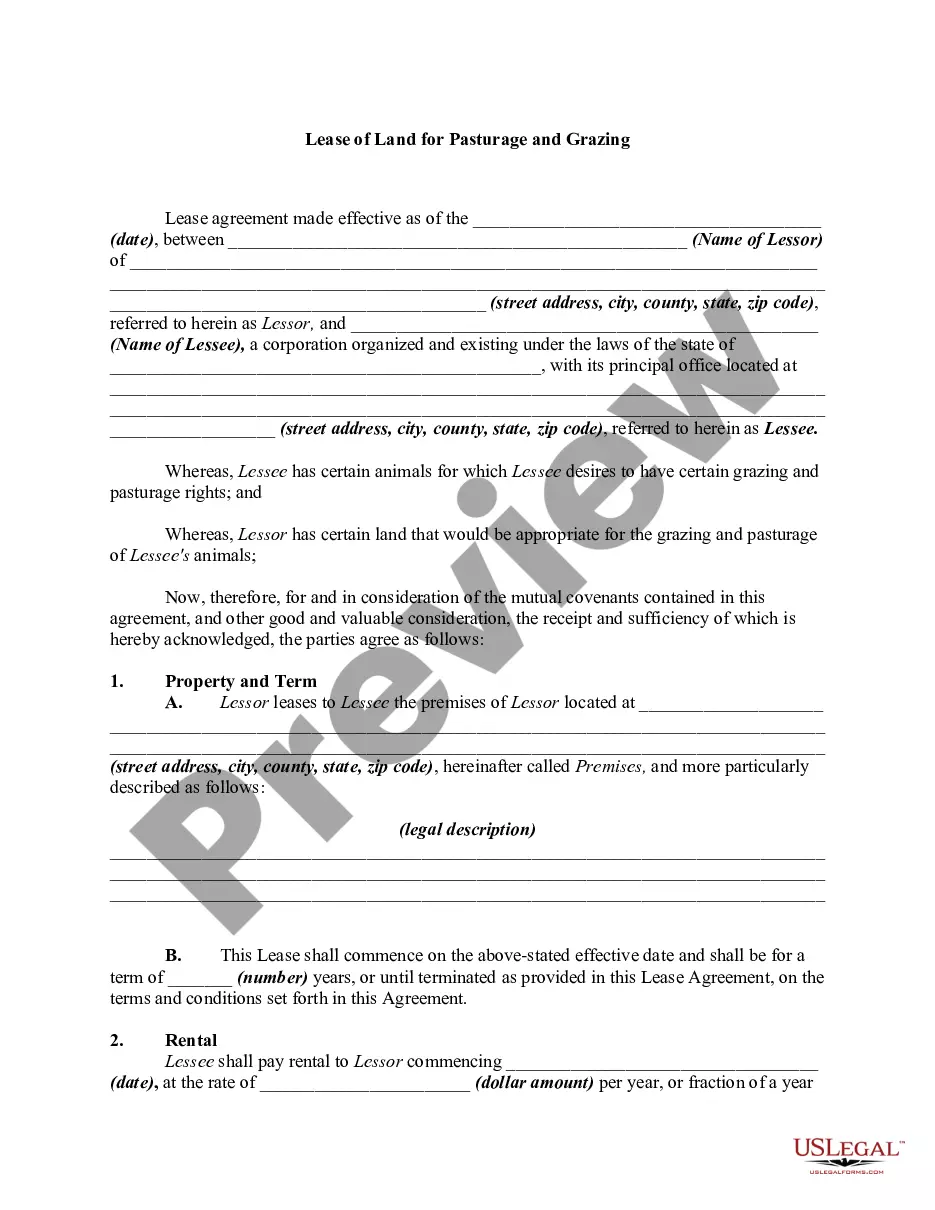
Get your form ready online
Our built-in tools help you complete, sign, share, and store your documents in one place.
Make edits, fill in missing information, and update formatting in US Legal Forms—just like you would in MS Word.
Download a copy, print it, send it by email, or mail it via USPS—whatever works best for your next step.
Sign and collect signatures with our SignNow integration. Send to multiple recipients, set reminders, and more. Go Premium to unlock E-Sign.
If this form requires notarization, complete it online through a secure video call—no need to meet a notary in person or wait for an appointment.
We protect your documents and personal data by following strict security and privacy standards.

Make edits, fill in missing information, and update formatting in US Legal Forms—just like you would in MS Word.

Download a copy, print it, send it by email, or mail it via USPS—whatever works best for your next step.

Sign and collect signatures with our SignNow integration. Send to multiple recipients, set reminders, and more. Go Premium to unlock E-Sign.

If this form requires notarization, complete it online through a secure video call—no need to meet a notary in person or wait for an appointment.

We protect your documents and personal data by following strict security and privacy standards.
Looking for another form?







Form popularity
FAQ
In most cases, a contract does not have to be notarized since the signed contract itself is enforceable and legally binding in state or federal courts. Many types of written contracts don't require a notary public to be valid.
While notarization can enhance a lease's security by adding authenticity and preventing fraud, many states do not mandate it for standard residential leases. For example, California does not require lease notarization, while other states like Ohio may have different requirements.
A lease agreement is a legally binding contract outlining the terms under which one party agrees to rent property, whether real or personal, from another party. This agreement includes important details such as the rent amount, duration, responsibilities of both parties, and conditions for terminating the agreement.
Similarly, Ohio mandates notarization for residential and commercial leases exceeding a three-year term.
Is a rental license required to be a landlord? In Ohio, landlords with rental property located in an Ohio County with more than 200,000 residents must register their rental property with the county auditor's office of the county in which the rental property is located.
Yes. Leases in this state must be notarized to comply with the law.
Rental income in Ohio is subject to state and federal taxes.
Becoming a landlord requires not only financial resources but also managerial talent, attention to detail and, often, a healthy portion of sweat equity. There may be months when emergency repairs will eat up the potential profits making this role much more than just collecting rent.
Before you decide to rent out a room, it's important to thoroughly research and understand municipal zoning laws, which are the local regulations that govern land use and development. Some cities or towns may require landlords to obtain a license or permit before renting to unrelated individuals.
