Lease Agreement For Rental In Oakland
Description

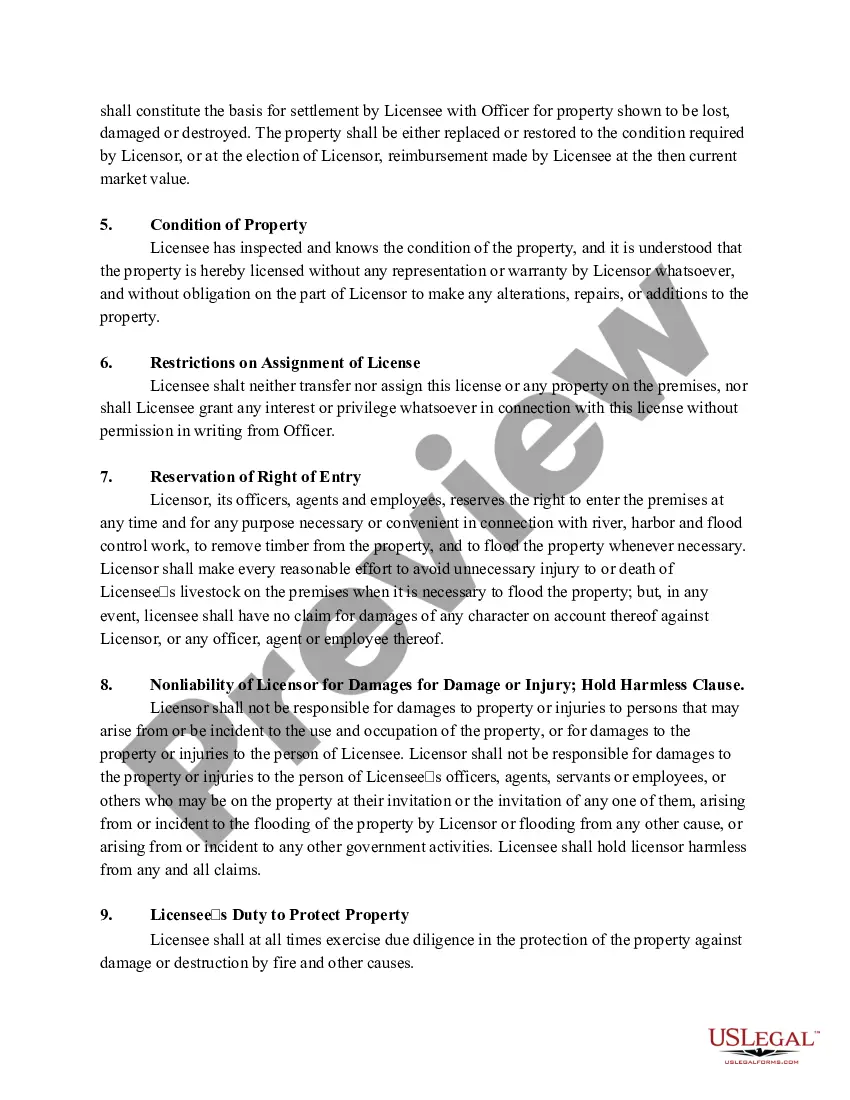
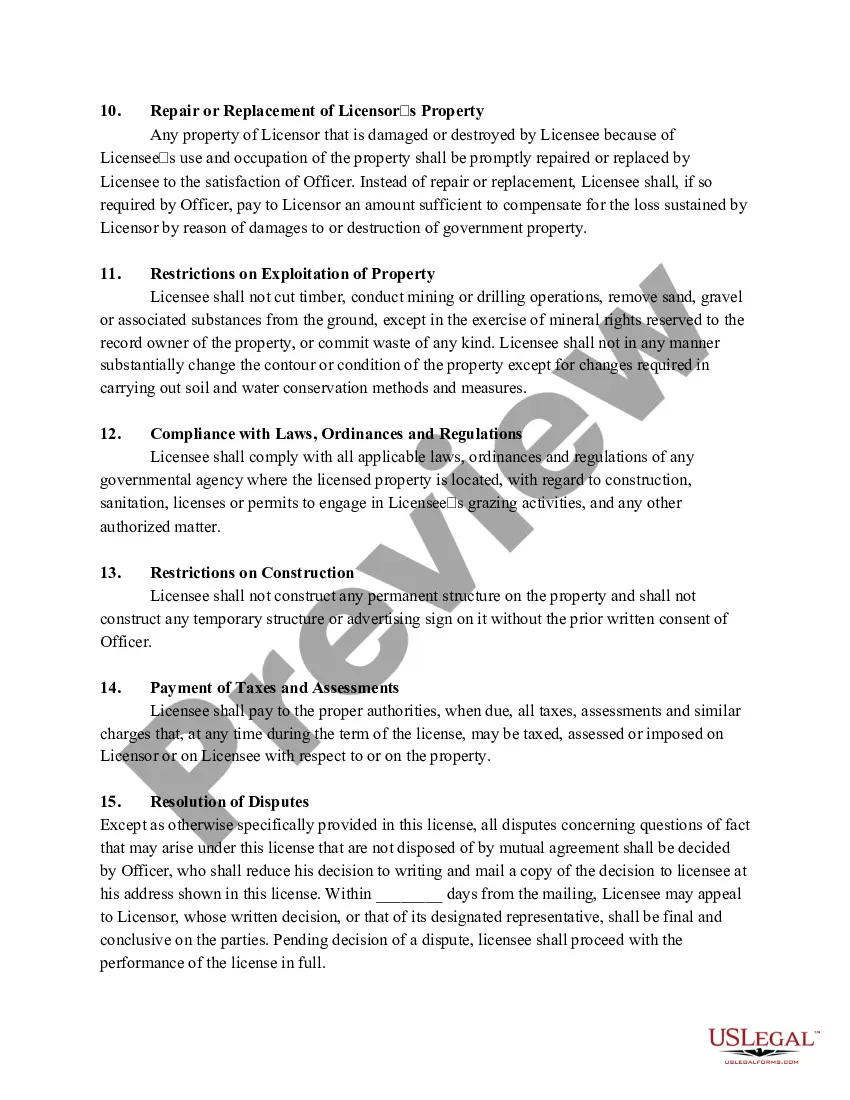
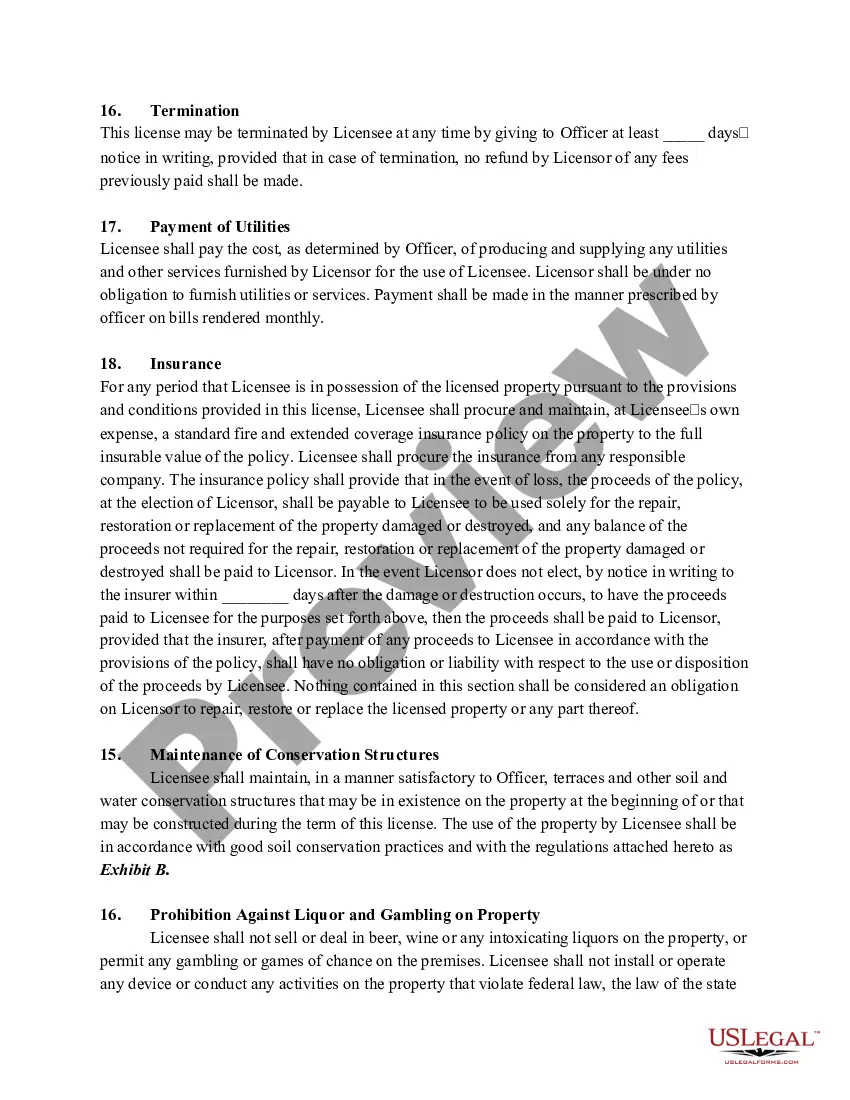
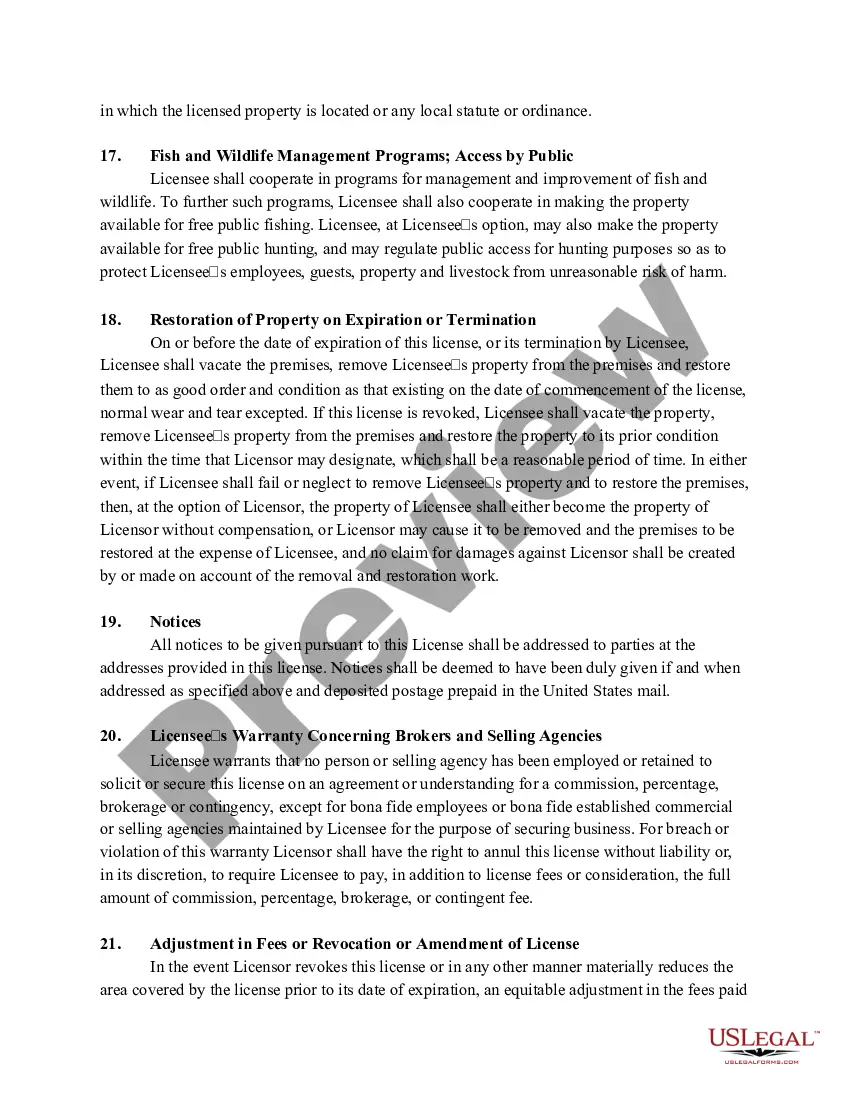
Get your form ready online
Our built-in tools help you complete, sign, share, and store your documents in one place.
Make edits, fill in missing information, and update formatting in US Legal Forms—just like you would in MS Word.
Download a copy, print it, send it by email, or mail it via USPS—whatever works best for your next step.
Sign and collect signatures with our SignNow integration. Send to multiple recipients, set reminders, and more. Go Premium to unlock E-Sign.
If this form requires notarization, complete it online through a secure video call—no need to meet a notary in person or wait for an appointment.
We protect your documents and personal data by following strict security and privacy standards.

Make edits, fill in missing information, and update formatting in US Legal Forms—just like you would in MS Word.

Download a copy, print it, send it by email, or mail it via USPS—whatever works best for your next step.

Sign and collect signatures with our SignNow integration. Send to multiple recipients, set reminders, and more. Go Premium to unlock E-Sign.

If this form requires notarization, complete it online through a secure video call—no need to meet a notary in person or wait for an appointment.

We protect your documents and personal data by following strict security and privacy standards.
Looking for another form?



Form popularity
FAQ
No lease or grant of any town or city lot, which reserves any rent or service of any kind, and which provides for a leasing or granting period in excess of 99 years, shall be valid.
(3) “Tenancy” means the lawful occupation of residential real property and includes a lease or sublease. (l) This section shall not apply to a homeowner of a mobilehome, as defined in Section 798.9.
A California standard residential lease agreement is a fixed-term contract between a landlord and a tenant regarding a rental property. It typically covers matters such as maintenance, health hazards, and monthly rent.
Verbal and Written Agreements California's Statute of Frauds requires a lease to be in writing if it either: 1. has a term longer than one year; or 2. has a term less than one year which expires more than one year after the agreement is reached.
When Breaking a Lease is Justified in California. State law (Cal. Civ. Code § 1946.7) provides early termination rights for tenants who are victims of domestic or sexual violence, stalking, or elder abuse, provided that specified conditions are met (such as the tenant securing a temporary restraining order).
For tenants starting their lease on or after April 1, 2025, positive rental payment reporting will be done at the beginning of the tenancy and at least once a year afterward. For residents whose lease goes past January 2025, this offer will be extended no later than April 2025, and at least once a year afterward.
The standard lease agreement in California, whether for residential or commercial property, is a legal contract between the property owner and the prospective tenant. It outlines the terms under which the tenant can occupy and use the rental property.
A California month-to-month lease agreement is a short-term rental contract that renews on a monthly basis. For tenancies lasting longer than one year, the California Tenant Protection Act restricts the conditions under which landlords may cancel a month-to-month lease.
California's Statute of Frauds requires a lease to be in writing if it either: 1. has a term longer than one year; or 2. has a term less than one year which expires more than one year after the agreement is reached. actually be maintained for thirteen months.
Waiver of Landlord's Liability This means that any lease that contains a provision that exempts the landlord's liability for negligence is legally void and unenforceable because it is "contrary to public policy."
