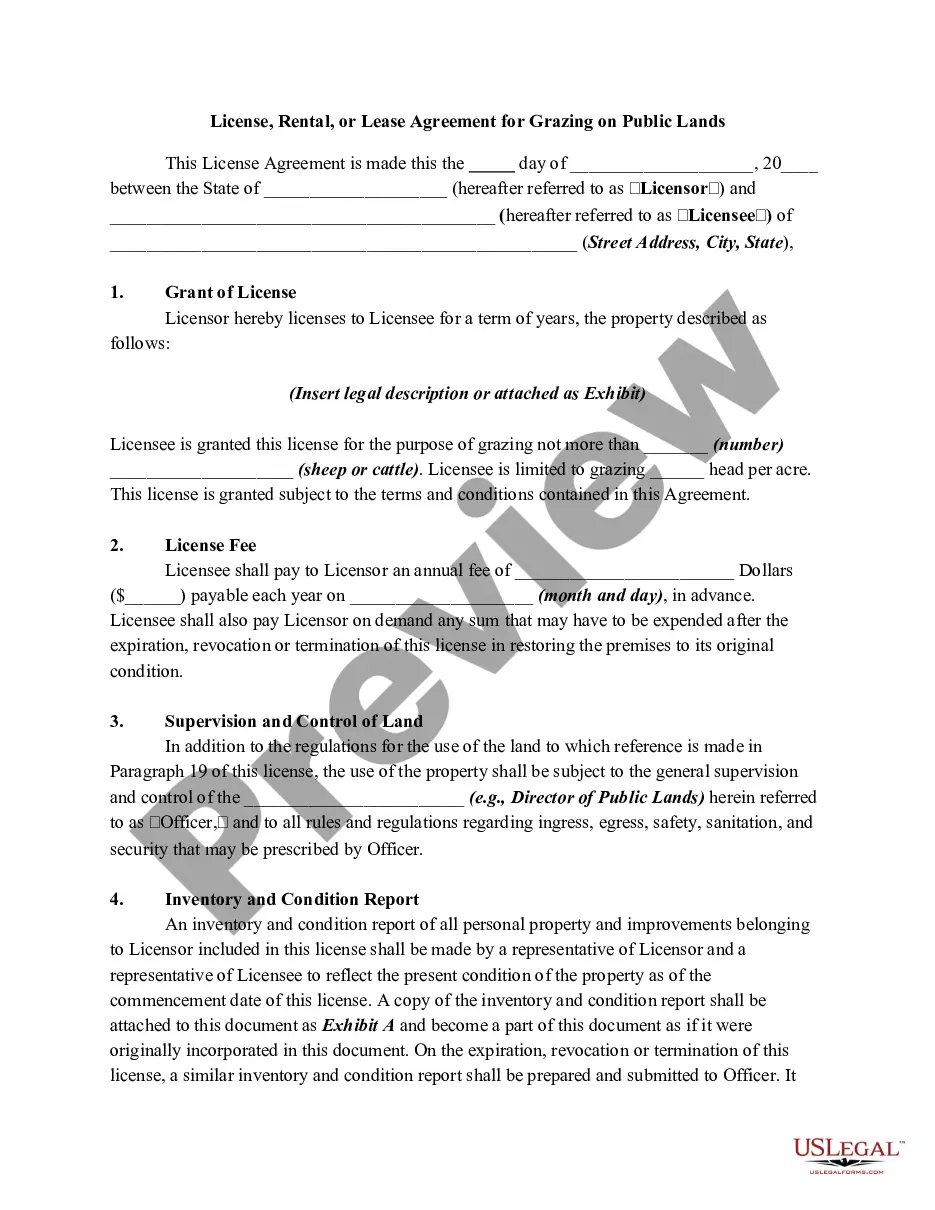
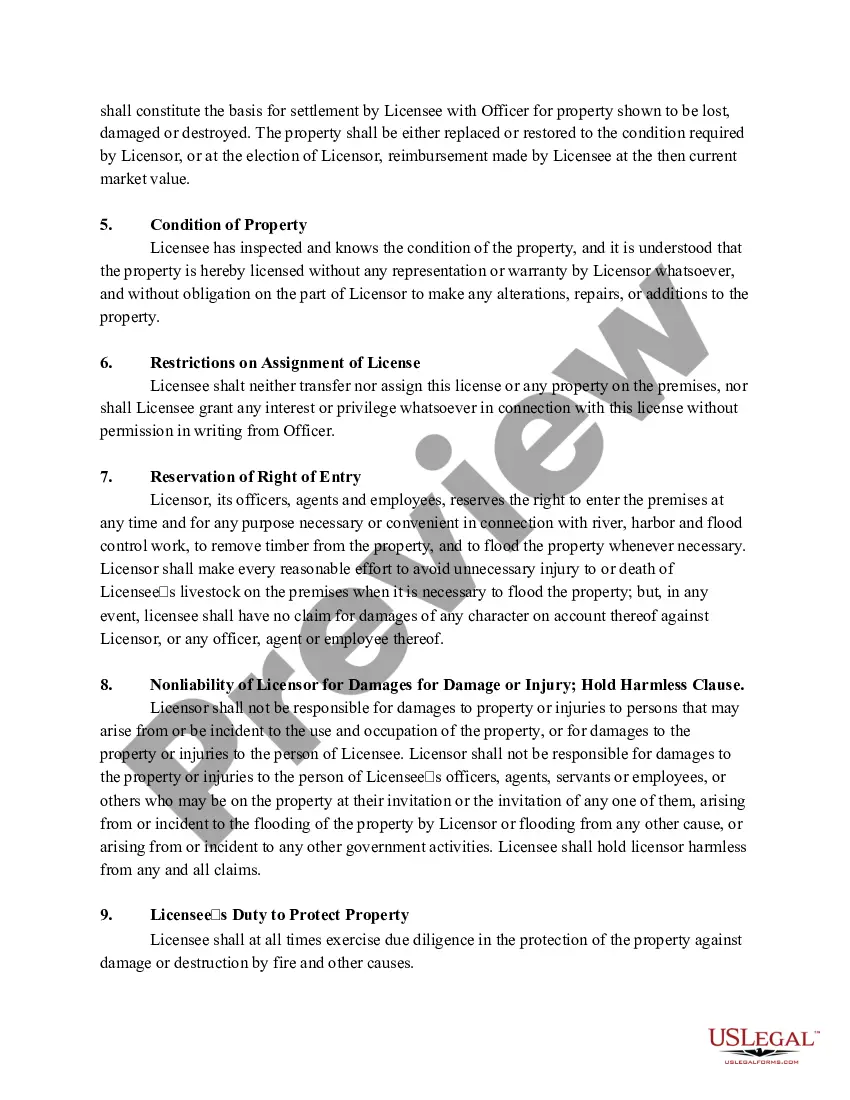
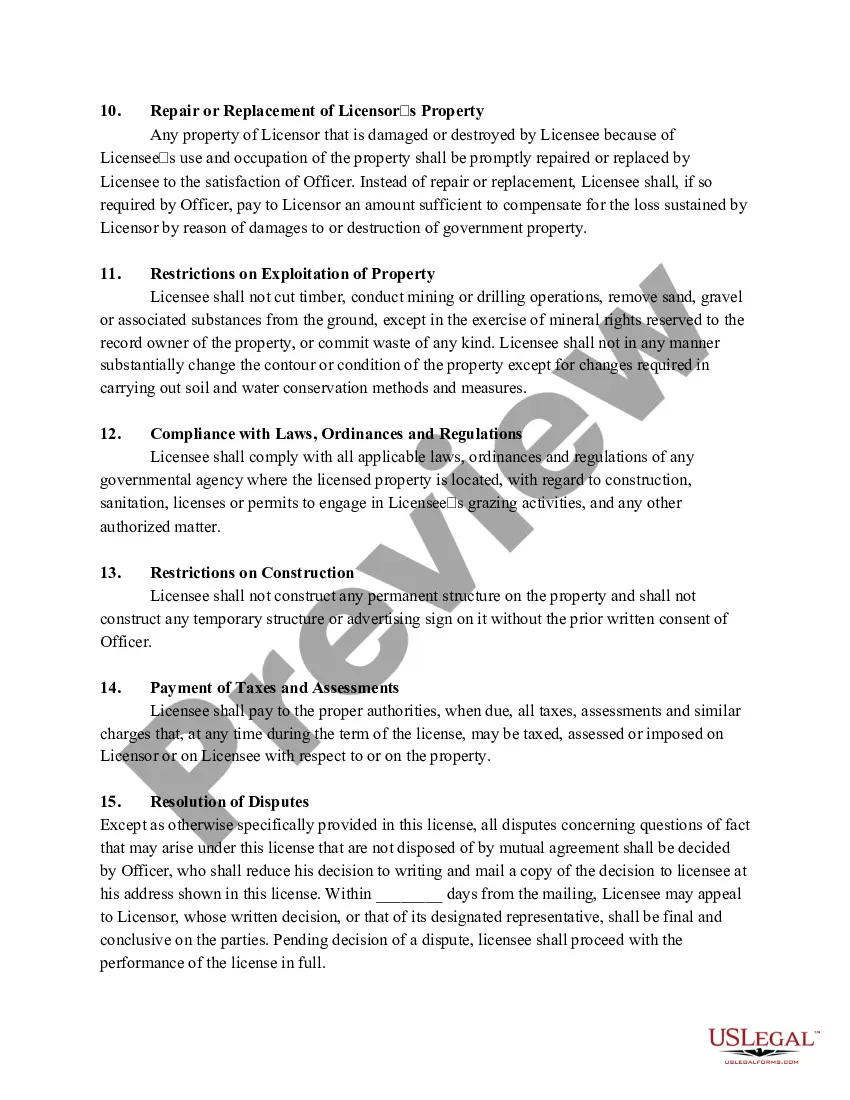
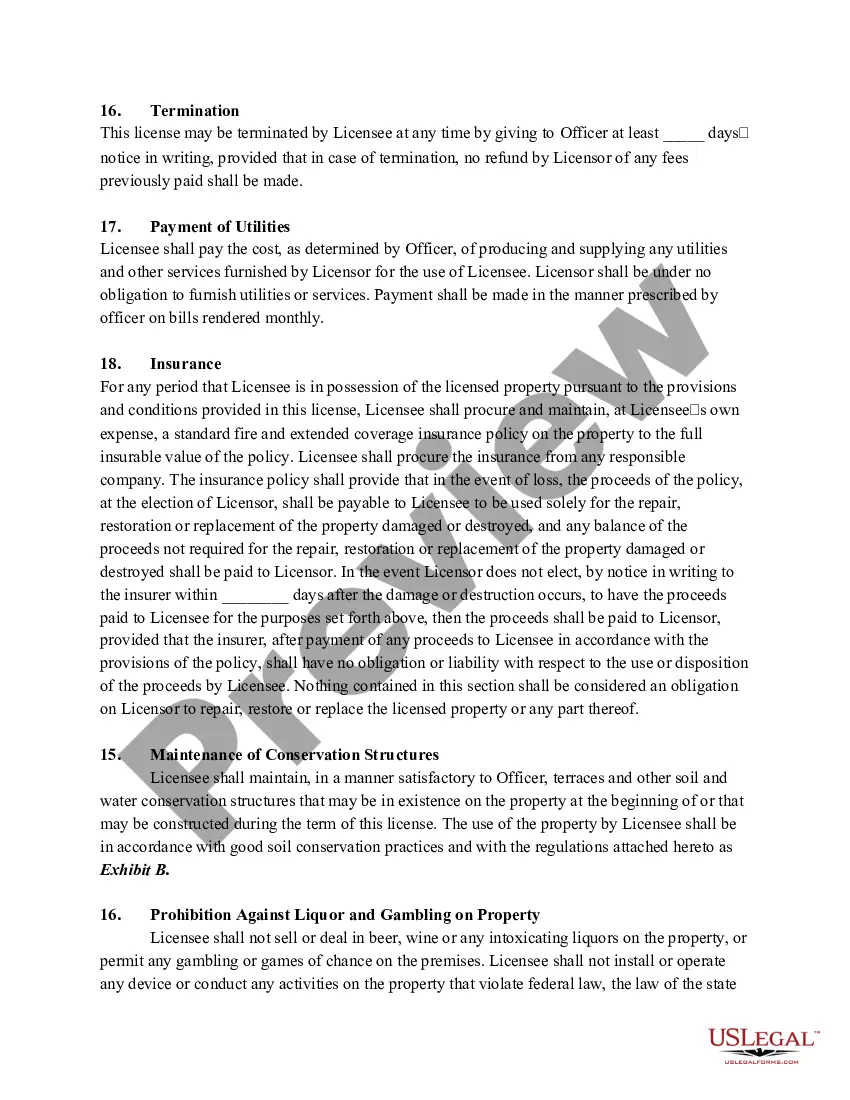
License Lease Agreement In Middlesex
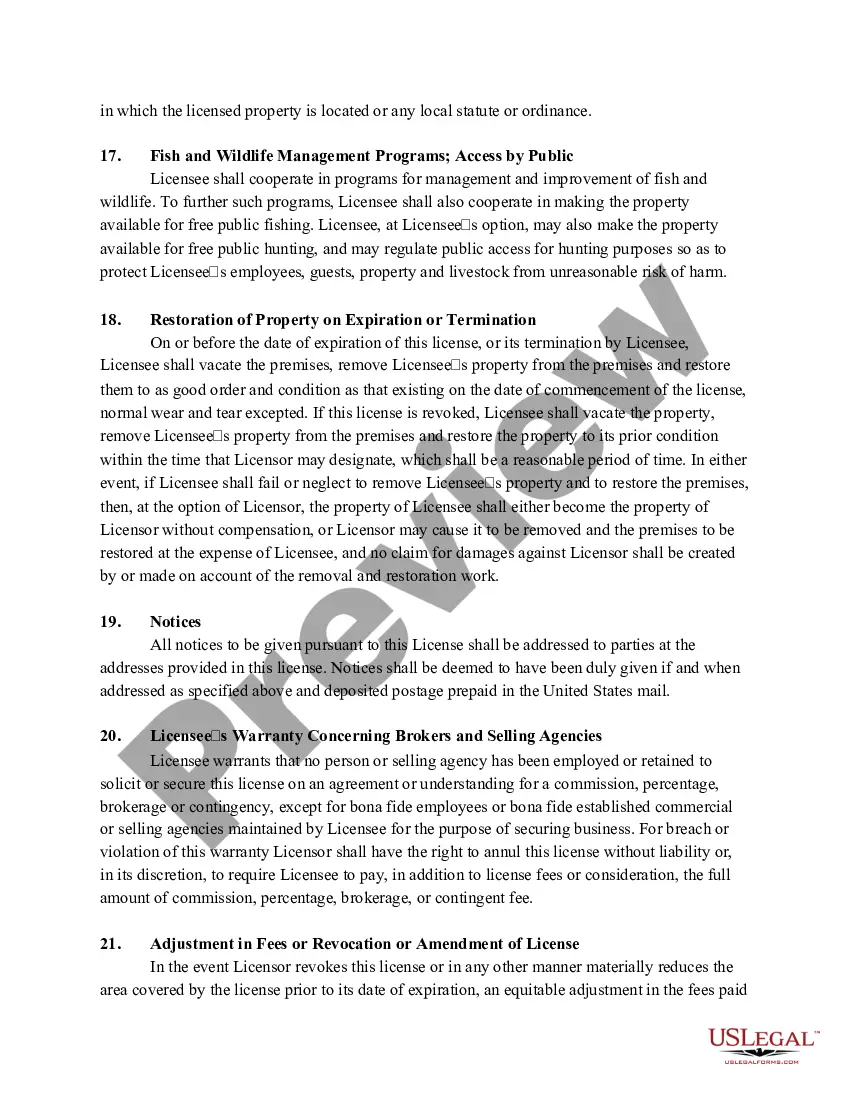
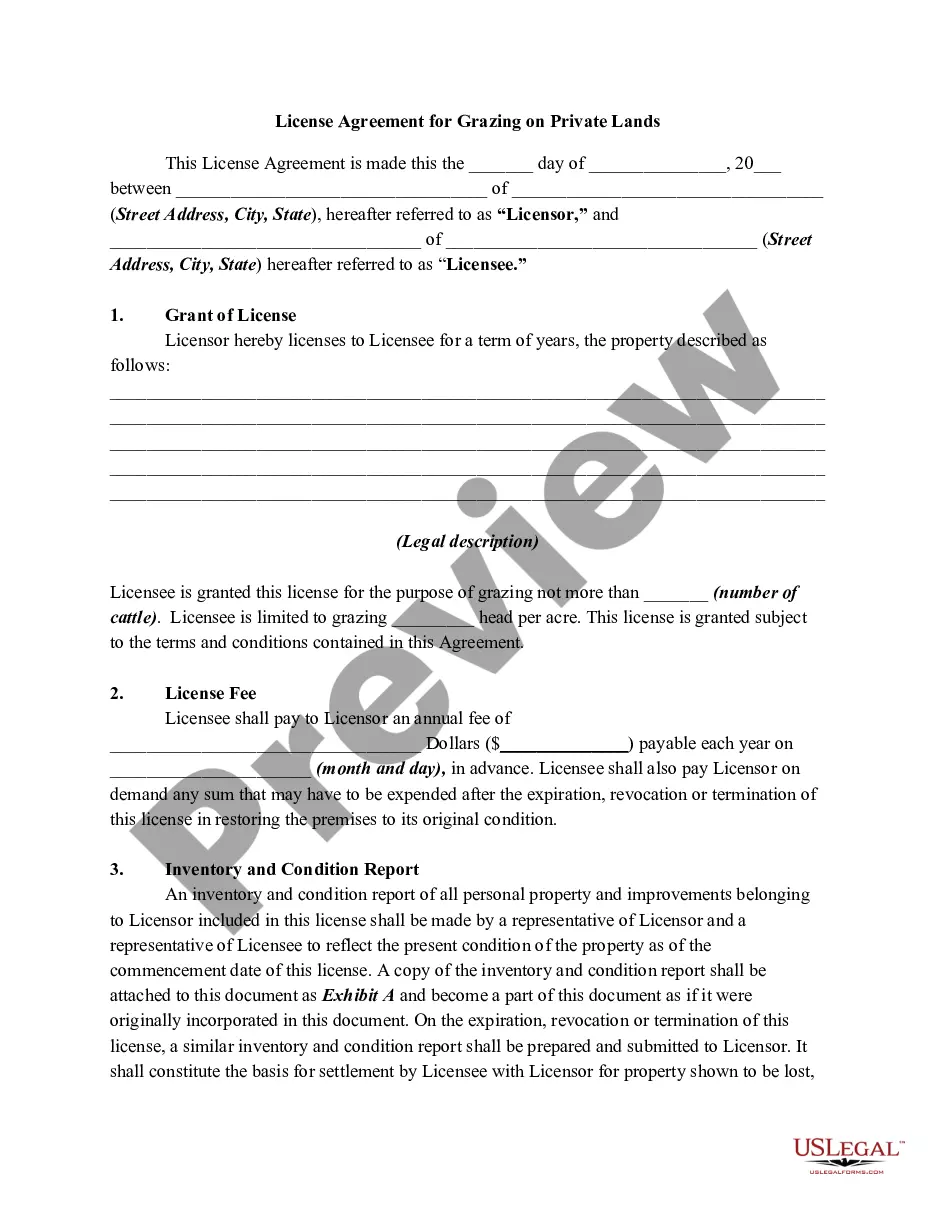
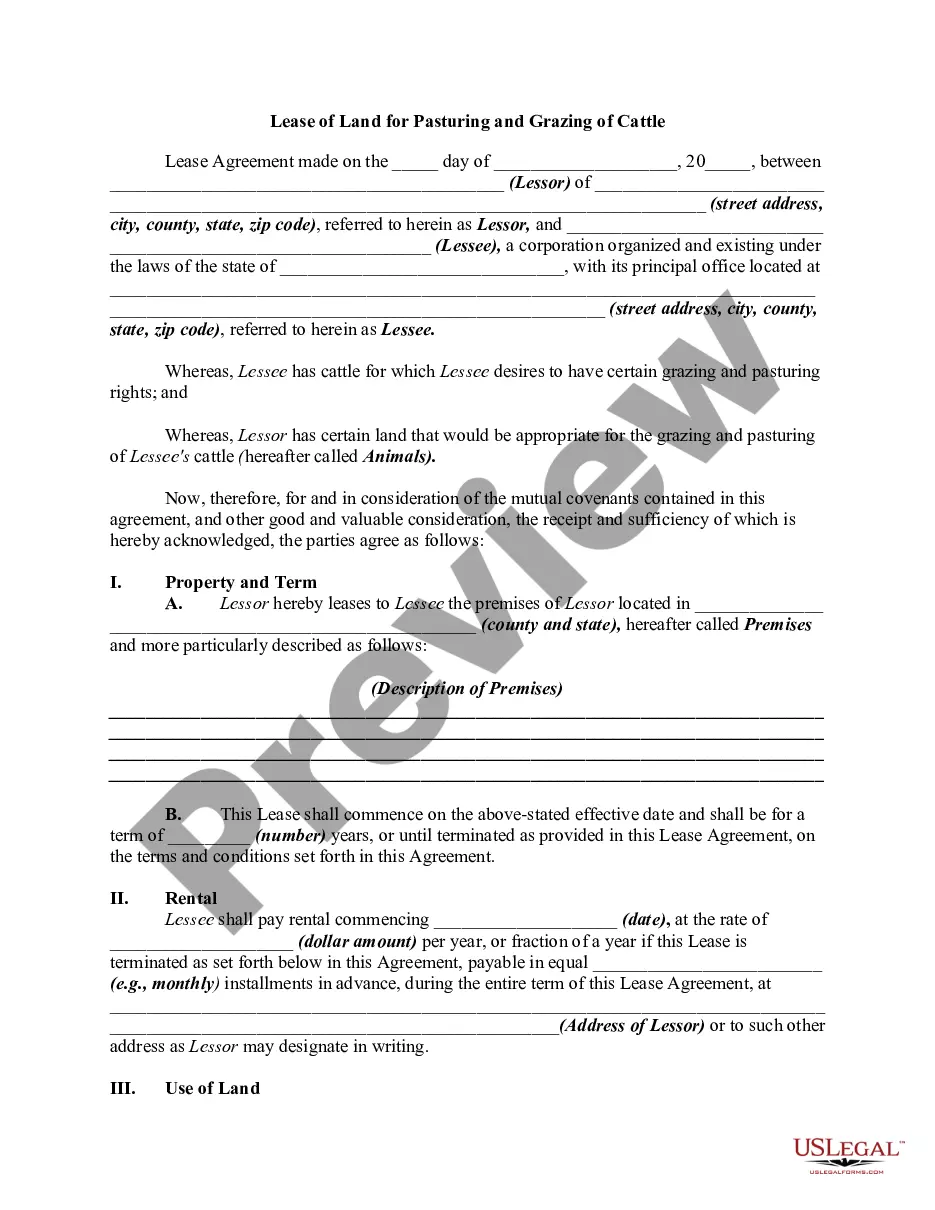
Description
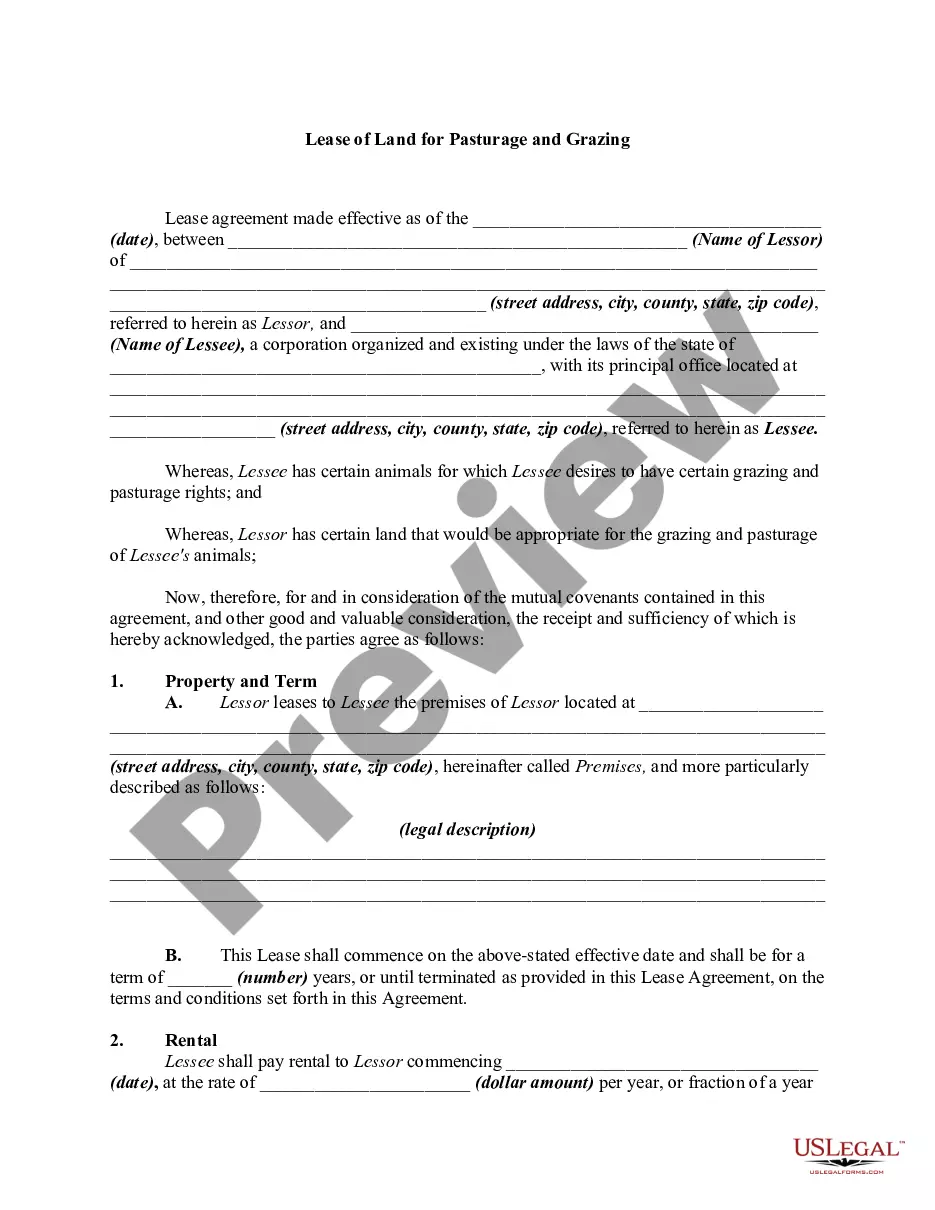
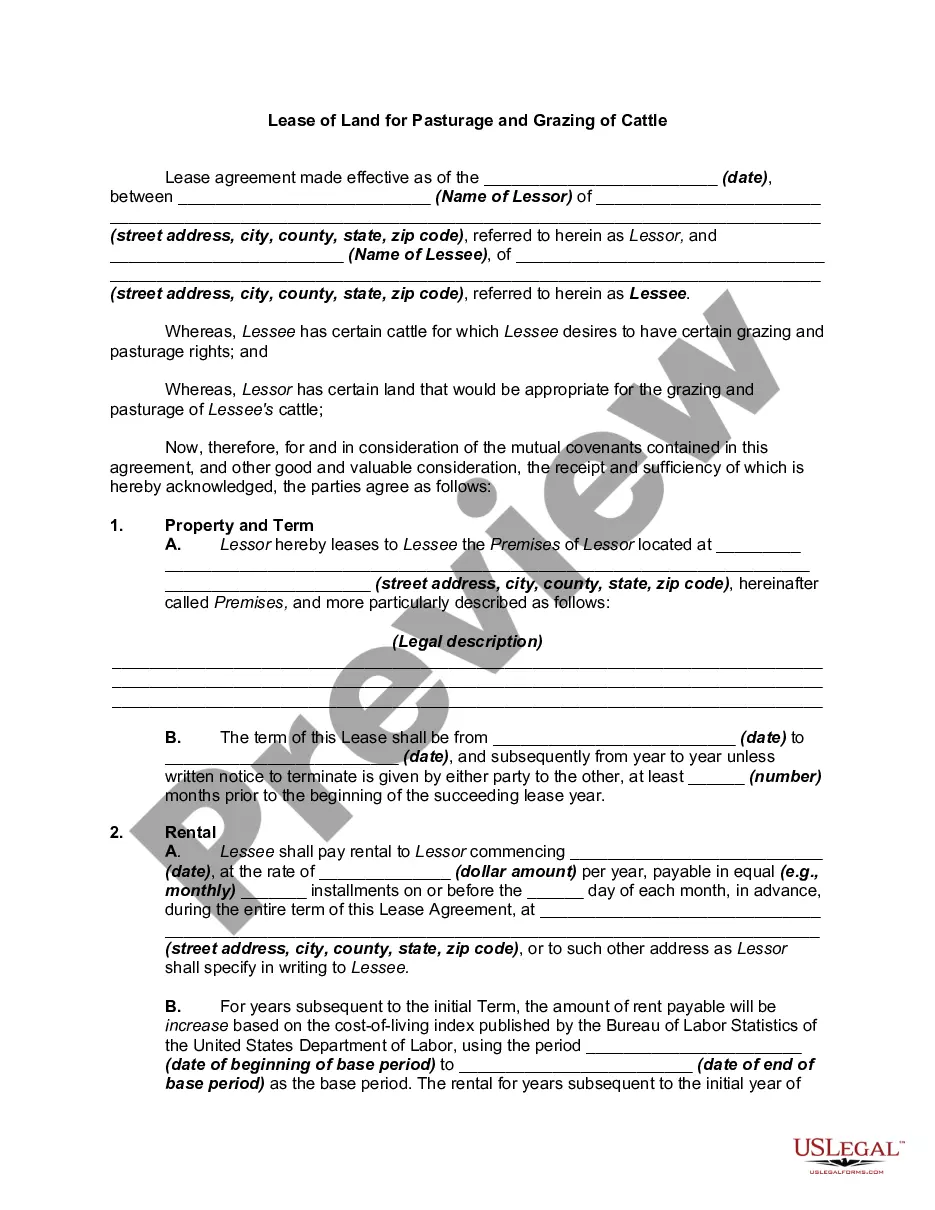
Get your form ready online
Our built-in tools help you complete, sign, share, and store your documents in one place.
Make edits, fill in missing information, and update formatting in US Legal Forms—just like you would in MS Word.
Download a copy, print it, send it by email, or mail it via USPS—whatever works best for your next step.
Sign and collect signatures with our SignNow integration. Send to multiple recipients, set reminders, and more. Go Premium to unlock E-Sign.
If this form requires notarization, complete it online through a secure video call—no need to meet a notary in person or wait for an appointment.
We protect your documents and personal data by following strict security and privacy standards.

Make edits, fill in missing information, and update formatting in US Legal Forms—just like you would in MS Word.

Download a copy, print it, send it by email, or mail it via USPS—whatever works best for your next step.

Sign and collect signatures with our SignNow integration. Send to multiple recipients, set reminders, and more. Go Premium to unlock E-Sign.

If this form requires notarization, complete it online through a secure video call—no need to meet a notary in person or wait for an appointment.

We protect your documents and personal data by following strict security and privacy standards.
Looking for another form?








Form popularity
FAQ
Tenant rights grant them the ability to seek housing without any kind of discrimination from their landlord, as well as to ensure habitable housing conditions. New Jersey landlord-tenant law also allows tenants to request property repairs on time.
A licence does not grant exclusive possession. A licensee does not exercise the same level of rights as a tenant would under a lease. This difference is generally seen to be the defining and most marked difference between leases and licences.
A license connotes the use or occupancy of the grantor's premises. But a lease grants exclusive possession of designated space to a tenant, subject to rights specifically reserved by the lessor. A license is cancellable at will and without cause.
Here are the lease notice requirements for New Jersey leases: Weekly Leases - Seven days of notice. Monthly Leases - 30 days of notice. Yearly Leases - Three months of notice.
The tenancy agreement should include: the deposit amount and how it will be protected. when the deposit can be fully or partly withheld, for example to repair damage caused by tenants. the property address. the start and end date of the tenancy. any tenant or landlord obligations. which bills your tenants are responsible for.
A gross lease, also known as a full-service lease, is the most common type of commercial lease agreement. In this type of lease, the lessee is responsible for paying the base rent and the lessor generally handles any other building expenses, such as utilities, maintenance costs, taxes, and insurance.
The provisions came into force in April 2006 and apply in England and Wales. In a Selective Licensing area, all private landlords must obtain a licence; the authority can take enforcement action if they fail to do so or don't achieve acceptable management standards.
Fixed-Term or Long-Term Lease Agreement These are usually 12-15 months long (or another period of time depending on the landlord). It's common for landlords to gravitate toward a fixed-term lease as it is guaranteed stable income for a longer time compared with short-term leases.
There is currently no overarching statutory regulation of private sector letting or managing agents in England. You do not need a qualification to to work as a letting agent and anyone can set up a lettings agency without any prior experience.
The key certificates you need are: Electrical Installation Condition Report (EICR) Gas Safety Record (GSR) Energy Performance Certificate (EPC) with a rating of E or above. HETAS Certificate, if the property has a wood-burning stove or working fireplace that will be in use during the tenancy.
