License For Lease In Michigan
Description

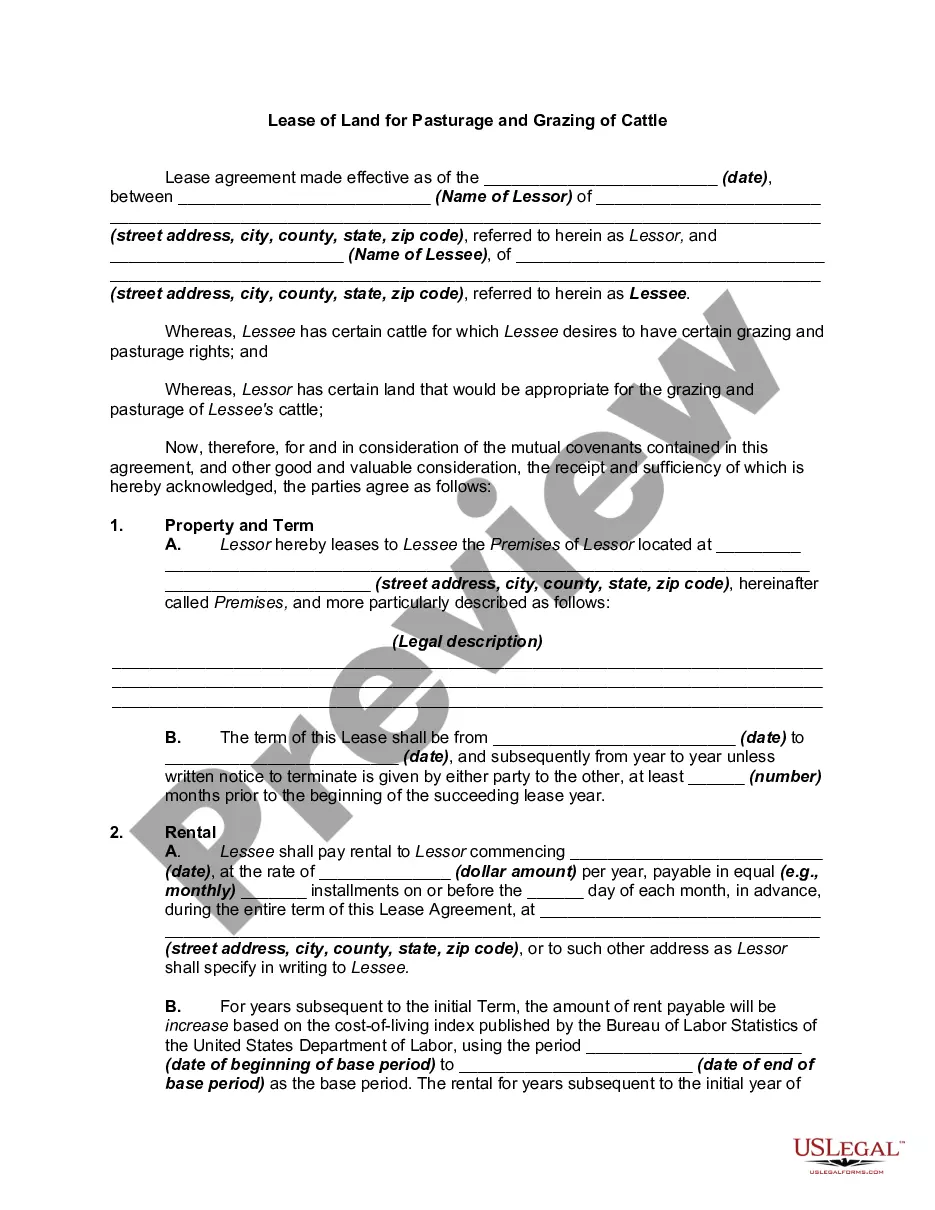
Get your form ready online
Our built-in tools help you complete, sign, share, and store your documents in one place.
Make edits, fill in missing information, and update formatting in US Legal Forms—just like you would in MS Word.
Download a copy, print it, send it by email, or mail it via USPS—whatever works best for your next step.
Sign and collect signatures with our SignNow integration. Send to multiple recipients, set reminders, and more. Go Premium to unlock E-Sign.
If this form requires notarization, complete it online through a secure video call—no need to meet a notary in person or wait for an appointment.
We protect your documents and personal data by following strict security and privacy standards.

Make edits, fill in missing information, and update formatting in US Legal Forms—just like you would in MS Word.

Download a copy, print it, send it by email, or mail it via USPS—whatever works best for your next step.

Sign and collect signatures with our SignNow integration. Send to multiple recipients, set reminders, and more. Go Premium to unlock E-Sign.

If this form requires notarization, complete it online through a secure video call—no need to meet a notary in person or wait for an appointment.

We protect your documents and personal data by following strict security and privacy standards.
Looking for another form?




Form popularity
FAQ
Under Senate Bills 205, 206 and 207, landlords cannot deny a renter housing based on their source of income including Section 8 housing choice vouchers, public assistance, veterans' benefits, Social Security, supplemental security income or other retirement programs.
Michigan Eviction Timeline Notice Received by TenantsAverage Timeline Issuing an Official Notice 1 – 30 days Issuance and Serving of Rule for Possession 3 days before the hearing is scheduled Court Hearing and Judgment 5-10 days Issuance of Writ of Restitution 10 days1 more row •
In Michigan, there are no statewide restrictions on how much or when a landlord can increase rent. However, landlords must provide tenants with adequate written notice before a rent increase takes effect. The specific notice period required is typically outlined in the lease agreement and can range from 30 to 90 days.
You have the right to live in a home that is in good, habitable condition. This means both your home and the premises, such as a yard, should be safe and in good repair. Your landlord must also keep any common areas in good enough shape for their normal use.
Leases don't have to be in writing. But if a lease is written, it must include the name and address where the landlord will notify the tenant of changes to the lease. The lease must tell tenants they must give the landlord a forwarding address in writing where they can be reached within four days after moving out.
A renter's bill of rights is a suite of legal mechanisms that protect renters from landlord exploitation. These laws work to affirm the rights of renters against health hazards, harassment, and displacement.
To become a property manager in Michigan, one must navigate through a series of licensing procedures that include acquiring a real estate salesperson or broker license. These licenses require different levels of experience and education, as well as passing a state exam.
(a) No person, entity or owner shall lease, rent or cause to be occupied a rental dwelling or rental unit without a valid certificate of compliance issued by the Building Department in the name of the owner or responsible local agent and issued for the specific rental dwelling and rental unit.
Under Senate Bills 205, 206 and 207, landlords cannot deny a renter housing based on their source of income including Section 8 housing choice vouchers, public assistance, veterans' benefits, Social Security, supplemental security income or other retirement programs.
The liquor license process can take anywhere from 40 days to six months — learn about the types of liquor licenses in Michigan and how to apply for them. Selling alcoholic beverages is one of the most profitable revenue streams for restaurants, bars, nightclubs, and even cafes.
