Lease Without License In Miami-Dade
Description

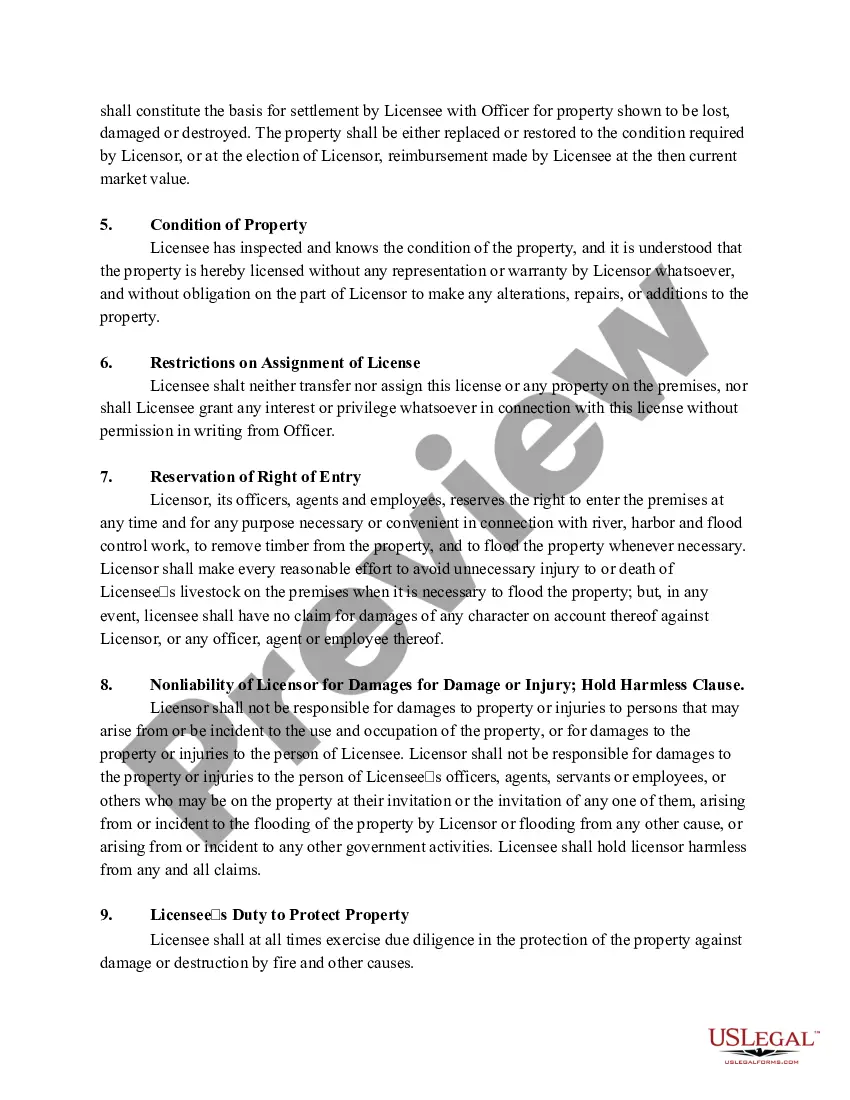
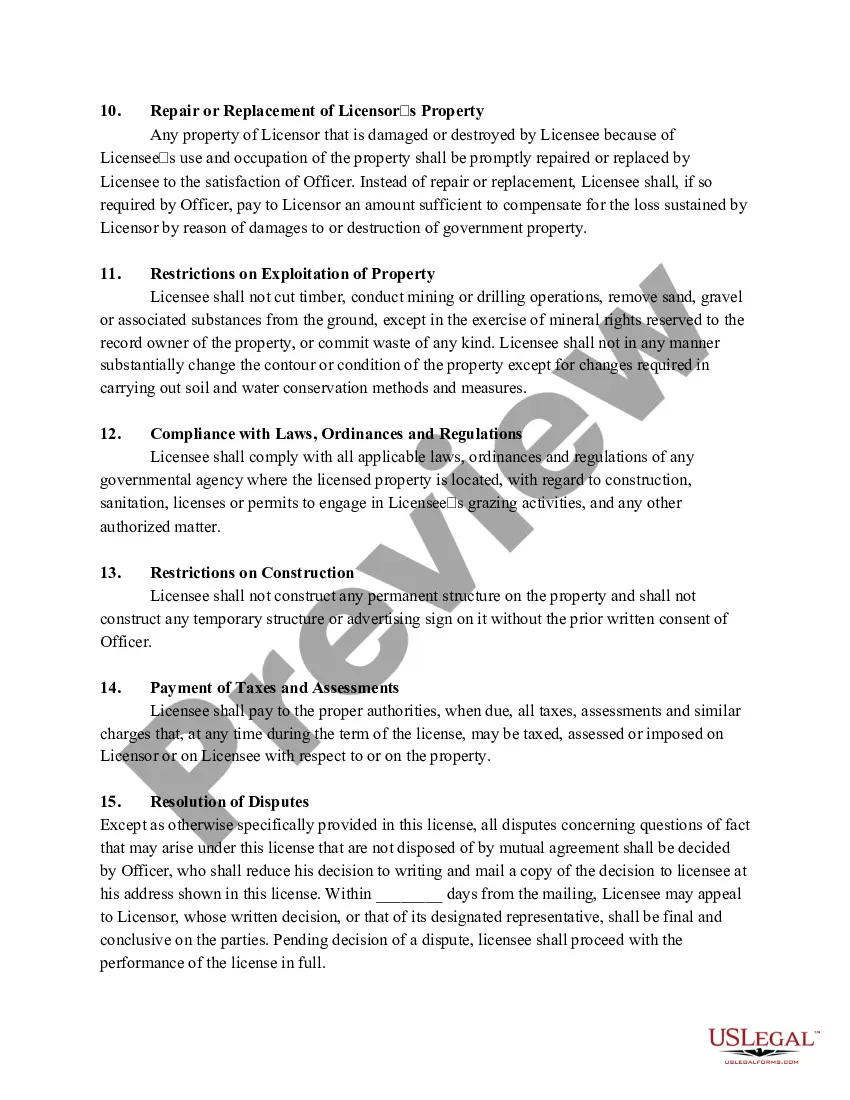
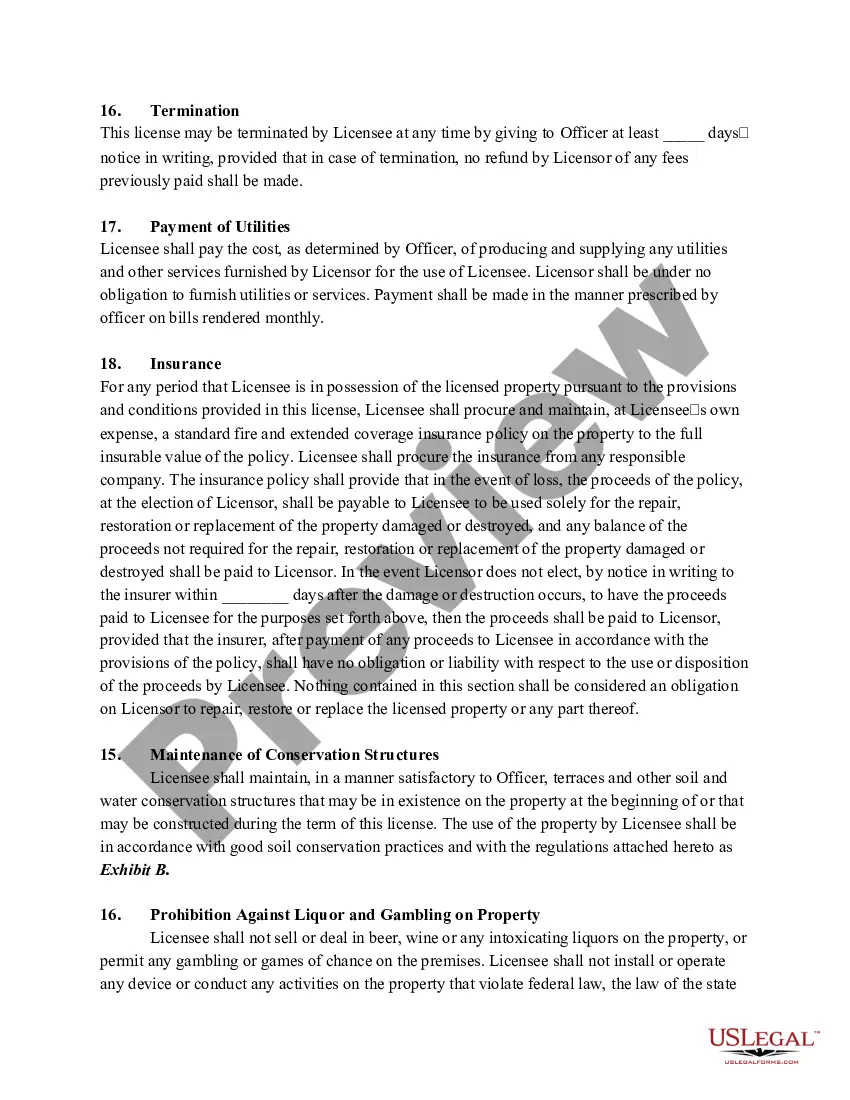
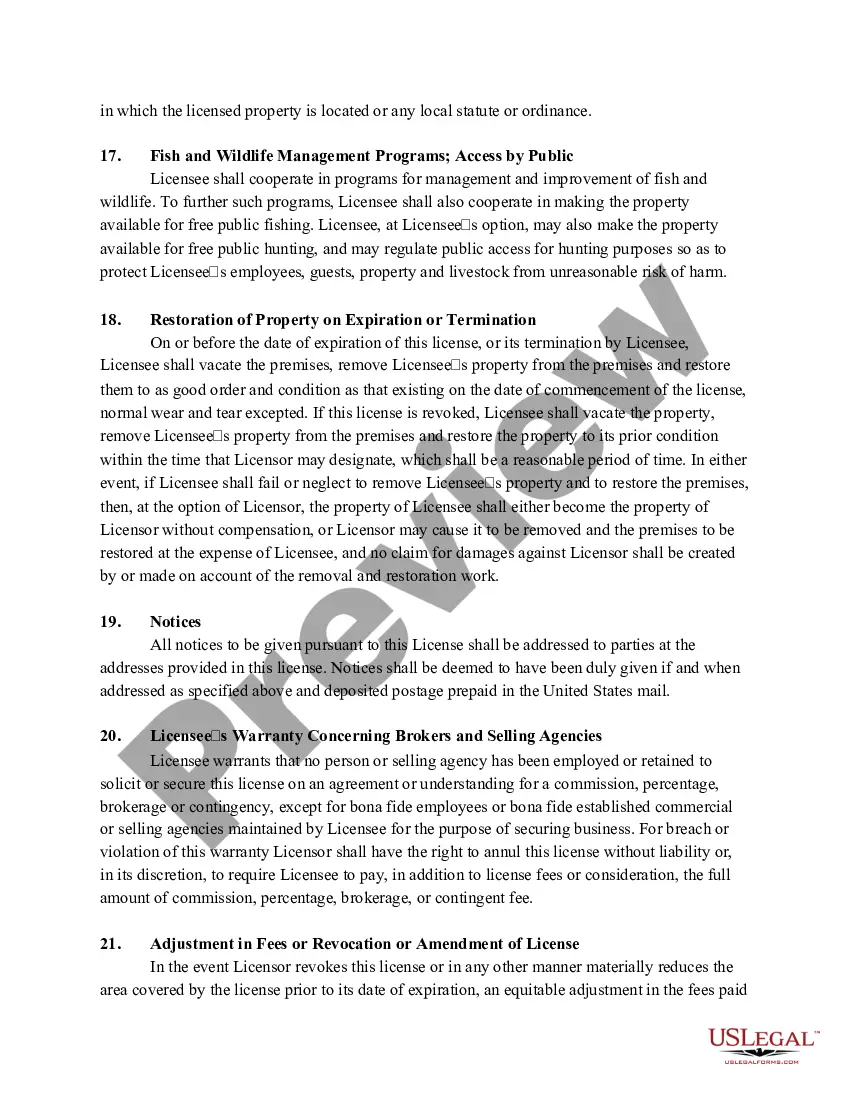
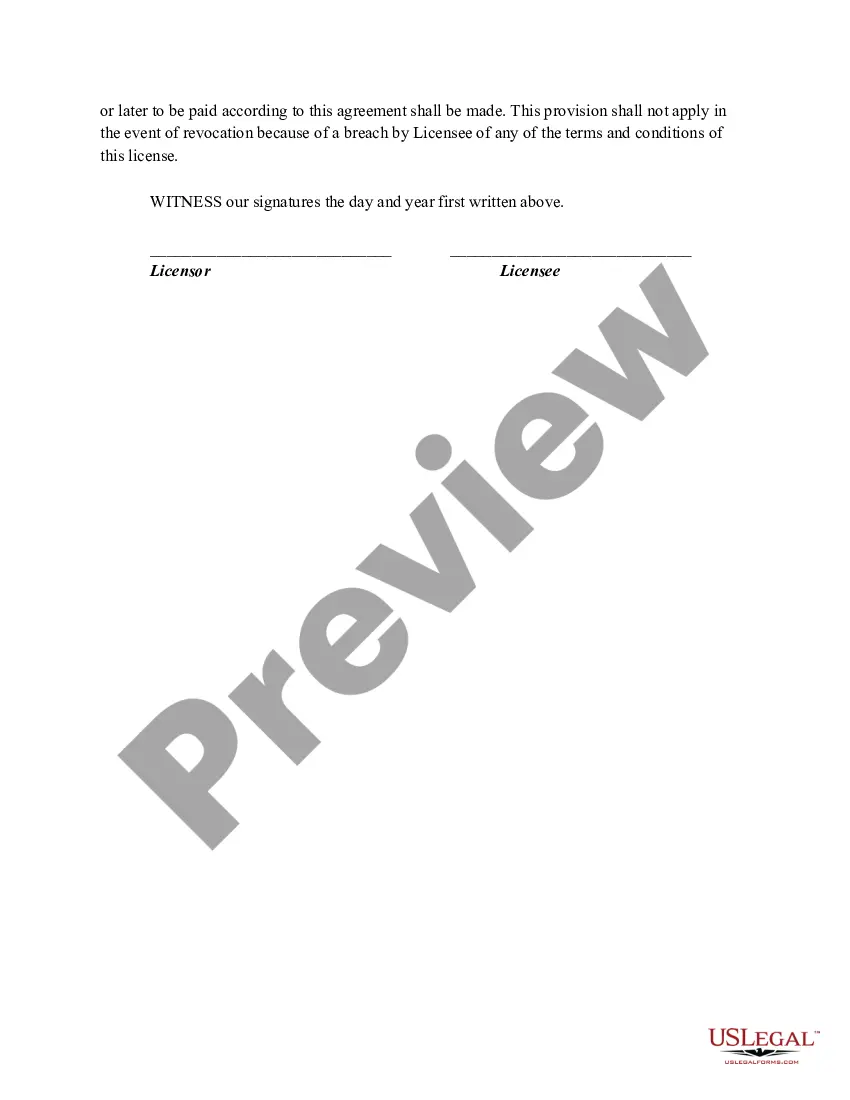
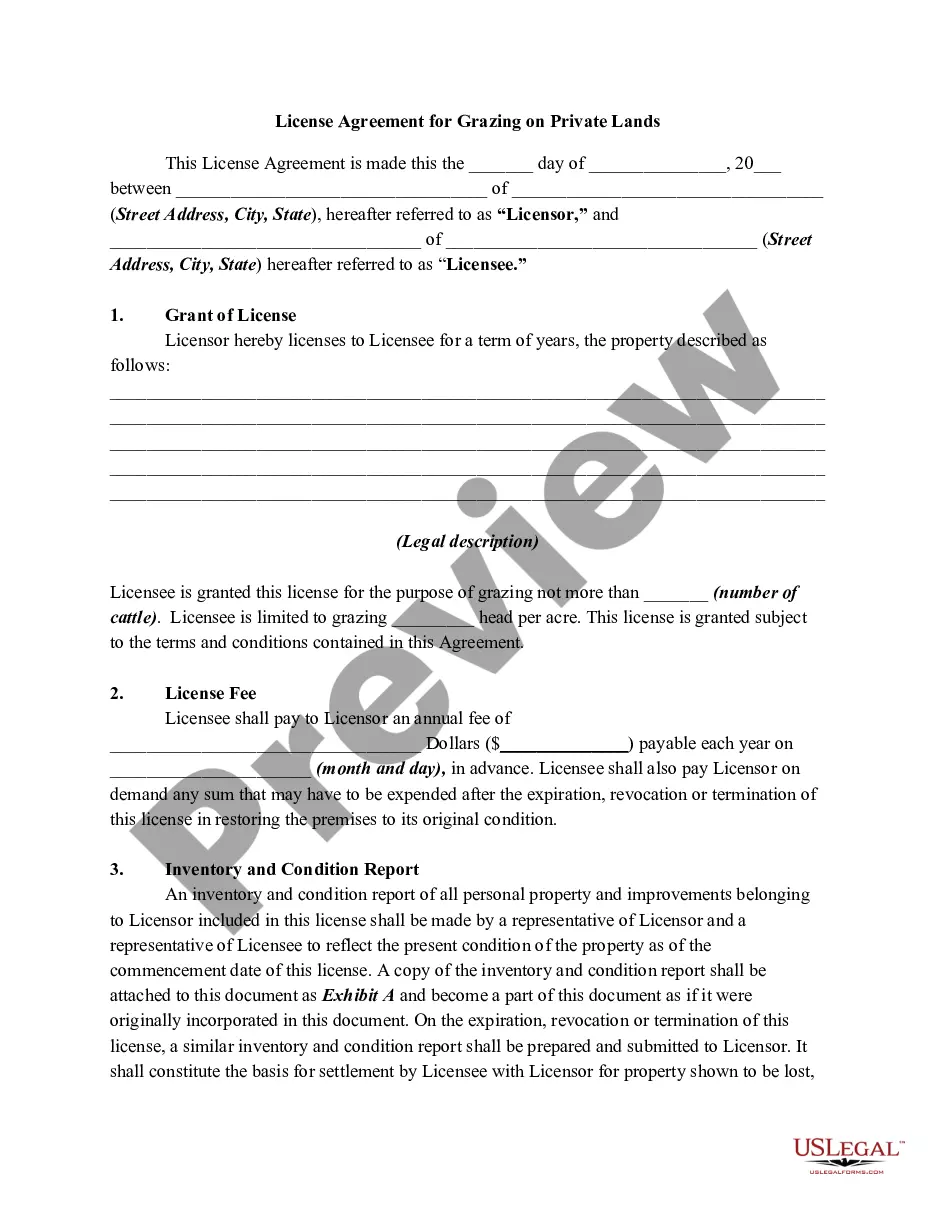
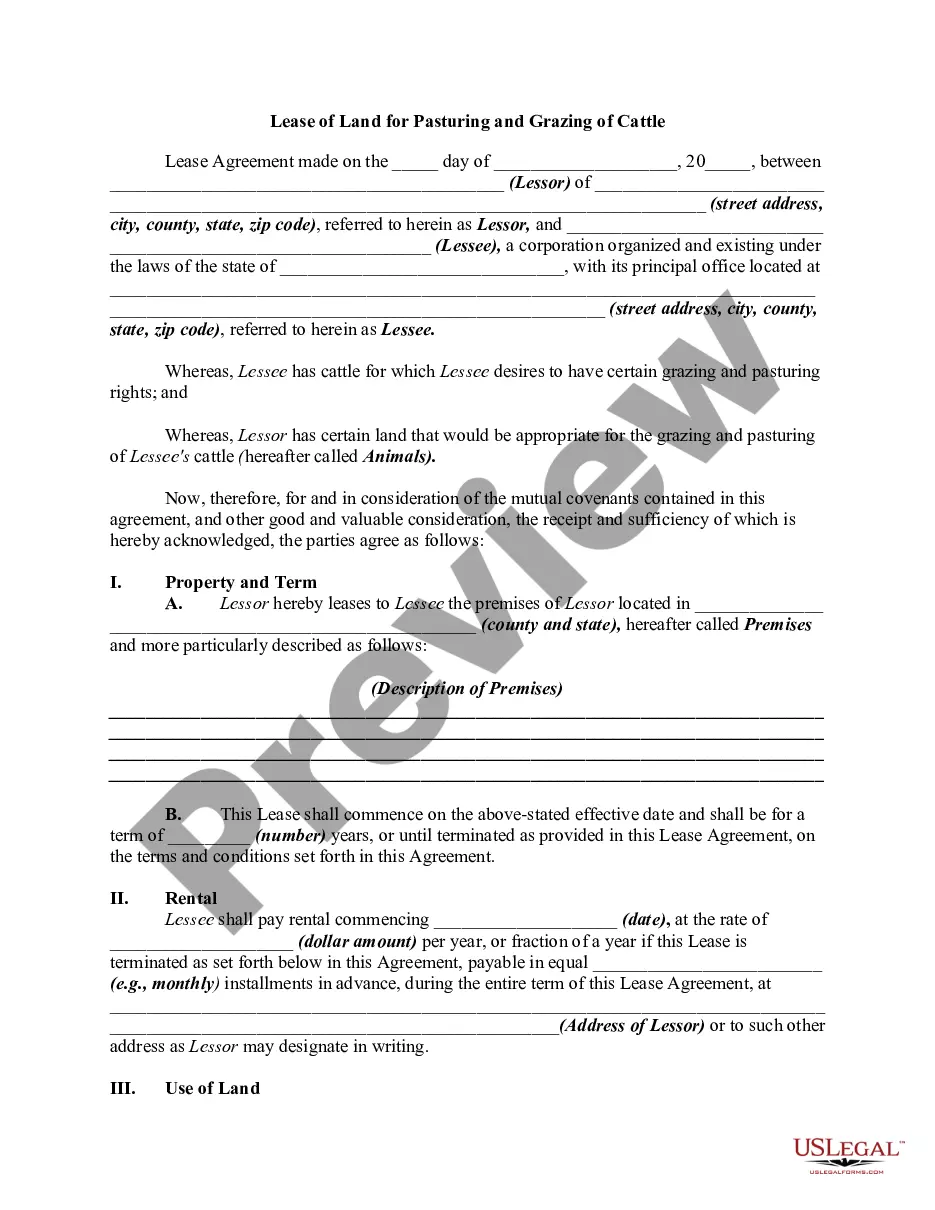
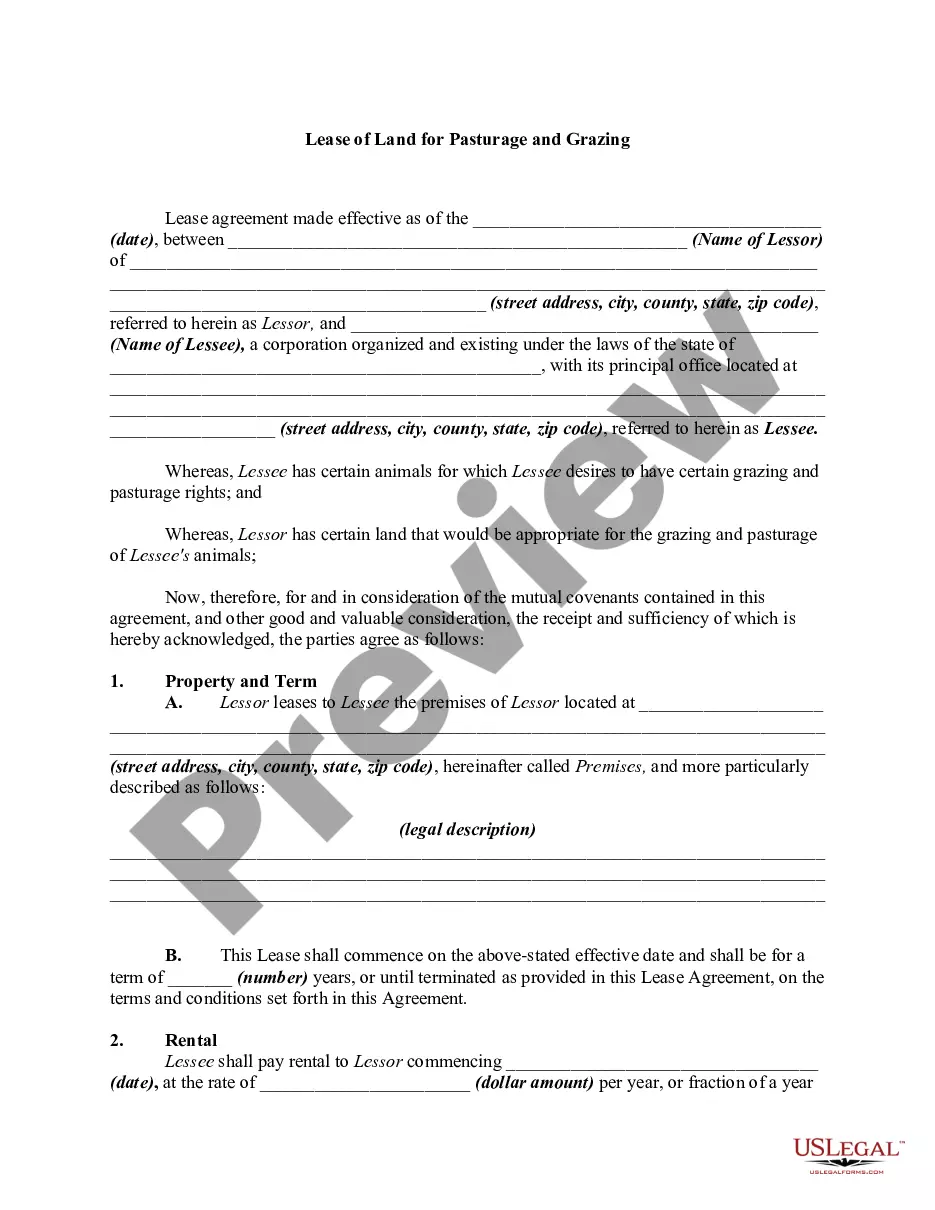
Get your form ready online
Our built-in tools help you complete, sign, share, and store your documents in one place.
Make edits, fill in missing information, and update formatting in US Legal Forms—just like you would in MS Word.
Download a copy, print it, send it by email, or mail it via USPS—whatever works best for your next step.
Sign and collect signatures with our SignNow integration. Send to multiple recipients, set reminders, and more. Go Premium to unlock E-Sign.
If this form requires notarization, complete it online through a secure video call—no need to meet a notary in person or wait for an appointment.
We protect your documents and personal data by following strict security and privacy standards.

Make edits, fill in missing information, and update formatting in US Legal Forms—just like you would in MS Word.

Download a copy, print it, send it by email, or mail it via USPS—whatever works best for your next step.

Sign and collect signatures with our SignNow integration. Send to multiple recipients, set reminders, and more. Go Premium to unlock E-Sign.

If this form requires notarization, complete it online through a secure video call—no need to meet a notary in person or wait for an appointment.

We protect your documents and personal data by following strict security and privacy standards.
Looking for another form?






Form popularity
FAQ
Local Business Tax Receipt: All businesses operating within Miami-Dade County are required to obtain a Miami-Dade County Local Business Tax Receipt (formerly known as Occupational License). If your business is located within a municipality, you will need a Business Tax Receipt from the County and the municipality.
The type of license or permit often depends on the rental property. Long-term rentals of houses may not require a state license or local permit. Florida, however, requires a license for a vacation rental or transient public lodging establishment.
22-47, also known as the "Tenant's Bill of Rights Ordinance," landlords in Miami-Dade County are required to provide all tenants with a Notice of Tenant Rights.
Tenants in Florida have specific rights to ensure fair and safe living conditions. Their main rights include the following: Habitable property: Living in a habitable property that meets local housing and health codes. Non-discriminatory housing: Seeking housing without discrimination from prospective landlords.
The Tenant Bill of Rights: makes certain practices unlawful; requires landlords to provide tenants with a notice of their rights under federal, state, and local laws and regulations; informs tenants of agencies and entities that may assist them in exercising their rights and potentially avoid wrongful eviction and ...
The lessee receives an interest in the property for that set term, and such interest is not revocable at will by the lessor (unless expressly provided for in the lease). In contrast, a license typically grants a right or privilege to conduct one or more activi- ties of a temporary nature on the licensor's property.
In Florida, property management is a regulated field and anyone who manages real estate for compensation must be licensed. This includes managing rental properties, collecting rent, advertising properties, and providing other property management services.
How Florida Residential Landlords Can Protect themselves Lease should be prepared by a South Florida Eviction Lawyer. If the lease is detailed, a Landlord will have more protection. Respond to Complaint. Serve Notices Timely. Allow Access to the Property. Comply with the Rules Regarding Security Deposits.
Long-term rentals of houses may not require a state license or local permit. Florida, however, requires a license for a vacation rental or transient public lodging establishment.
