Difference Between Lease And Rental Agreement In Maricopa
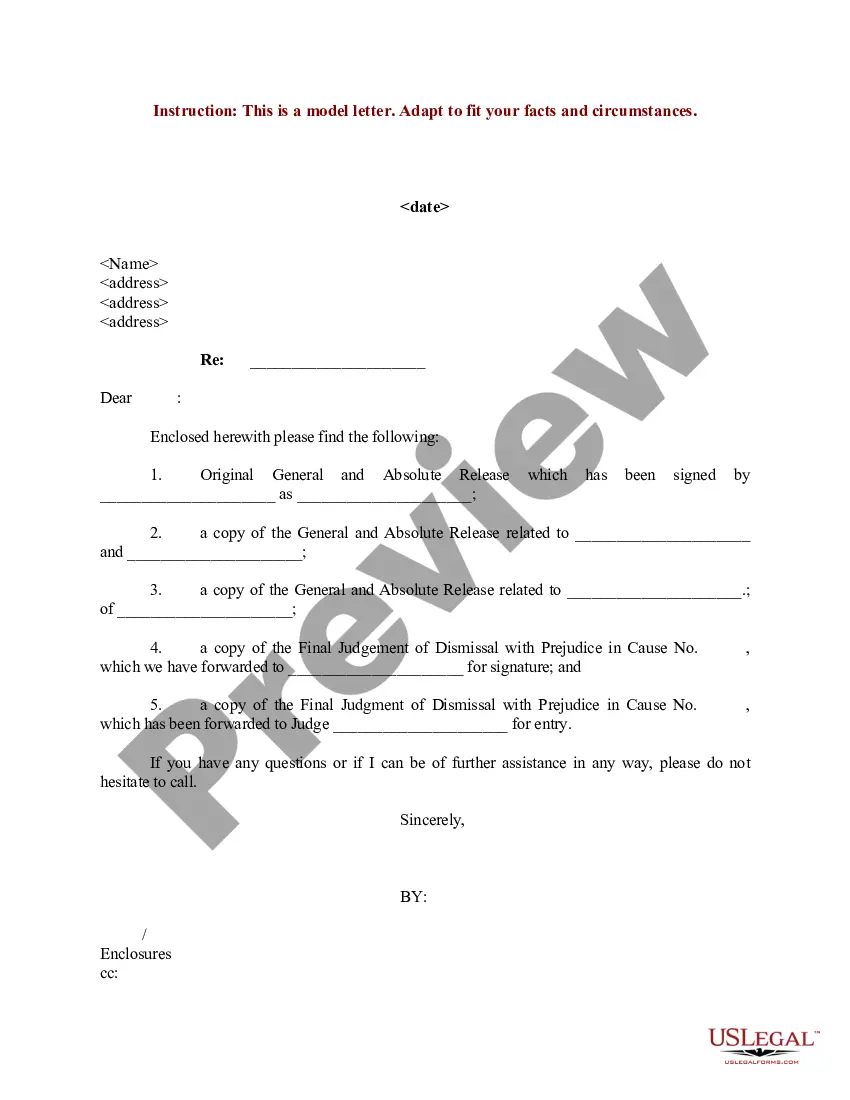
Description

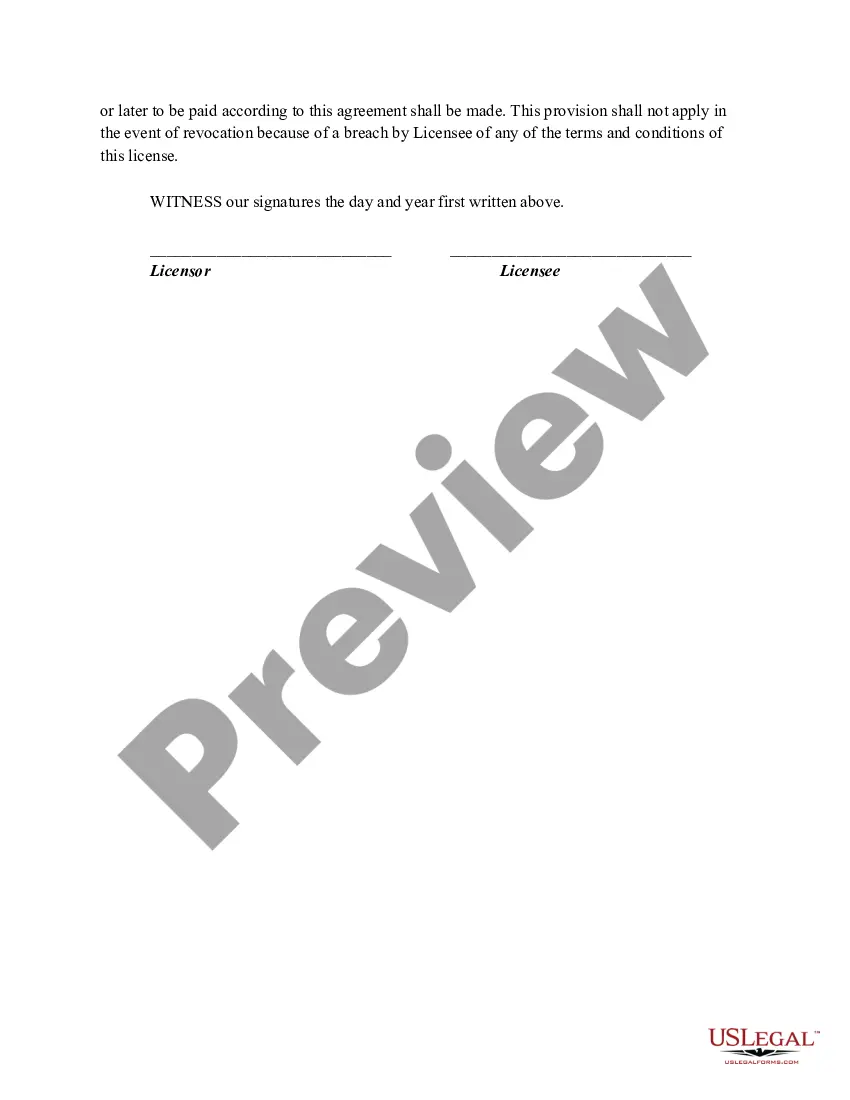
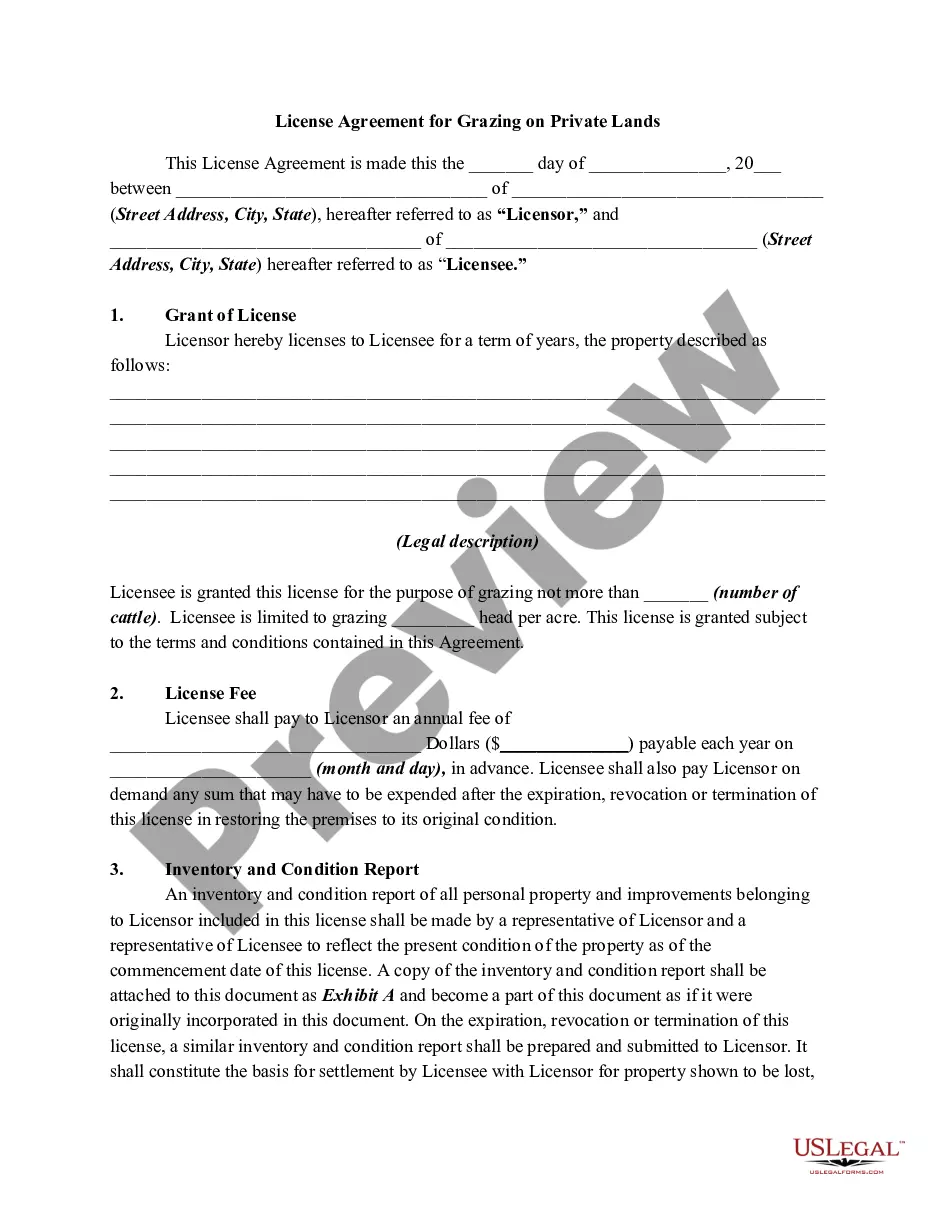
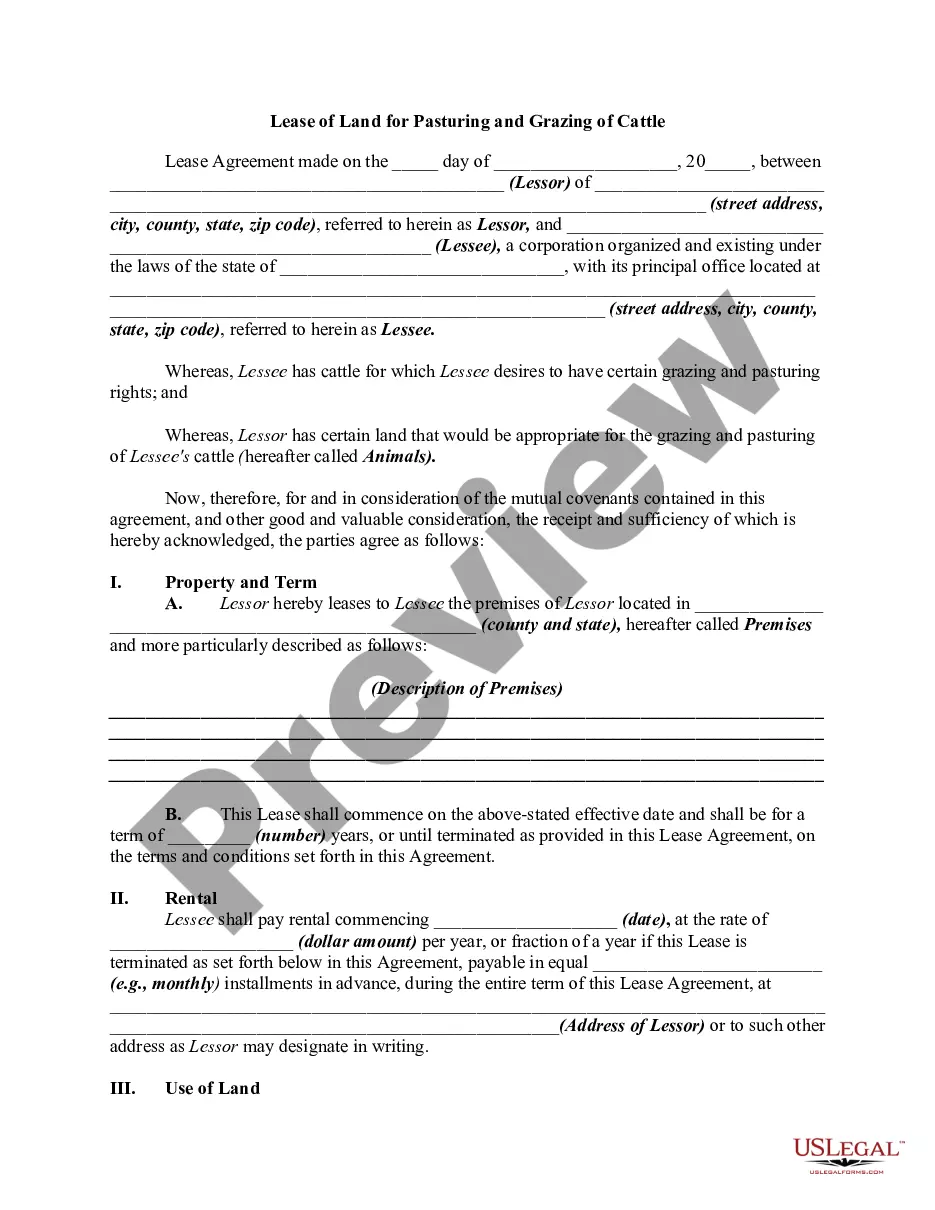
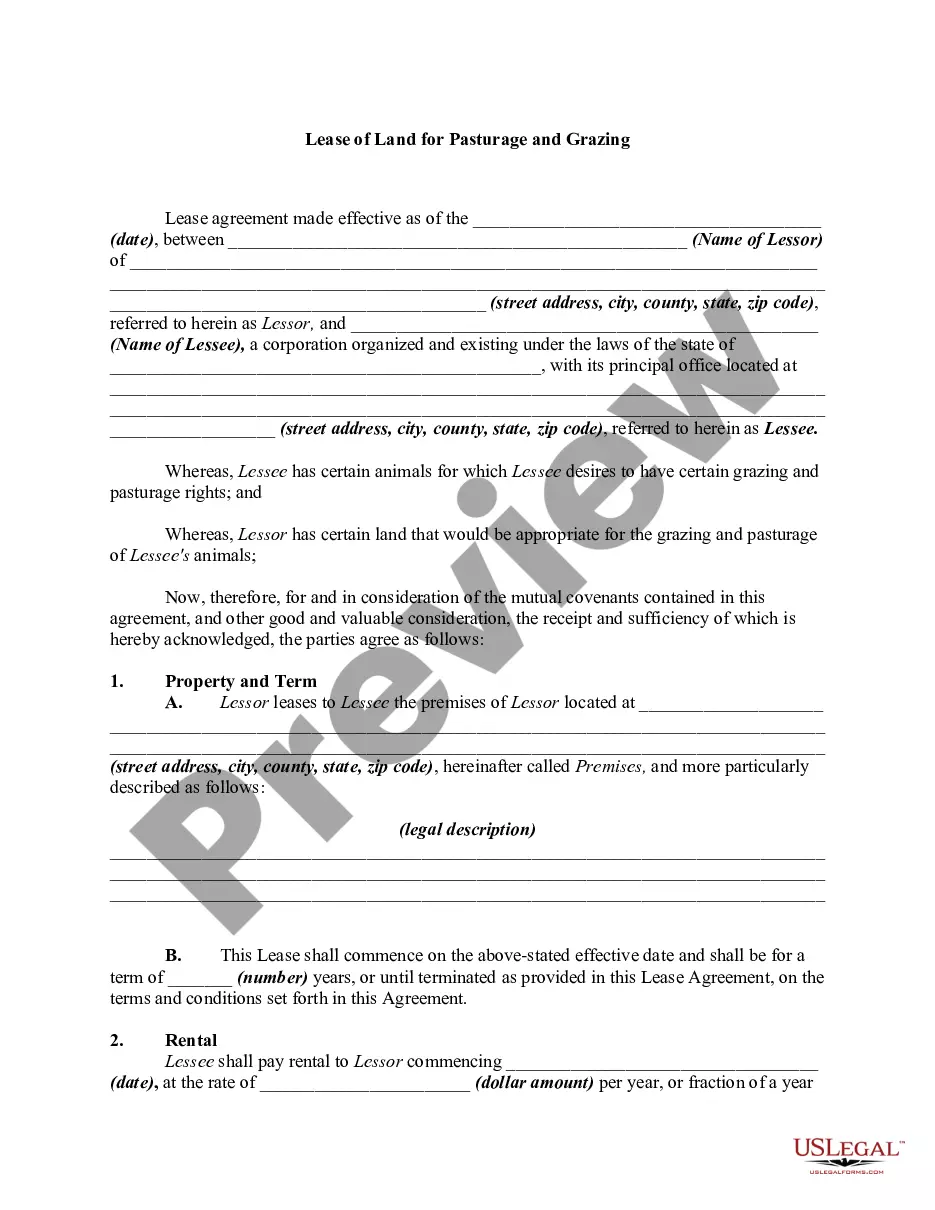
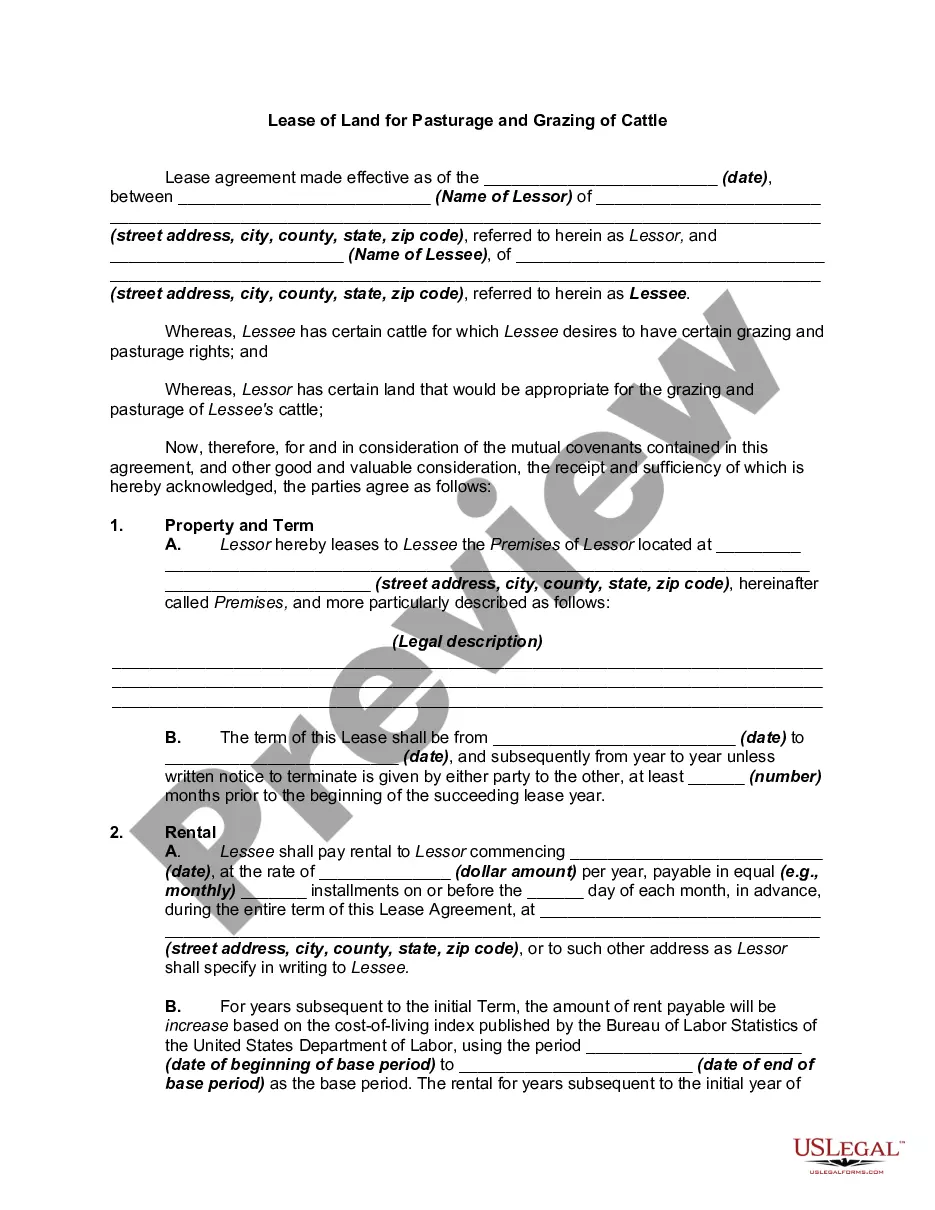
Get your form ready online
Our built-in tools help you complete, sign, share, and store your documents in one place.
Make edits, fill in missing information, and update formatting in US Legal Forms—just like you would in MS Word.
Download a copy, print it, send it by email, or mail it via USPS—whatever works best for your next step.
Sign and collect signatures with our SignNow integration. Send to multiple recipients, set reminders, and more. Go Premium to unlock E-Sign.
If this form requires notarization, complete it online through a secure video call—no need to meet a notary in person or wait for an appointment.
We protect your documents and personal data by following strict security and privacy standards.

Make edits, fill in missing information, and update formatting in US Legal Forms—just like you would in MS Word.

Download a copy, print it, send it by email, or mail it via USPS—whatever works best for your next step.

Sign and collect signatures with our SignNow integration. Send to multiple recipients, set reminders, and more. Go Premium to unlock E-Sign.

If this form requires notarization, complete it online through a secure video call—no need to meet a notary in person or wait for an appointment.

We protect your documents and personal data by following strict security and privacy standards.
Looking for another form?









Form popularity
FAQ
If no time frame is established in the rental agreement, the agreement becomes a month-to-month agreement. A.R.S. § 33-1314(D). To terminate a month-to-month rental agreement, a landlord or a tenant must give 30 days notice in writing before the next rent payment would normally be due.
There is no law regulating what kind of advance notice, if any, is required to stay on or vacate when the lease ends. On occasion a lease will state that it automatically renews unless either party gives notice otherwise. More frequently, a 30-day or 60-day notice must be provided by one party to the other.
In a rental agreement, the tenant pays a fixed monthly rent, and utilities and some services may be included. In a leasing agreement, the lessee pays a fixed monthly lease payment, and they may have additional expenses such as utilities, maintenance, and repairs.
Leasing versus renting The primary distinction between leasing and renting lies in their commitment and duration. A lease is a fixed-term agreement, providing stability and predictability but limiting flexibility. Renting offers more flexibility but lacks the long-term security of a lease.
Answer: As a general rule, the answer is yes. Under the Arizona Residential Landlord and Tenant Act, a verbal rental agreement concerning the use and occupancy of a dwelling unit is just as enforceable as a written rental agreement (or lease) is (A.R.S. 33-1310(13)).
Leasing and renting are similar and sometimes used interchangeably, but there are some subtle differences between the two, like the length of tenancy. A lease is generally a long-term agreement while a rental agreement can be on a month-to-month basis.
Some common synonyms of lease are charter, hire, let, and rent.
Effective January 1, 2025, Arizona property owners will no longer be required to collect and remit city Transaction Privilege Tax (TPT) on residential rental income for long-term stays of 30 consecutive days or more. This change stems from the amendment to A.R.S.
