Lease Without License In Kings
Description

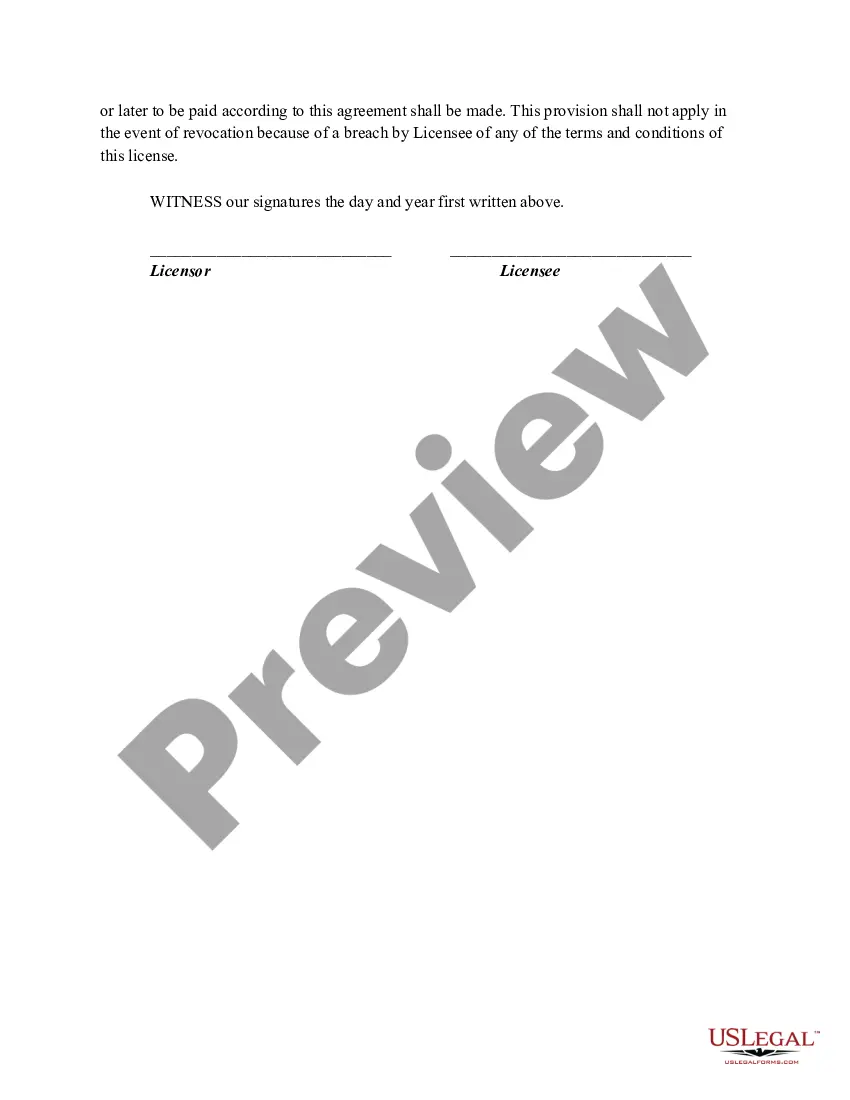
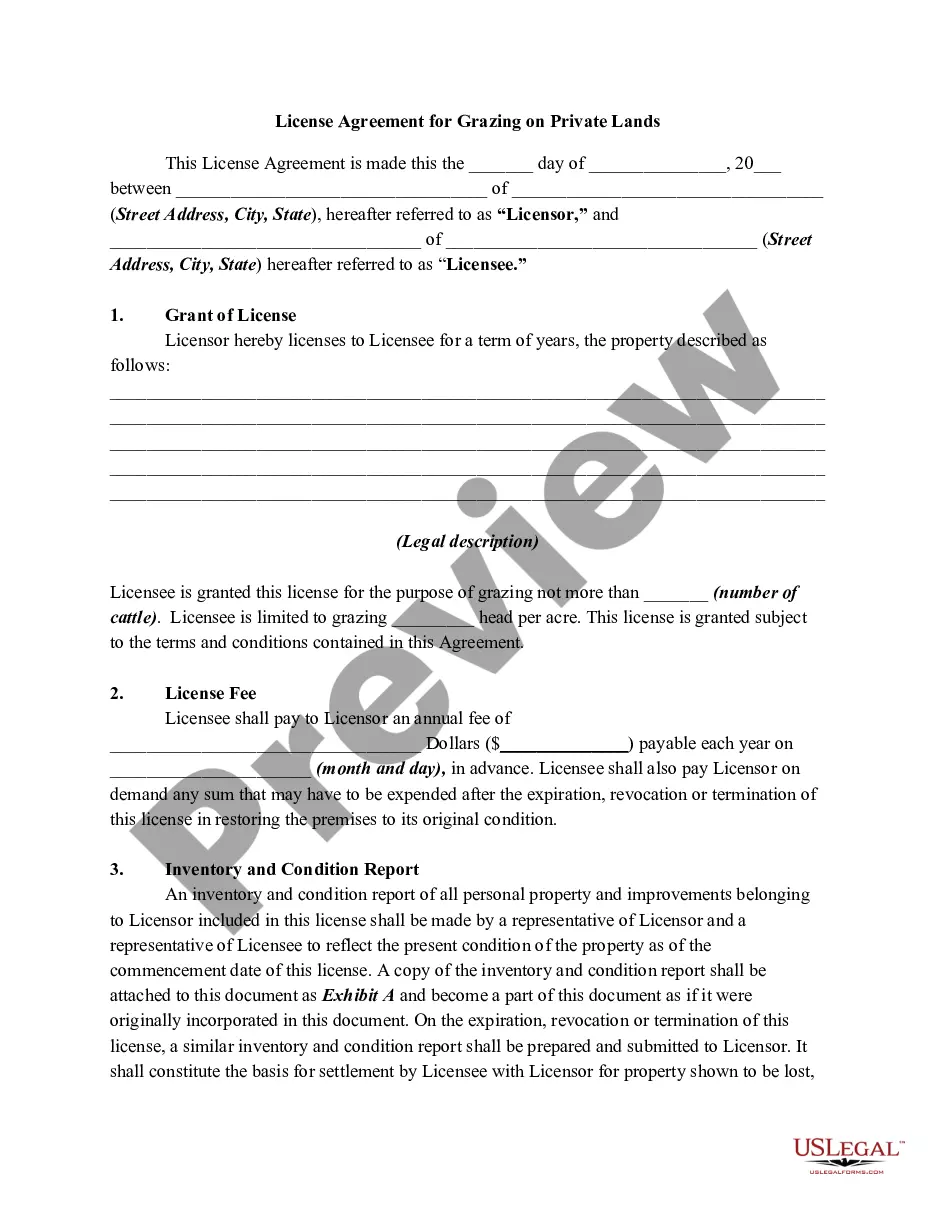
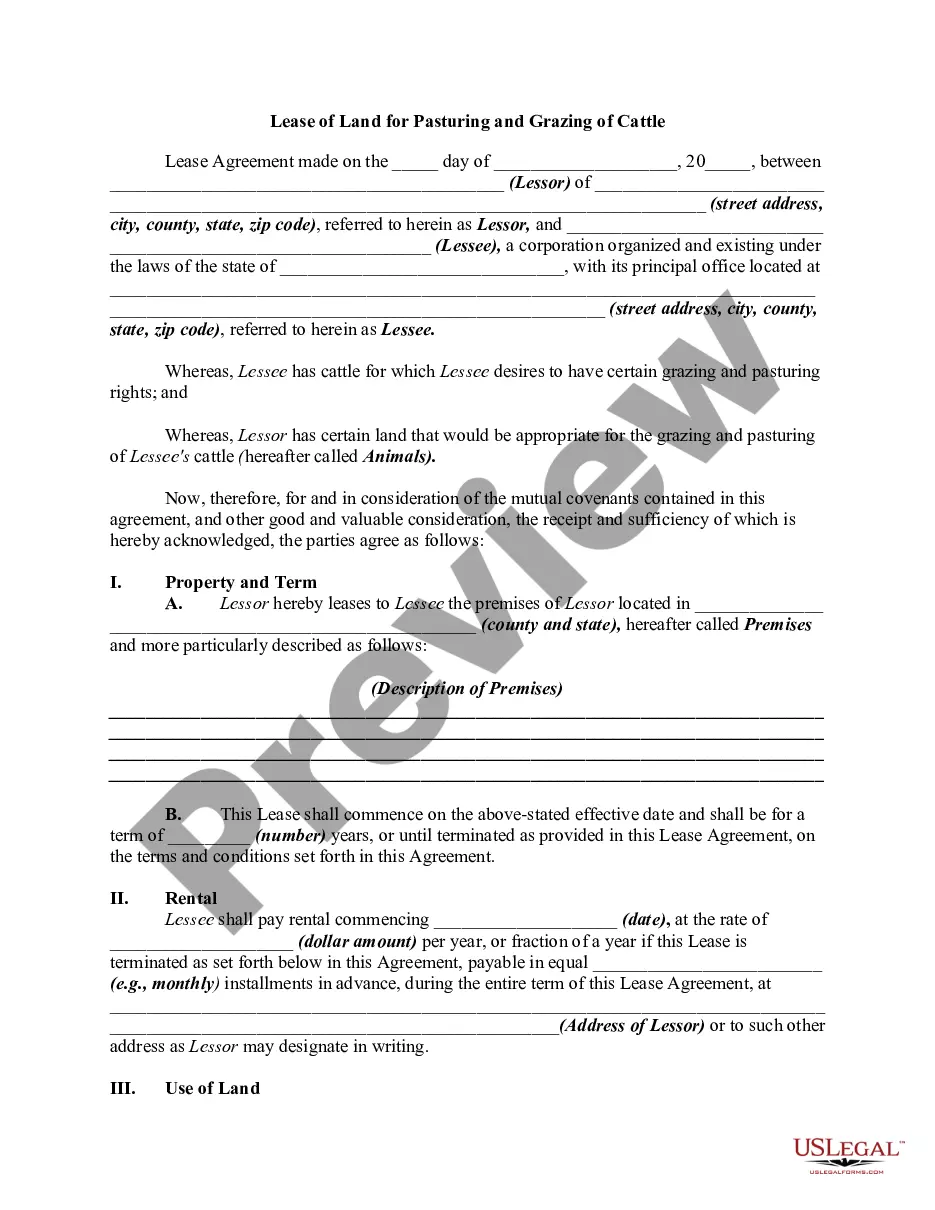
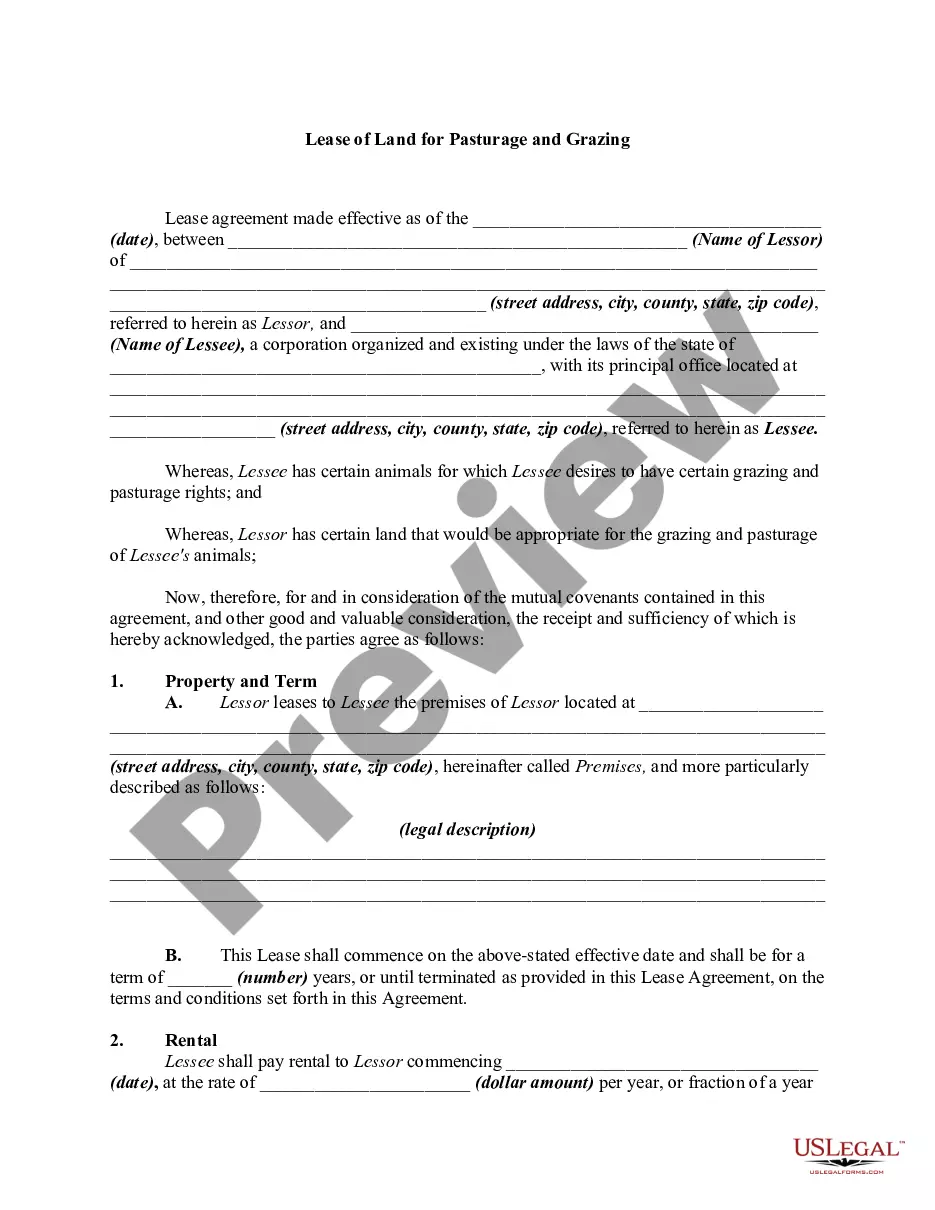
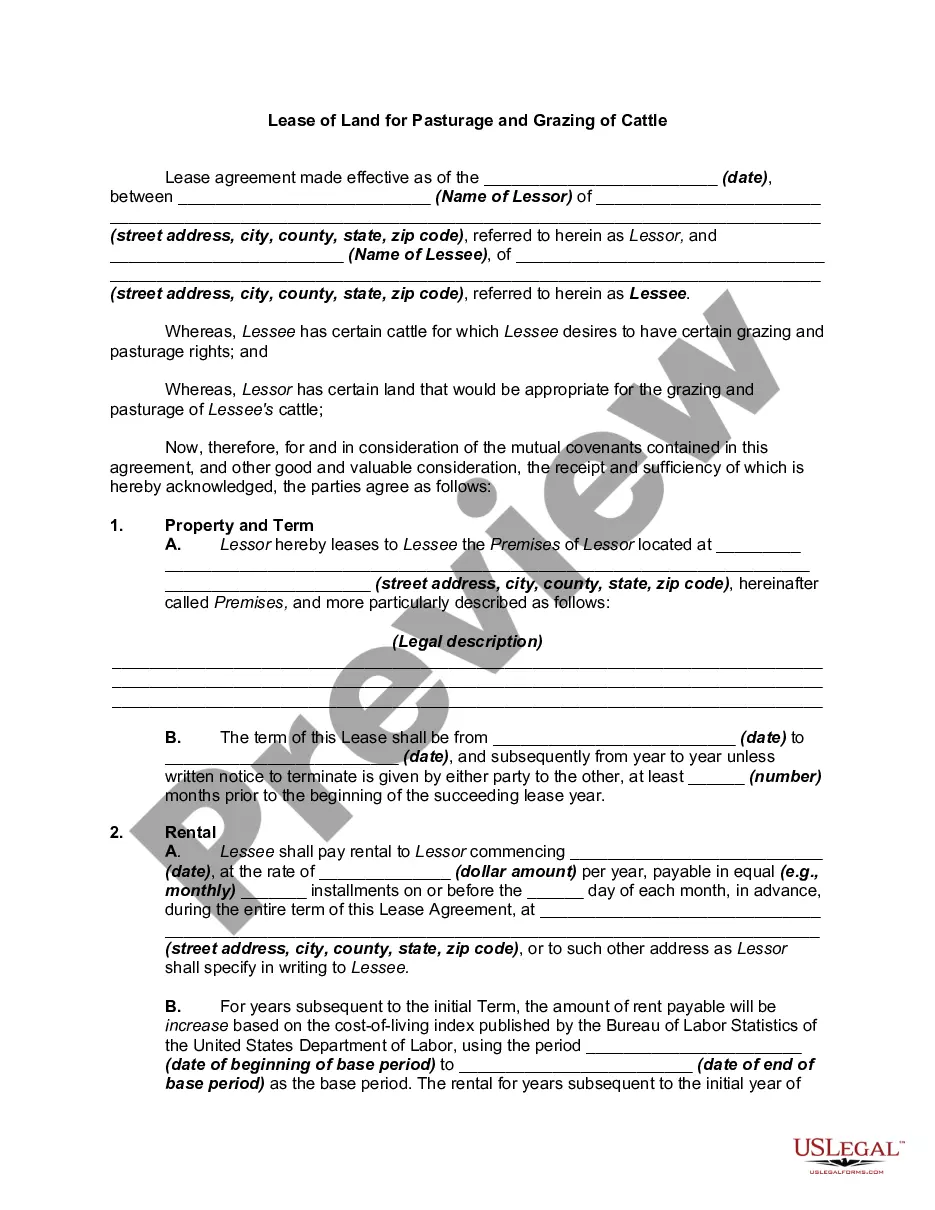
Get your form ready online
Our built-in tools help you complete, sign, share, and store your documents in one place.
Make edits, fill in missing information, and update formatting in US Legal Forms—just like you would in MS Word.
Download a copy, print it, send it by email, or mail it via USPS—whatever works best for your next step.
Sign and collect signatures with our SignNow integration. Send to multiple recipients, set reminders, and more. Go Premium to unlock E-Sign.
If this form requires notarization, complete it online through a secure video call—no need to meet a notary in person or wait for an appointment.
We protect your documents and personal data by following strict security and privacy standards.

Make edits, fill in missing information, and update formatting in US Legal Forms—just like you would in MS Word.

Download a copy, print it, send it by email, or mail it via USPS—whatever works best for your next step.

Sign and collect signatures with our SignNow integration. Send to multiple recipients, set reminders, and more. Go Premium to unlock E-Sign.

If this form requires notarization, complete it online through a secure video call—no need to meet a notary in person or wait for an appointment.

We protect your documents and personal data by following strict security and privacy standards.
Looking for another form?



Form popularity
FAQ
An exclusivity provision can provide a tenant with the exclusive right to operate a business, and prevent another tenant from using its space in certain ways. An exclusivity provision can also incentivize a tenant by restricting its competitors from leasing space.
There are two types of leases: A finance lease is a lease that transfers all the risks and rewards incidental to ownership of an asset. The title may or may not eventually be transferred. An operating lease is a lease where the risks and rewards incidental to ownership are not transferred.
In contrast to Australia, where most jurisdictions require registration of commercial leases with terms greater than three years, in New Zealand, registration is voluntary and is not common practice.
A lease provides a tenant with the right of exclusive possession to the leased premises and a proprietary interest in that land. A licence agreement does not grant such rights to the licensee and instead allows the licensee to inhabit a space for a specified period.
A licence to occupy gives you permission to build on or occupy whenua. However, the title of ownership remains with the trust or management body and the licence can't be passed on by succession. A licence to occupy: will grant occupation of a defined area or site on land.
Rental agreements terminate when the lease period expires, unless extended by mutual agreement between the lessor and lessee. A royalty agreement does not transfer ownership of the asset; it grants the user the right to use or profit from the intellectual property or resources for a limited time.
So it's important for current and future real estate agents to understand the different types of leases used in the industry. There are four different types of lease: gross lease, net lease, percentage lease, and variable lease.
In California now, landlords can evict tenants at the end of their lease without specifying any reason, as long as they give advance notice of 60 days. Or, 30 days if the tenant has been renting for less than a year.
After the landlord gives you the Notice it can take 30-45 days, or longer, for the eviction case to end. If you lose the case, the judge can order you to move out of your home. Select any part to learn more, get step-by-step instructions, and download the forms you'll need.
The landlord tenant laws that allow you to break a lease are different from state to state. In many places, you can get out of your lease without penalty for a number of reasons, such as domestic violence, an unsafe environment, or if you've been called up for military service.
