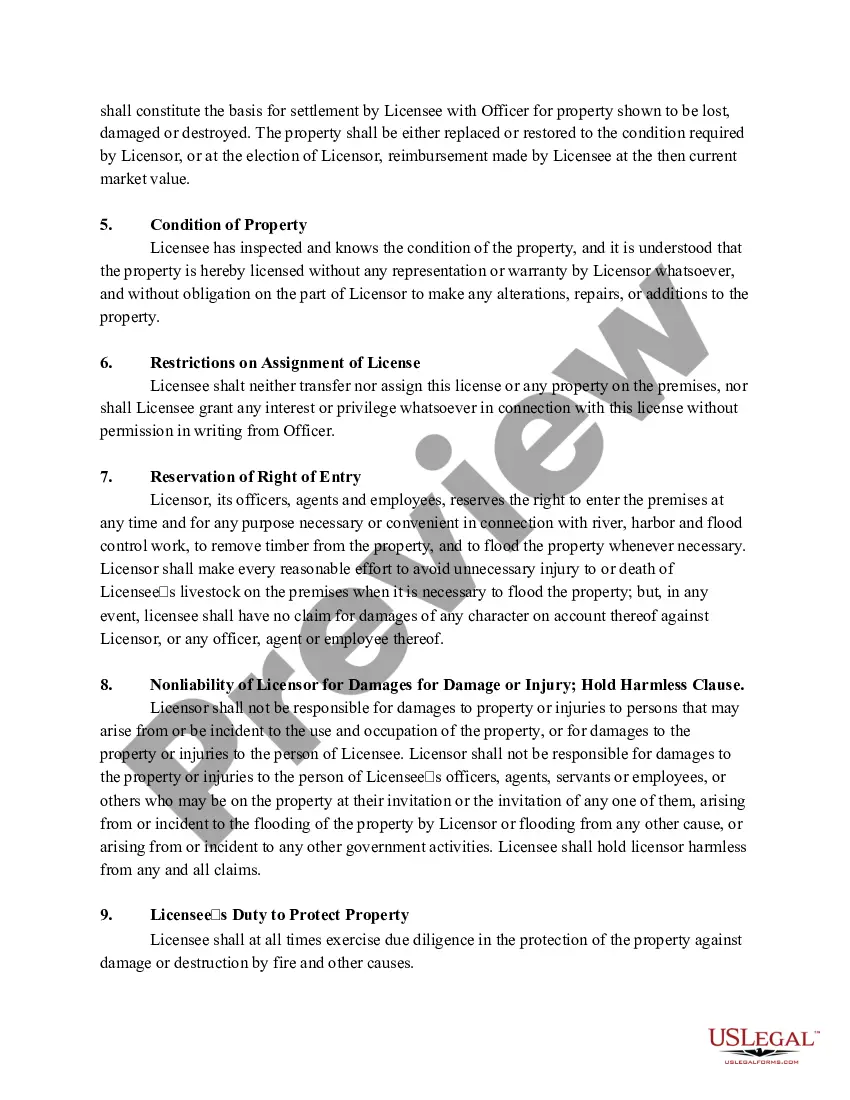
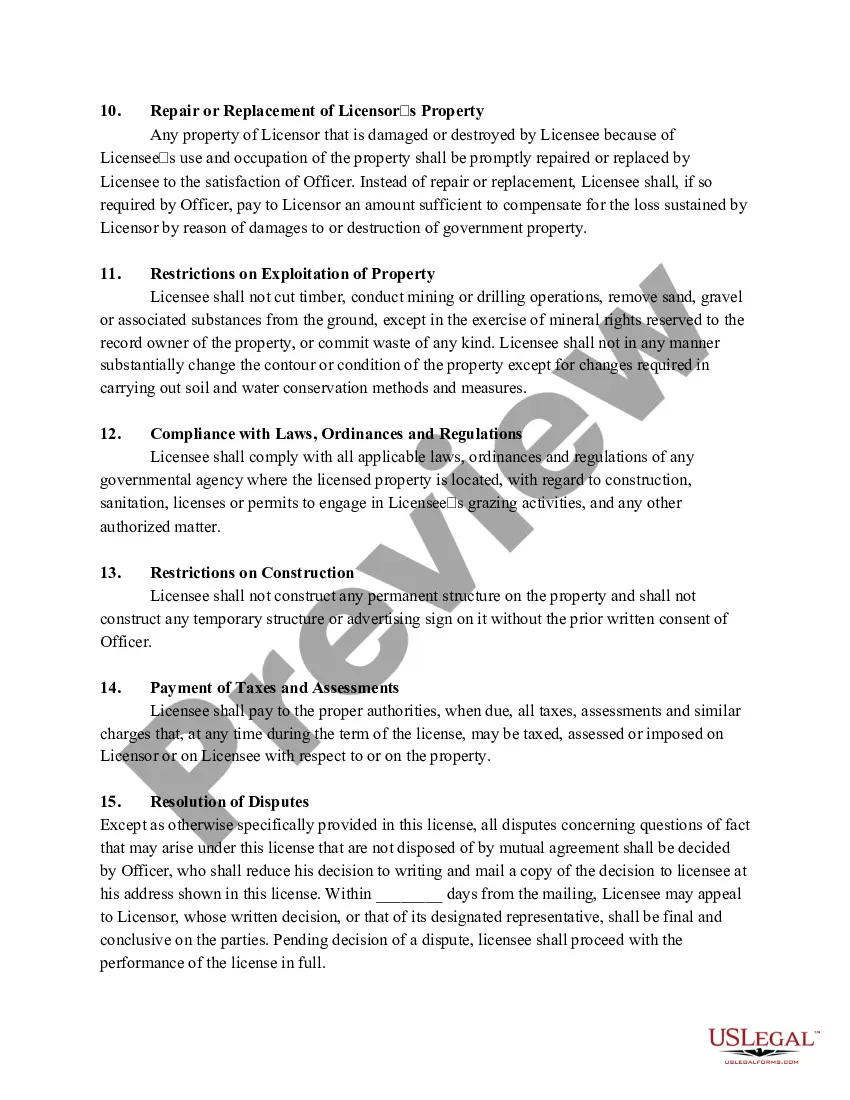
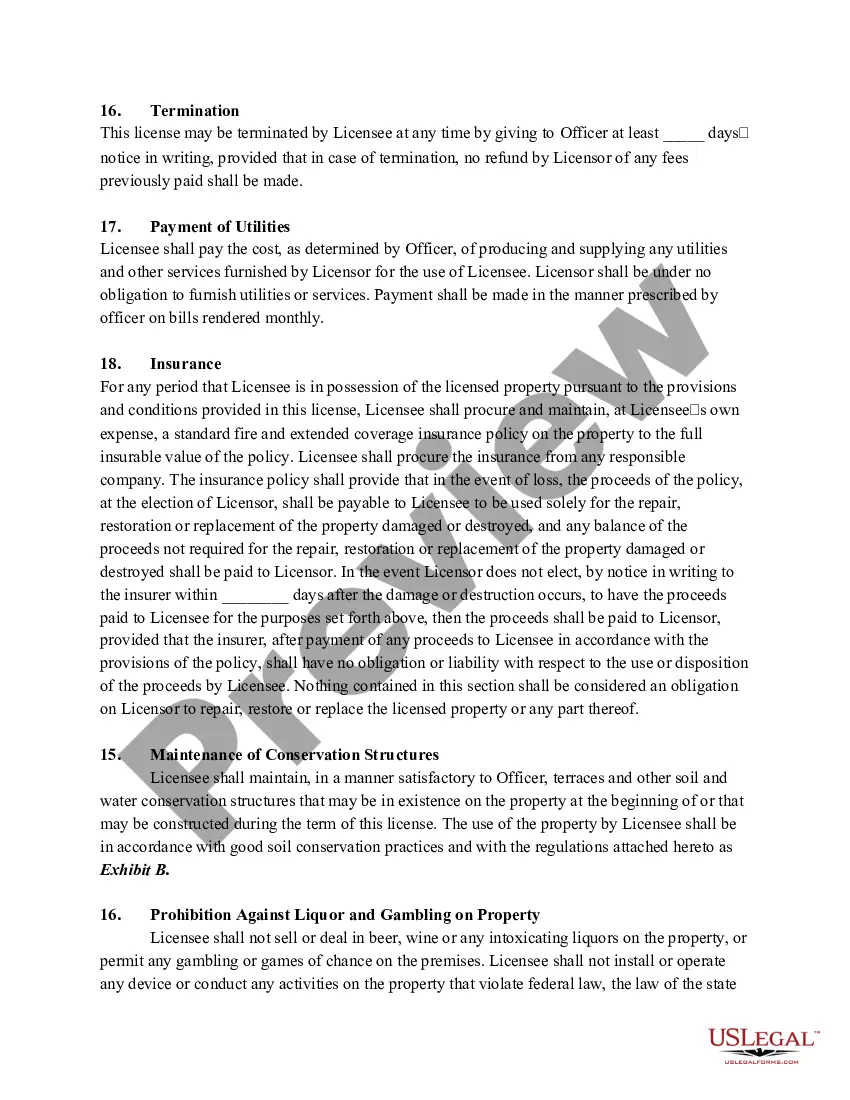
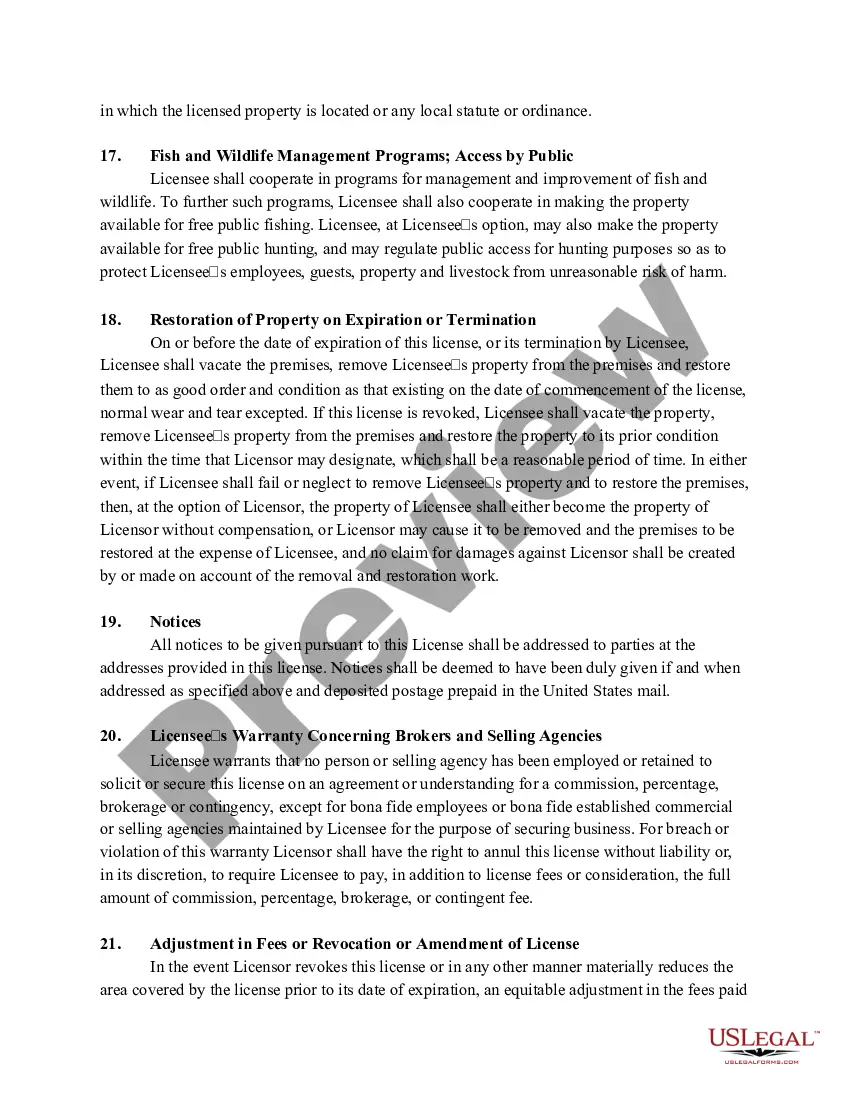
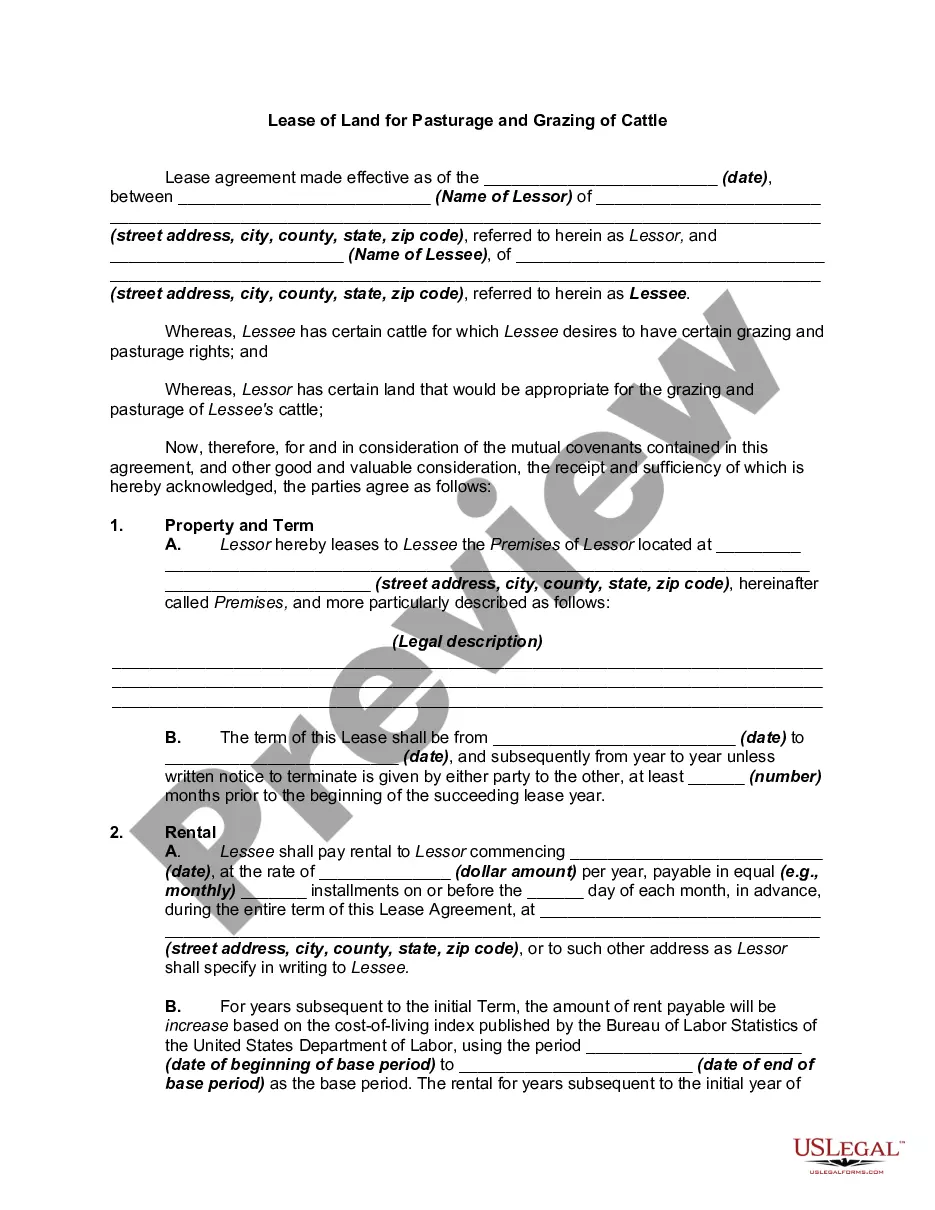
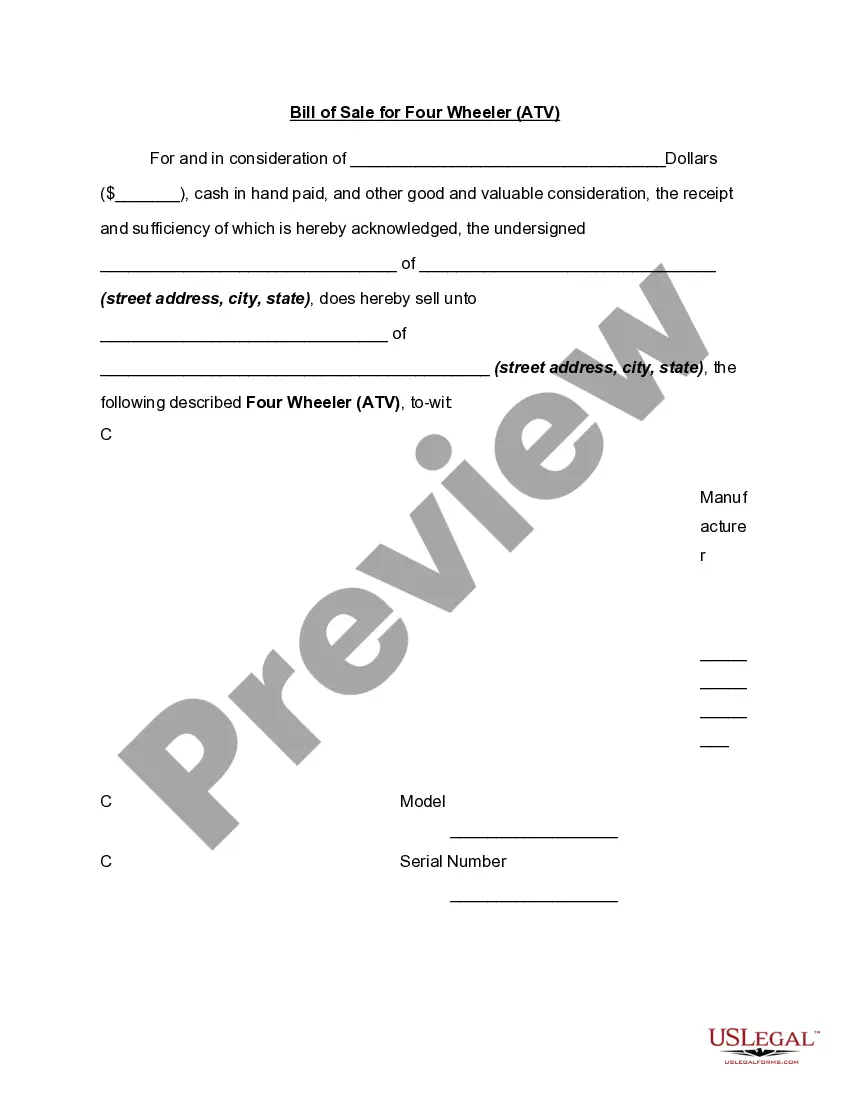
License Lease Agreement In King
Description

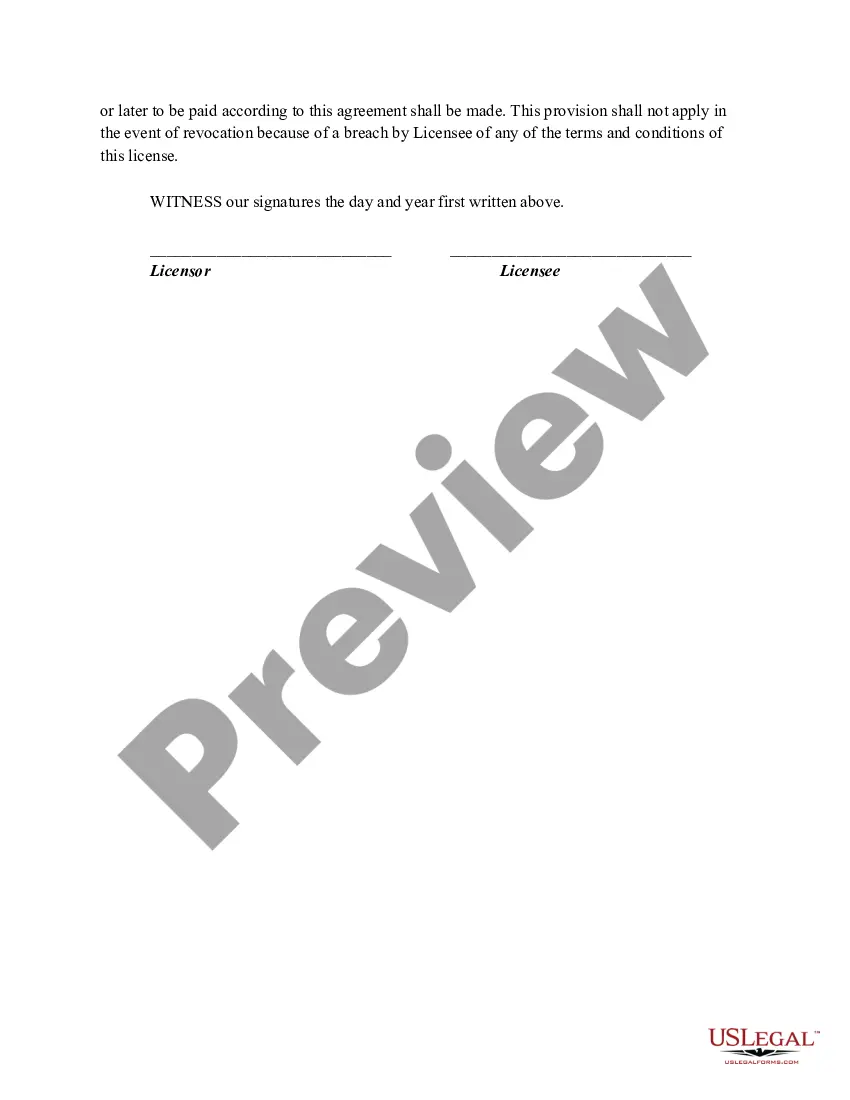
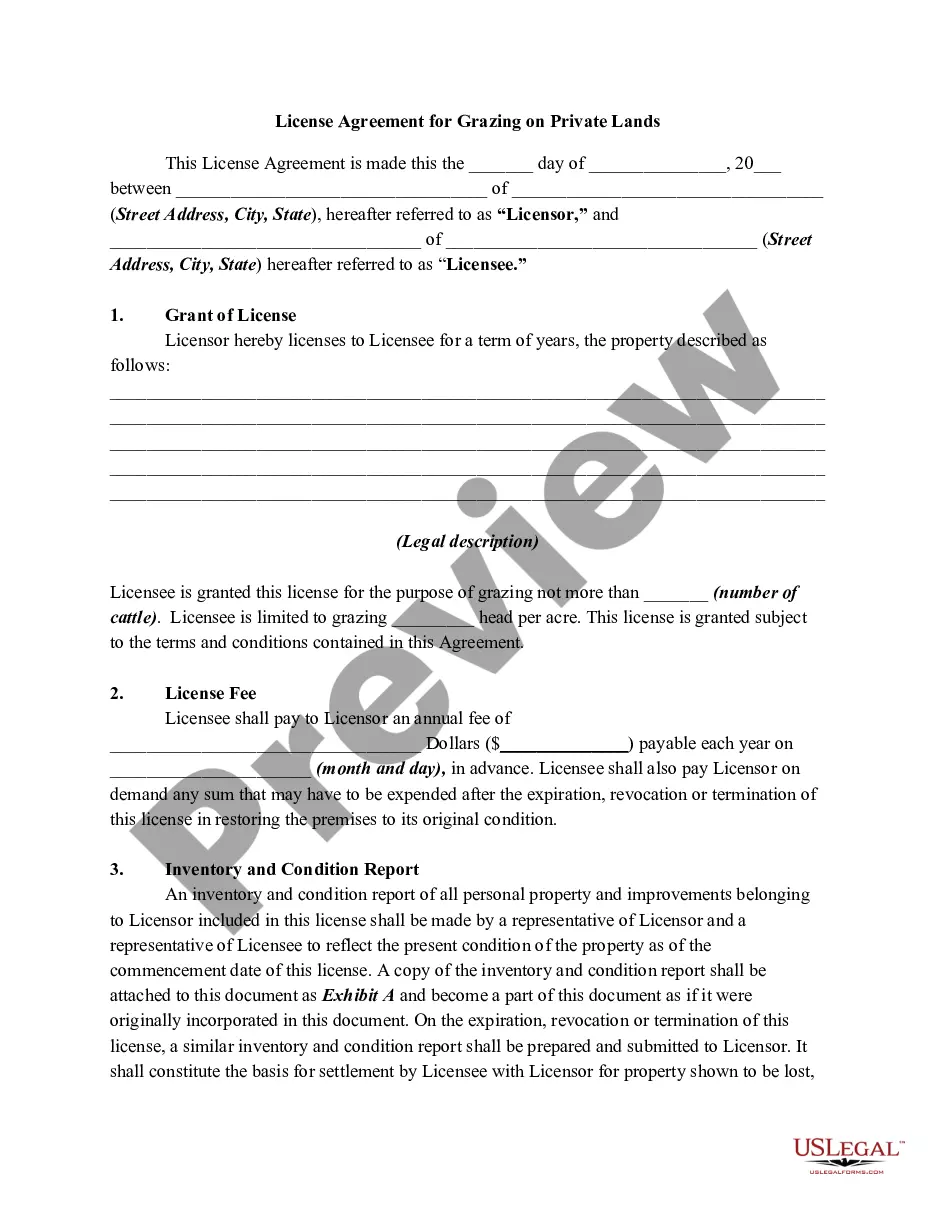
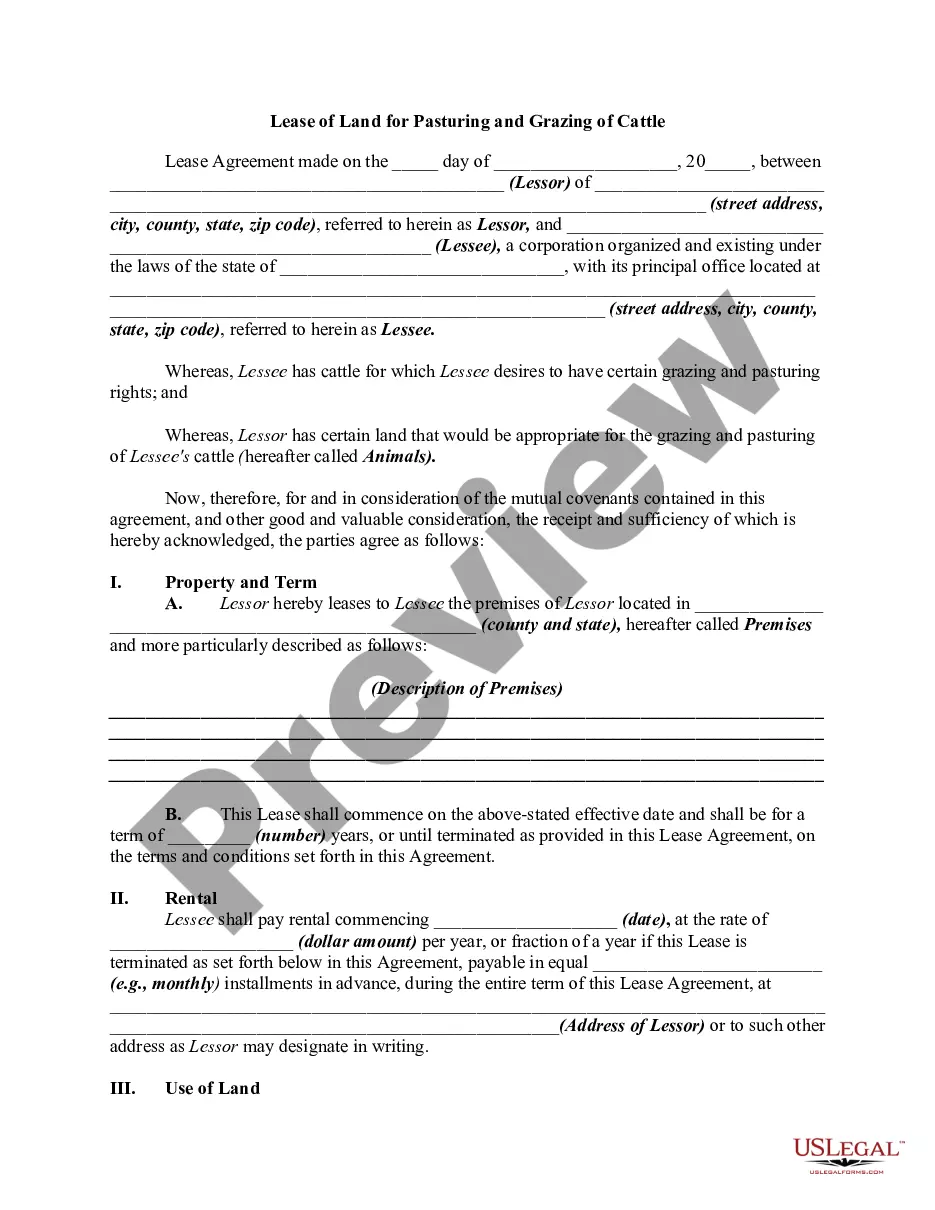
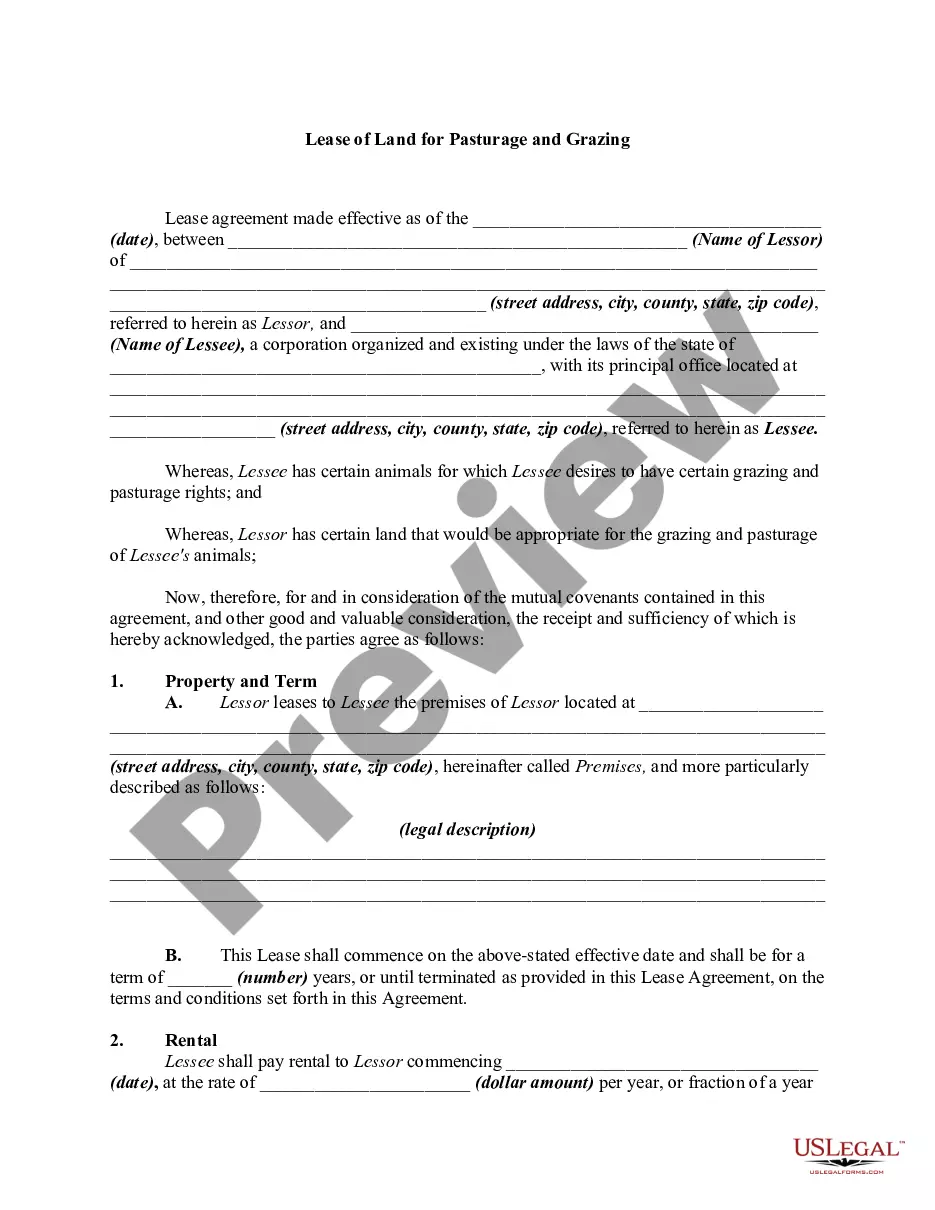
Get your form ready online
Our built-in tools help you complete, sign, share, and store your documents in one place.
Make edits, fill in missing information, and update formatting in US Legal Forms—just like you would in MS Word.
Download a copy, print it, send it by email, or mail it via USPS—whatever works best for your next step.
Sign and collect signatures with our SignNow integration. Send to multiple recipients, set reminders, and more. Go Premium to unlock E-Sign.
If this form requires notarization, complete it online through a secure video call—no need to meet a notary in person or wait for an appointment.
We protect your documents and personal data by following strict security and privacy standards.

Make edits, fill in missing information, and update formatting in US Legal Forms—just like you would in MS Word.

Download a copy, print it, send it by email, or mail it via USPS—whatever works best for your next step.

Sign and collect signatures with our SignNow integration. Send to multiple recipients, set reminders, and more. Go Premium to unlock E-Sign.

If this form requires notarization, complete it online through a secure video call—no need to meet a notary in person or wait for an appointment.

We protect your documents and personal data by following strict security and privacy standards.
Looking for another form?









Form popularity
FAQ
The key distinguishing feature is exclusive possession. If the occupier has exclusive possession of the premises for a term at a rent, and the agreement doesn't fall into any exceptional categories, it's likely to be a lease, regardless of what the agreement is called.
If a lease is not registered on title, your claim to occupancy does not appear on the registered land title. So, if the property you are leasing is sold, the new owner may not have to recognize or abide by the terms of your lease.
Unlike a lease, a license is merely a personal contractual arrangement between the original parties and confers no transferrable interest in the real estate to the licensee, and is not binding upon future owners of the land.
The property owner may end the rental agreement only if they have a just cause reason. (See Seattle Municipal Code (SMC) 22.205 for more detail.) The landlord may change the terms and conditions of the rental agreement with 30 days advance written notice to coincide with a monthly rental period.
Key Takeaways. A lease is a legal, binding contract outlining the terms under which one party agrees to rent property owned by another party. It guarantees the tenant or lessee use of the property and, in exchange, regular payments for a specified period to the property owner or landlord.
Here's a list of standard fields that you should include in your lease agreement: Tenant information. Include each tenant's full name and contact information. Rental property description. Security deposit. Monthly rent amount. Utilities. Lease term. Policies. Late fees.
An example of a fixed lease term is leasing a building at $1,500/month for 24 months. An example of a periodic term is leasing a storage unit for $500 a month, with the option to continue for another month in perpetuity. The lease ends when either the landlord or tenant gives notice.
The landlord and tenant must be present at the Sub-Registrar's office to execute the agreement. They must sign at the bottom of each page of the stamp paper on which the agreement is printed in the presence of the Registrar.
5 Tips for Effective Lease Enforcement Tip 1: Understand Lease Agreement Essentials. Tip 2: Utilize Effective Communication Skills. Tip 3: Implementing Regular Property Inspections. Tip 4: Get Professional Help With Enforcing Lease Violations. Tip 5: Streamline Lease Enforcement With Technology.
Handwritten contracts are legally binding if they meet the necessary conditions that apply to all contracts: mutual agreement, capacity, consideration, and legal validity. There are no legal differences between typed and handwritten agreements when it comes to enforceability.
