License For Lease In Illinois
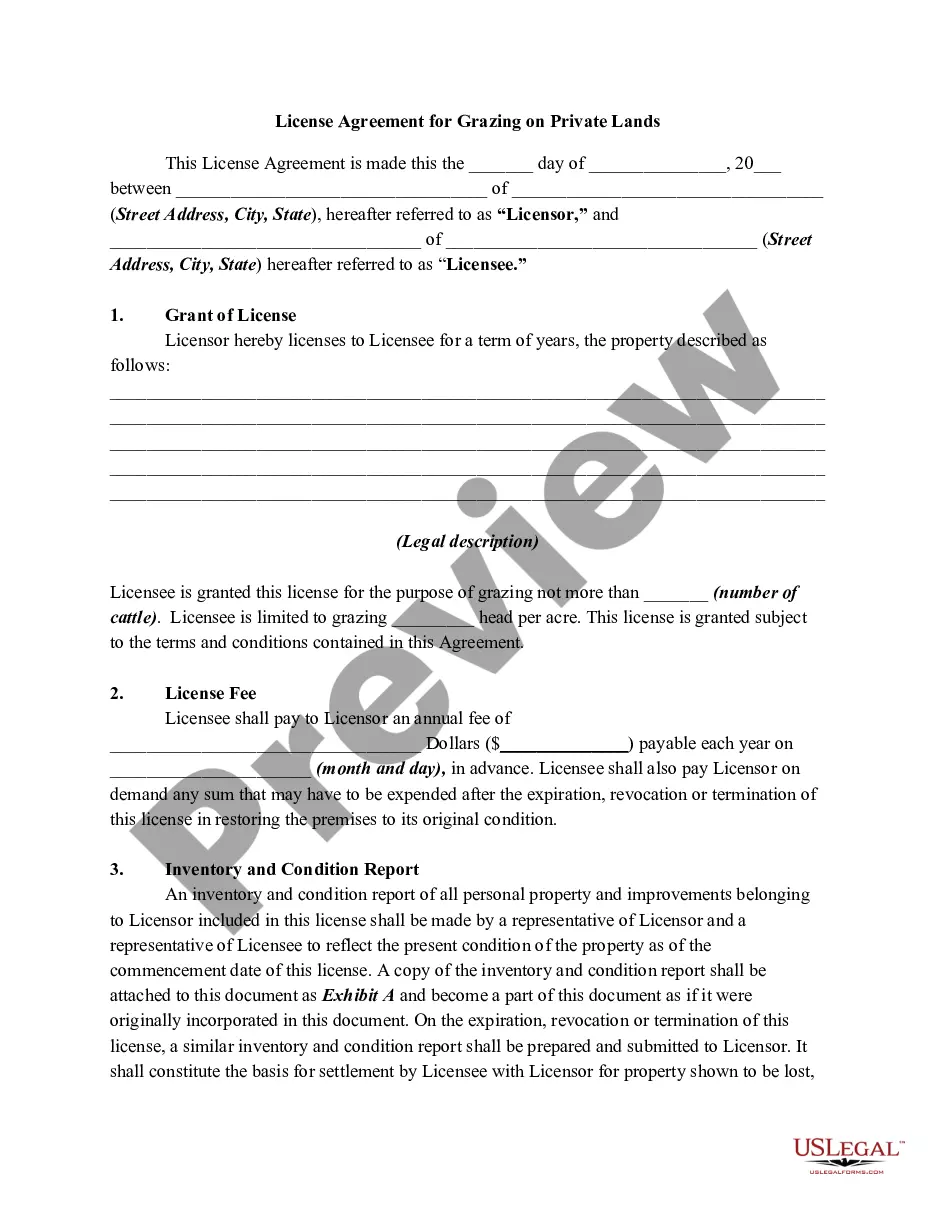
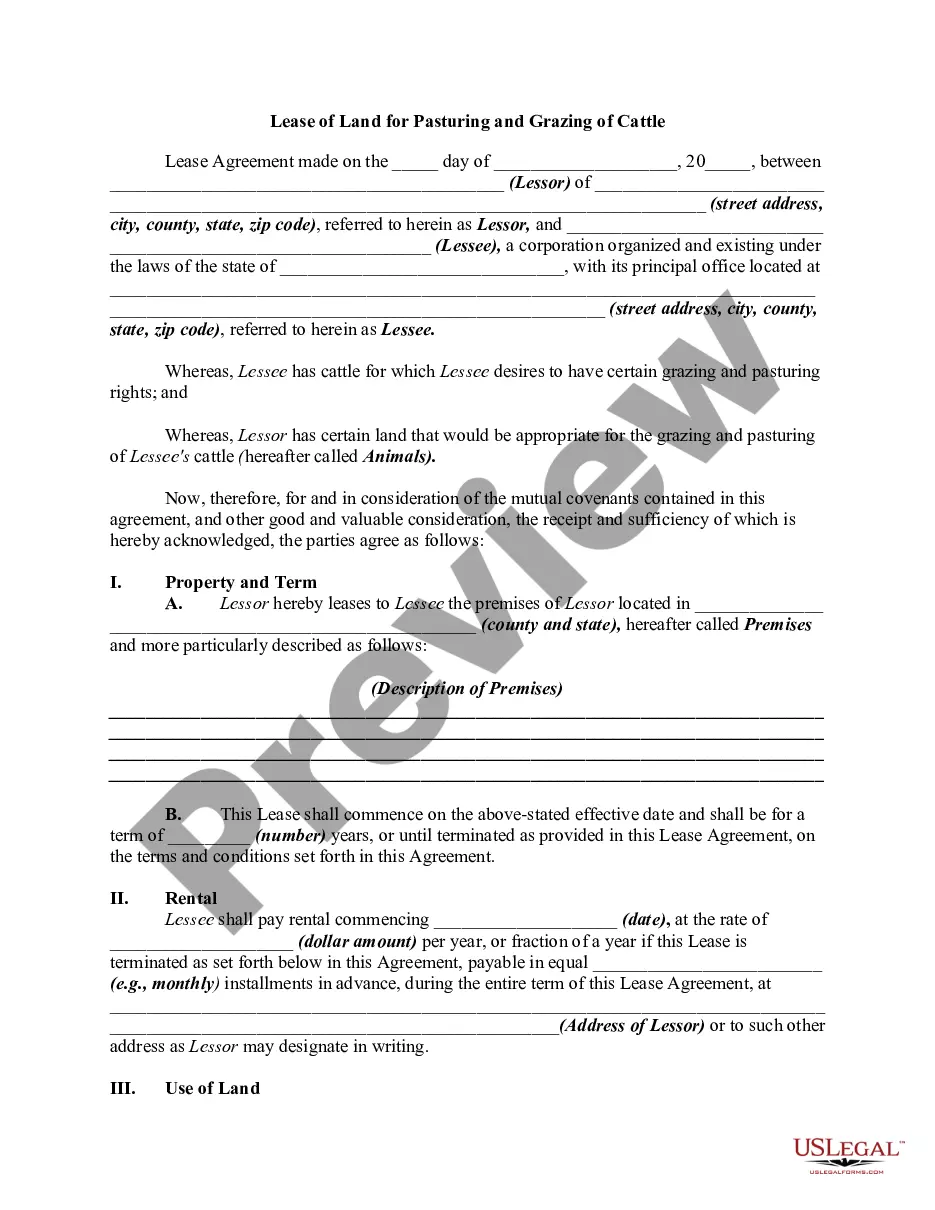
Description
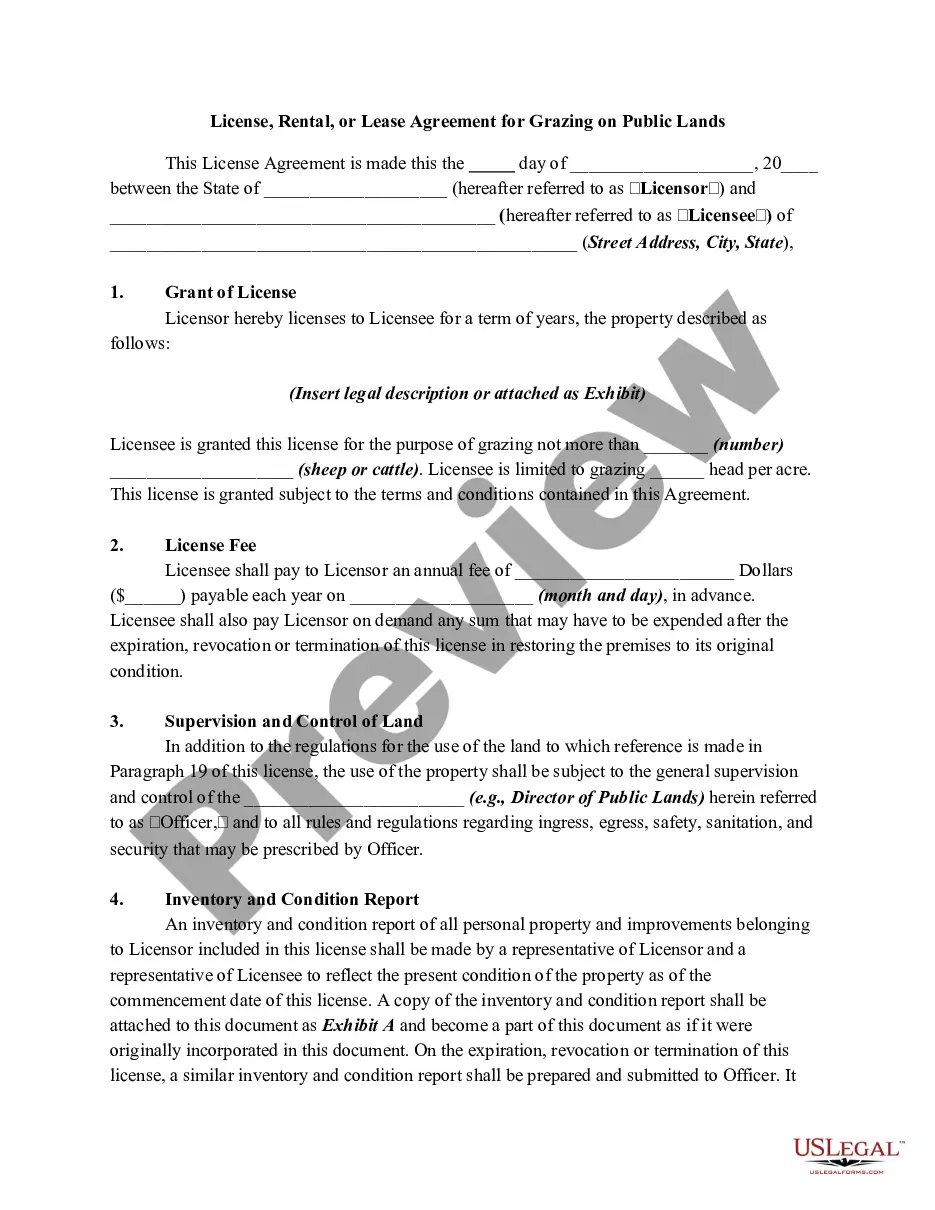
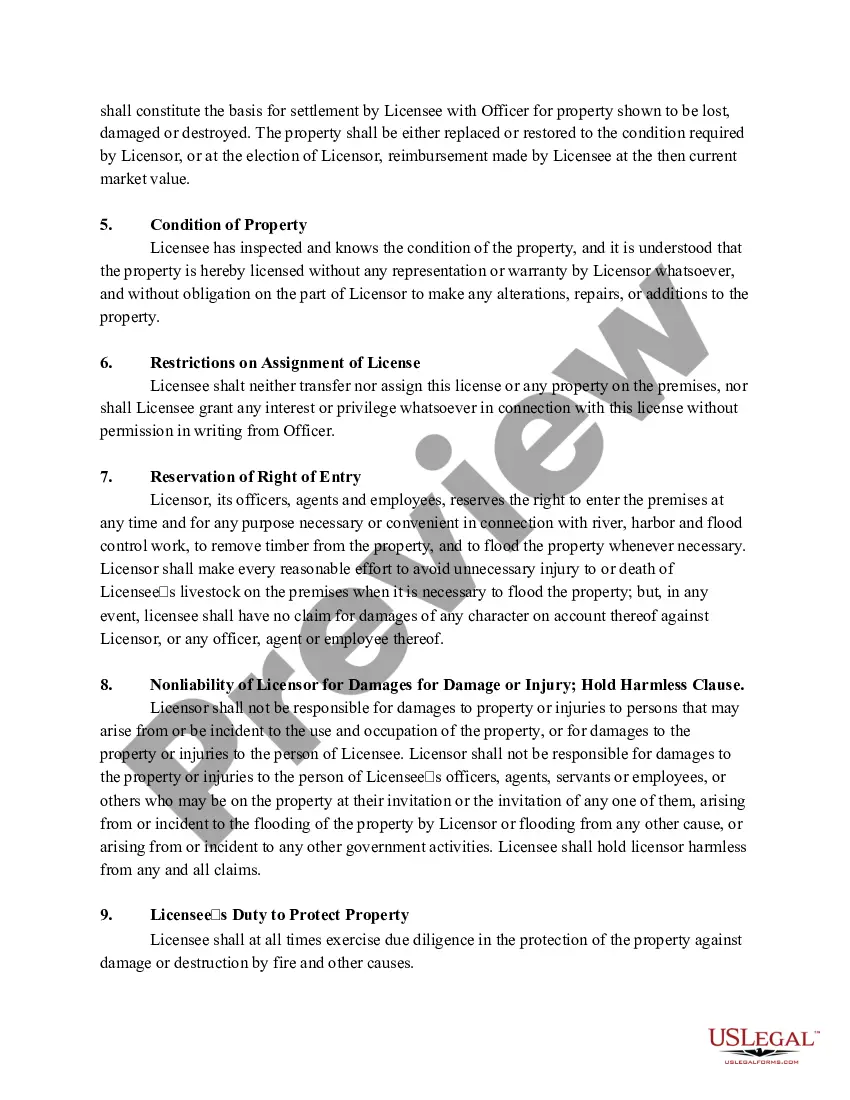
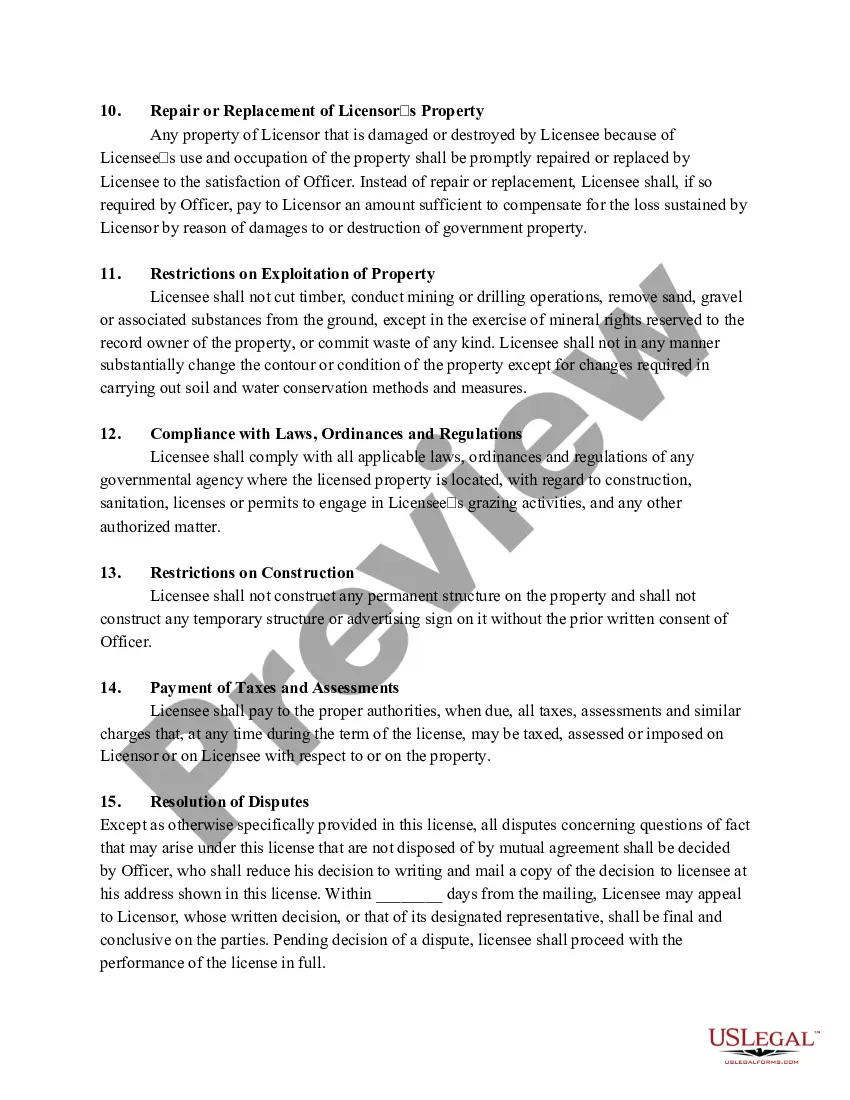
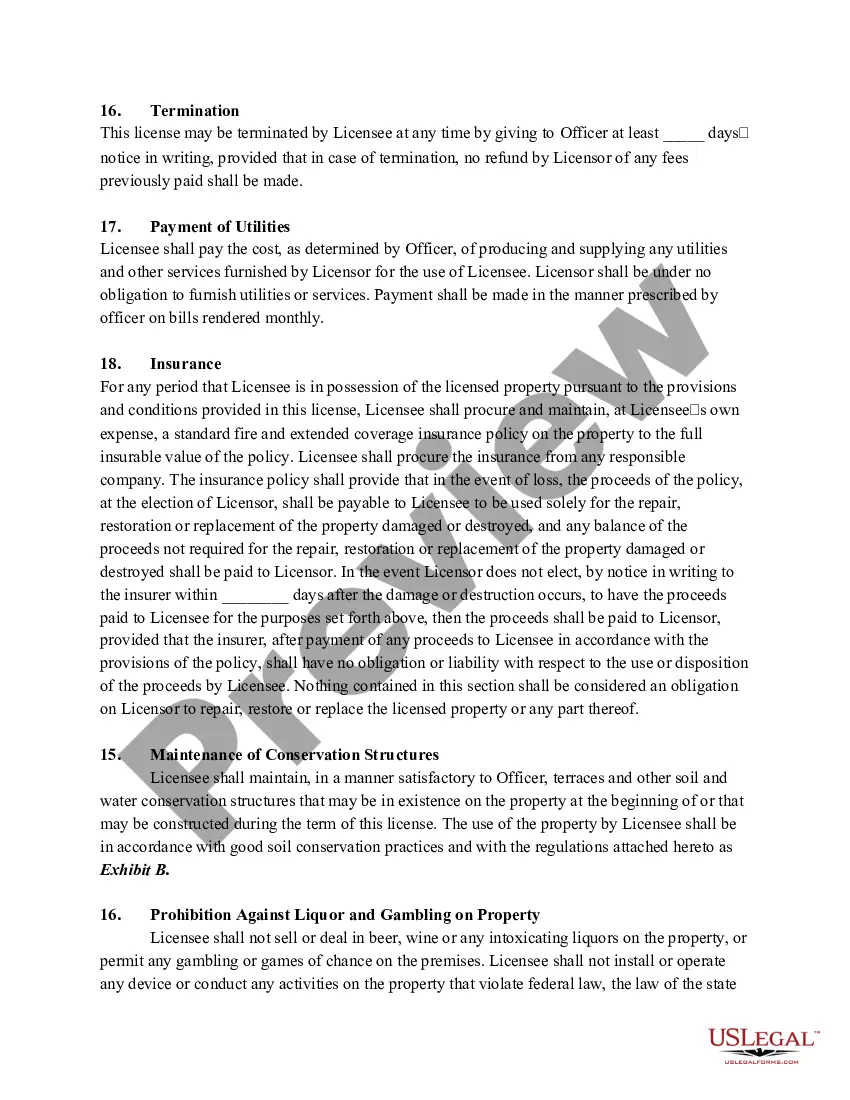
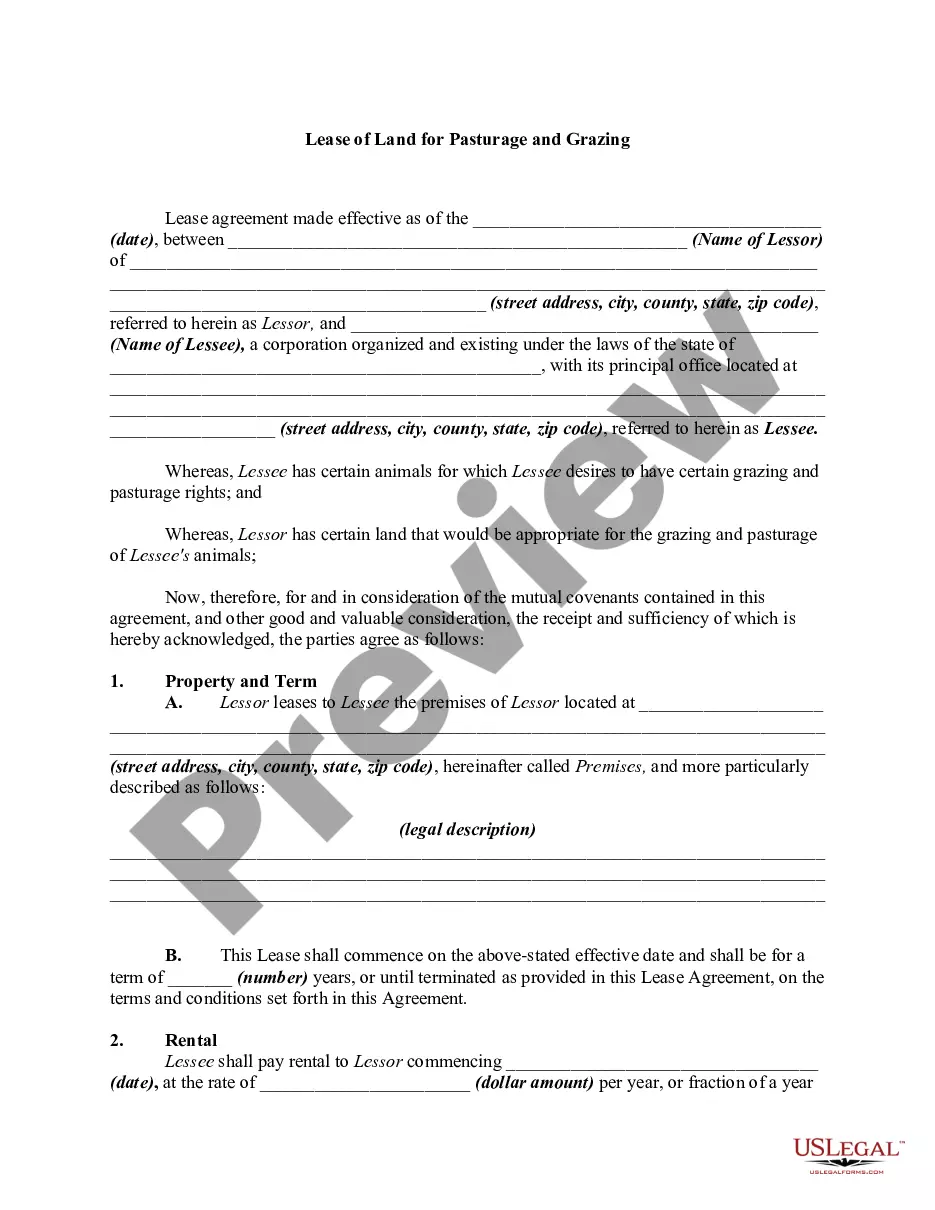
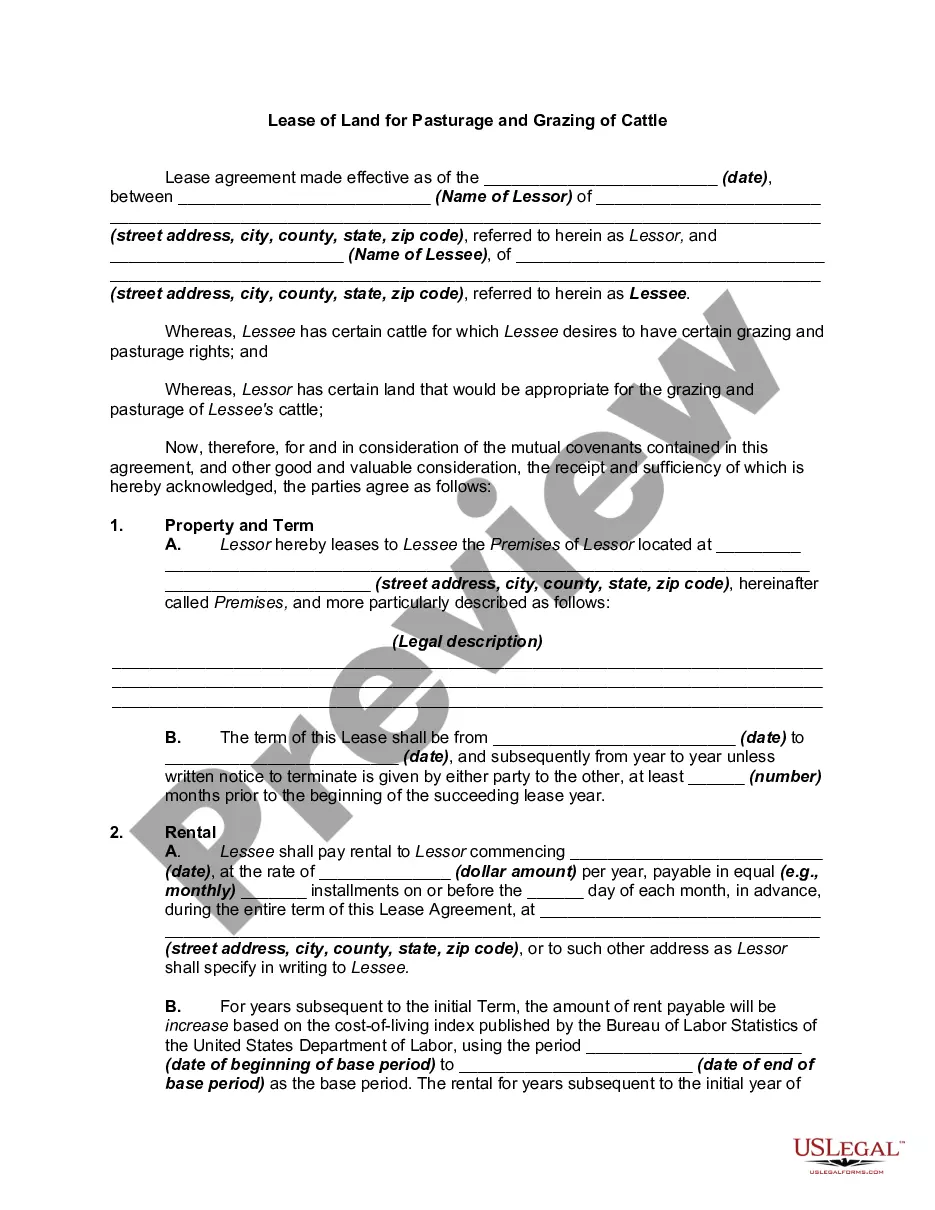
Get your form ready online
Our built-in tools help you complete, sign, share, and store your documents in one place.
Make edits, fill in missing information, and update formatting in US Legal Forms—just like you would in MS Word.
Download a copy, print it, send it by email, or mail it via USPS—whatever works best for your next step.
Sign and collect signatures with our SignNow integration. Send to multiple recipients, set reminders, and more. Go Premium to unlock E-Sign.
If this form requires notarization, complete it online through a secure video call—no need to meet a notary in person or wait for an appointment.
We protect your documents and personal data by following strict security and privacy standards.

Make edits, fill in missing information, and update formatting in US Legal Forms—just like you would in MS Word.

Download a copy, print it, send it by email, or mail it via USPS—whatever works best for your next step.

Sign and collect signatures with our SignNow integration. Send to multiple recipients, set reminders, and more. Go Premium to unlock E-Sign.

If this form requires notarization, complete it online through a secure video call—no need to meet a notary in person or wait for an appointment.

We protect your documents and personal data by following strict security and privacy standards.
Looking for another form?
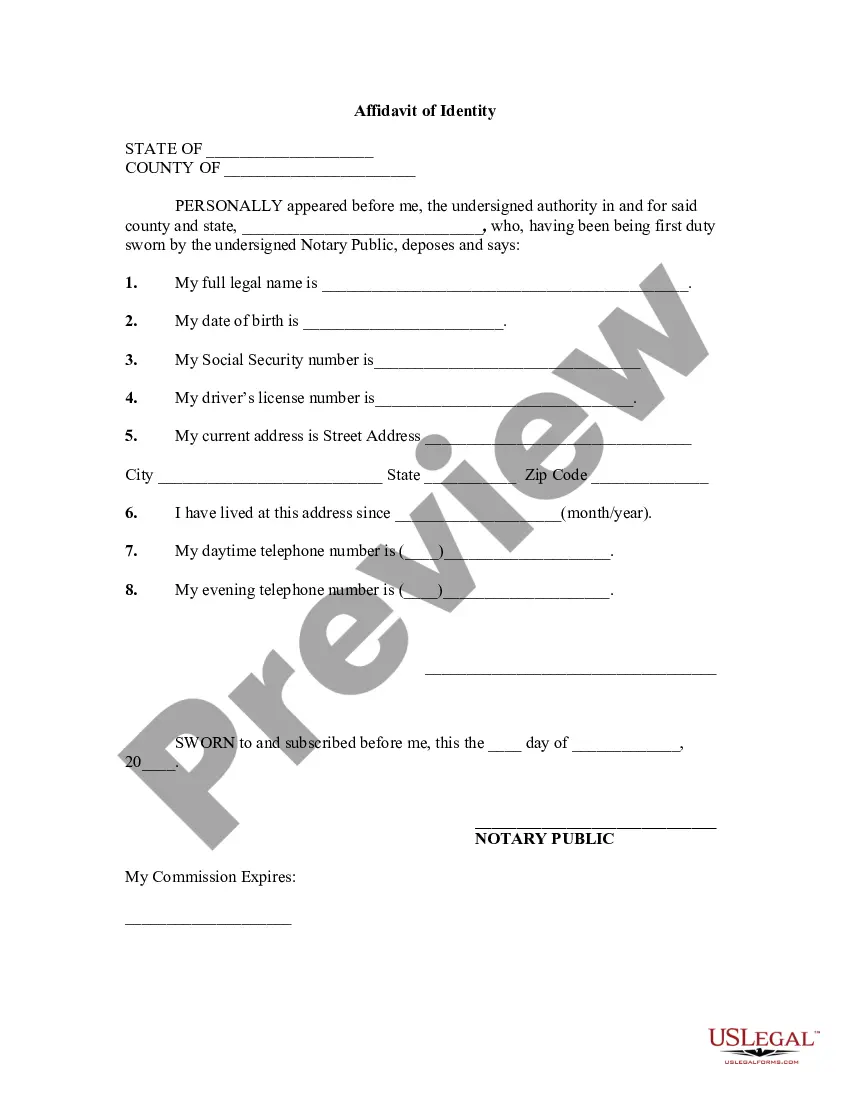


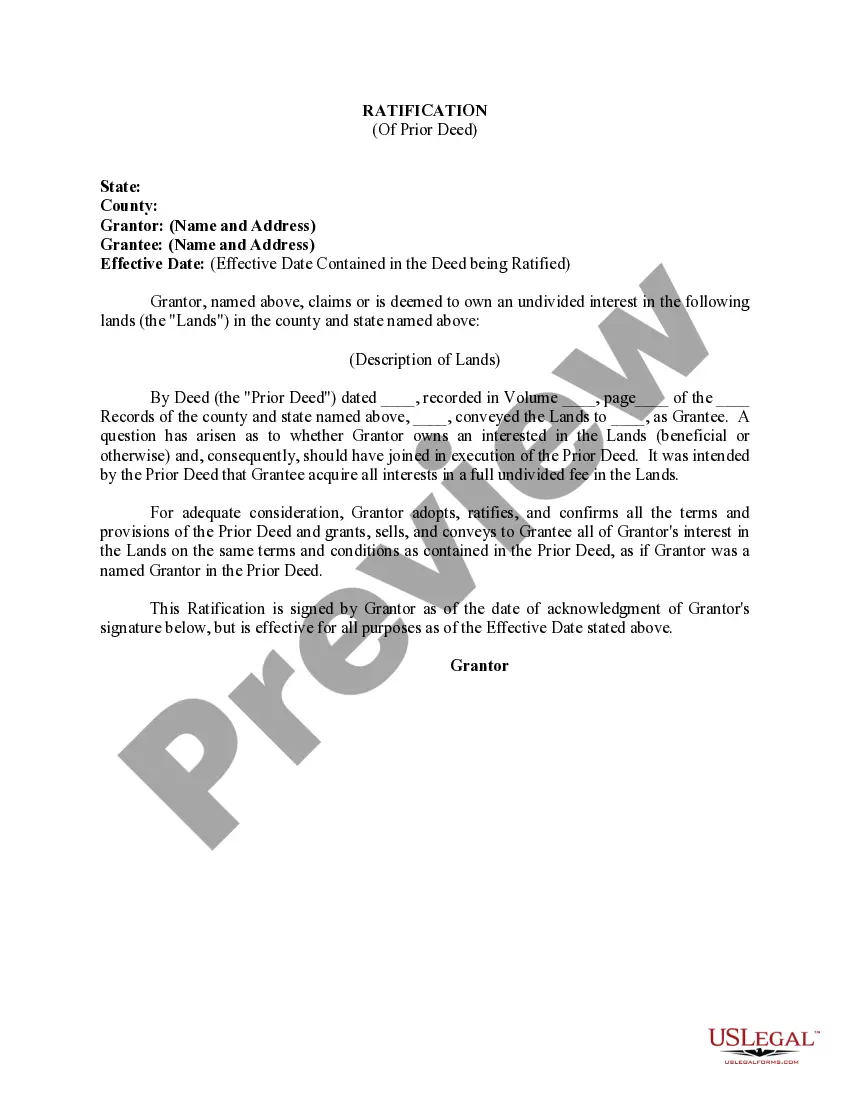


Form popularity
FAQ
The critical difference between lease and rent is their duration. Whereas a lease remains valid for the period specified in a formal agreement (typically one year), a rental agreement could cover a short-term period for month-to-month stays or vacation rentals.
A license connotes the use or occupancy of the grantor's premises. But a lease grants exclusive possession of designated space to a tenant, subject to rights specifically reserved by the lessor. A license is cancellable at will and without cause.
Adults looking to get their first license will need to take our Adult Driver Education course, then visit their local DMV office to take their written, vision and behind-the-wheel exams. To learn more about the process to get your first driver's license, please visit our Driver's License page.
4th 744, 758-759.) A key characteristic that distinguishes a lease from a license is that a lease grants a right to exclusive possession of property against all others, including the landowner, whereas a license does not.
Anyone who assists landlords by showing rental properties, discussing lease terms, and completing lease agreements must hold a Residential Leasing Agent License in Illinois. This license is specifically for those who focus solely on rental activities and do not engage in buying or selling properties.
Anyone who assists landlords by showing rental properties, discussing lease terms, and completing lease agreements must hold a Residential Leasing Agent License in Illinois. This license is specifically for those who focus solely on rental activities and do not engage in buying or selling properties.
To become a landlord in Illinois, there are no specific requirements or certifications needed. However, it is important to familiarize yourself with the state's landlord-tenant laws and regulations.
Business Name: The LLC name shall be the name under which the LLC shall transact business in Illinois unless the LLC elects to adopt one or more assumed LLC names.
"Small business" means any for profit entity, independently owned and operated, that grosses less than $4,000,000 per year or that has 50 or fewer full-time employees. For the purposes of this Act, a "small business" has its principal office in Illinois.
