Tenancy Agreement For Rental In Hillsborough
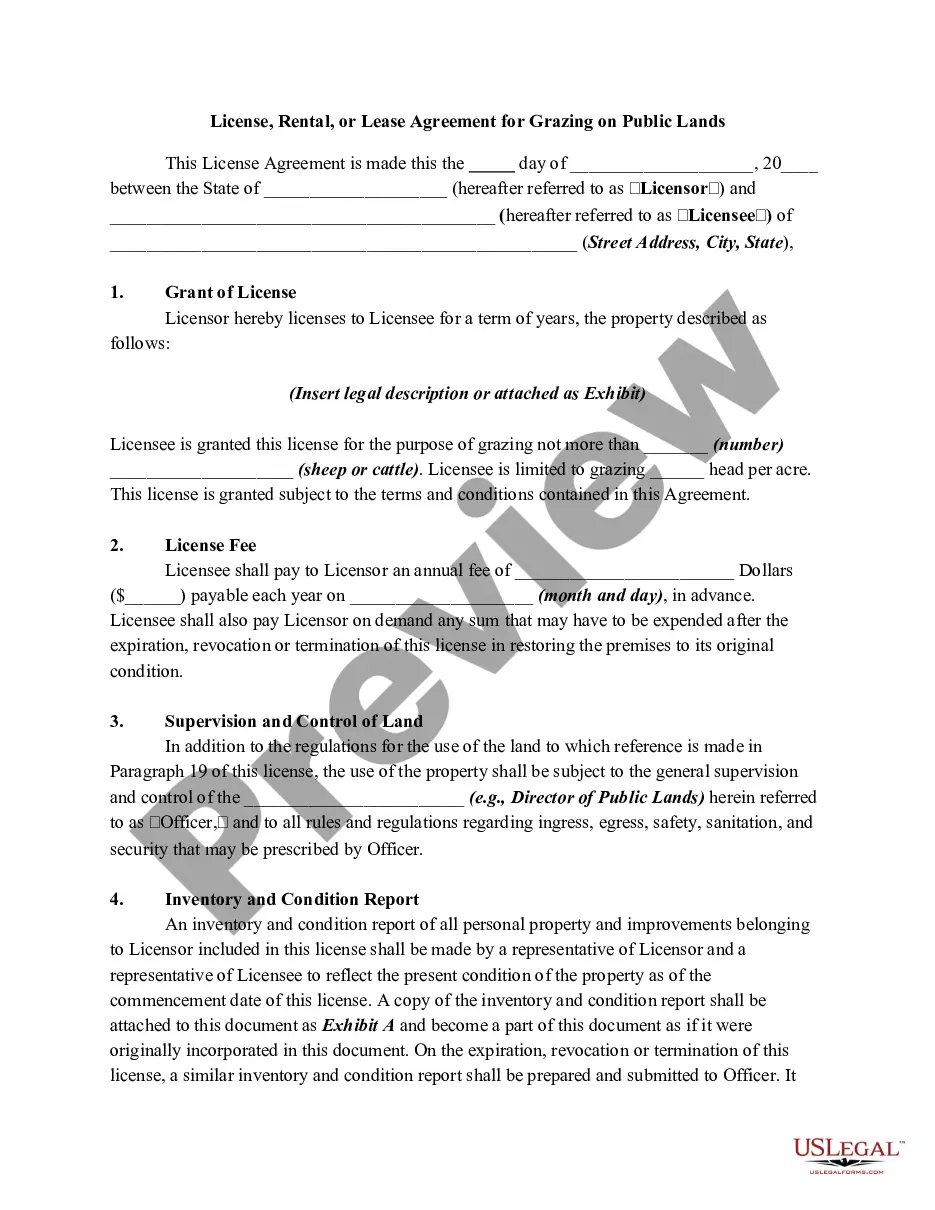
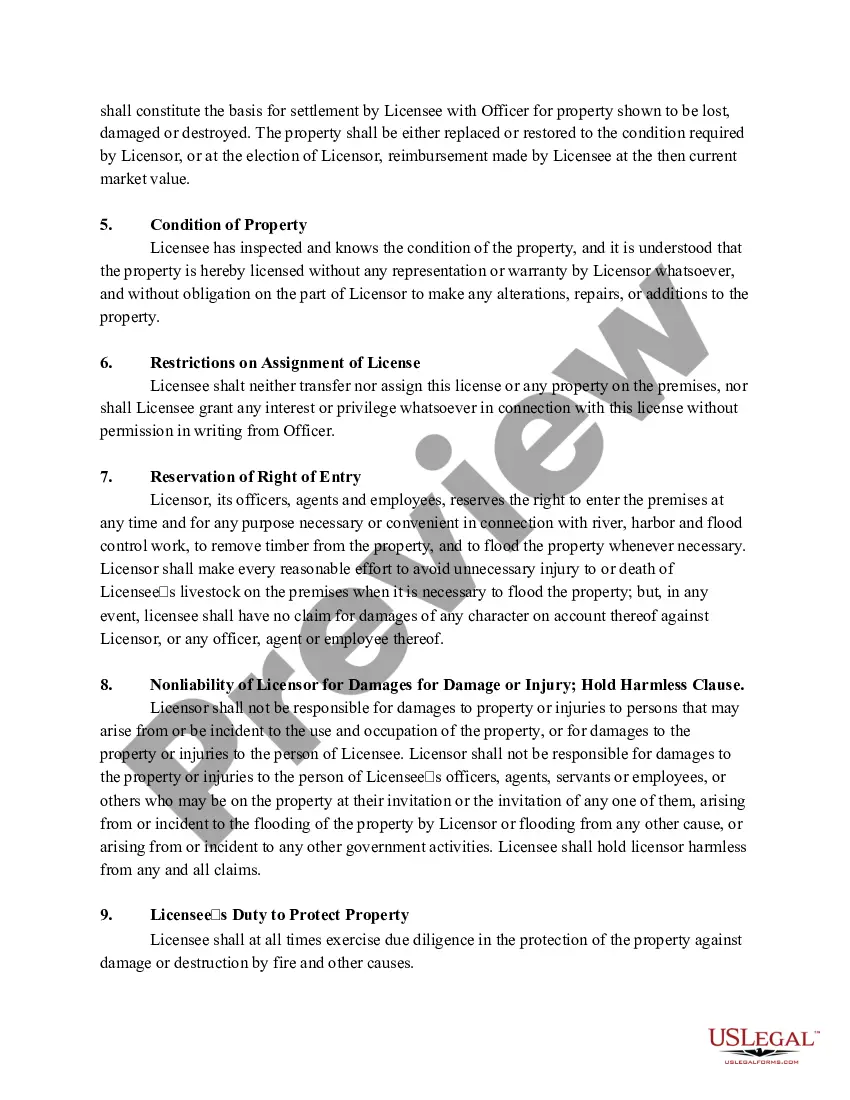
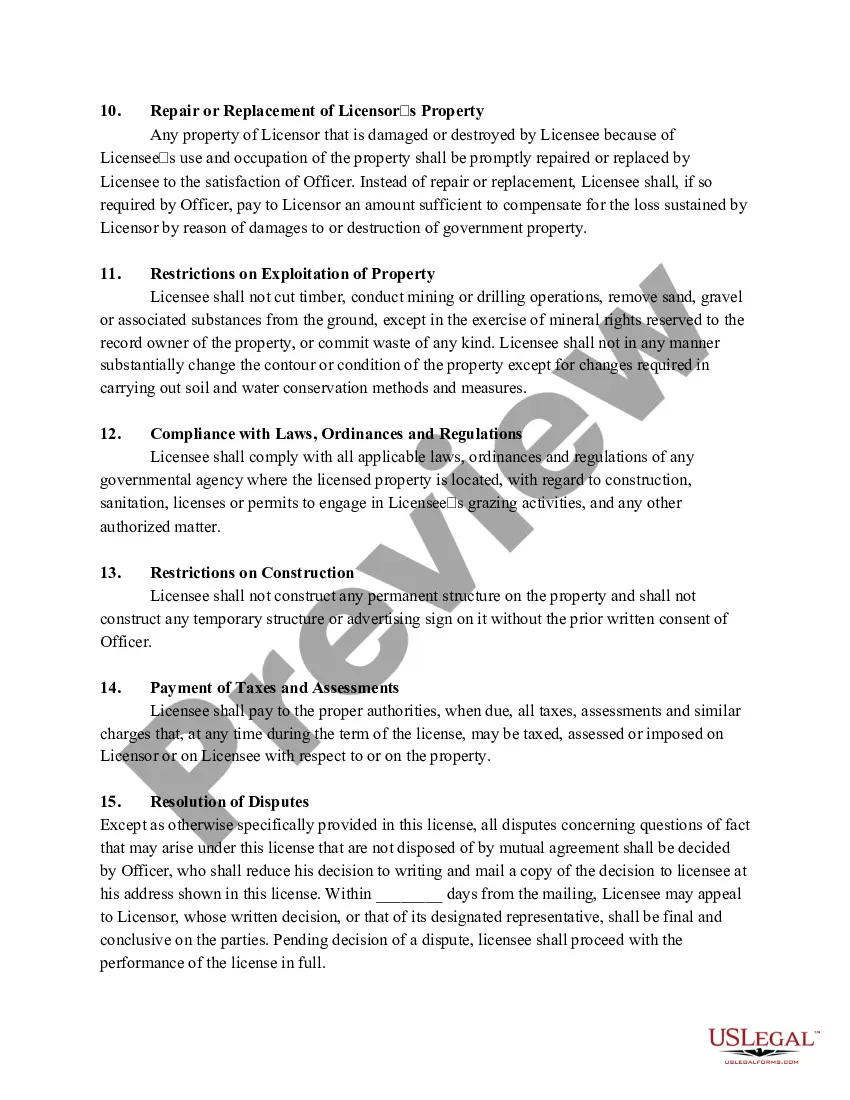
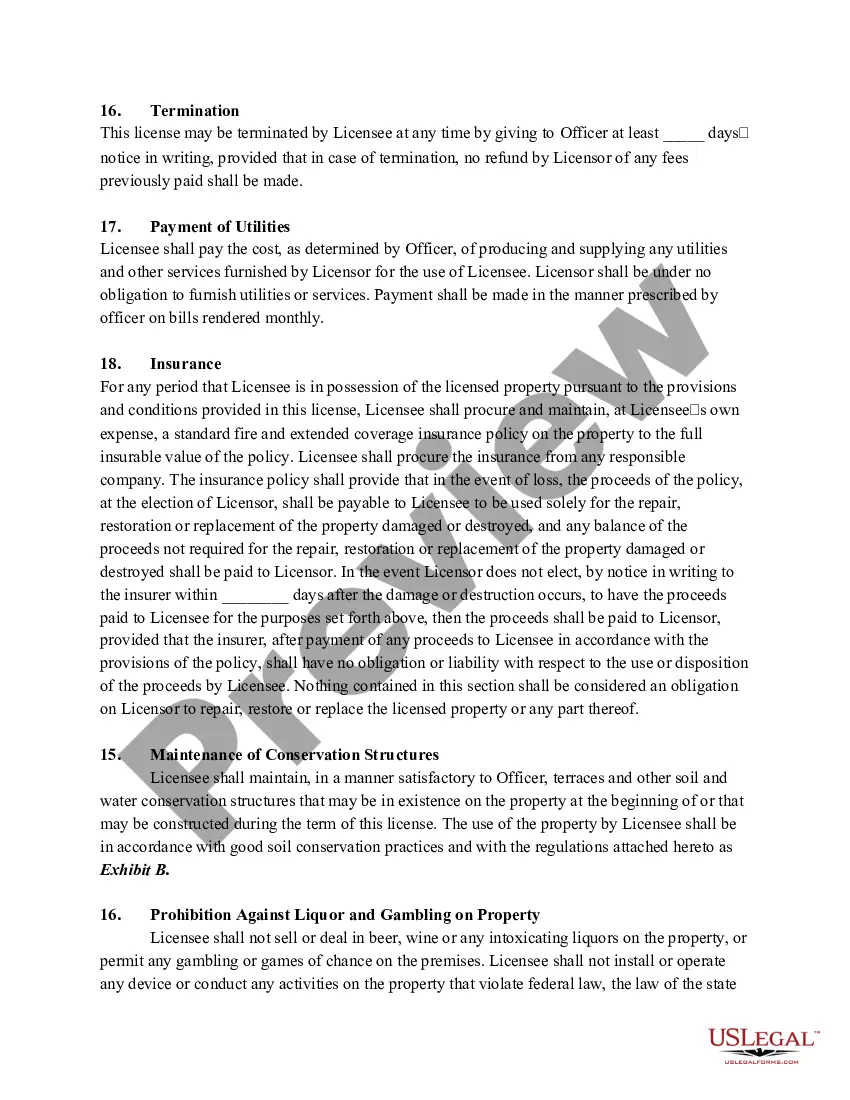
Description
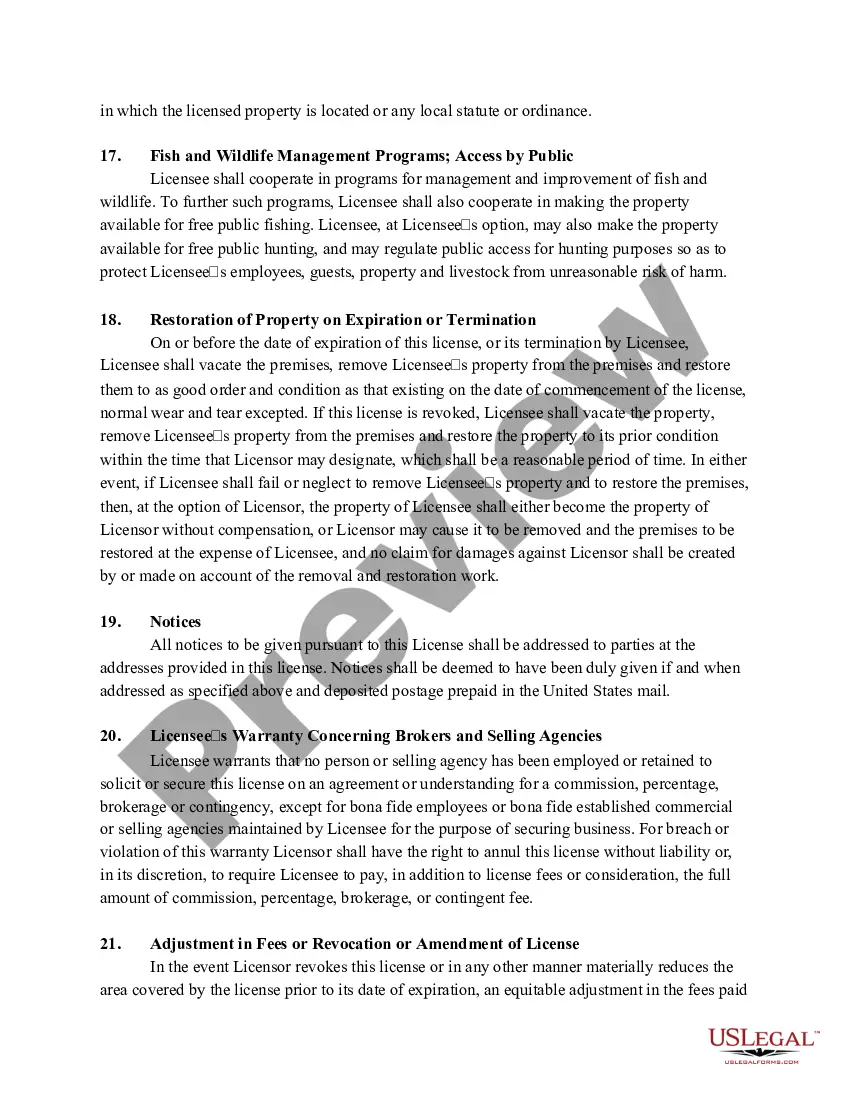
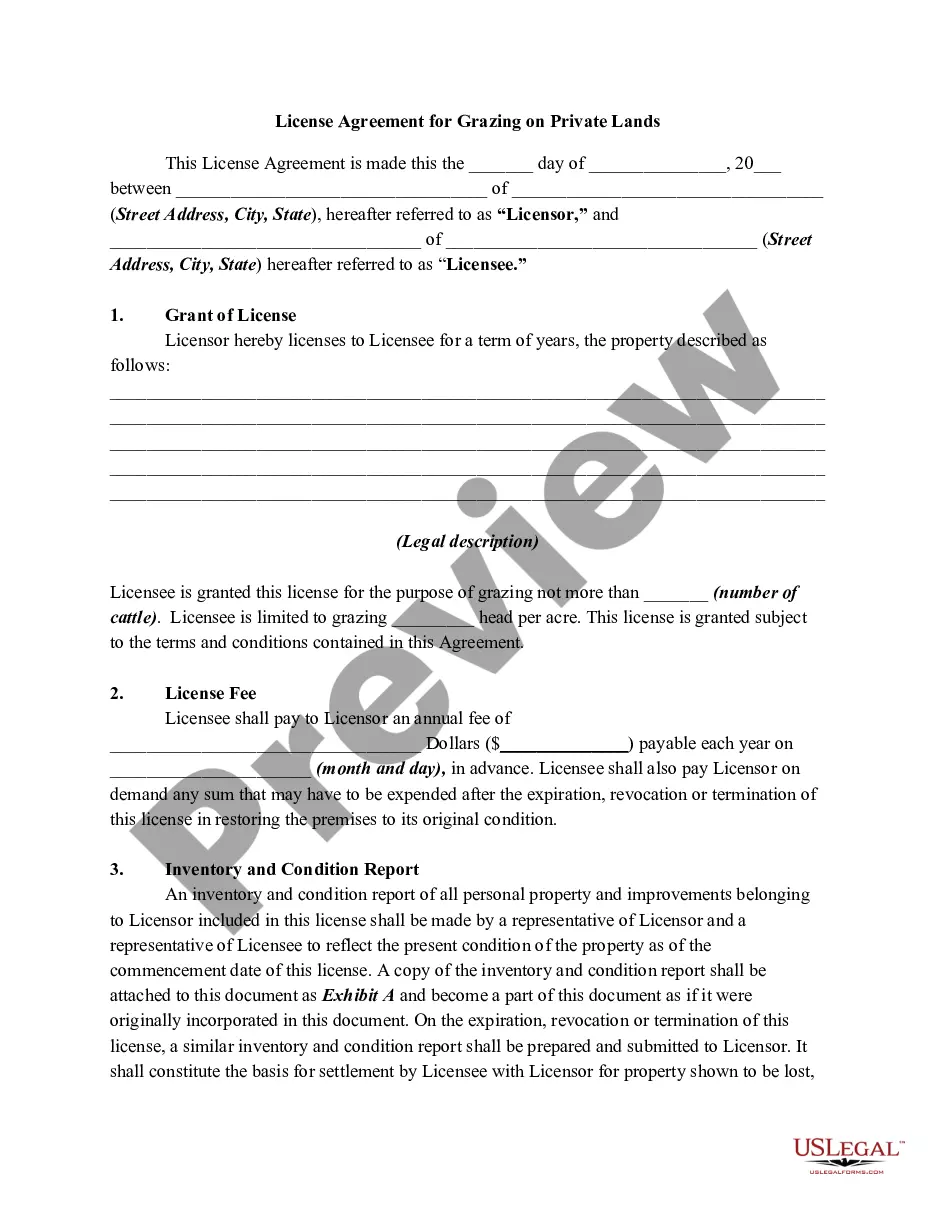
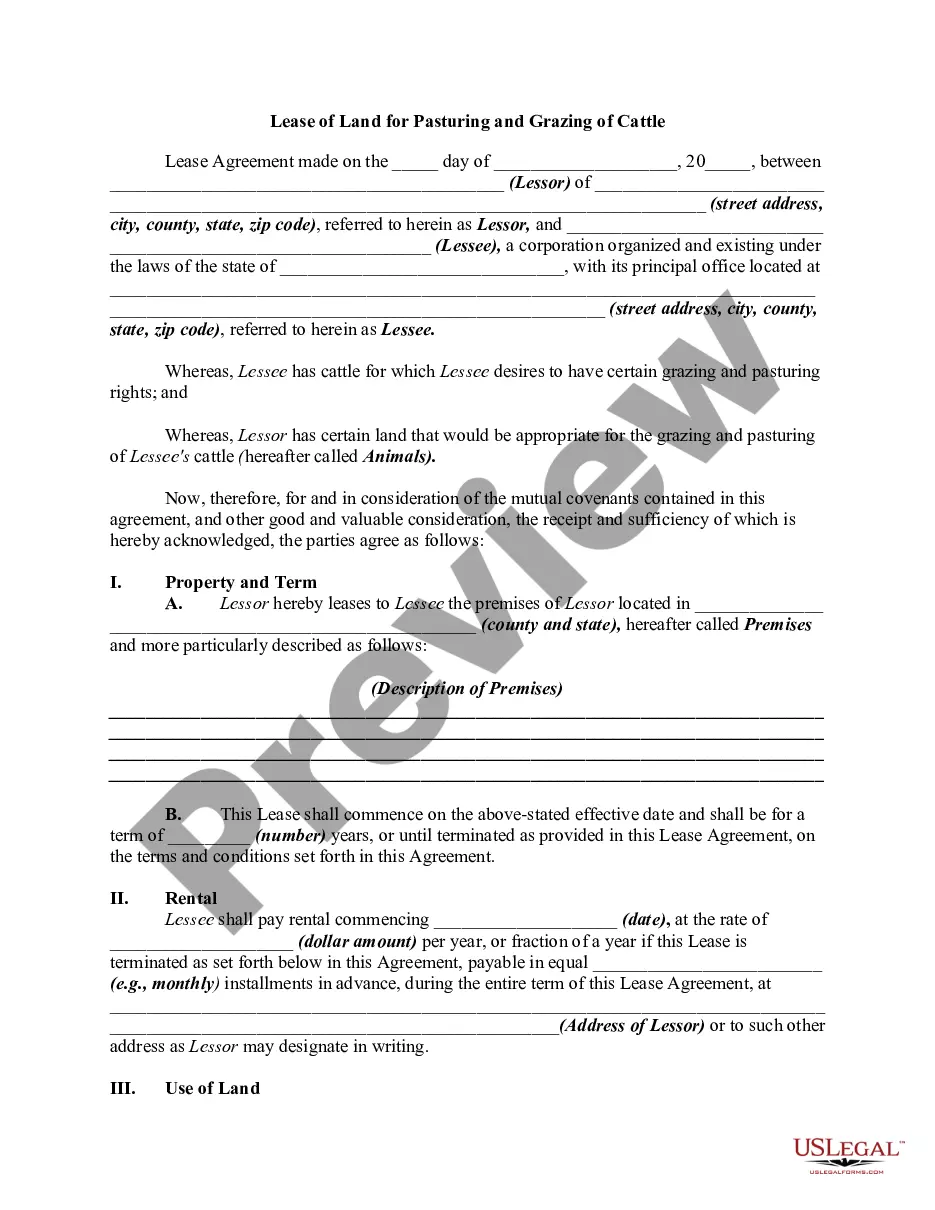
Get your form ready online
Our built-in tools help you complete, sign, share, and store your documents in one place.
Make edits, fill in missing information, and update formatting in US Legal Forms—just like you would in MS Word.
Download a copy, print it, send it by email, or mail it via USPS—whatever works best for your next step.
Sign and collect signatures with our SignNow integration. Send to multiple recipients, set reminders, and more. Go Premium to unlock E-Sign.
If this form requires notarization, complete it online through a secure video call—no need to meet a notary in person or wait for an appointment.
We protect your documents and personal data by following strict security and privacy standards.

Make edits, fill in missing information, and update formatting in US Legal Forms—just like you would in MS Word.

Download a copy, print it, send it by email, or mail it via USPS—whatever works best for your next step.

Sign and collect signatures with our SignNow integration. Send to multiple recipients, set reminders, and more. Go Premium to unlock E-Sign.

If this form requires notarization, complete it online through a secure video call—no need to meet a notary in person or wait for an appointment.

We protect your documents and personal data by following strict security and privacy standards.
Looking for another form?

Form popularity
FAQ
Key elements of a Nigerian Tenancy Agreement include: Parties Involved: Identifies landlord and tenant, along with their addresses Property Details: Specifies the property address being rented Lease Term: Clearly outlines tenancy start and end dates Financial Obligations: Details rent amount, additional charges, and ...
Key Elements of a Legally Binding Tenancy Agreement Property Details: Include a precise description of the rental property. Financial Terms: Specify the rental amount, payment method, due date, and any security deposits. Duration and Renewal: Outline the tenancy period and conditions for renewal or termination.
If you're married or in a civil partnership Your partner will have rights in the home after they move in, even if they're not on the tenancy agreement: you cannot end the tenancy without their permission, unless you apply for a court order.
A tenant has right to sole usage of the tenanted premises to the exclusion of all others. Any interference without the permission of the tenant will amount to trespass. A tenant has right to a valid notice to quit before being evicted from the tenanted premises.
Another example is the Recovery of Premises Law 1997 of Abuja which recognizes three types of tenancy: monthly tenancy, quarterly tenancy, and yearly tenancy. The law also provides for some unique provisions, such as: Requiring notice for termination of tenancy agreement.
Each person named on the tenancy agreement needs to sign the agreement and all tenants must be over 18 years old. If someone under the age of 18 is occupying the property they can be named as an occupier but not legally sign the agreement.
Assured Shorthold Tenancies, or ASTs, are the most common agreement for private rentals, typically lasting six to twelve months. With an AST, your landlord is required to protect your deposit in a government-approved scheme.
You have the 'right to unwind' a tenancy agreement if you signed it because of misleading information given by the landlord or agent. Not mentioning something does not count as misleading information although this could still be an unfair trading practice.
The tenancy agreement should include: the deposit amount and how it will be protected. when the deposit can be fully or partly withheld, for example to repair damage caused by tenants. the property address. the start and end date of the tenancy. any tenant or landlord obligations. which bills your tenants are responsible for.
