Difference Between Lease And Rental Agreement In Franklin
Description

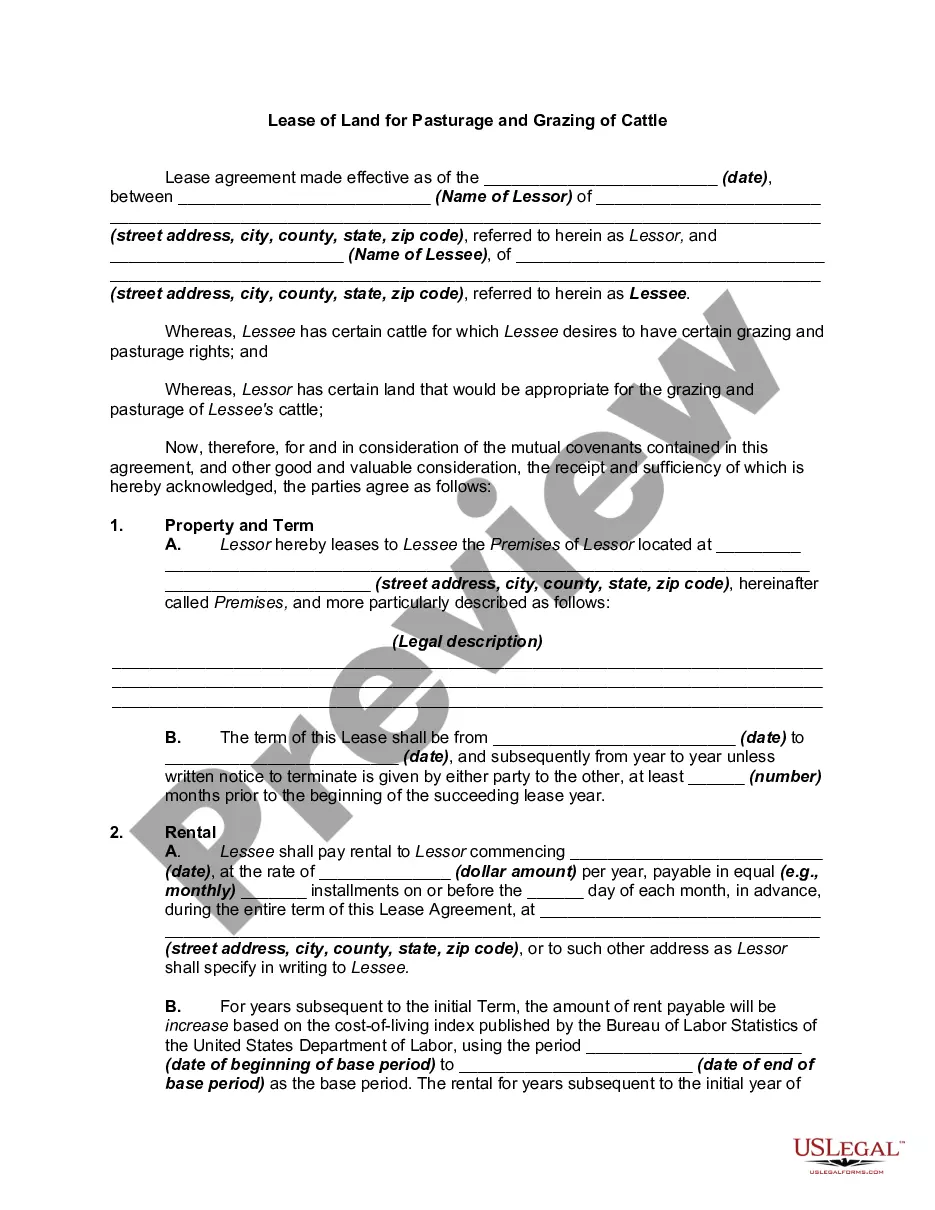
Get your form ready online
Our built-in tools help you complete, sign, share, and store your documents in one place.
Make edits, fill in missing information, and update formatting in US Legal Forms—just like you would in MS Word.
Download a copy, print it, send it by email, or mail it via USPS—whatever works best for your next step.
Sign and collect signatures with our SignNow integration. Send to multiple recipients, set reminders, and more. Go Premium to unlock E-Sign.
If this form requires notarization, complete it online through a secure video call—no need to meet a notary in person or wait for an appointment.
We protect your documents and personal data by following strict security and privacy standards.

Make edits, fill in missing information, and update formatting in US Legal Forms—just like you would in MS Word.

Download a copy, print it, send it by email, or mail it via USPS—whatever works best for your next step.

Sign and collect signatures with our SignNow integration. Send to multiple recipients, set reminders, and more. Go Premium to unlock E-Sign.

If this form requires notarization, complete it online through a secure video call—no need to meet a notary in person or wait for an appointment.

We protect your documents and personal data by following strict security and privacy standards.
Looking for another form?

Form popularity
FAQ
Rental agreements are very similar to lease agreements. The biggest difference between lease agreements and rental agreements lies in the length of the contract. Unlike a long-term lease agreement, a rental agreement provides tenancy for a shorter period of time—usually 30 days.
The main difference between leasing and renting is the length of tenancy. While these terms are often used interchangeably, renting is a term used to refer to short-term arrangements, usually on a month-to-month basis. In contrast, leasing refers to long-term agreements of six months to a year or more.
There are two key benefits to choosing a long-term rental over a lease: speed and flexibility. Leasing a car often requires a credit check and a longer application process.
The lease length can differ based on your location, property type, needs, and the current state of the market. Residential leases are shorter, typically around 6 months to a year. Commercial leases, depending on various factors, can range from 3 years to 10 or more.
term lease agreement lasts anywhere from three to six months, or can go monthtomonth until the tenant decides to move out. Longterm leases are anything longer than six months and can go up to 15 months before needing to make a new lease.
In India, there are two different kinds of rent agreements, one of which is a lease with a minimum term of 12 months. Rent Control Laws established by the State Government regulate this. The other kind is a lease and license contract that lasts up to 11 months and is exempt from rent control laws.
While both lease and rental agreements involve a legal arrangement between a tenant and a rental property owner, the key differences lie in the term length and flexibility of the terms.
A lease agreement is a contract between a landlord and a tenant that covers the renting of property for long periods of time, usually a period of 12 months or more.
There is no set term for a lease, but in the past, many residential leases were for 99 years. However, most new leases are for at least 125 years and sometimes considerably longer. The main reason new leases are now longer is to improve mortgageability.
A tenant that has permission from a landlord to occupy a property without a formal lease is considered a “tenant-at-will.” Tenancy-at-will is governed by provincial law and may also be called a month-to-month lease.
