Lease Rent Agreement Format In Florida
Description
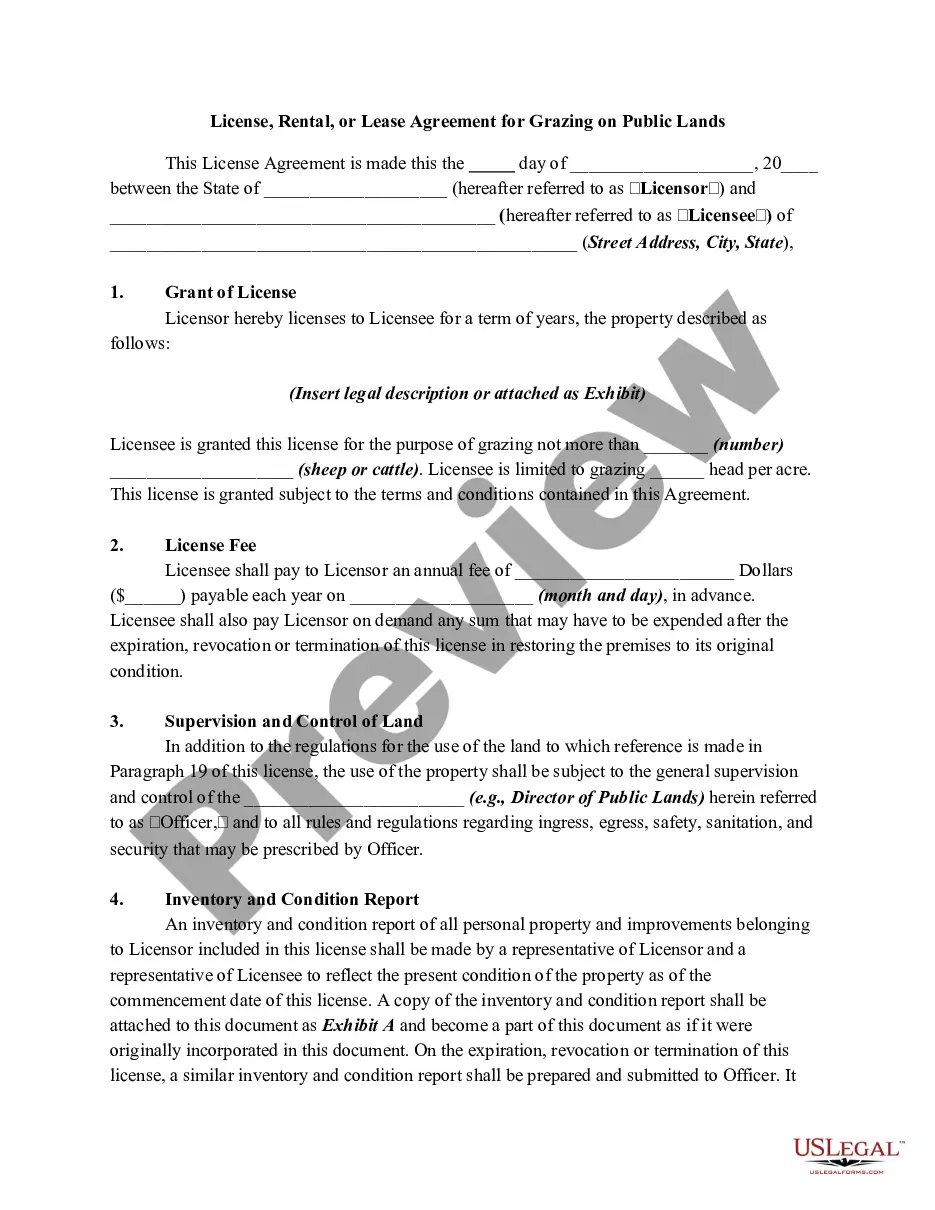
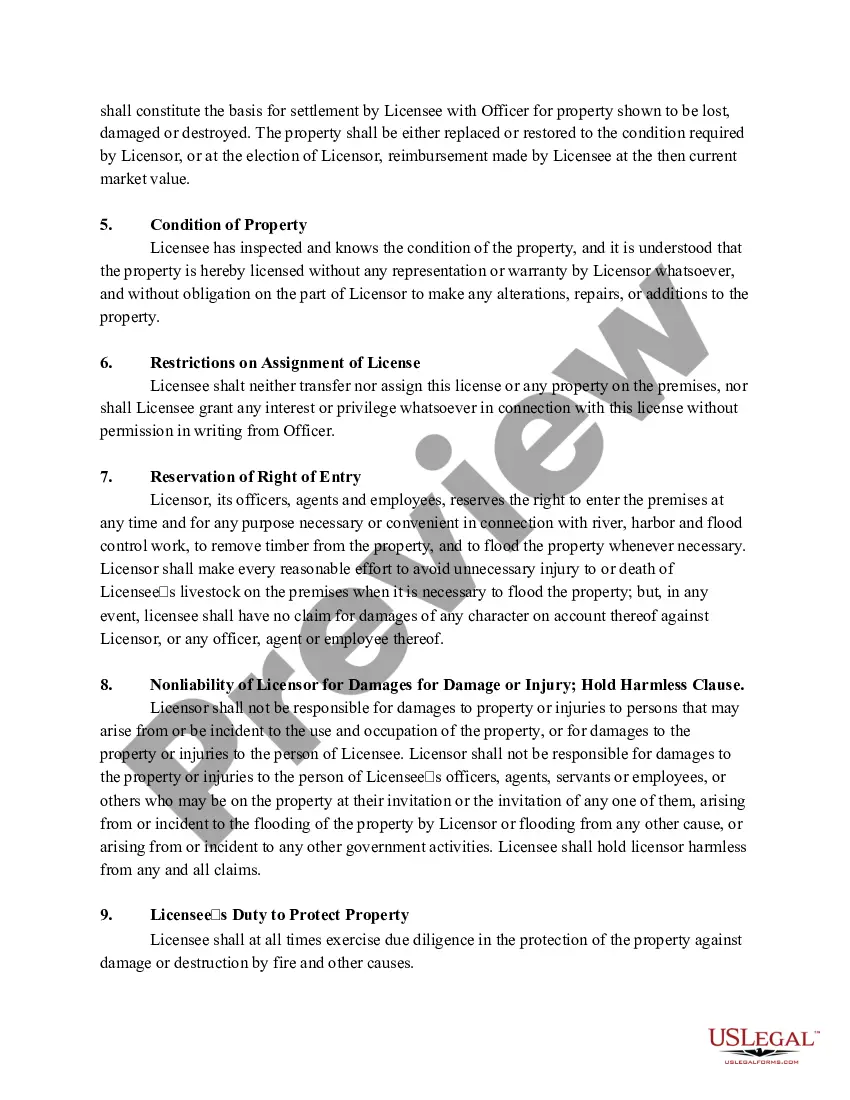
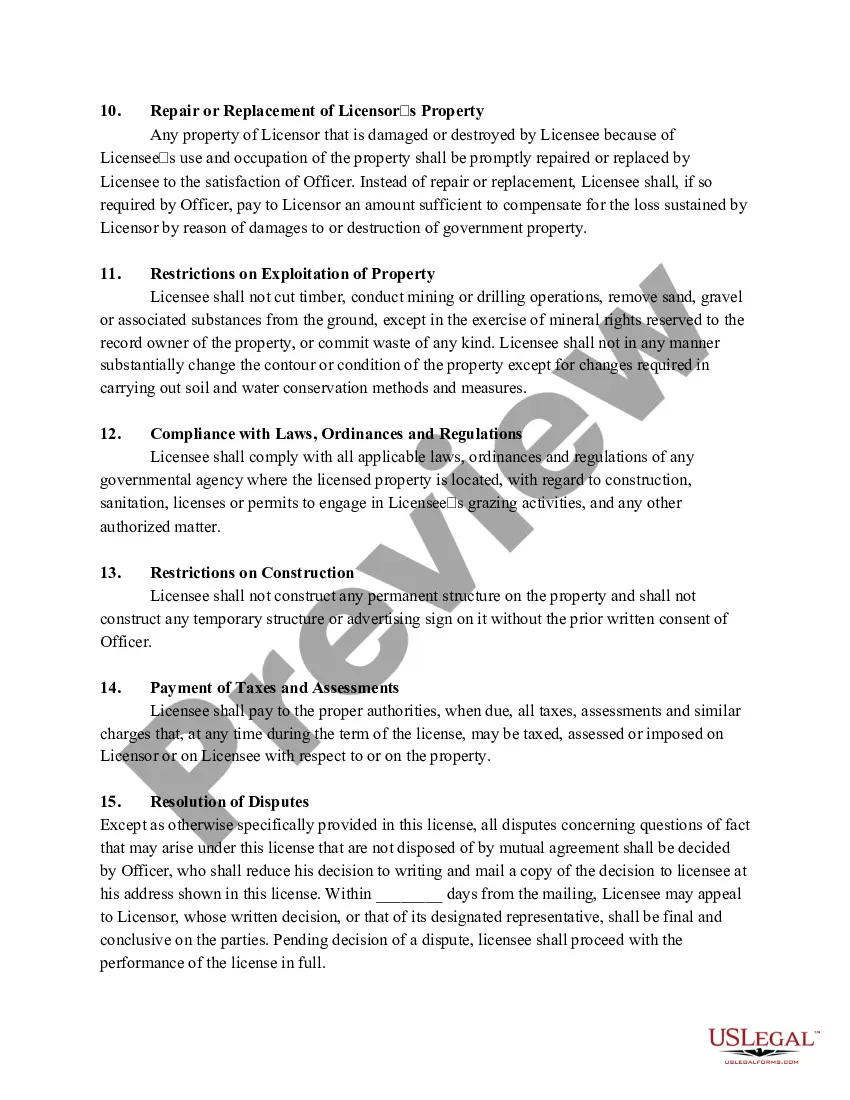
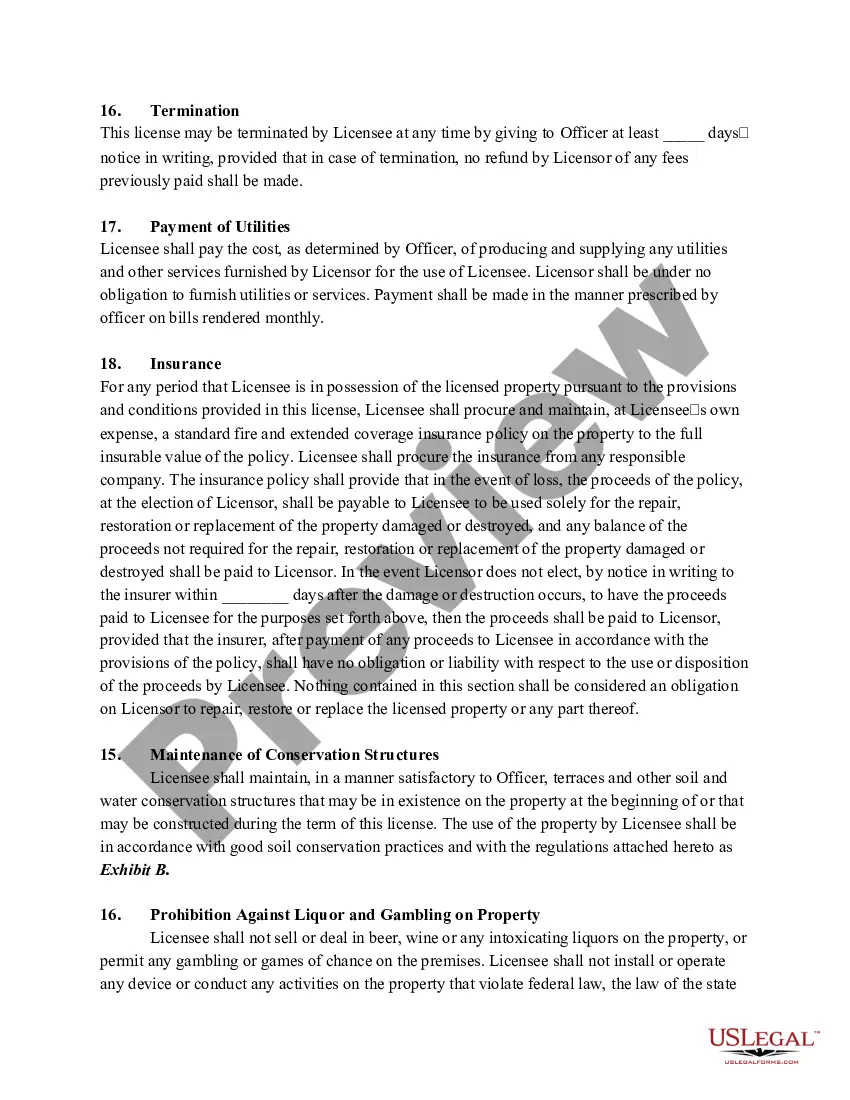
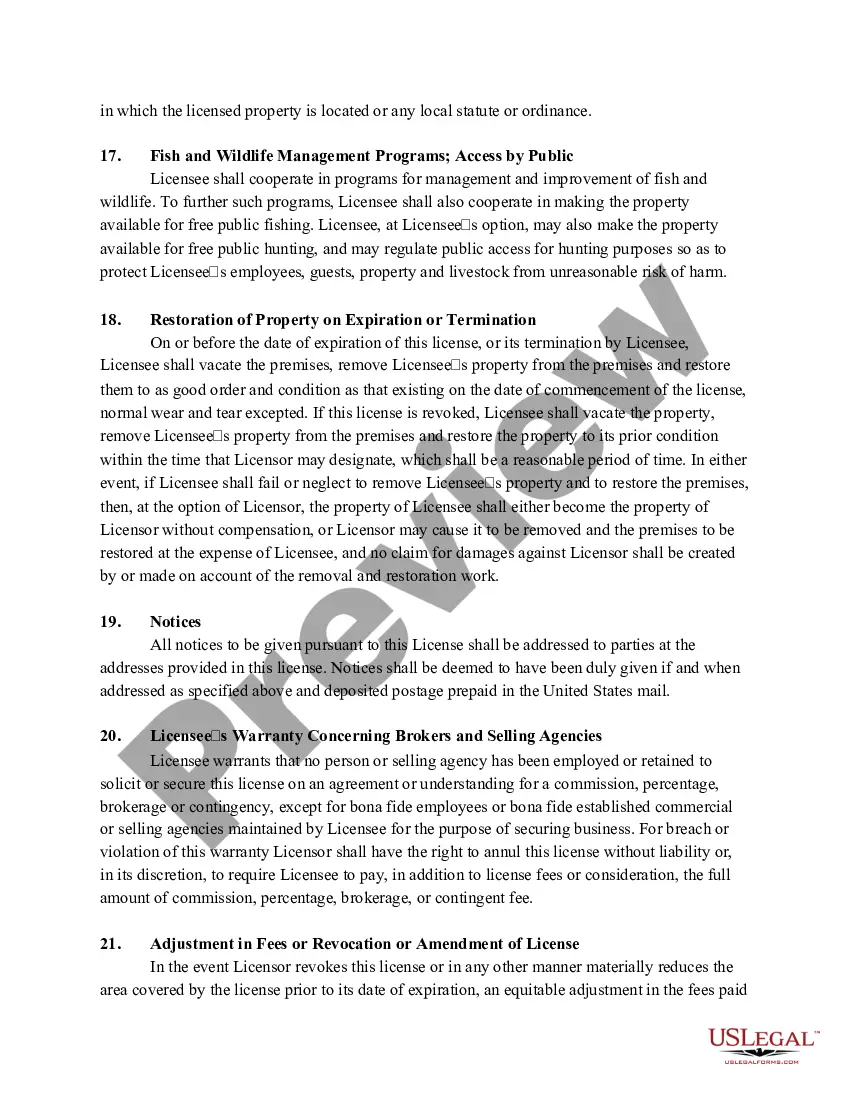
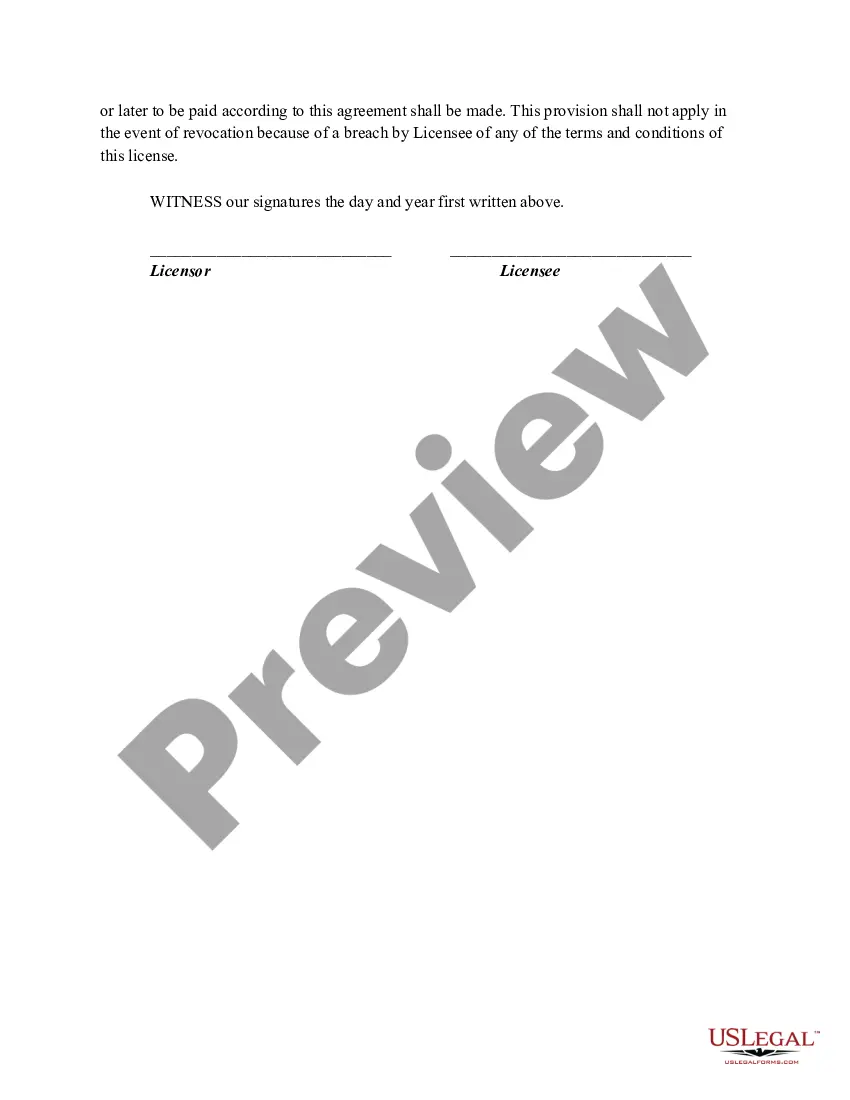
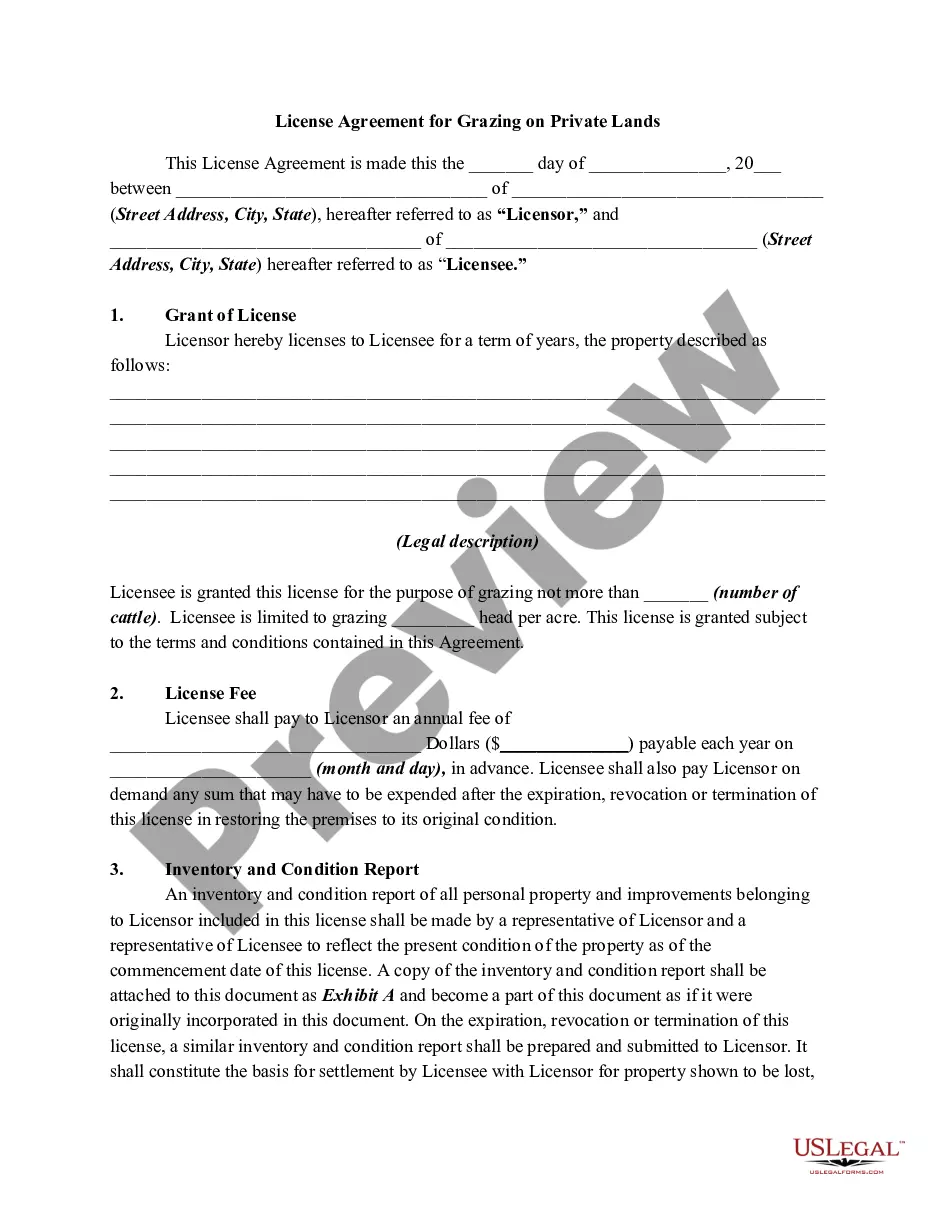
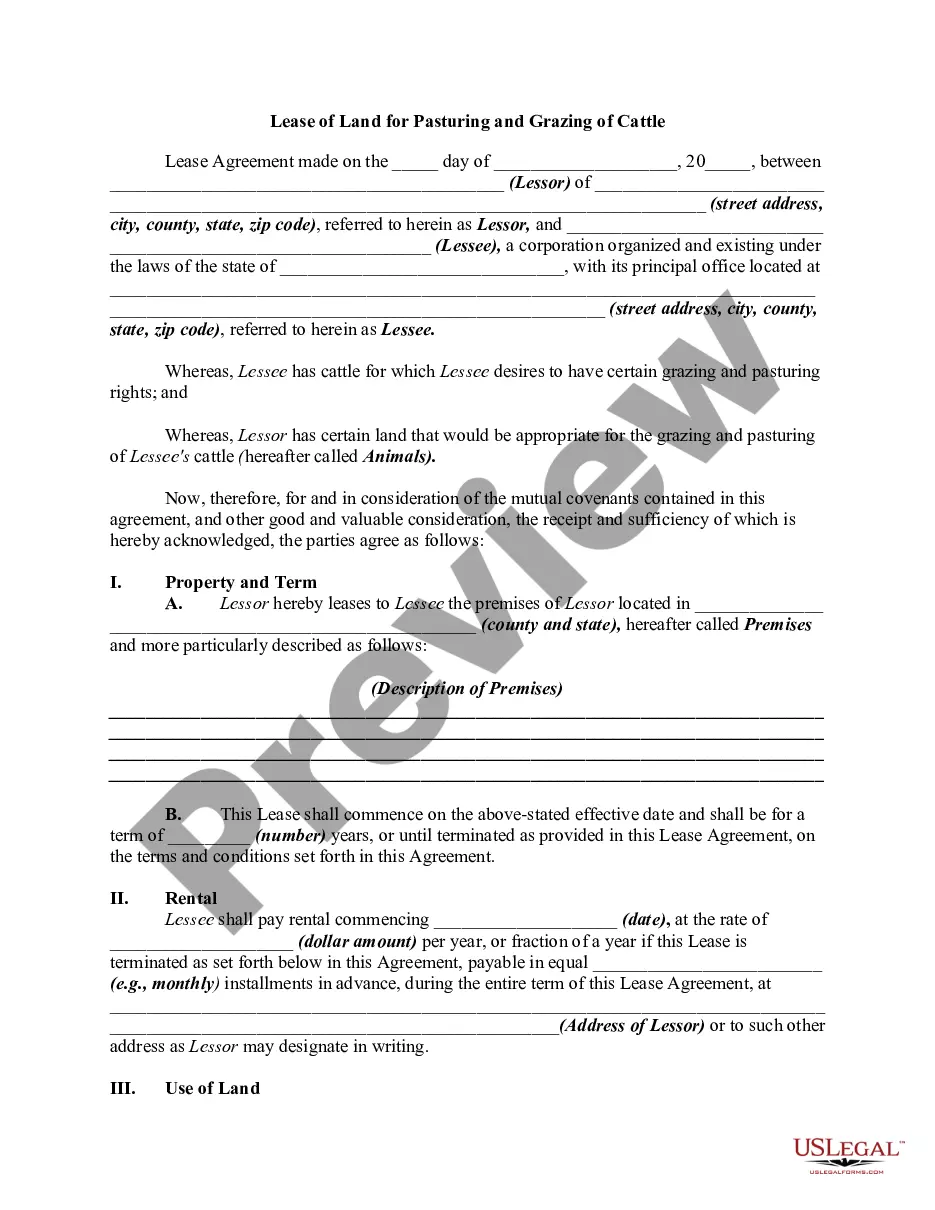
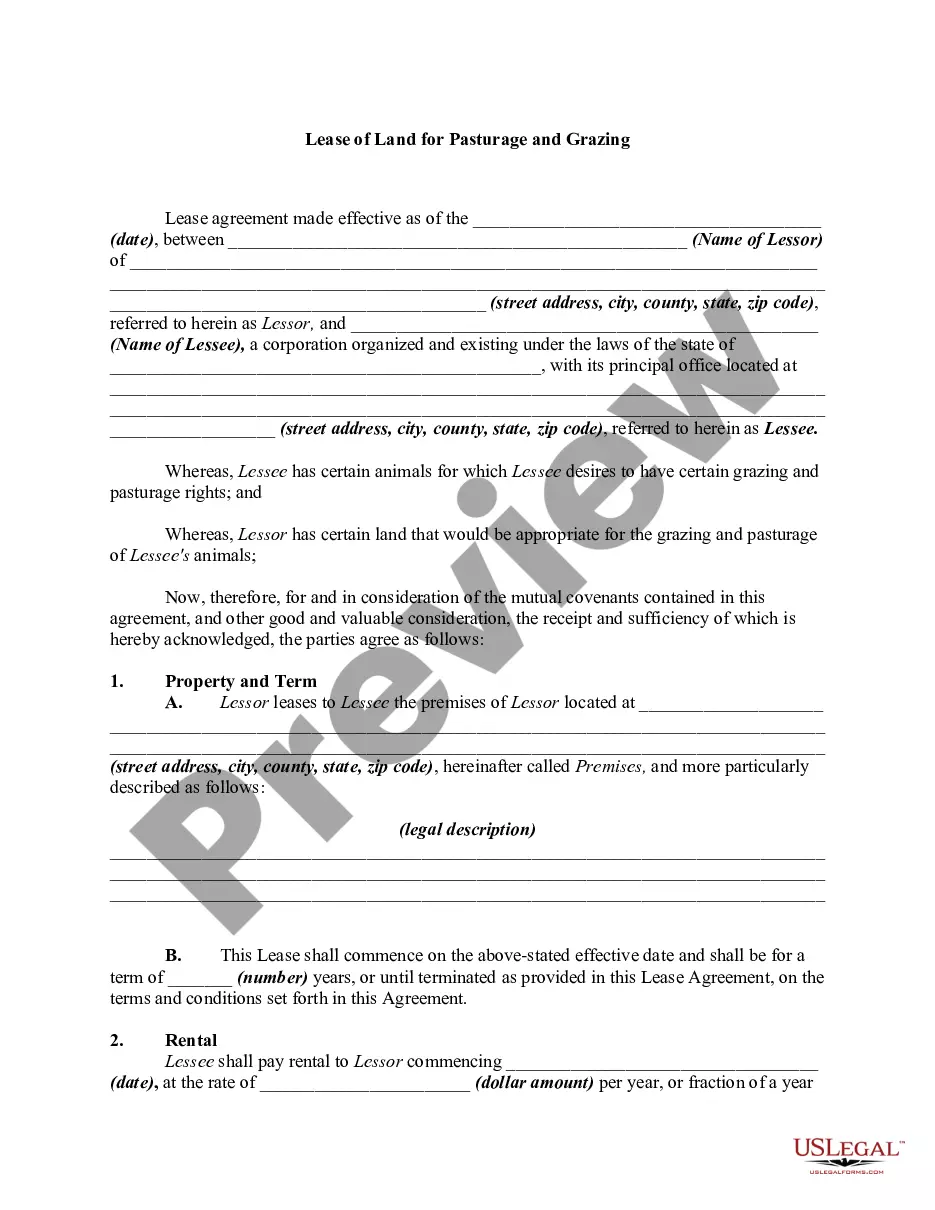
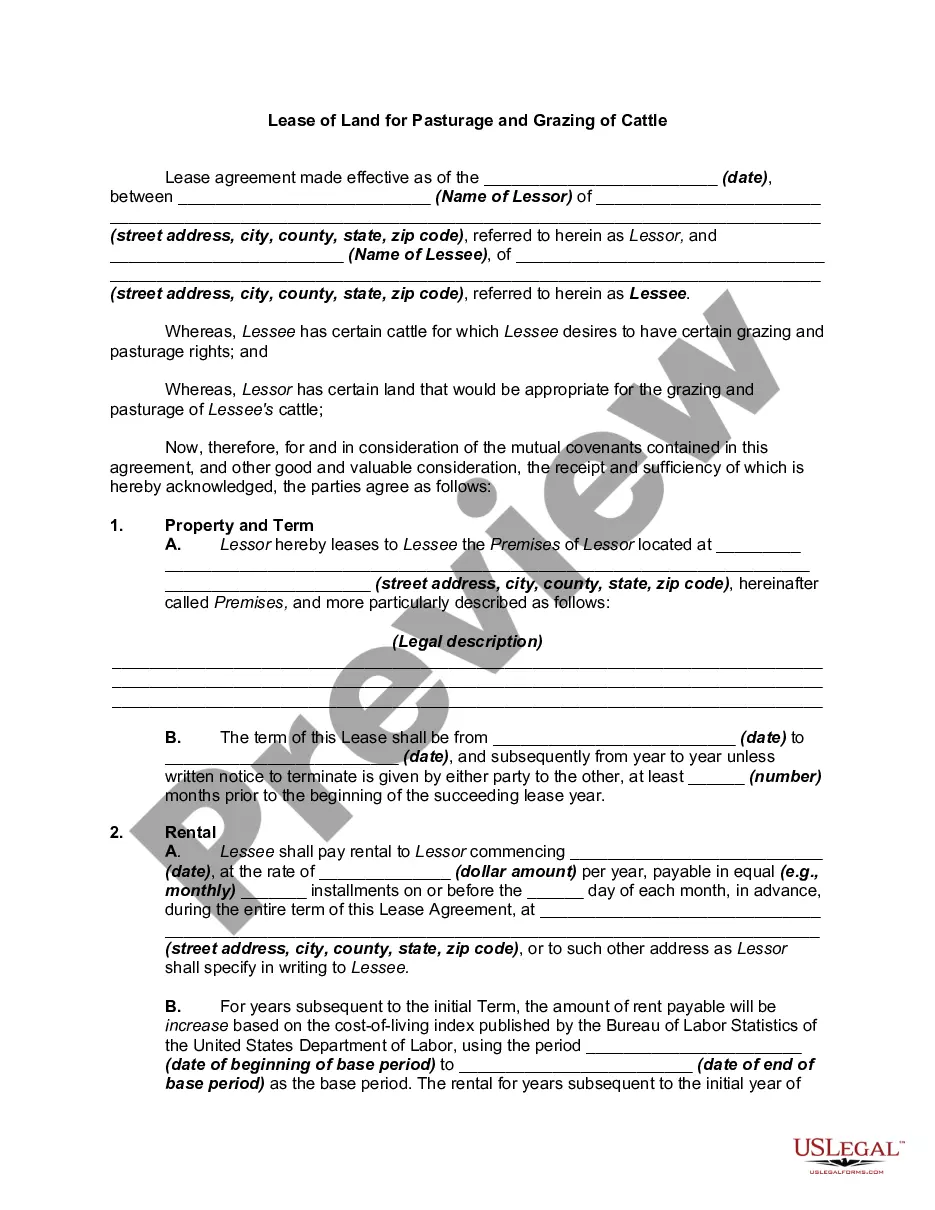
Get your form ready online
Our built-in tools help you complete, sign, share, and store your documents in one place.
Make edits, fill in missing information, and update formatting in US Legal Forms—just like you would in MS Word.
Download a copy, print it, send it by email, or mail it via USPS—whatever works best for your next step.
Sign and collect signatures with our SignNow integration. Send to multiple recipients, set reminders, and more. Go Premium to unlock E-Sign.
If this form requires notarization, complete it online through a secure video call—no need to meet a notary in person or wait for an appointment.
We protect your documents and personal data by following strict security and privacy standards.

Make edits, fill in missing information, and update formatting in US Legal Forms—just like you would in MS Word.

Download a copy, print it, send it by email, or mail it via USPS—whatever works best for your next step.

Sign and collect signatures with our SignNow integration. Send to multiple recipients, set reminders, and more. Go Premium to unlock E-Sign.

If this form requires notarization, complete it online through a secure video call—no need to meet a notary in person or wait for an appointment.

We protect your documents and personal data by following strict security and privacy standards.
Looking for another form?










Form popularity
FAQ
Legal purpose: The lease agreement must be lawful and not involve illegal activities. Compliance with laws: The lease must adhere to all relevant laws and regulations, including those specific to Florida and any local ordinances that may apply.
Yes, you can write your lease agreement in Florida. However, consulting with a qualified attorney or utilizing a professionally drafted lease agreement template is highly recommended to ensure that it complies with all applicable laws and regulations.
The Florida Standard Lease Agreement instructs the particulars of a transaction to lease a residential unit to a written transcript.
Notarization: Unlike some legal documents, residential leases in Florida do not typically need to be notarized. The critical aspect is that both parties have agreed to the terms and have demonstrated this agreement by signing the lease.
Lease agreements are considered to be legally binding once the document is signed by both parties.
Once properly executed and signed, a Florida lease agreement does not require notarization as a validity requirement. While all documents recorded in public records are notarized, notarizing a commercial lease agreement will not affect its validity – neither positively nor negatively.
If you rent a house, apartment, inium or mobile home to another person, you enter into a legal contract known as a rental agreement. This rental agreement need not be in writing.
Several elements must be present for a lease to be valid in Florida. These include: Offer and acceptance: The landlord and the tenant must voluntarily agree to the lease terms. Legal capacity: Both parties must have the legal capacity to enter into a contract, meaning they must be of legal age and mentally competent.
