Lease Without License In Cuyahoga
Description

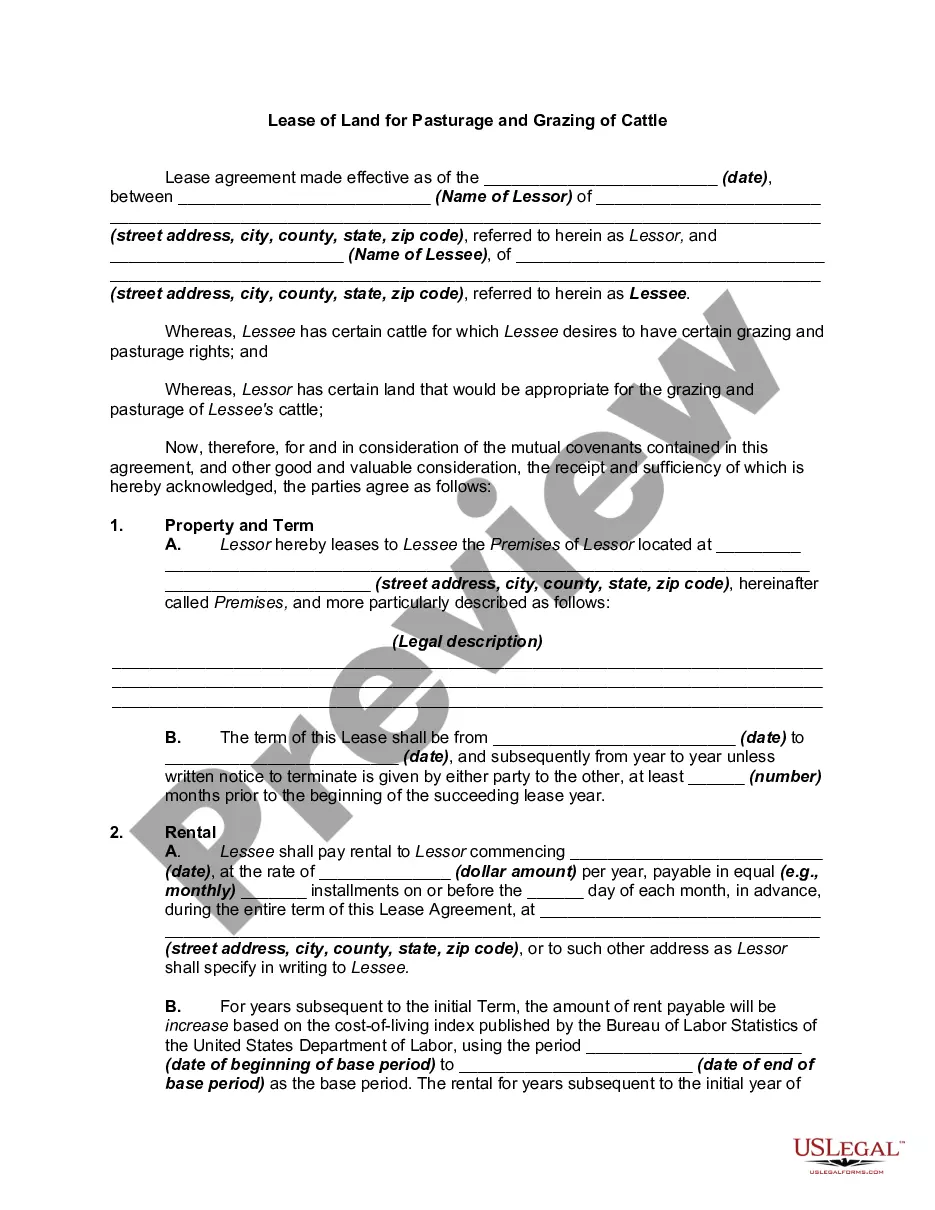
Get your form ready online
Our built-in tools help you complete, sign, share, and store your documents in one place.
Make edits, fill in missing information, and update formatting in US Legal Forms—just like you would in MS Word.
Download a copy, print it, send it by email, or mail it via USPS—whatever works best for your next step.
Sign and collect signatures with our SignNow integration. Send to multiple recipients, set reminders, and more. Go Premium to unlock E-Sign.
If this form requires notarization, complete it online through a secure video call—no need to meet a notary in person or wait for an appointment.
We protect your documents and personal data by following strict security and privacy standards.

Make edits, fill in missing information, and update formatting in US Legal Forms—just like you would in MS Word.

Download a copy, print it, send it by email, or mail it via USPS—whatever works best for your next step.

Sign and collect signatures with our SignNow integration. Send to multiple recipients, set reminders, and more. Go Premium to unlock E-Sign.

If this form requires notarization, complete it online through a secure video call—no need to meet a notary in person or wait for an appointment.

We protect your documents and personal data by following strict security and privacy standards.
Looking for another form?

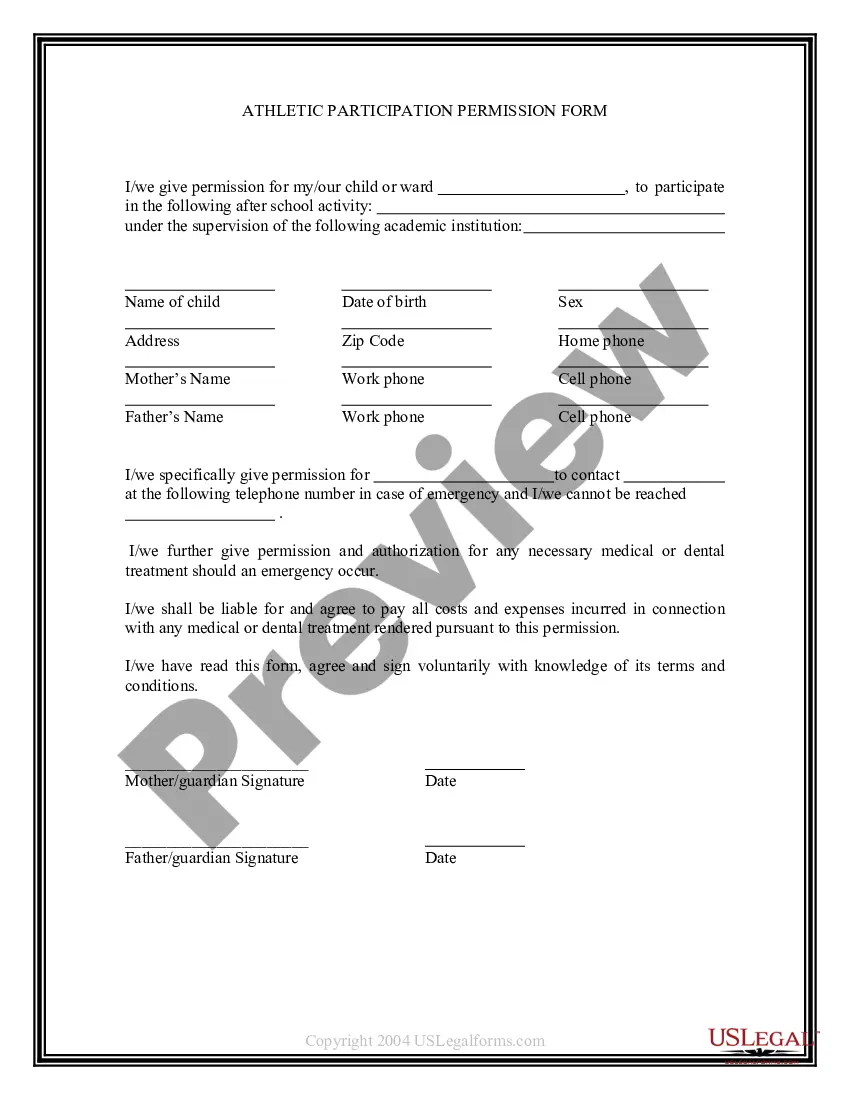








Form popularity
FAQ
Rental income in Ohio is subject to state and federal taxes.
The Housing Code requires owners of all rental property to annually obtain a Housing Rental License and all owners of two-family dwellings to annually obtain either a Housing Rental License or an Exemption.
Is Ohio a Landlord-Friendly State? Ohio is considered a landlord-friendly state since there are few to no regulations for rent control policies and mandatory disclosures.
The Housing Code requires owners of all rental property to annually obtain a Housing Rental License and all owners of two-family dwellings to annually obtain either a Housing Rental License or an Exemption. 4. What services are available for landlords?
You must register your residential rental property with the County even if you have registered your rental property with the municipality where it is located.
The State of Ohio requires that residential rental property owners register their rental properties with the County Auditor.
Ohio law permits unlicensed staff to perform the following services on behalf of the broker: Routine maintenance. Clerical or administrative tasks. Collecting rent and/or security deposits (checks should be made payable to the real estate brokerage or landlord)
How to Rent Out Your House in Cincinnati Understand Ohio Landlord-Tenant Laws. Screen Tenants Thoroughly. Set Competitive Rental Rates. Prepare a Comprehensive Lease Agreement. Maintain the Rental Property. Handle Security Deposits Properly. Communicate Effectively with Tenants. Stay Informed and Seek Professional Advice.
