Liquor License For Lease In Collin
Description

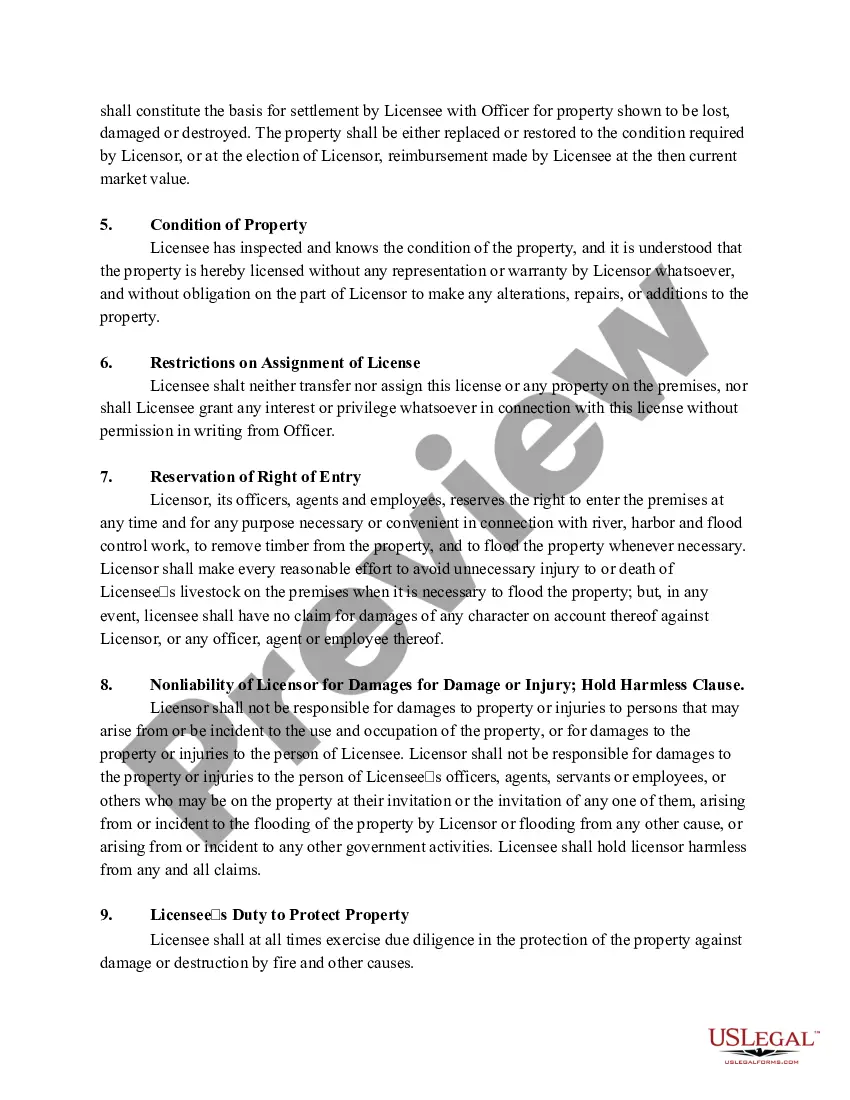
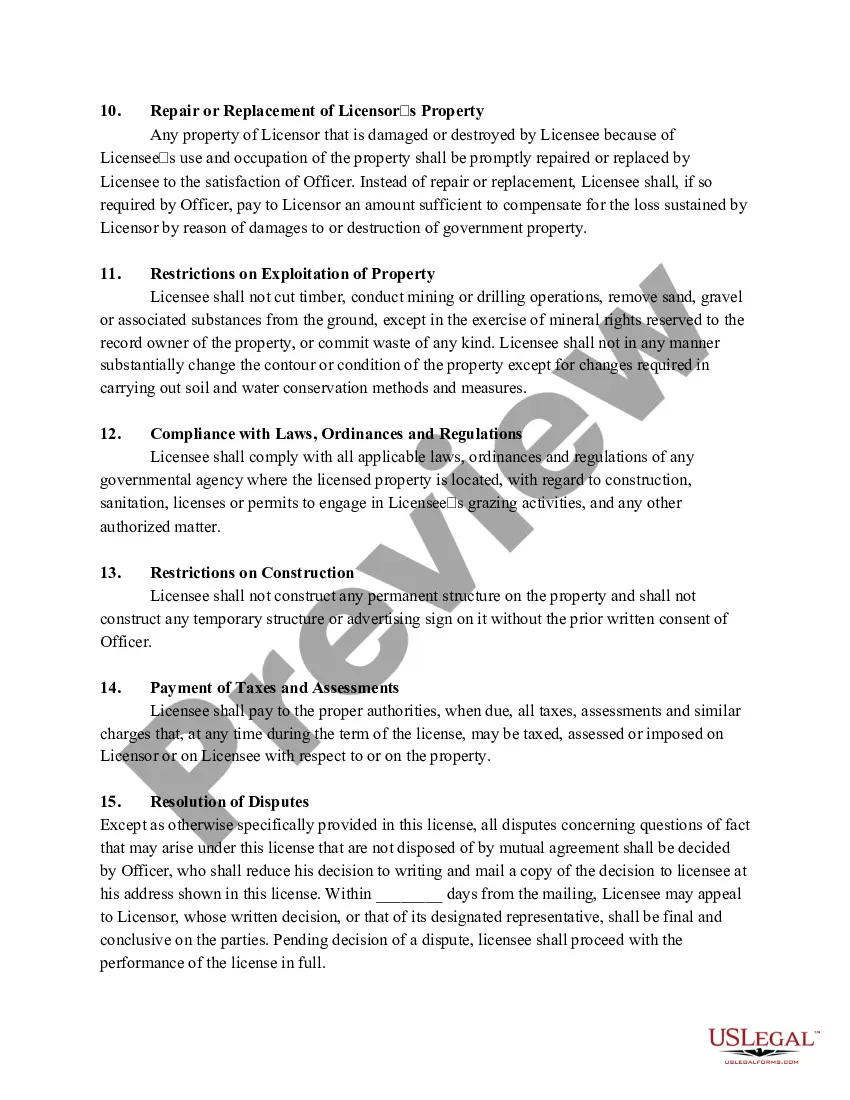
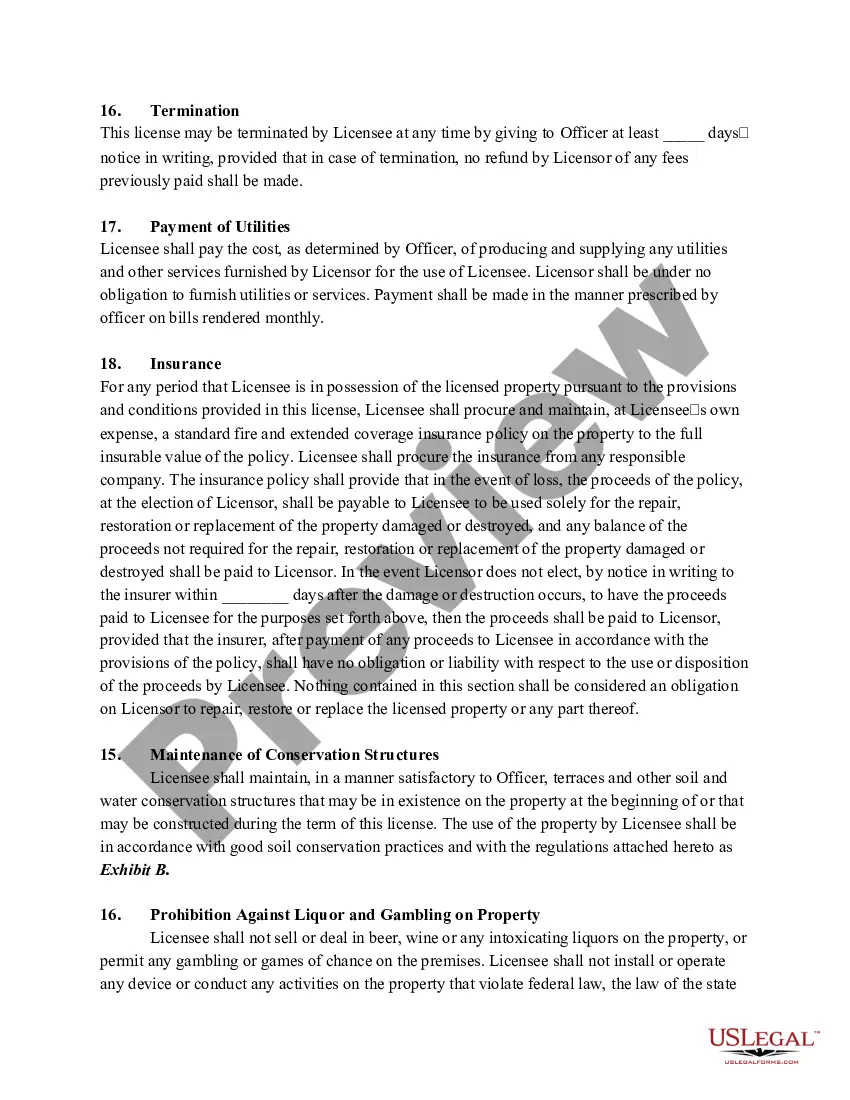
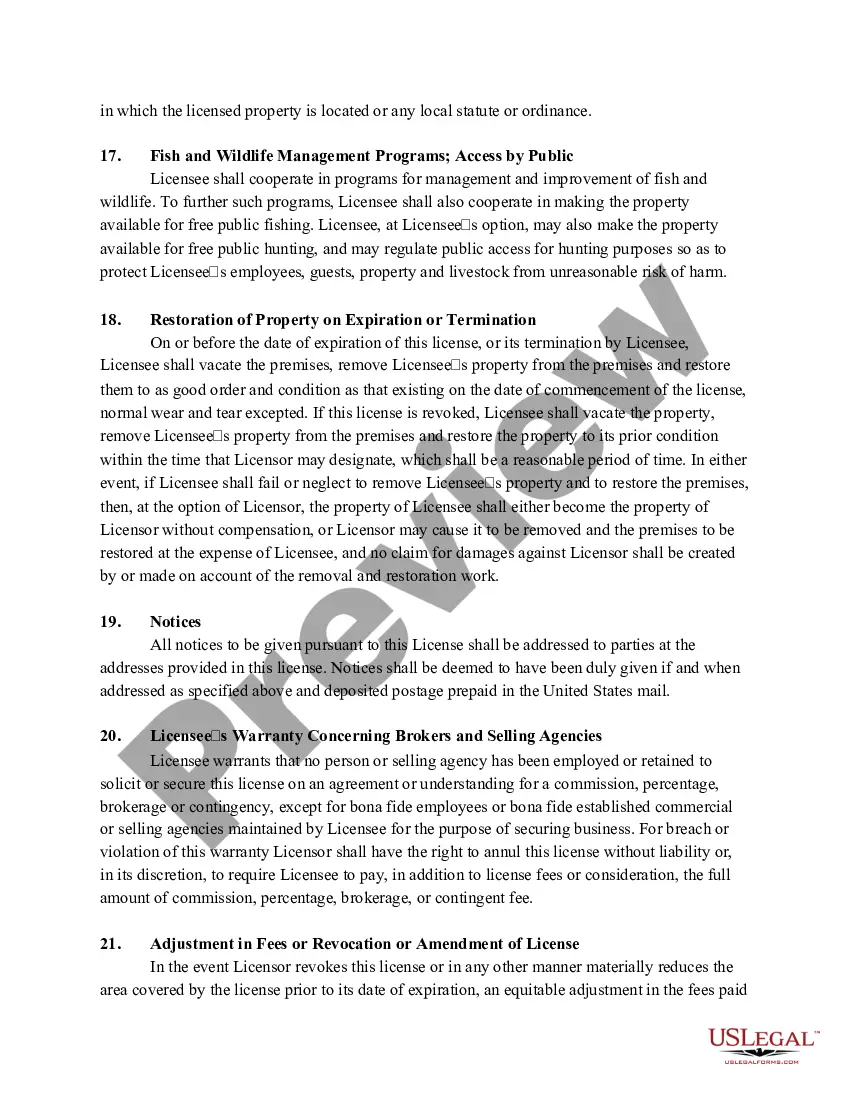
Get your form ready online
Our built-in tools help you complete, sign, share, and store your documents in one place.
Make edits, fill in missing information, and update formatting in US Legal Forms—just like you would in MS Word.
Download a copy, print it, send it by email, or mail it via USPS—whatever works best for your next step.
Sign and collect signatures with our SignNow integration. Send to multiple recipients, set reminders, and more. Go Premium to unlock E-Sign.
If this form requires notarization, complete it online through a secure video call—no need to meet a notary in person or wait for an appointment.
We protect your documents and personal data by following strict security and privacy standards.

Make edits, fill in missing information, and update formatting in US Legal Forms—just like you would in MS Word.

Download a copy, print it, send it by email, or mail it via USPS—whatever works best for your next step.

Sign and collect signatures with our SignNow integration. Send to multiple recipients, set reminders, and more. Go Premium to unlock E-Sign.

If this form requires notarization, complete it online through a secure video call—no need to meet a notary in person or wait for an appointment.

We protect your documents and personal data by following strict security and privacy standards.
Looking for another form?







Form popularity
FAQ
Florida: Similar to other states, Florida typically requires a separate liquor license for each location. Florida has different types of licenses based on the type of establishment and the nature of alcohol sales, so businesses need to ensure they obtain the appropriate license for each location.
In most cases, a liquor license cannot be used at multiple locations, and a separate license is required for each establishment. However, there are exceptions and specific provisions in some states that may allow for multi-location licenses or permits.
Your local ABC office can serve as an excellent resource for those planning to transfer or change an existing ABC license. They can explain the different types of license transfers and answer any questions you may have.
N.J.S.A. -26 provides in pertinent part: “a separate license is required for each specific place of business and the operation and effect of every license is confined to the licensed premises.” However, the definition of “specific place of business” is fluid and allows certain exceptions to this rule.
Apply for an alcoholic beverage permit Apply through the Texas Alcoholic Beverage Commission (TABC) Create an account and complete the application process in the State of Texas' Alcohol Industry Management System (AIMS). Contact the Office of the City Clerk. Receive zoning approval. Make an appointment with the City Clerk.
Common Texas Liquor License Types Mixed Beverage Permit (MB): This is the 'big kahuna' for businesses wanting a full bar experience. It authorizes the sale of all distilled spirits, beer, wine, ale, and malt liquor for consumption on your premises. Restaurants and bars typically hold this license.
However, before you can legally sell or serve alcohol in Texas, you must obtain your liquor license to comply with state laws. The TABC liquor licensing process in the Lone Star State is a critical step that the Texas Alcoholic Beverage Commission (TABC) regulates.
It is divided into three tiers: manufacturing, wholesale and retail. If you want to be in the business of buying, selling, storing, transporting or doing any business activity related to the sale of alcoholic beverages in Texas, you must have a TABC liquor license that authorizes your specific business activity.
If you're providing the alcohol that's being sold, you'll need an appropriate TABC business permit (such as a Mixed Beverage permit or a Malt Beverage and Wine retailer's permit). If your clients or the venue are providing the alcohol, and you're just mixing and serving their liquor, you won't need a permit.
