Difference Between Lease And Rental Agreement In Arizona
Description

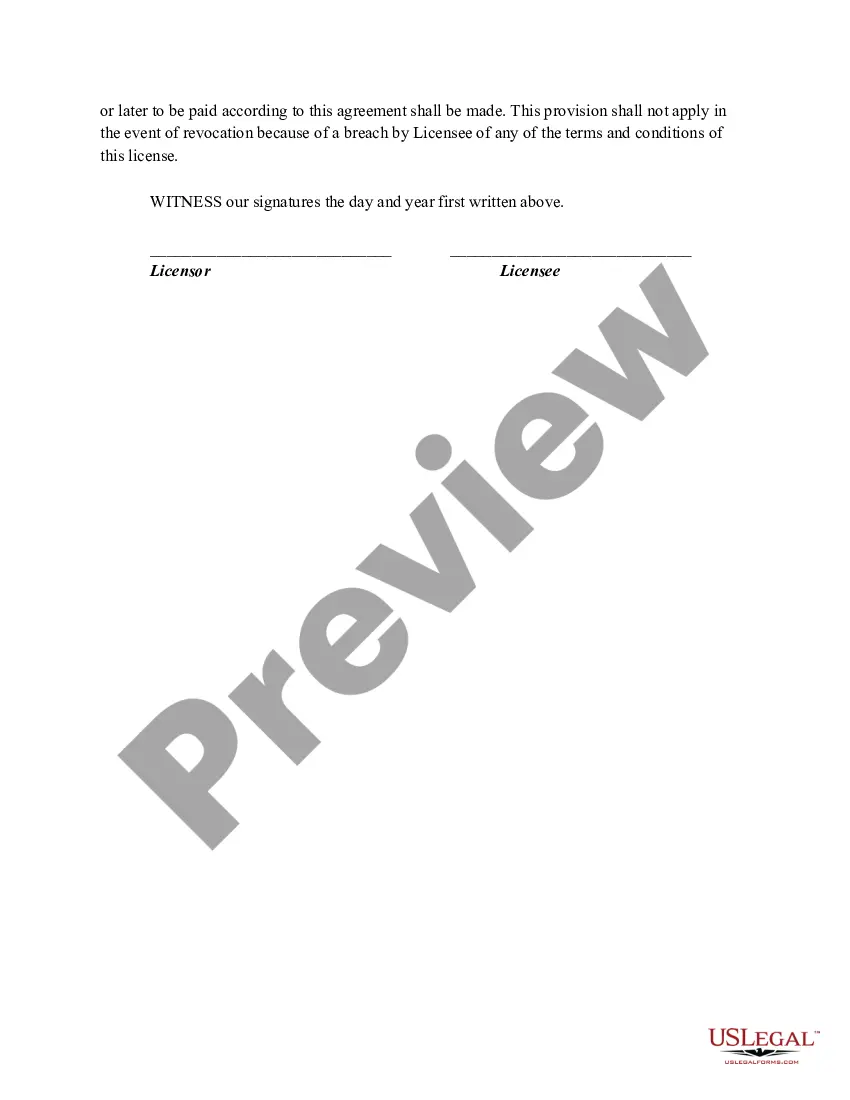
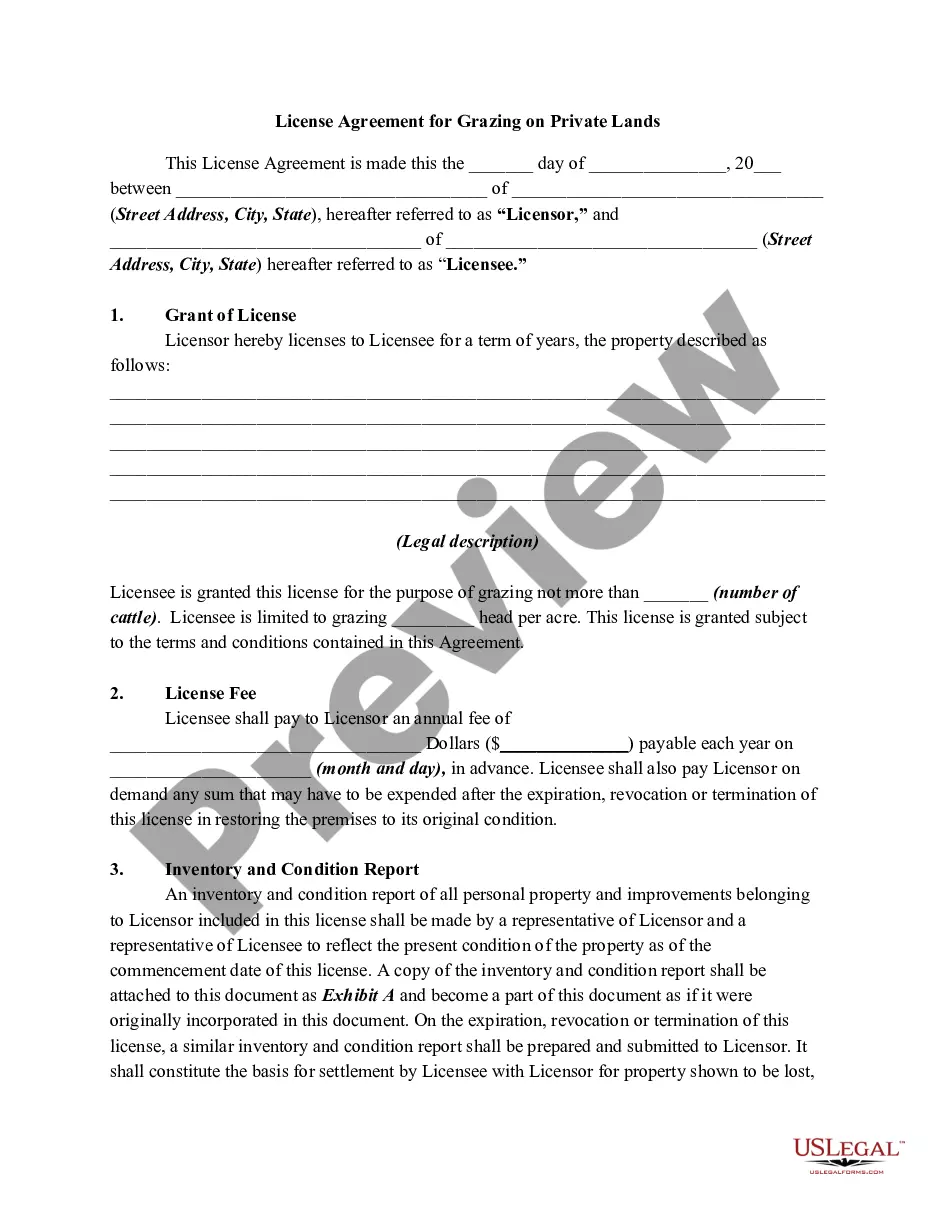
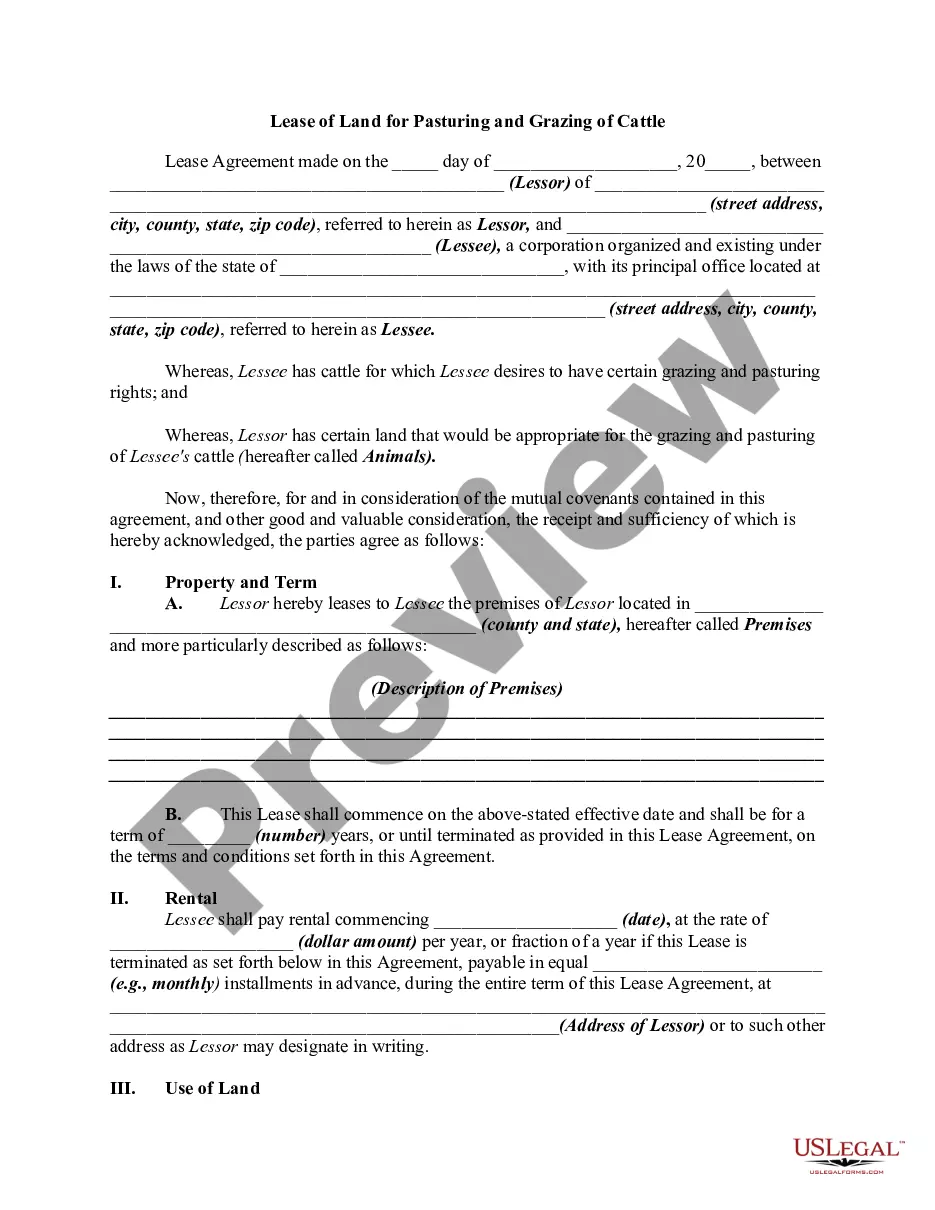
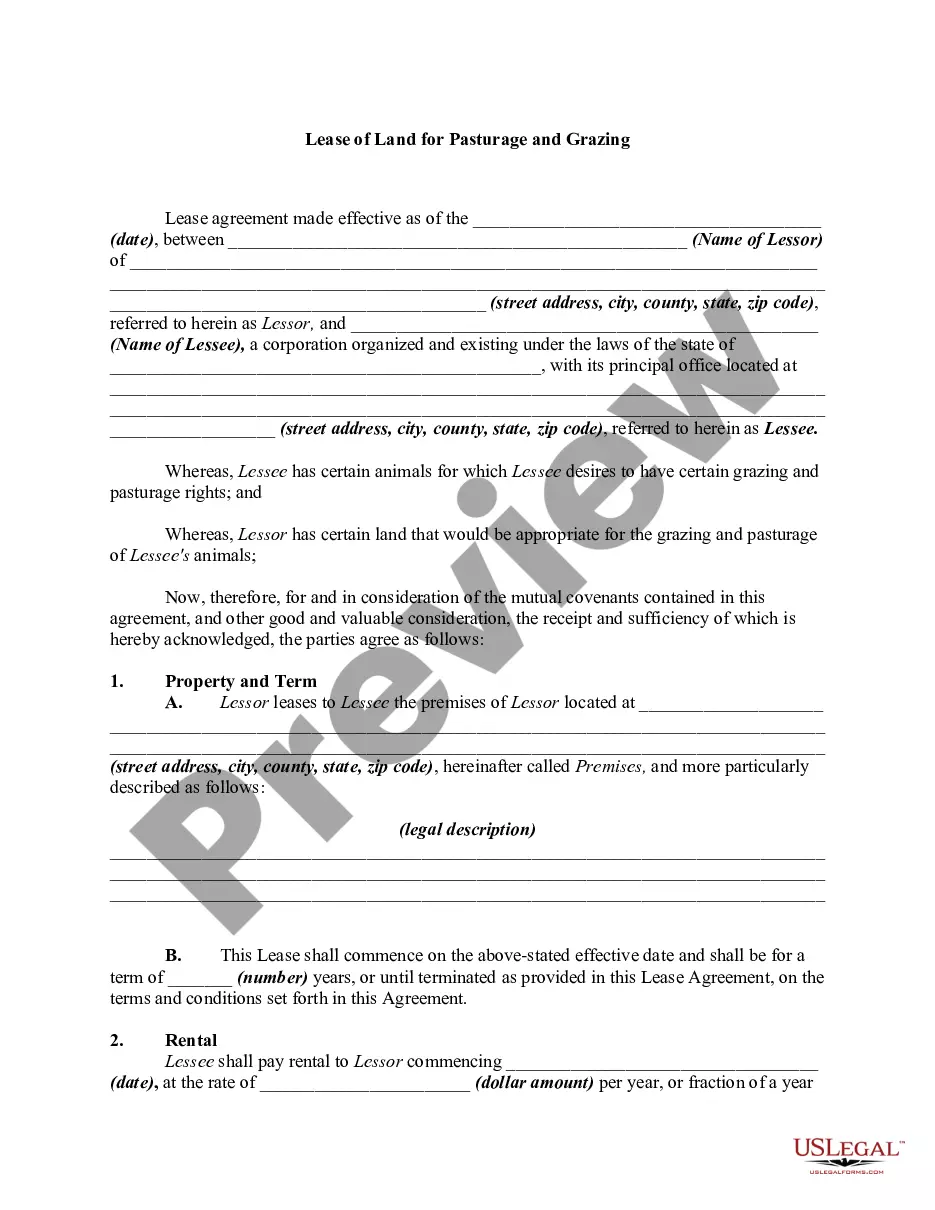
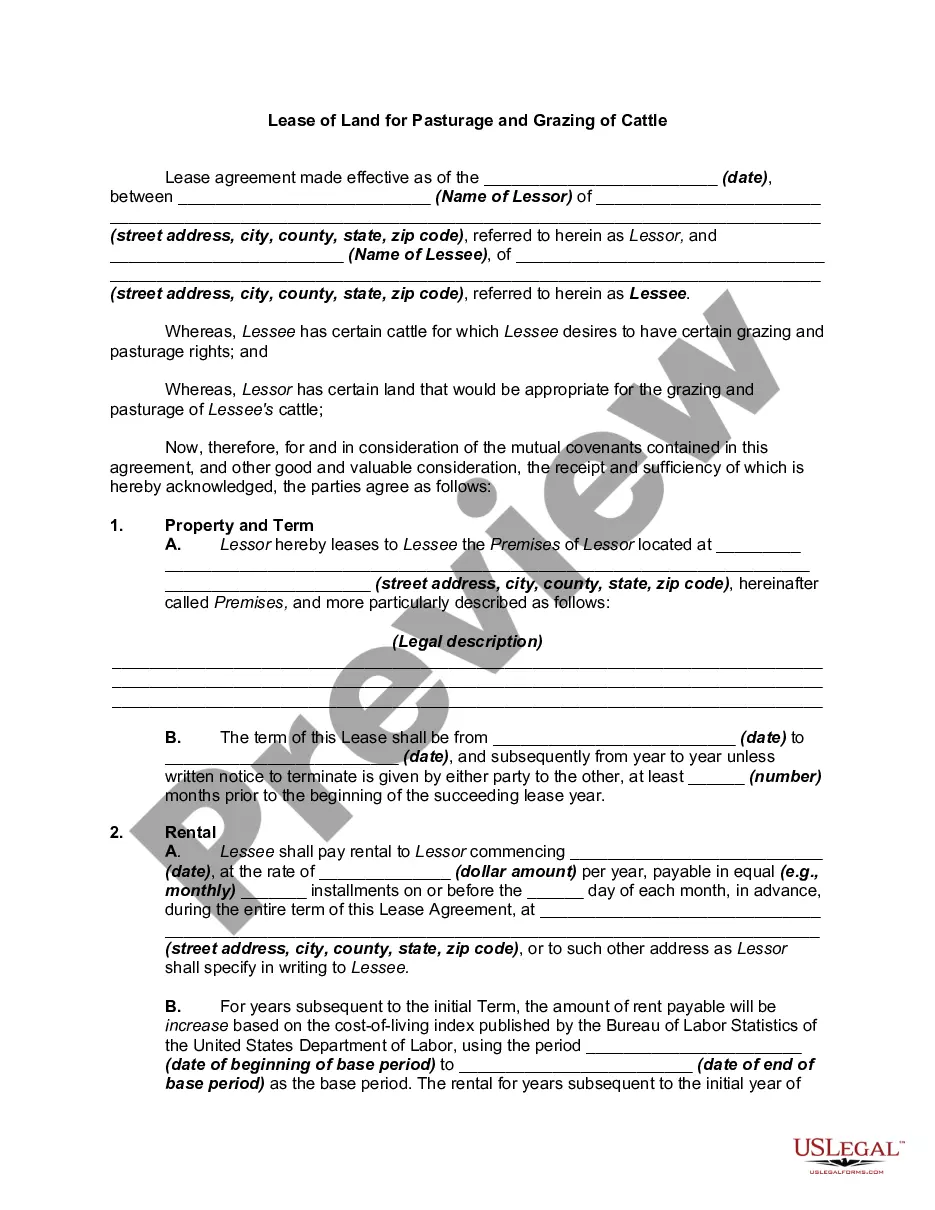
Get your form ready online
Our built-in tools help you complete, sign, share, and store your documents in one place.
Make edits, fill in missing information, and update formatting in US Legal Forms—just like you would in MS Word.
Download a copy, print it, send it by email, or mail it via USPS—whatever works best for your next step.
Sign and collect signatures with our SignNow integration. Send to multiple recipients, set reminders, and more. Go Premium to unlock E-Sign.
If this form requires notarization, complete it online through a secure video call—no need to meet a notary in person or wait for an appointment.
We protect your documents and personal data by following strict security and privacy standards.

Make edits, fill in missing information, and update formatting in US Legal Forms—just like you would in MS Word.

Download a copy, print it, send it by email, or mail it via USPS—whatever works best for your next step.

Sign and collect signatures with our SignNow integration. Send to multiple recipients, set reminders, and more. Go Premium to unlock E-Sign.

If this form requires notarization, complete it online through a secure video call—no need to meet a notary in person or wait for an appointment.

We protect your documents and personal data by following strict security and privacy standards.
Looking for another form?










Form popularity
FAQ
How much notice does a landlord have to give a tenant to move out in Arizona? Arizona landlords have to provide tenants with at least a written 30-day notice. The notice is to inform the tenant that the lease agreement will be ending after 30 days and the tenant will need to move out at that time.
But the landlord can't just kick out the tenant, change the locks, or turn off the utilities. The landlord must follow all the steps the law says must be taken. And the tenant should not just stop paying the rent unless the tenant first follows all the steps the law says must be taken.
Significant changes, such as the amounts of rent or late fees, would effectively create a new tenancy. In that circumstance, a minimum 30-day notice must be given to not renew the month-to-month tenancy under A.R.S.
In Arizona, commercial leases do not need to be notarized. However, if either party desires, they can notarise the rental agreement. Any addendums might also have to be notarized if the lease is notarized.
Answer: As a general rule, the answer is yes. Under the Arizona Residential Landlord and Tenant Act, a verbal rental agreement concerning the use and occupancy of a dwelling unit is just as enforceable as a written rental agreement (or lease) is (A.R.S. 33-1310(13)).
Under Arizona Revised Statutes (A.R.S.) § 33-1375, either the landlord or the tenant can terminate a month-to-month lease with a 30-day written notice. This notice should be given at least 30 days before the next rent due date.
If no time frame is established in the rental agreement, the agreement becomes a month-to-month agreement. A.R.S. § 33-1314(D). To terminate a month-to-month rental agreement, a landlord or a tenant must give 30 days notice in writing before the next rent payment would normally be due.
Many contracts, such as simple sales agreements or employment agreements, do not need to be notarized to be legally binding. The requirement varies based on the contract type and jurisdiction. However, some contracts like real estate transfers or powers of attorney may require notarization by law.
While notarization can enhance a lease's security by adding authenticity and preventing fraud, many states do not mandate it for standard residential leases. For example, California does not require lease notarization, while other states like Ohio may have different requirements.
