Personal Property Damages For Rent In Illinois
Description
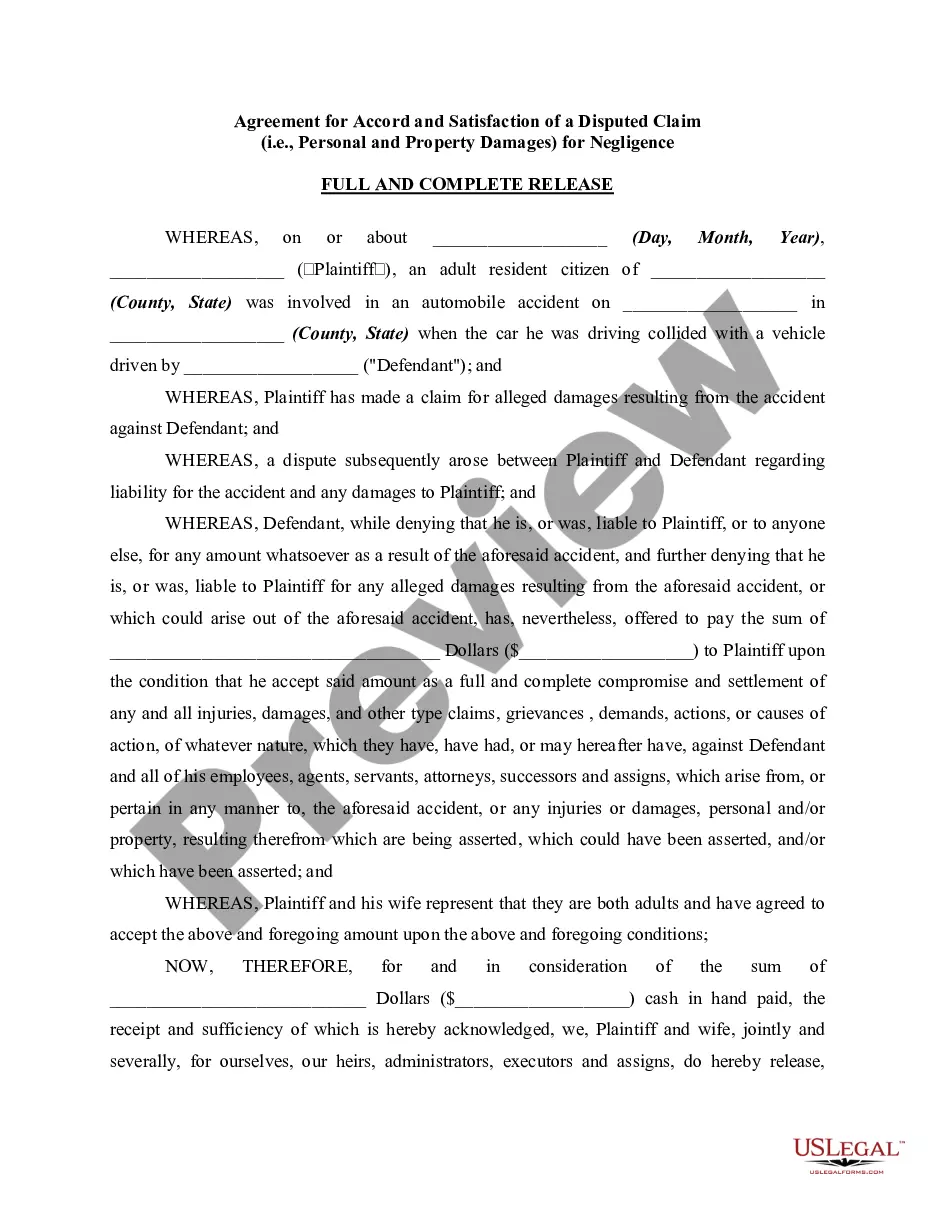
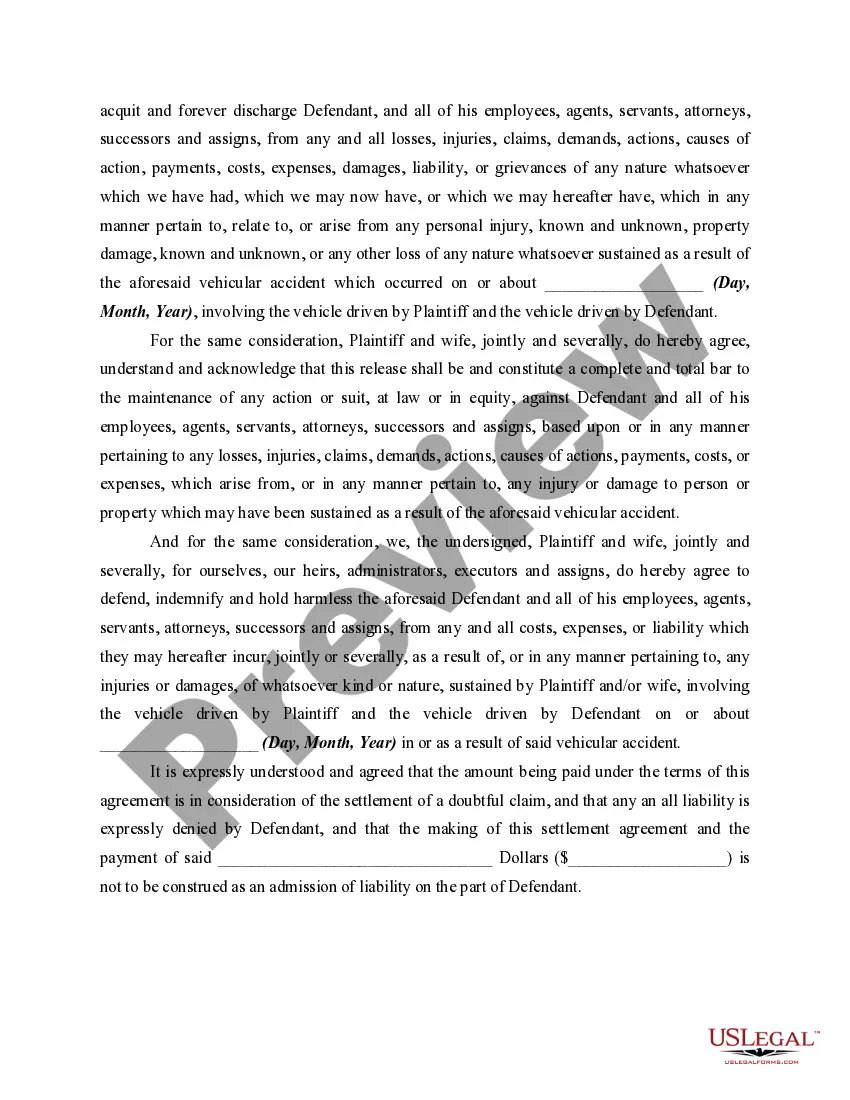
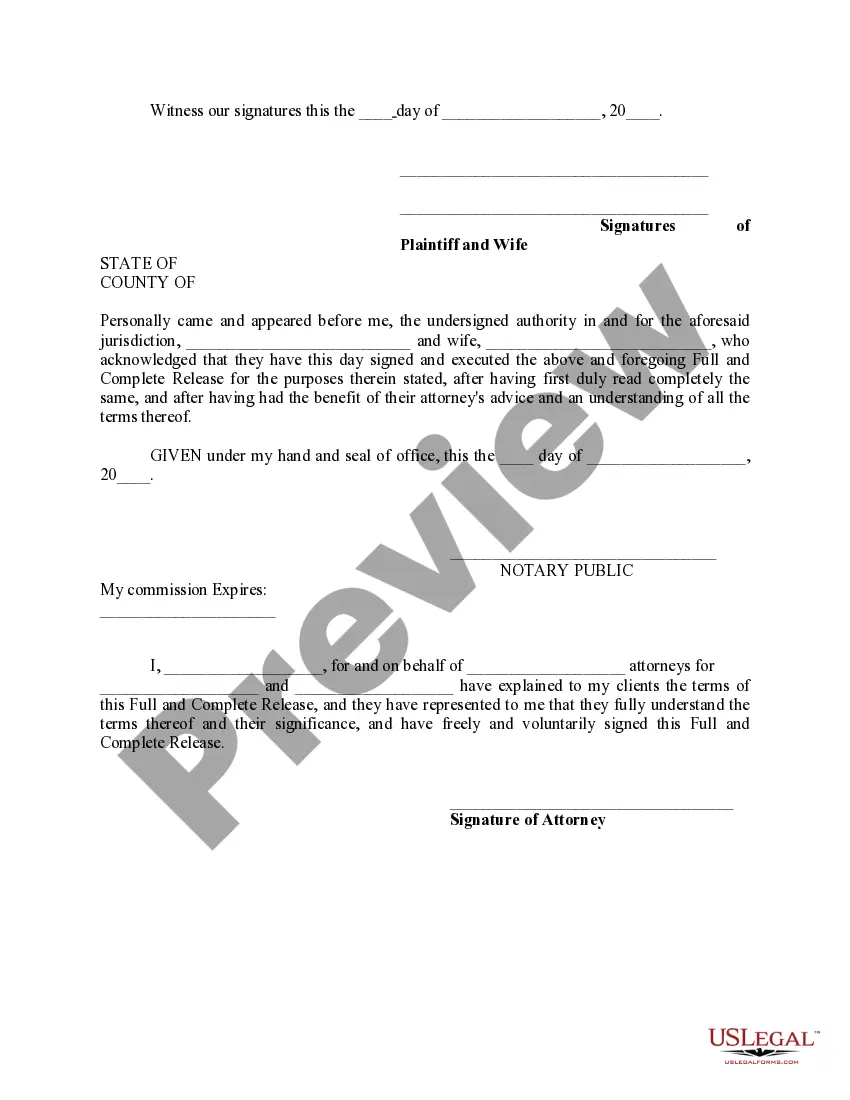

Get your form ready online
Our built-in tools help you complete, sign, share, and store your documents in one place.
Make edits, fill in missing information, and update formatting in US Legal Forms—just like you would in MS Word.
Download a copy, print it, send it by email, or mail it via USPS—whatever works best for your next step.
Sign and collect signatures with our SignNow integration. Send to multiple recipients, set reminders, and more. Go Premium to unlock E-Sign.
If this form requires notarization, complete it online through a secure video call—no need to meet a notary in person or wait for an appointment.
We protect your documents and personal data by following strict security and privacy standards.

Make edits, fill in missing information, and update formatting in US Legal Forms—just like you would in MS Word.

Download a copy, print it, send it by email, or mail it via USPS—whatever works best for your next step.

Sign and collect signatures with our SignNow integration. Send to multiple recipients, set reminders, and more. Go Premium to unlock E-Sign.

If this form requires notarization, complete it online through a secure video call—no need to meet a notary in person or wait for an appointment.

We protect your documents and personal data by following strict security and privacy standards.
Looking for another form?



Form popularity
FAQ
If the landlord fails to make the repair within 14 days after being notified by the tenant as provided above or more promptly as conditions require in the case of an emergency, the tenant may have the repair made in a workmanlike manner and in compliance with the appropriate law, administrative rule, or local ordinance ...
Terminating a Lease Your landlord must notify you in writing that he/she intends to terminate the lease. If you are renting month-to-month, you are entitled to a 30-day written notice. Leases running year-to-year require a 60-day written notice.
Landlords must provide habitable living conditions. Insufficient heat, no water, no hot water. Broken/missing locks on doors/windows. Roof/ceiling leaks. No lighting in hallways or stairwells. Window screens missing or torn. Doors or windows to not fit properly in frame or leak. Floor, wall or ceiling deteriorated.
Normal wear and tear in Illinois refers to the natural and gradual deterioration of the property that occurs from normal use over time. This includes minor scuffs on walls, carpet wear from walking, and faded paint. It does not cover extensive damage, like holes in the walls or stains on the carpet from spills.
If the tenant damages the premises, the landlord may sue for the repair of such damages. Please note that certain municipalities or counties provide for certain obligations and requirements that the tenant must fulfill.
Illinois Tenant Rights and Responsibilities It is against the law in Illinois to discriminate in all aspects of real estate transactions, including renting or leasing, based on your source of income. This includes non-employment income, such Housing Choice Vouchers (Section 8) or disability payments.
What are landlords' responsibilities for property maintenance in Illinois? Landlords are responsible for essential repairs, habitability standards, and compliance with health and safety codes. Tenants have the right to repair and deduct if the landlord does not make necessary repairs within a reasonable time.
Illinois law: In Chicago, a tenant can stop paying rent when there is no hot water, rodents or bugs are infesting in the area, failure to dispose the garbage or waste and to maintain the floors and stairs.
Property Damage: five years from the date of the incident. Product Liability: two years from the date of injury. Libel & Slander: one year from the date of the incident.
In Illinois, a five-year filing deadline applies to any lawsuit seeking the repair or replacement of damaged or destroyed property, whether it's: What caused your Injury?
