Satisfaction Agreement Form In Maryland
Description
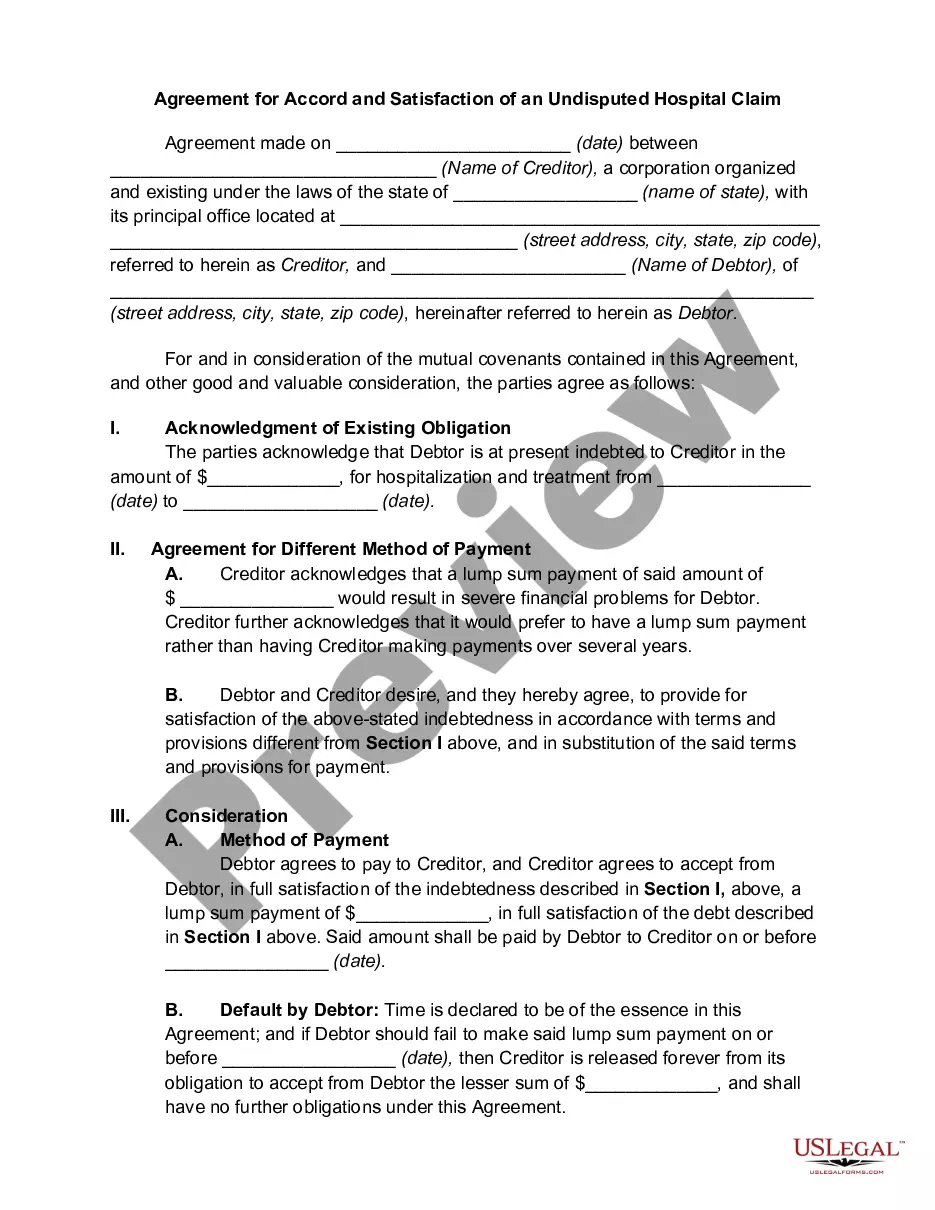
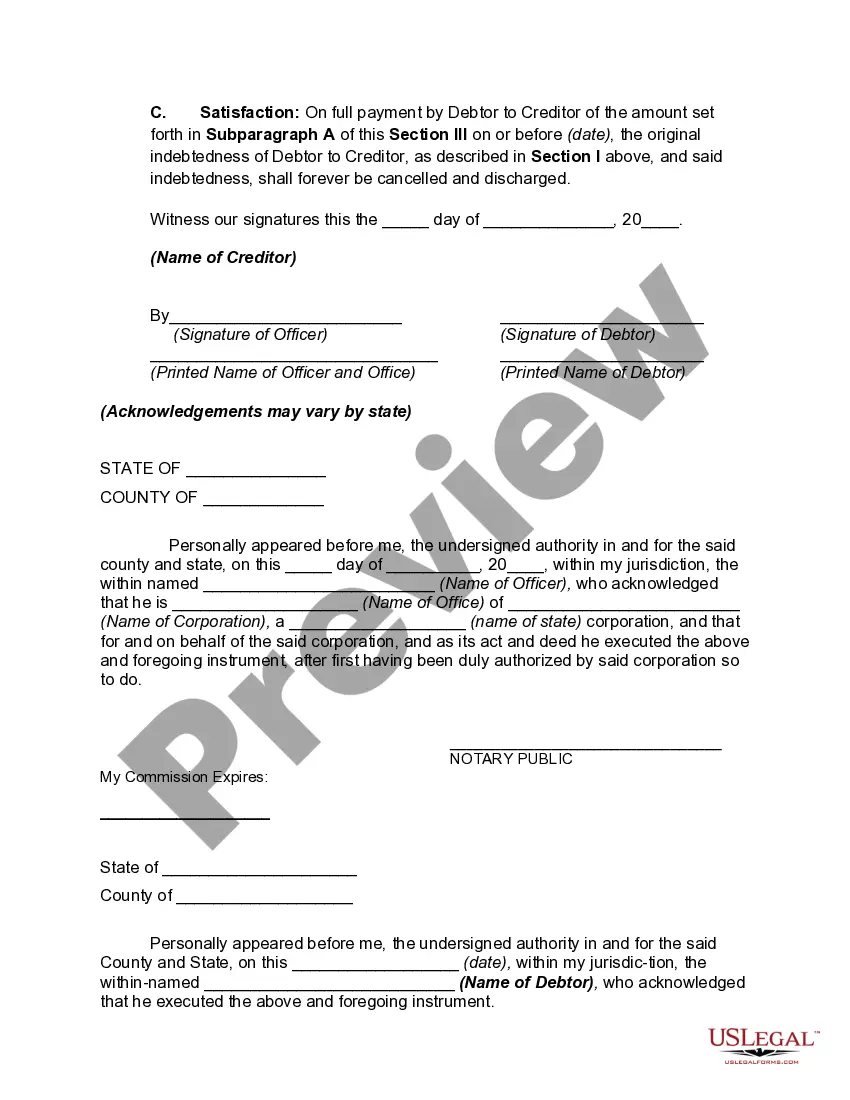

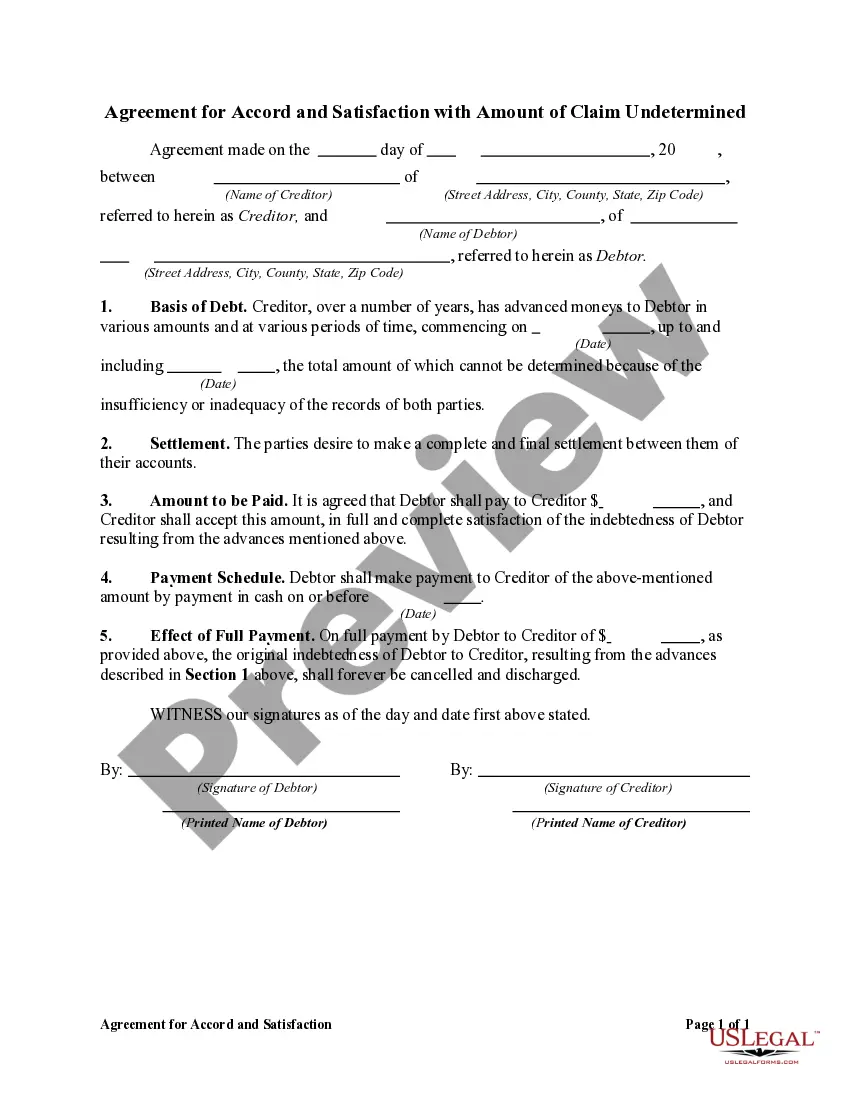
Get your form ready online
Our built-in tools help you complete, sign, share, and store your documents in one place.
Make edits, fill in missing information, and update formatting in US Legal Forms—just like you would in MS Word.
Download a copy, print it, send it by email, or mail it via USPS—whatever works best for your next step.
Sign and collect signatures with our SignNow integration. Send to multiple recipients, set reminders, and more. Go Premium to unlock E-Sign.
If this form requires notarization, complete it online through a secure video call—no need to meet a notary in person or wait for an appointment.
We protect your documents and personal data by following strict security and privacy standards.

Make edits, fill in missing information, and update formatting in US Legal Forms—just like you would in MS Word.

Download a copy, print it, send it by email, or mail it via USPS—whatever works best for your next step.

Sign and collect signatures with our SignNow integration. Send to multiple recipients, set reminders, and more. Go Premium to unlock E-Sign.

If this form requires notarization, complete it online through a secure video call—no need to meet a notary in person or wait for an appointment.

We protect your documents and personal data by following strict security and privacy standards.
Looking for another form?
Form popularity
FAQ
A Certificate of Status is a legal document that's issued by the Maryland Department of Assessments and Taxation verifying that a business is in good standing. This means that the entity is active, allowed to conduct business in the state, and in compliance with state laws.
Rule 1-321 - Effective until 1/1/2025 Service of Pleadings and Papers Other than Original Pleadings (a) Generally. Except as otherwise provided in these rules or by order of court, every pleading and other paper filed after the original pleading shall be served upon each of the parties.
You may not serve the defendant yourself. Someone else, 18 or older, who is not involved in the case, must serve the defendant. There are three ways to serve someone: by certified mail, sheriff, and private process. Select how you wish to have the Defendant served by checking the box on your Complaint form.
The Maryland State Department of Assessments and Taxation issues a certificate verifying that a business entity is in “good standing”. For more information, please see Certificate of Status on the Maryland State Department of Assessments and Taxation (SDAT) website.
Maryland is a consumer-friendly state. The statute of limitations allows a creditor three years to collect on debts. That's a shorter timeframe than many states.
The clerk shall not accept for filing any pleading or other paper requiring service, other than an original pleading, unless it is accompanied by an admission or waiver of service or a signed certificate showing the date and manner of making service. A certificate of service is prima facie proof of service.
First, your claim must be within the statute of limitations. This law requires that you bring your suit within a certain time period. Usually, you must bring a claim within three years after the problem arose.
Notice of Intention to Defend - This is a form located on the bottom of your summons. Complete the Notice of Intention to Defend if you dispute owing all or some of what the plaintiff claims. The completed form must be returned to the Maryland District Court location listed at the top of your summons.