Satisfaction Agreement Form In Arizona
Description
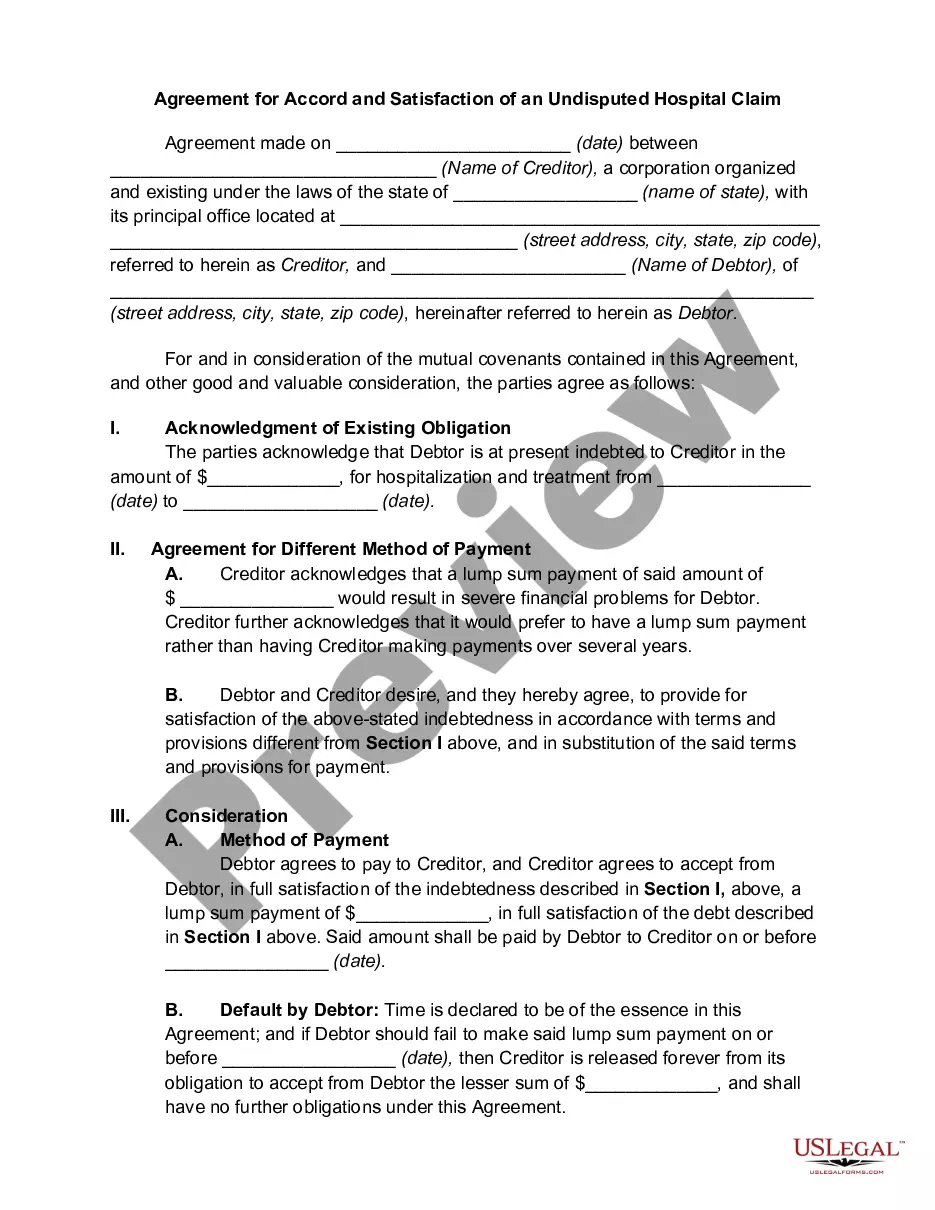
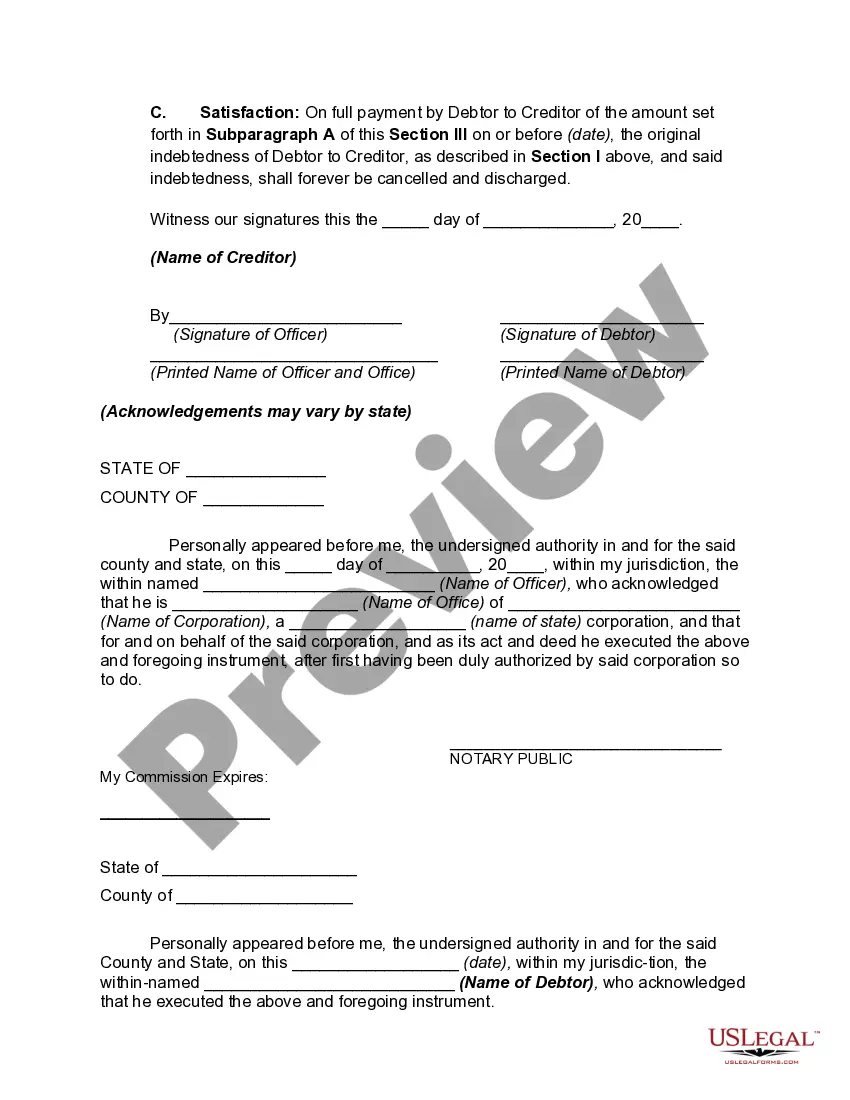


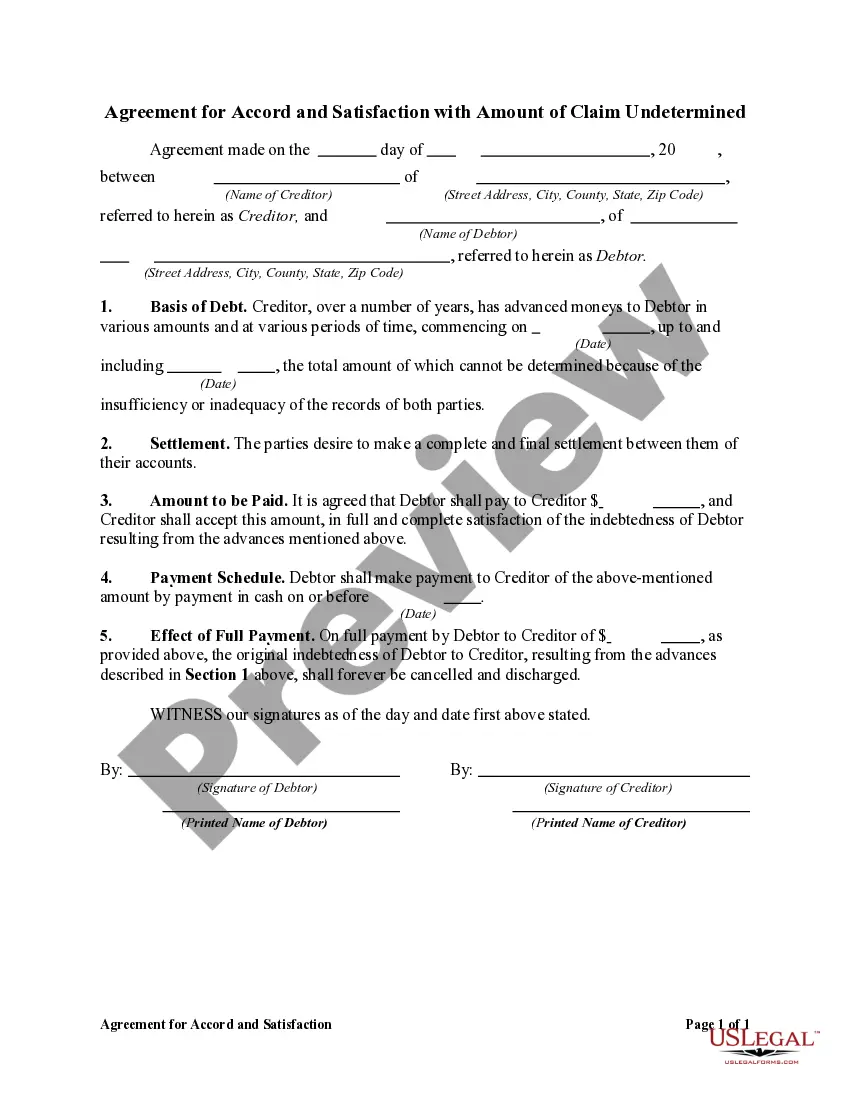
Get your form ready online
Our built-in tools help you complete, sign, share, and store your documents in one place.
Make edits, fill in missing information, and update formatting in US Legal Forms—just like you would in MS Word.
Download a copy, print it, send it by email, or mail it via USPS—whatever works best for your next step.
Sign and collect signatures with our SignNow integration. Send to multiple recipients, set reminders, and more. Go Premium to unlock E-Sign.
If this form requires notarization, complete it online through a secure video call—no need to meet a notary in person or wait for an appointment.
We protect your documents and personal data by following strict security and privacy standards.

Make edits, fill in missing information, and update formatting in US Legal Forms—just like you would in MS Word.

Download a copy, print it, send it by email, or mail it via USPS—whatever works best for your next step.

Sign and collect signatures with our SignNow integration. Send to multiple recipients, set reminders, and more. Go Premium to unlock E-Sign.

If this form requires notarization, complete it online through a secure video call—no need to meet a notary in person or wait for an appointment.

We protect your documents and personal data by following strict security and privacy standards.
Looking for another form?










Form popularity
FAQ
Every subpoena must: (A) state the name of the Arizona court from which it issued; (B) state the title of the action, the name of the court in which it is pending, and its civil action number; (C) command each person to whom it is directed to do the following at a specified time and place: (i) attend and testify at a ...
CURRENT RATES: Civil Fees Issuance of Civil Subpoena $35.00 Plaintiff / Appellant (Special Action / Admin Review) $367.00 Answer to Above Appeals $263.00 Employer Sanction Complaint (A.R.S. § 23-212) $0.0030 more rows
3. A person receiving a subpoena can object to the subpoena in writing through the Court within 14 days after service of the subpoena or before the time specified for compliance if such time is less than 14 days after service.
How does a creditor go about getting a judgment lien in Arizona? To attach the lien, the creditor files and records a judgment with the county recorder in any Arizona county where the debtor owns property now or where they may own property in the future.
The State Bar of Arizona and the Superior Court are the only places you can get subpoenas for your legal cases. Please carefully review your online subpoena before purchasing! Changes cannot be made once the subpoena has been purchased.
Summary: A process server will try their best to serve you personally. However, if they can't find you, the court may grant an order for substituted service, and the lawsuit may proceed without you.
If the process server cannot serve you personally, they can leave a copy of the papers at your home with someone of suitable age and discretion. They may also deliver the documents to an agent who is authorized to receive service of process on your behalf.
The landlord must give the tenant proper notice and wait until the business day after the expiration of the tenant's notice before filing an eviction action in justice court. Save a copy of the notice sent to the tenant as this will need to be filed with the summons and complaint, if filing is necessary.
In addition to any other available methods of service, the plaintiff may serve the summons and complaint by registered or certified mail.
During a trial in Arizona, a defense attorney may ask for a Rule 11 evaluation of his or her client. Under Rule 11, the defendant has the right to a full mental examination and hearing when reasonable grounds exist for it. A Rule 11 hearing may be held when a defendant is suspected of being mentally incompetent.
