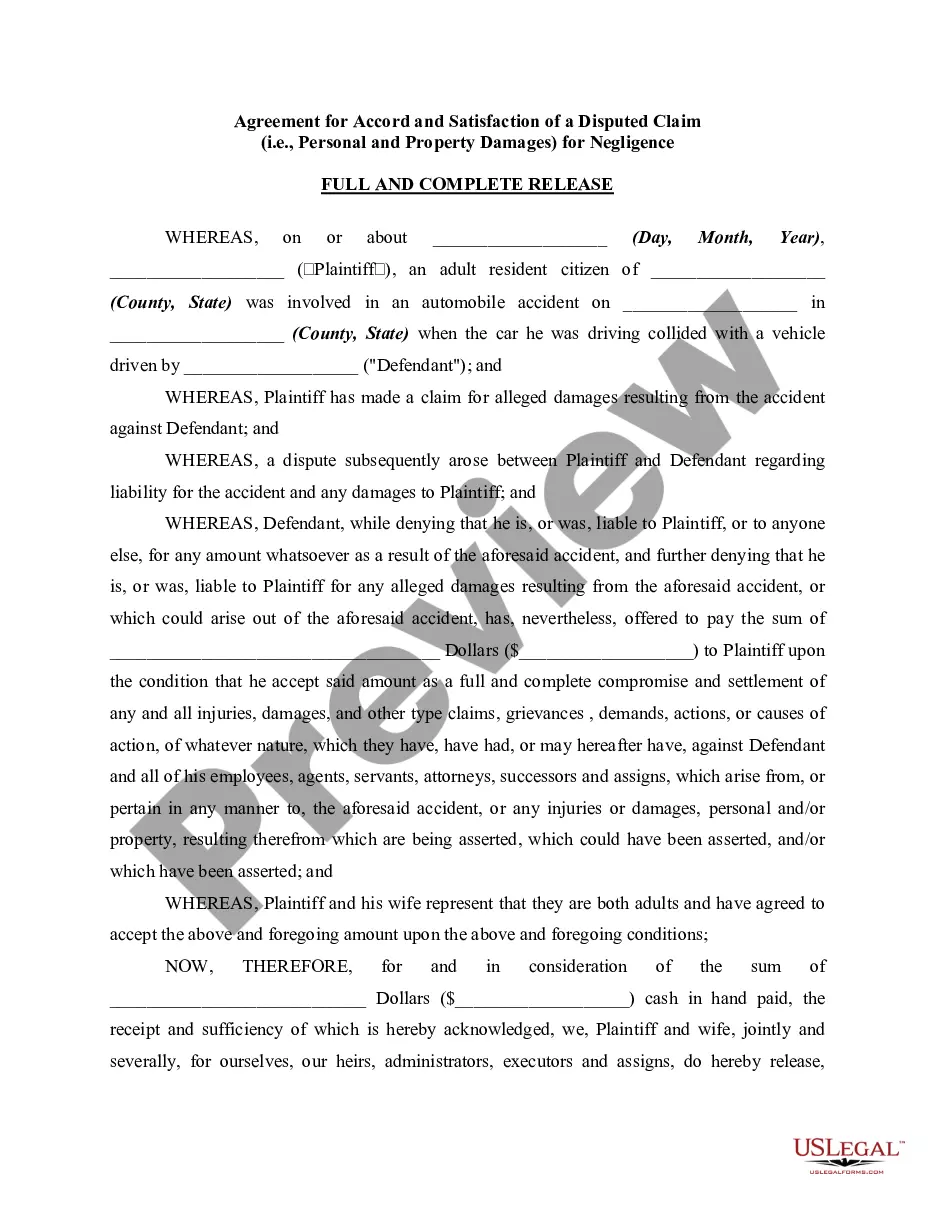
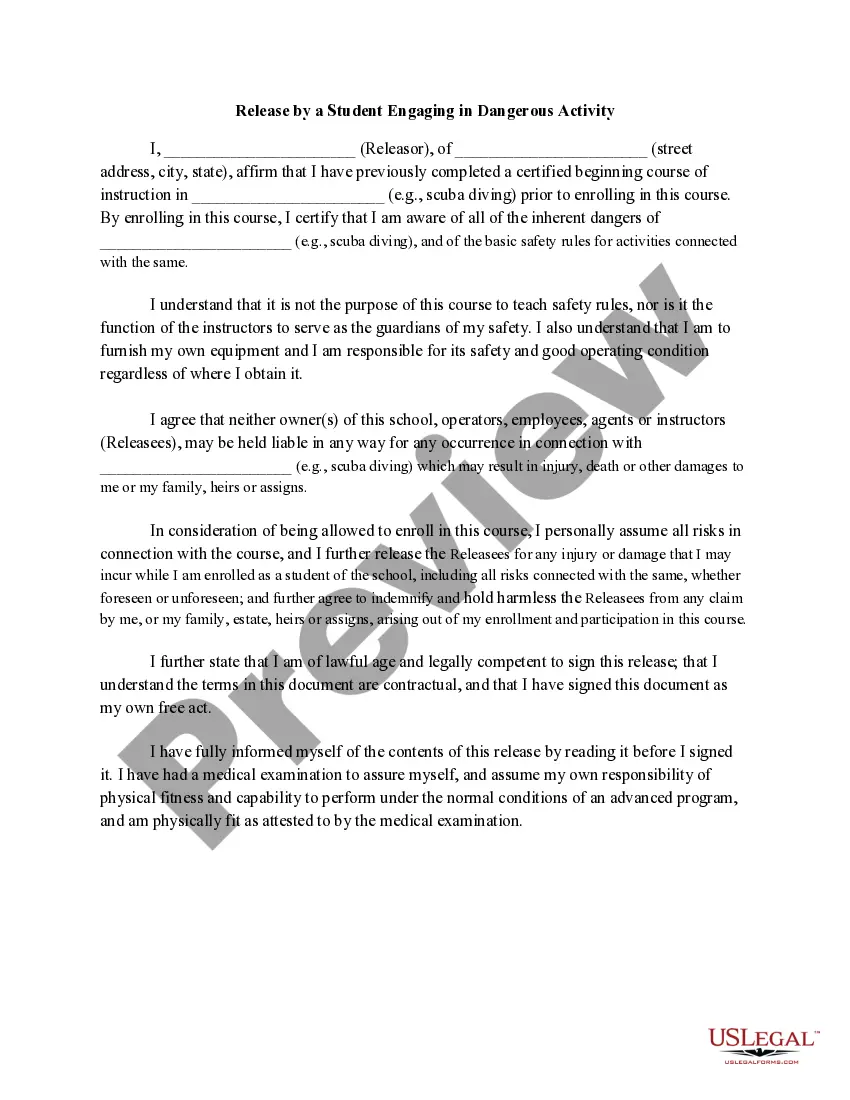
Denied Claim Agreement For Authorization In Wayne
Description
Get your form ready online
Our built-in tools help you complete, sign, share, and store your documents in one place.
Make edits, fill in missing information, and update formatting in US Legal Forms—just like you would in MS Word.
Download a copy, print it, send it by email, or mail it via USPS—whatever works best for your next step.
Sign and collect signatures with our SignNow integration. Send to multiple recipients, set reminders, and more. Go Premium to unlock E-Sign.
If this form requires notarization, complete it online through a secure video call—no need to meet a notary in person or wait for an appointment.
We protect your documents and personal data by following strict security and privacy standards.

Make edits, fill in missing information, and update formatting in US Legal Forms—just like you would in MS Word.

Download a copy, print it, send it by email, or mail it via USPS—whatever works best for your next step.

Sign and collect signatures with our SignNow integration. Send to multiple recipients, set reminders, and more. Go Premium to unlock E-Sign.

If this form requires notarization, complete it online through a secure video call—no need to meet a notary in person or wait for an appointment.

We protect your documents and personal data by following strict security and privacy standards.
Looking for another form?









Form popularity
FAQ
They would need to first contact the insurance company and ask why the claim was denied. If the insurance company indicates a billing error or missing information, patients can work with their physician to review the paperwork and fix any errors that caused the denial.
Authorization Denial Rate is a key metric in healthcare revenue cycle management that measures the percentage of denied claims due to lack of proper authorization.
Thorough documentation based on a respected clinical source is the best way to obtain preauthorization or appeal a denial. In addition to government sources such as AHRQ, it may be worth asking your most frequent payers what guidelines they use. Clearly document any deviation from evidence-based guidelines.
Once you have a reason for the denial, it's time to partner with your physician's office. Give them the reason for the denial and see if there is any additional information they can provide to support the prior authorization request. Get copies of your consult notes, test results and any additional information needed.
If an insurance company denies a request or claim for medical treatment, insureds have the right to appeal to the company and also to then ask the Department of Insurance to review the denial. These actions often succeed in obtaining needed medical treatment, so a denial by an insurer is not the final word.
Expert-Verified Answer The proper response to a failure to obtain preauthorization denial is to request a retrospective review. This allows the insurance company to evaluate the claim post-service and potentially approve coverage based on provided documentation.
Try contacting the person who approved the procedure and explain that the claims department is refusing to cover despite the approval. Better yet, do a conference call between the medical director and a claims representative. That should hopefully solve any miscommunication.
Some basic pointers for handling claims denials are outlined below. Carefully review all notifications regarding the claim. Be persistent. Don't delay. Get to know the appeals process. Maintain records on disputed claims. Remember that help is available.

