Dispute Claim Form Without Attorney In Wake
Description
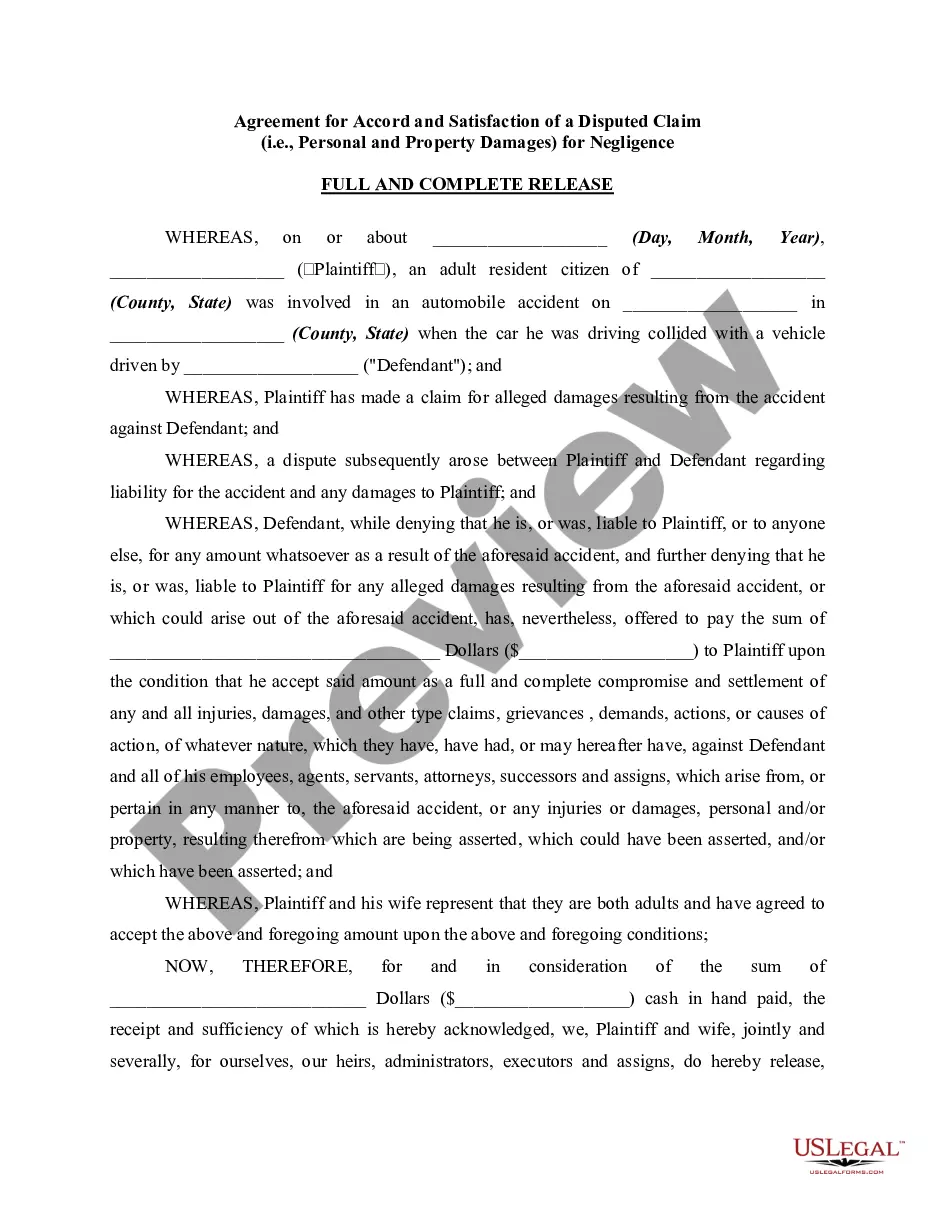
Get your form ready online
Our built-in tools help you complete, sign, share, and store your documents in one place.
Make edits, fill in missing information, and update formatting in US Legal Forms—just like you would in MS Word.
Download a copy, print it, send it by email, or mail it via USPS—whatever works best for your next step.
Sign and collect signatures with our SignNow integration. Send to multiple recipients, set reminders, and more. Go Premium to unlock E-Sign.
If this form requires notarization, complete it online through a secure video call—no need to meet a notary in person or wait for an appointment.
We protect your documents and personal data by following strict security and privacy standards.

Make edits, fill in missing information, and update formatting in US Legal Forms—just like you would in MS Word.

Download a copy, print it, send it by email, or mail it via USPS—whatever works best for your next step.

Sign and collect signatures with our SignNow integration. Send to multiple recipients, set reminders, and more. Go Premium to unlock E-Sign.

If this form requires notarization, complete it online through a secure video call—no need to meet a notary in person or wait for an appointment.

We protect your documents and personal data by following strict security and privacy standards.
Looking for another form?

Form popularity
FAQ
After judgment is given in Small Claims Court, both the plaintiff and the defendant have the right to appeal the Magistrate's decision. An appeal allows either side to get a new trial in District Court. This means you will have to present your evidence and witnesses again.
There is no maximum or minimum. One can sue for any amount. But in practice, if you ask for a crazy high amount (“a bazillion dollars”), you will get laughed at and not taken seriously. Some smaller courts have jurisdictional limits, but there are always courts with very high or unlimited jurisdictional ceilings.
For small claims of less than £10,000.00, the average length of time it took between a case being submitted and the final court hearing and judgment was 30 weeks. for claims of over £10,000.00, the average length of time it took between a case being submitted and the final court hearing and judgment was 59 weeks.
Rule 3. Commencement of action. (a) A civil action is commenced by filing a complaint with the court.
The District Court division handles civil cases involving a claim for $25,000 or less, all family and juvenile cases, misdemeanor criminal cases, and infractions such as traffic tickets. Who are the “plaintiff” and “defendant”?
North Carolina Civil Statutes of Limitations Personal injury claim — 3 years. Workers' compensation claim for a workplace injury or illness — 2 years. Injury to personal property — 3 years. Trespassing — 3 years.
In North Carolina, the statute of limitations for small claims is typically three years, but that can change depending on the specifics of your case. A small claims attorney can help provide insight on the statute of limitations for your case and make sure everything is filed well in advance of the deadline.

