Here Denied Claim For Insurance In Virginia
Description
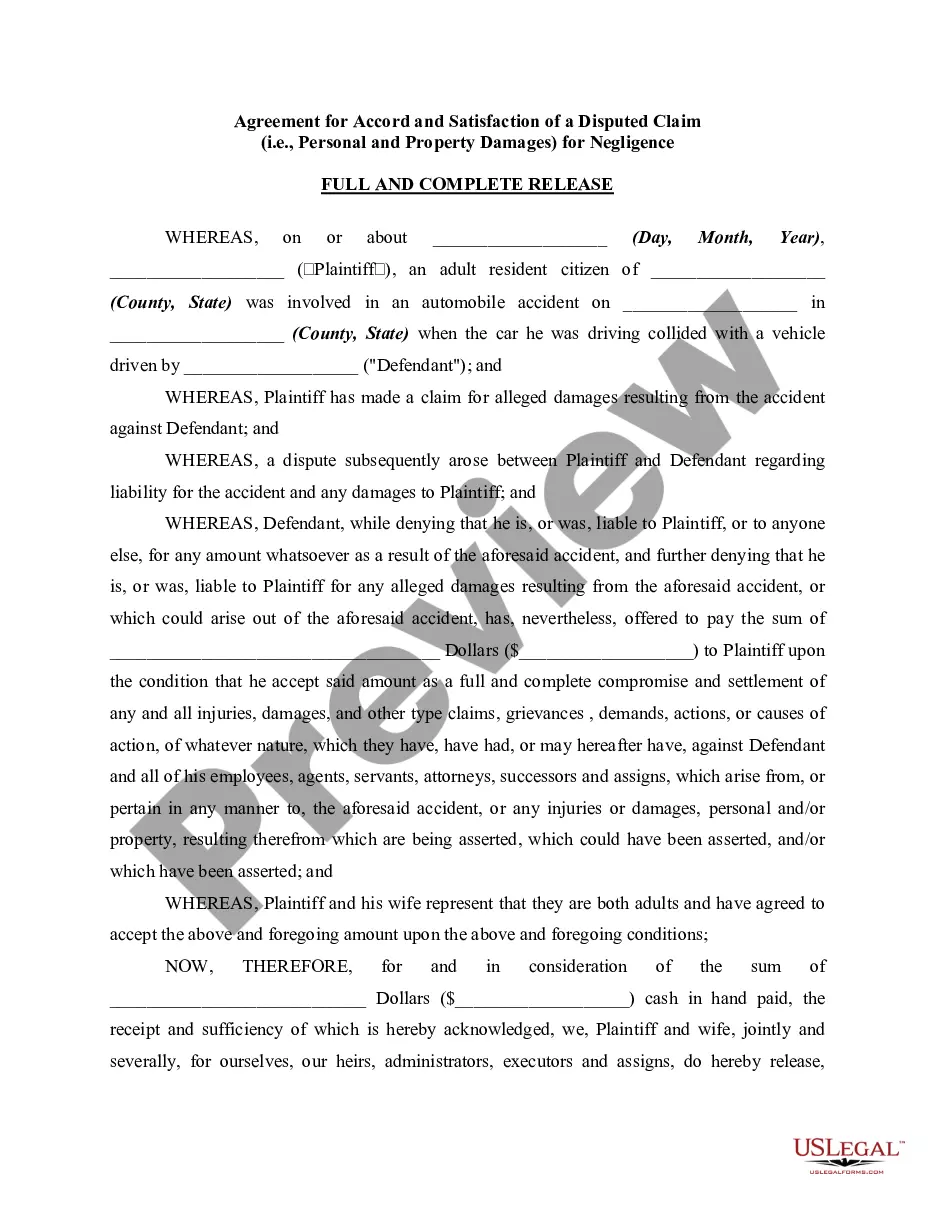
Get your form ready online
Our built-in tools help you complete, sign, share, and store your documents in one place.
Make edits, fill in missing information, and update formatting in US Legal Forms—just like you would in MS Word.
Download a copy, print it, send it by email, or mail it via USPS—whatever works best for your next step.
Sign and collect signatures with our SignNow integration. Send to multiple recipients, set reminders, and more. Go Premium to unlock E-Sign.
If this form requires notarization, complete it online through a secure video call—no need to meet a notary in person or wait for an appointment.
We protect your documents and personal data by following strict security and privacy standards.

Make edits, fill in missing information, and update formatting in US Legal Forms—just like you would in MS Word.

Download a copy, print it, send it by email, or mail it via USPS—whatever works best for your next step.

Sign and collect signatures with our SignNow integration. Send to multiple recipients, set reminders, and more. Go Premium to unlock E-Sign.

If this form requires notarization, complete it online through a secure video call—no need to meet a notary in person or wait for an appointment.

We protect your documents and personal data by following strict security and privacy standards.
Looking for another form?




Form popularity
FAQ
Here are the top three claim denial reasons and how automation and AI can solve them: Missing or inaccurate claims data. Prior authorizations. Inaccurate or incomplete patient data.
A rejected claim is typically the result of: A coding error(s), • A mismatched procedure and ICD-10 code(s), or • A terminated patient medical insurance policy.
There are laws designed to protect consumers in the state of California and across the nation. It's not uncommon for policyholders to sue their healthcare insurers for denial of a claim, mainly when the claim is for a service that is crucial to their health and future or the health and future of a loved one.
What to Do if Your Insurance Company Denies Your Claim in India? Correct the Data. Inform your insurer about reinitiating the claim. Proper Documentation. In case the reason why your claim was not accepted was a missing document, then make sure to provide that document this time. Prove that Hospitalization was Recommended.
A claim rejection occurs before the claim is processed and most often results from incorrect data. Conversely, a claim denial applies to a claim that has been processed and found to be unpayable. This may be due to terms of the patient-payer contract or for other reasons that emerge during processing.
Insurance companies deny claims for many reasons, such as insufficient evidence, missed deadlines, or policy exclusions.
If an insurance company denies a request or claim for medical treatment, insureds have the right to appeal to the company and also to then ask the Department of Insurance to review the denial. These actions often succeed in obtaining needed medical treatment, so a denial by an insurer is not the final word.
The claim has missing or incorrect information. Whether by accident or intentionally, medical billing and coding errors are common reasons that claims are rejected or denied. Information may be incorrect, incomplete or missing.
An insurance claims denial is when—at some point in that process—the insurer deems that the information provided is not relevant or satisfactory, or that the service itself was not provided appropriately, and so withholds payment to the physician.
Submit a formal complaint to your insurer's internal dispute resolution department. The Financial Advisory and Intermediary Services Act 37 of 2002 (FAIS Act) obliges insurers to have a complaints resolution process in place.

