Here Denied Claim For Medical Necessity In Utah
Description
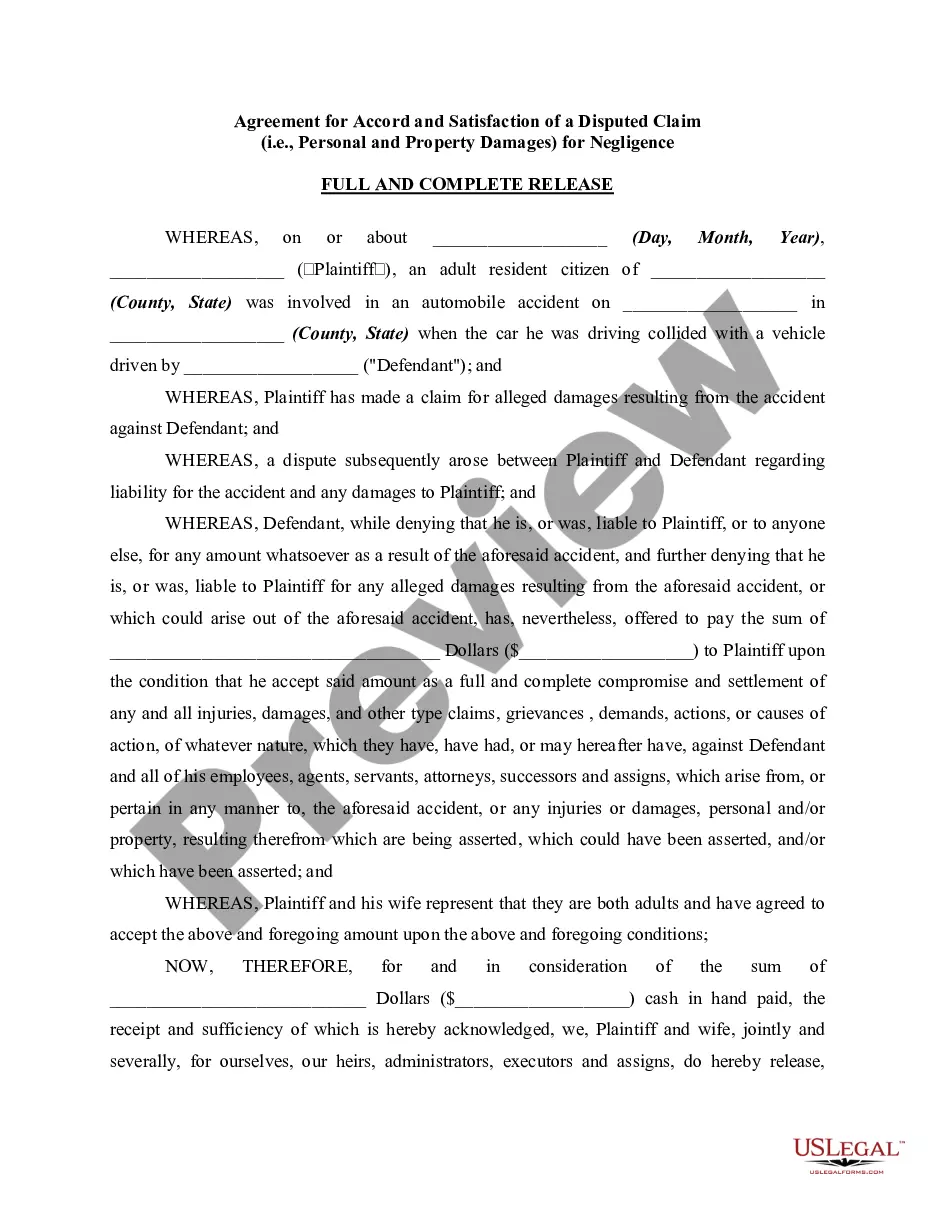
Get your form ready online
Our built-in tools help you complete, sign, share, and store your documents in one place.
Make edits, fill in missing information, and update formatting in US Legal Forms—just like you would in MS Word.
Download a copy, print it, send it by email, or mail it via USPS—whatever works best for your next step.
Sign and collect signatures with our SignNow integration. Send to multiple recipients, set reminders, and more. Go Premium to unlock E-Sign.
If this form requires notarization, complete it online through a secure video call—no need to meet a notary in person or wait for an appointment.
We protect your documents and personal data by following strict security and privacy standards.

Make edits, fill in missing information, and update formatting in US Legal Forms—just like you would in MS Word.

Download a copy, print it, send it by email, or mail it via USPS—whatever works best for your next step.

Sign and collect signatures with our SignNow integration. Send to multiple recipients, set reminders, and more. Go Premium to unlock E-Sign.

If this form requires notarization, complete it online through a secure video call—no need to meet a notary in person or wait for an appointment.

We protect your documents and personal data by following strict security and privacy standards.
Looking for another form?



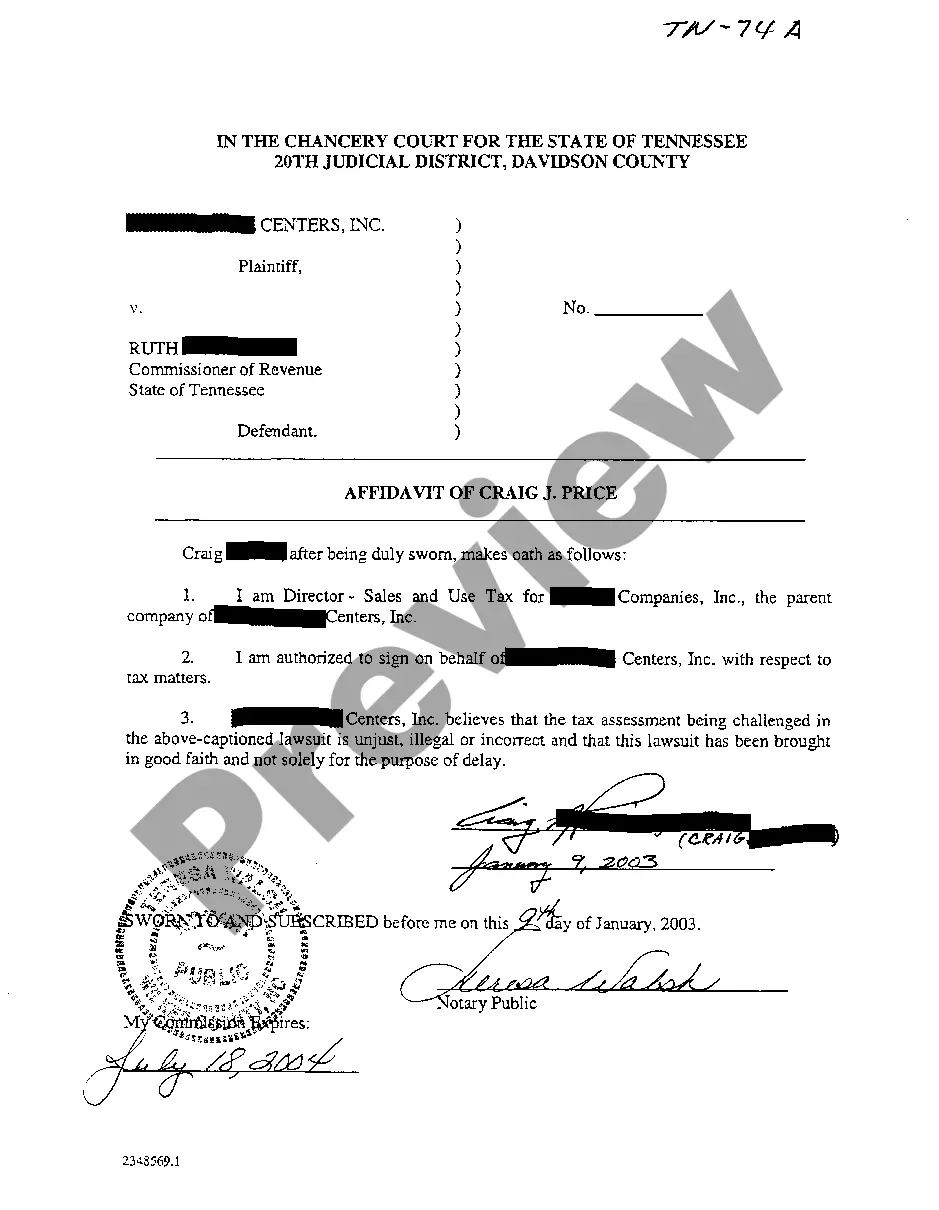
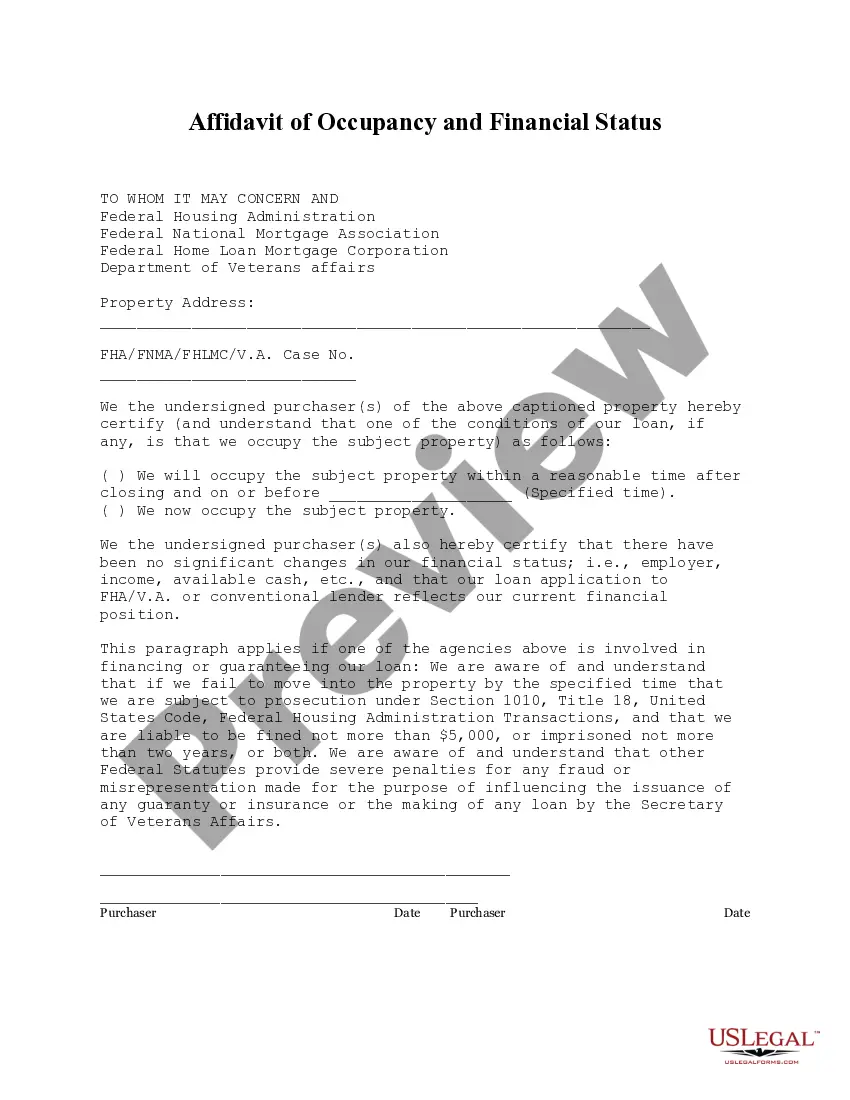
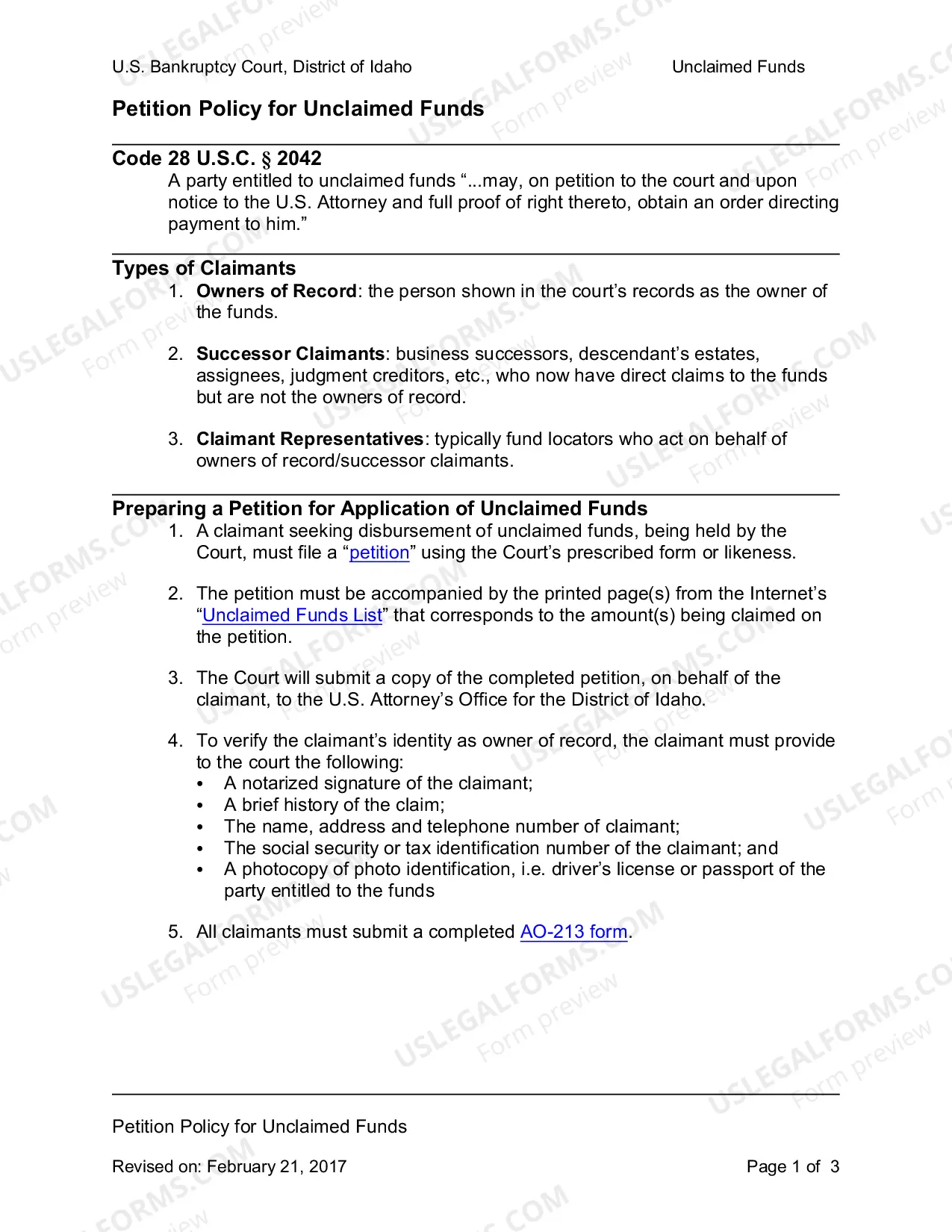

Form popularity
FAQ
Plans only cover health care they determine is medically necessary. Examples of services or treatments a plan may define as not medically necessary include cosmetic procedures, treatments that haven't been proven effective, and treatments more expensive than others that are also effective.
You may be able to appeal to your insurance company multiple times based on the evidence you provide. If the outcome is not satisfactory, you can consider contacting a public adjuster to advocate on your behalf or file a complaint with your state's insurance department to act as an intermediary for the dispute.
Medical Necessity Denials: Appeals Review the definition of “Medical Necessity” in your provider contract. Review the patient's medical records, including surgical reports. Call the health plan to discuss the denial with the designated reviewer.
How to Prove Medical Necessity Patient Medical Records: Detailed records of the patient's medical history, symptoms, diagnoses, and previous treatments. Clinical Evidence: Research studies, clinical trials, and medical literature supporting the efficacy of the treatment.
Common Reasons for Claim Denials Technicalities: missing codes or authorizations, claim filing mistakes. Medical: treatment not considered a medical necessity or is considered experimental/investigational.
Plans only cover health care they determine is medically necessary. Examples of services or treatments a plan may define as not medically necessary include cosmetic procedures, treatments that haven't been proven effective, and treatments more expensive than others that are also effective.
Unnecessary medical care provided to patients — often referred to as a lack of medical necessity — not only defrauds Medicare and Medicaid, it also can seriously harm patients. Medical necessity is an important requirement for Medicare claims to protect patients and prevent Medicare fraud.
P.r.n.: Abbreviation meaning "when necessary" (from the Latin "pro re nata", for an occasion that has arisen, as circumstances require, as needed).
Medicare defines “medically necessary” as health care services or supplies needed to diagnose or treat an illness, injury, condition, disease, or its symptoms and that meet accepted standards of medicine. Each state may have a definition of “medical necessity” for Medicaid services within their laws or regulations.
A Letter of Medical Necessity (LMN) is the written explanation from the treating physician describing the medical need for services, equipment, or supplies to assist the claimant in the treatment, care, or relief of their accepted work-related illness(es).

