Dispute Claim Form Without Attorney In Utah
Description
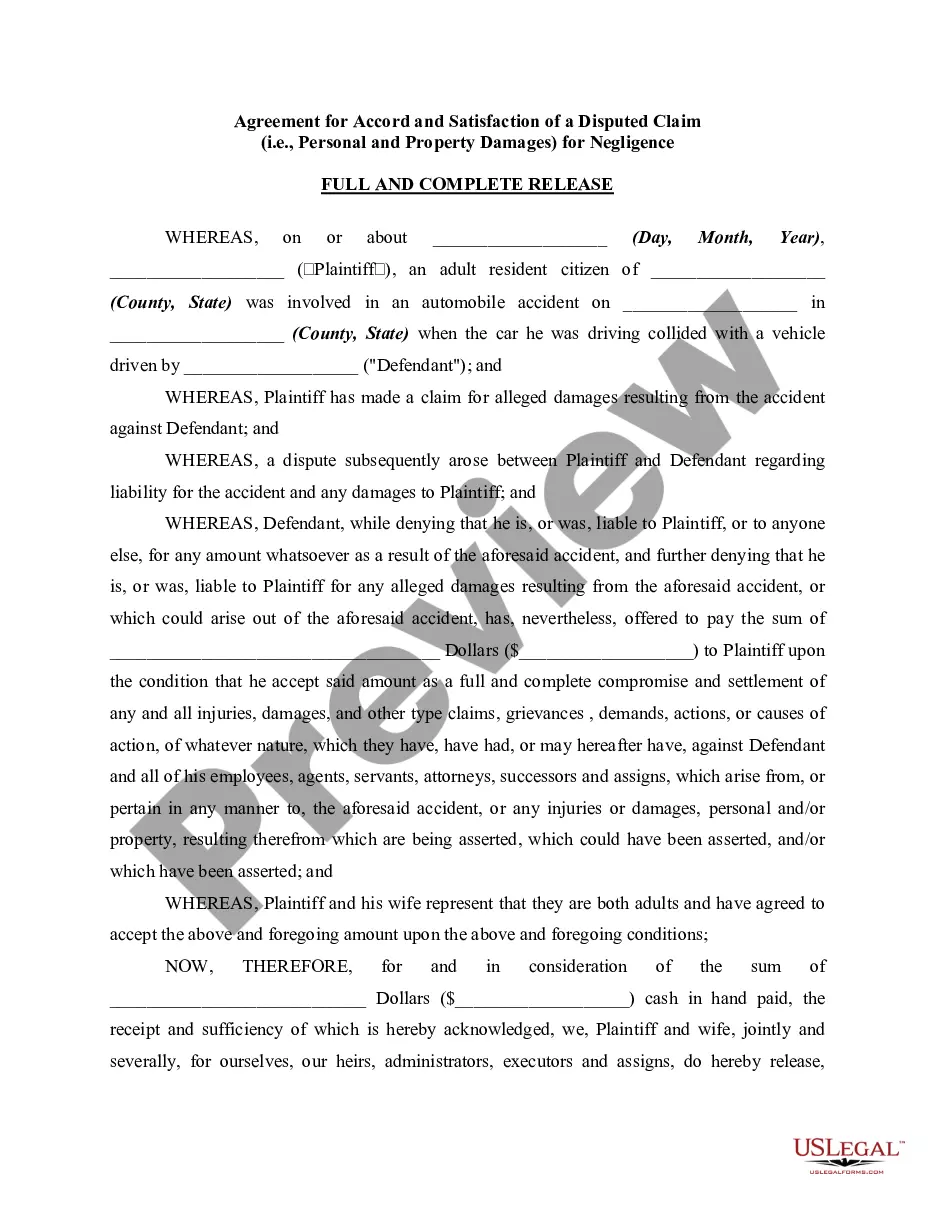
Get your form ready online
Our built-in tools help you complete, sign, share, and store your documents in one place.
Make edits, fill in missing information, and update formatting in US Legal Forms—just like you would in MS Word.
Download a copy, print it, send it by email, or mail it via USPS—whatever works best for your next step.
Sign and collect signatures with our SignNow integration. Send to multiple recipients, set reminders, and more. Go Premium to unlock E-Sign.
If this form requires notarization, complete it online through a secure video call—no need to meet a notary in person or wait for an appointment.
We protect your documents and personal data by following strict security and privacy standards.

Make edits, fill in missing information, and update formatting in US Legal Forms—just like you would in MS Word.

Download a copy, print it, send it by email, or mail it via USPS—whatever works best for your next step.

Sign and collect signatures with our SignNow integration. Send to multiple recipients, set reminders, and more. Go Premium to unlock E-Sign.

If this form requires notarization, complete it online through a secure video call—no need to meet a notary in person or wait for an appointment.

We protect your documents and personal data by following strict security and privacy standards.
Looking for another form?







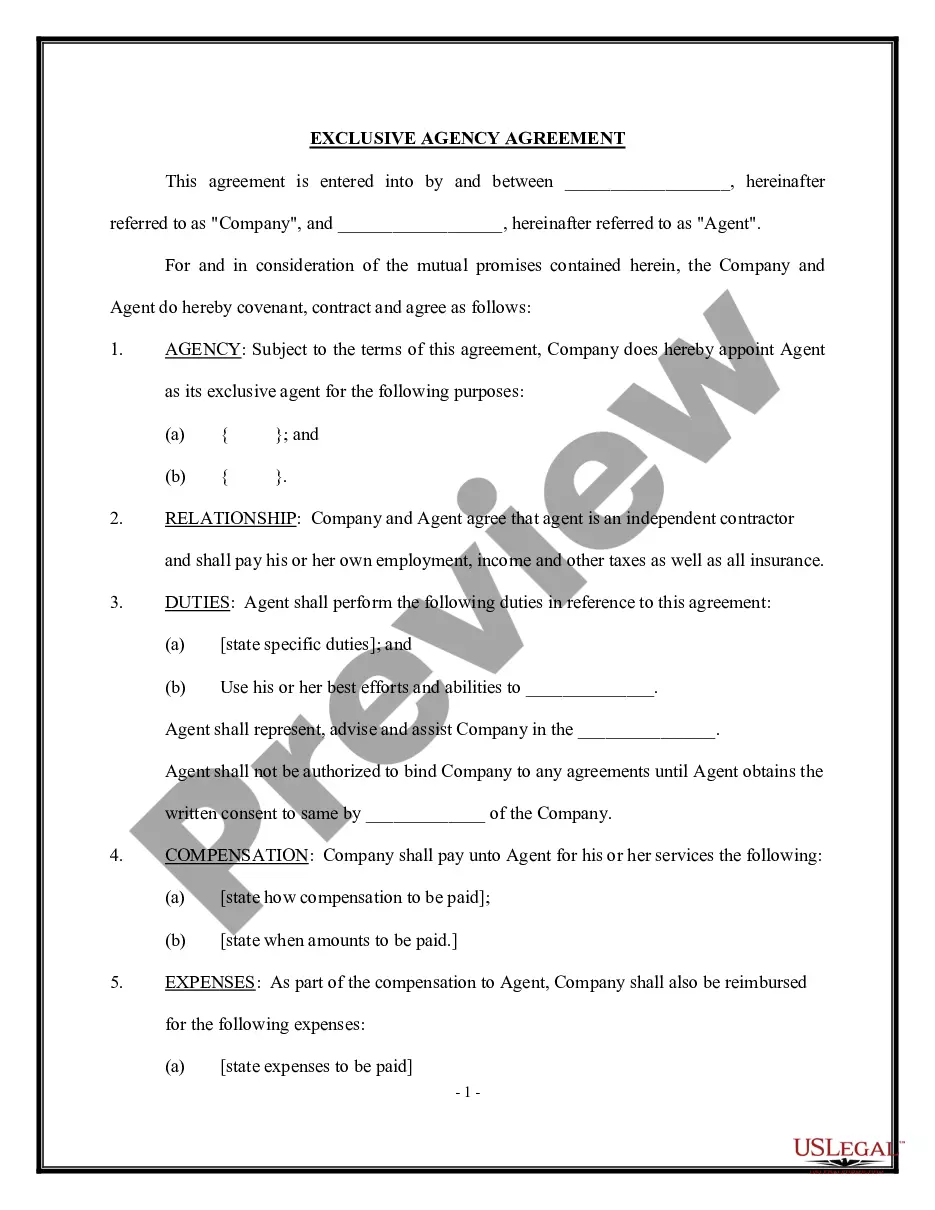


Form popularity
FAQ
Don't say you expect to recover any more than £10,000 - if you do, your case won't be treated as a small claim. If you're making a claim for something your landlord hasn't repaired, the maximum amount you can get in a small claims case is £1,000.
These papers can be served by: Mailing them to the last known address provided. Handing them to the person. Emailing them to the most recent email address provided.
You don't have to have a minimum amount of monetary damages in order to go to court. Small claims court by definition will have a maximum amount of potential damages, but if you, say, promise a kid 50 cents if he brings you your mail, and he takes off with your two quarters, you can theoretically sue to get it back.
Step 1 - Know the Limits in Small Claims Court The most you can ask for is $20,000. That amount includes lawyer fees, but does not include court costs or interest. Utah Code Section 78A-8-102. You cannot sue a government agency or sue to evict someone.
There are simplified rules for Small Claims found in the Rules of Small Claims Procedures of the Utah Code. The maximum amount you may sue for in Small Claims action is $20,000.
If you have been charged with a crime, you can hire a lawyer or represent yourself. In some limited cases, a judge may appoint a lawyer (called a "public defender") if you cannot afford one. For more information about qualifications for a public defender, visit the Utah Courts' "Finding Legal Help" website.
Essentially, if a defendant's income is at or below 150 percent of the federal poverty levels established by the U.S. Department of Health and Human Services, he or she will be eligible for a public defender.
About Small Claims Small claims cases are governed by Utah Code Title 78a, Chapter 8. There are simplified rules for Small Claims found in the Rules of Small Claims Procedures of the Utah Code. The maximum amount you may sue for in Small Claims action is $20,000.
If you meet the guidelines, the court will appoint a public defender for you. If you have not been appointed a public defender and would like to see if you qualify, you may file an Affidavit and Application for a Court-Appointed Lawyer at your court hearing, which can be provided to you at that time.
(a) Notice of withdrawal. An attorney may withdraw from the case by filing with the court and serving on all parties a notice of withdrawal. The notice of withdrawal shall include the address of the attorney's client and a statement that no motion is pending and no hearing or trial has been set.

