Dispute Claim Form For Credit Report In Utah
Description
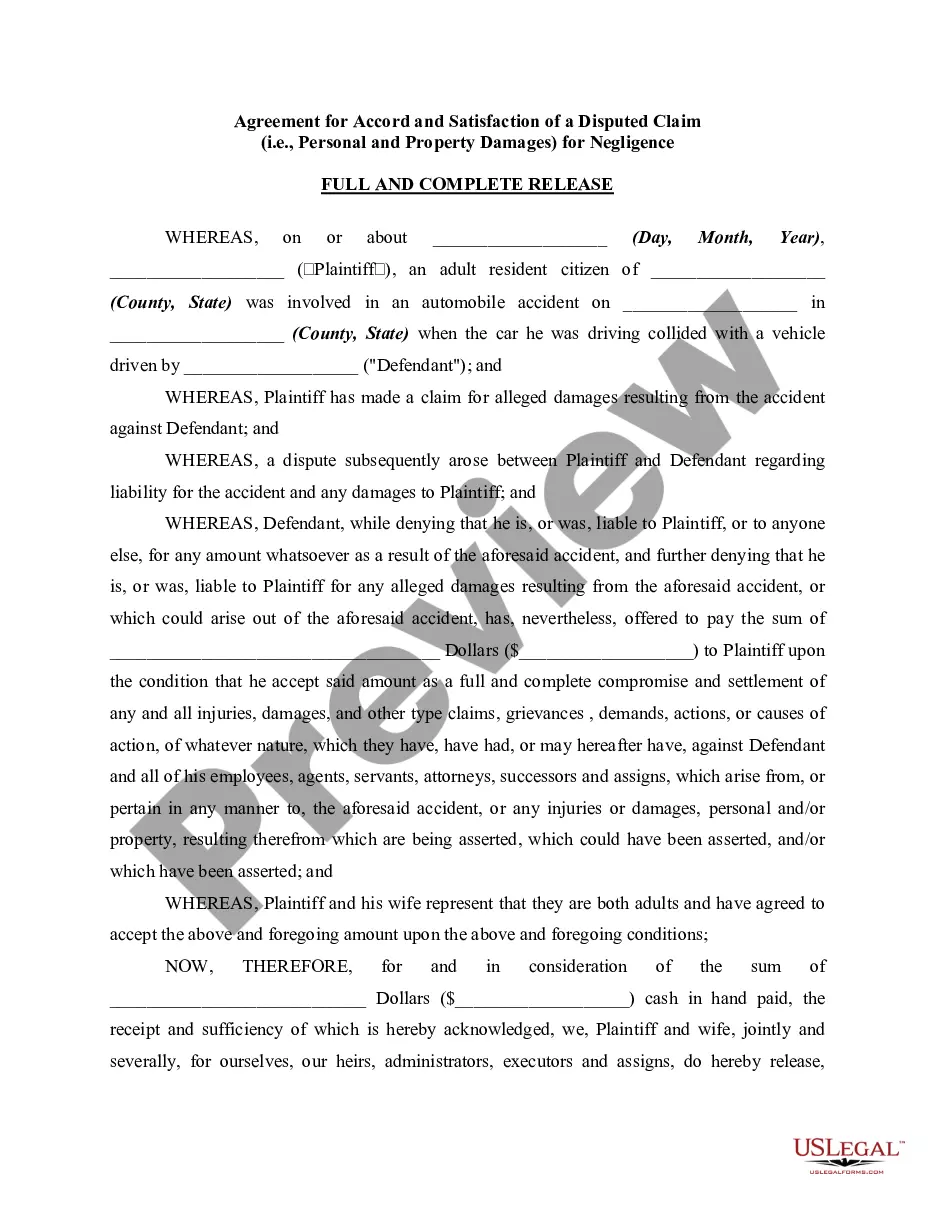
Get your form ready online
Our built-in tools help you complete, sign, share, and store your documents in one place.
Make edits, fill in missing information, and update formatting in US Legal Forms—just like you would in MS Word.
Download a copy, print it, send it by email, or mail it via USPS—whatever works best for your next step.
Sign and collect signatures with our SignNow integration. Send to multiple recipients, set reminders, and more. Go Premium to unlock E-Sign.
If this form requires notarization, complete it online through a secure video call—no need to meet a notary in person or wait for an appointment.
We protect your documents and personal data by following strict security and privacy standards.

Make edits, fill in missing information, and update formatting in US Legal Forms—just like you would in MS Word.

Download a copy, print it, send it by email, or mail it via USPS—whatever works best for your next step.

Sign and collect signatures with our SignNow integration. Send to multiple recipients, set reminders, and more. Go Premium to unlock E-Sign.

If this form requires notarization, complete it online through a secure video call—no need to meet a notary in person or wait for an appointment.

We protect your documents and personal data by following strict security and privacy standards.
Looking for another form?





Form popularity
FAQ
To correct mistakes in your report, contact the credit bureau and the business that reported the inaccurate information. Tell them you want to dispute that information on your report.
While 609 letters can be a helpful step in the credit repair process, they aren't a magic solution. They won't guarantee that items are removed, but they can help you gather the evidence you need to address errors and improve your credit report.
If you suspect a collection is fraudulent, you should report the fraud at identitytheft and then file a dispute. If the agency verifies that disputed information is accurate, it may continue to report that information.
3 Ways to Dispute Information on Your Credit Report Online: Each credit bureau has its own online interface for submitting disputes. By mail: Download the dispute form from the credit bureau and follow its instructions for mailing your dispute: Here's a link to Experian's form and instructions.
2) What is the 609 loophole? The “609 loophole” is a misconception. Section 609 of the Fair Credit Reporting Act (FCRA) allows consumers to request their credit file information. It does not guarantee the removal of negative items but requires credit bureaus to verify the accuracy of disputed information.
You can dispute the item with the credit bureaus, and/or creditors or debt collectors, and they'll make a decision as to whether to remove it. You can do this on your own, or with the help of a credit repair professional (including possibly an attorney).
If a negative item is innacurate, incomplete, non verifiable or out of date, you have the right to have it removed. You can dispute the item with the credit bureaus, and/or creditors or debt collectors, and they'll make a decision as to whether to remove it.
What to Include in a 609 Dispute Letter Personal information. Ensure you provide clear and accurate personal details to identify yourself. Credit bureau details. Date. Subject line. Introduction. List of disputed items. Supporting documentation. Request for action.
Your letter should identify each item you dispute, state the facts, explain why you dispute the information, and ask that the business that supplied the information take action to have it removed or corrected. You may want to enclose a copy of your report with the item(s) in question circled.
The credit bureaus also accept disputes online or by phone: Experian (888) 397-3742. Transunion (800) 916-8800. Equifax (866) 349-5191.

