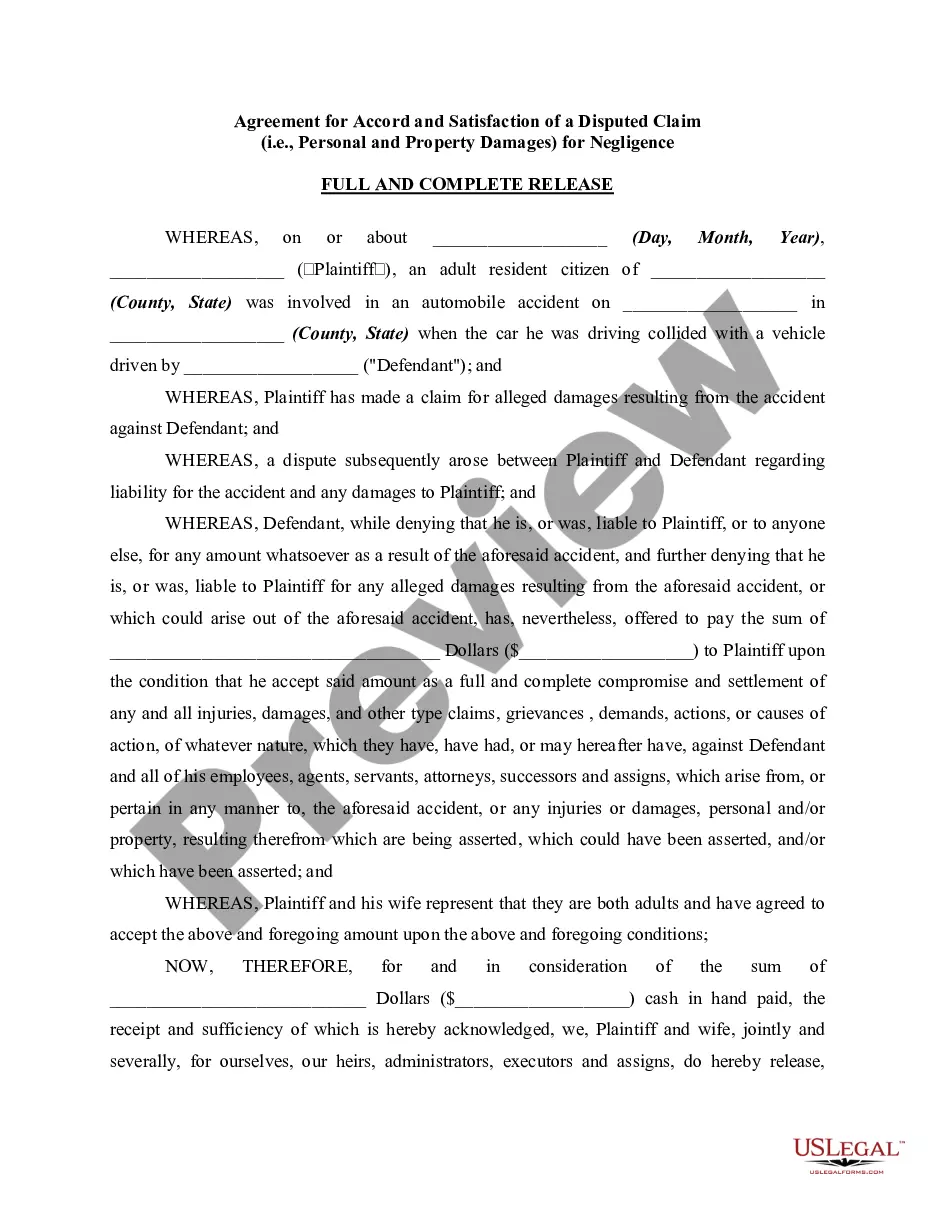
Denied Claim Agreement For Primary Eob In Travis
Description
Get your form ready online
Our built-in tools help you complete, sign, share, and store your documents in one place.
Make edits, fill in missing information, and update formatting in US Legal Forms—just like you would in MS Word.
Download a copy, print it, send it by email, or mail it via USPS—whatever works best for your next step.
Sign and collect signatures with our SignNow integration. Send to multiple recipients, set reminders, and more. Go Premium to unlock E-Sign.
If this form requires notarization, complete it online through a secure video call—no need to meet a notary in person or wait for an appointment.
We protect your documents and personal data by following strict security and privacy standards.

Make edits, fill in missing information, and update formatting in US Legal Forms—just like you would in MS Word.

Download a copy, print it, send it by email, or mail it via USPS—whatever works best for your next step.

Sign and collect signatures with our SignNow integration. Send to multiple recipients, set reminders, and more. Go Premium to unlock E-Sign.

If this form requires notarization, complete it online through a secure video call—no need to meet a notary in person or wait for an appointment.

We protect your documents and personal data by following strict security and privacy standards.
Looking for another form?
Form popularity
FAQ
The EOB is your insurance company's written explanation for that claim, showing the name of the provider that covered the service and date(s) of service. The insurer is also required to send you a clear explanation of how they computed your benefits.
You can ask your doctor to resubmit the claim and correct the error. If your claim was denied for another reason, let your doctor know that you're appealing a claim. You can ask your doctor to write a letter explaining that the service was medically necessary, or provide other supporting documents.
Business people commonly use COB and EOB interchangeably. EOB stands for “end of business,” a phrase that has the same meaning as “close of business.” In other words, the time when a company closes its doors at the end of the day.
If your resubmitted claim is denied and you believe the denial was improper, you may appeal the decision ing to the carrier's guidelines. Make sure you know exactly what information you need to submit with your appeal. Keep in mind that appeal procedures may vary by insurance company and state law.
The insurance company may try to deny your claim for a host of reasons, including: Damages exceeding the limits of the insurance policy coverage. The existing coverage limits already being exhausted. The policy not including the appropriate kind of coverage.
To Whom It May Concern: I am writing to request a review of your denial of the claim for treatment or services provided by name of provider on date provided. The reason for denial was listed as (reason listed for denial), but I have reviewed my policy and believe treatment or service should be covered.
Example 7: Insurance Company Lost The Claim Sometimes claims get lost during their transition. If the claim gets lost and doesn't get resubmitted before the timely filing limit deadline…the insurance company will deny the claim.
Denied claim. service or procedure not listed as a covered benefit in the payer's master benefit list. noncovered. authorization or approval for services was not obtained from the payer prior to treatment.
You can start the appeal process by calling your insurance provider. Ask for more details about the denial and review your appeal options. Your insurance agent can walk you through the appeals process to help get you started.
Here are the top three claim denial reasons and how automation and AI can solve them: Missing or inaccurate claims data. Prior authorizations. Inaccurate or incomplete patient data.
