Here Denied Claim For Insurance In San Jose
Description
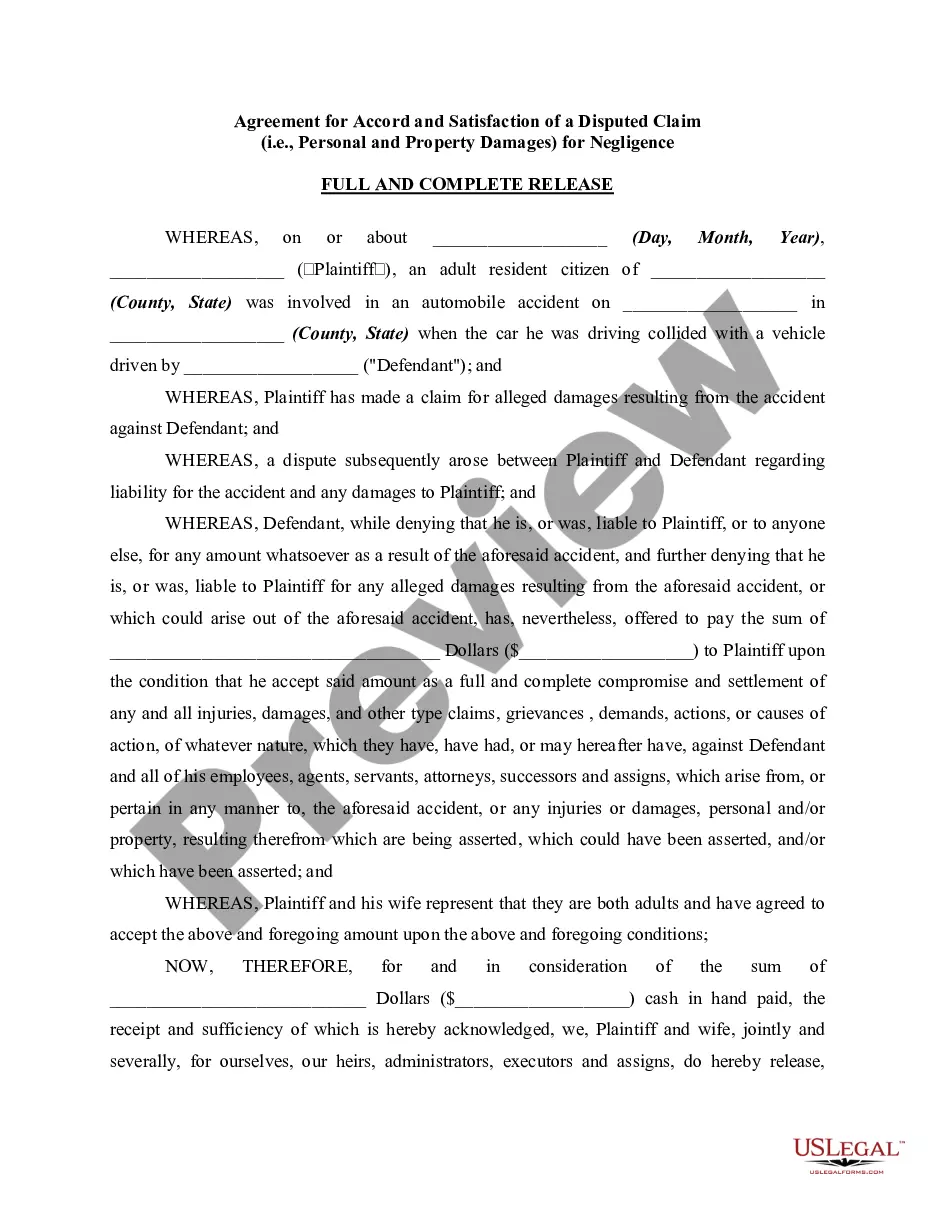
Get your form ready online
Our built-in tools help you complete, sign, share, and store your documents in one place.
Make edits, fill in missing information, and update formatting in US Legal Forms—just like you would in MS Word.
Download a copy, print it, send it by email, or mail it via USPS—whatever works best for your next step.
Sign and collect signatures with our SignNow integration. Send to multiple recipients, set reminders, and more. Go Premium to unlock E-Sign.
If this form requires notarization, complete it online through a secure video call—no need to meet a notary in person or wait for an appointment.
We protect your documents and personal data by following strict security and privacy standards.

Make edits, fill in missing information, and update formatting in US Legal Forms—just like you would in MS Word.

Download a copy, print it, send it by email, or mail it via USPS—whatever works best for your next step.

Sign and collect signatures with our SignNow integration. Send to multiple recipients, set reminders, and more. Go Premium to unlock E-Sign.

If this form requires notarization, complete it online through a secure video call—no need to meet a notary in person or wait for an appointment.

We protect your documents and personal data by following strict security and privacy standards.
Looking for another form?


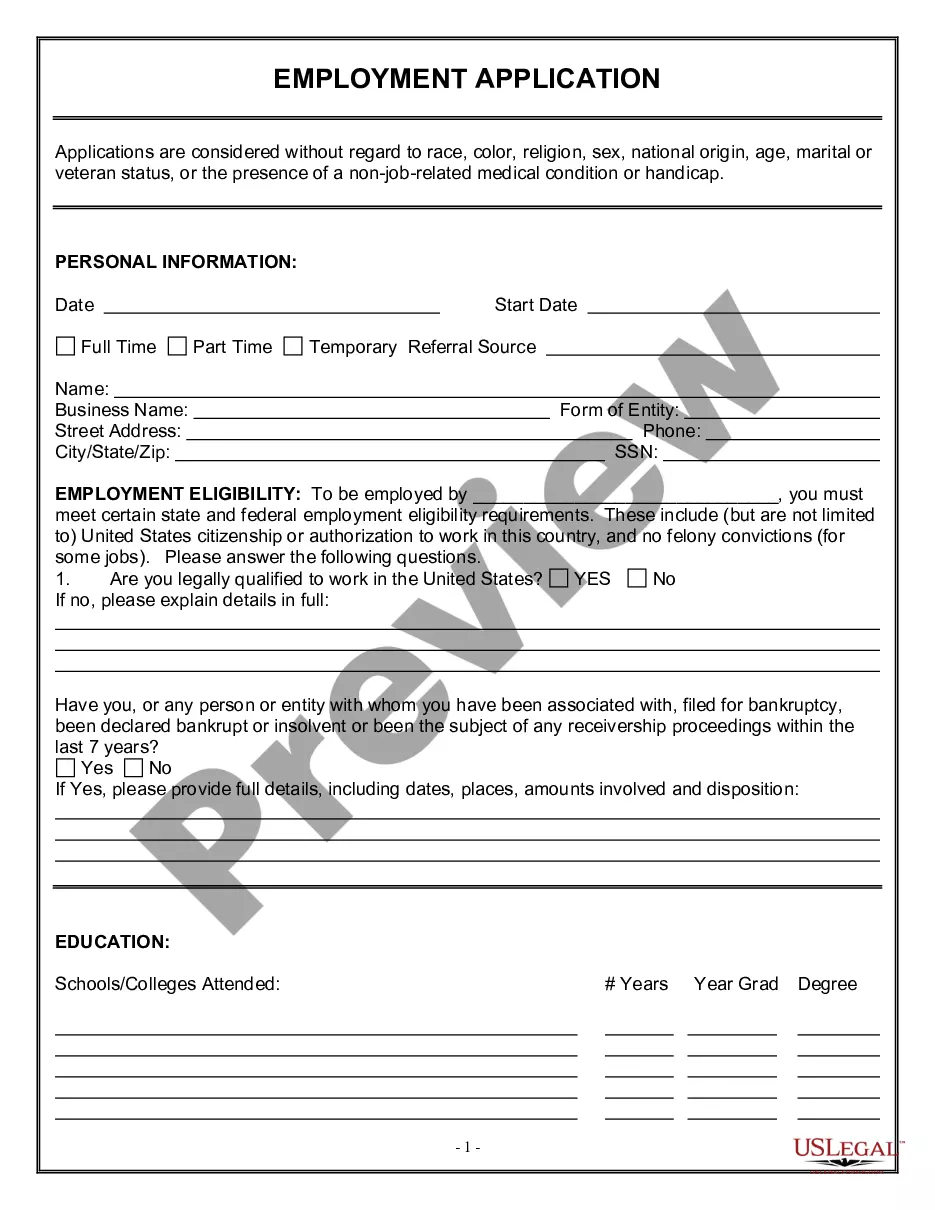


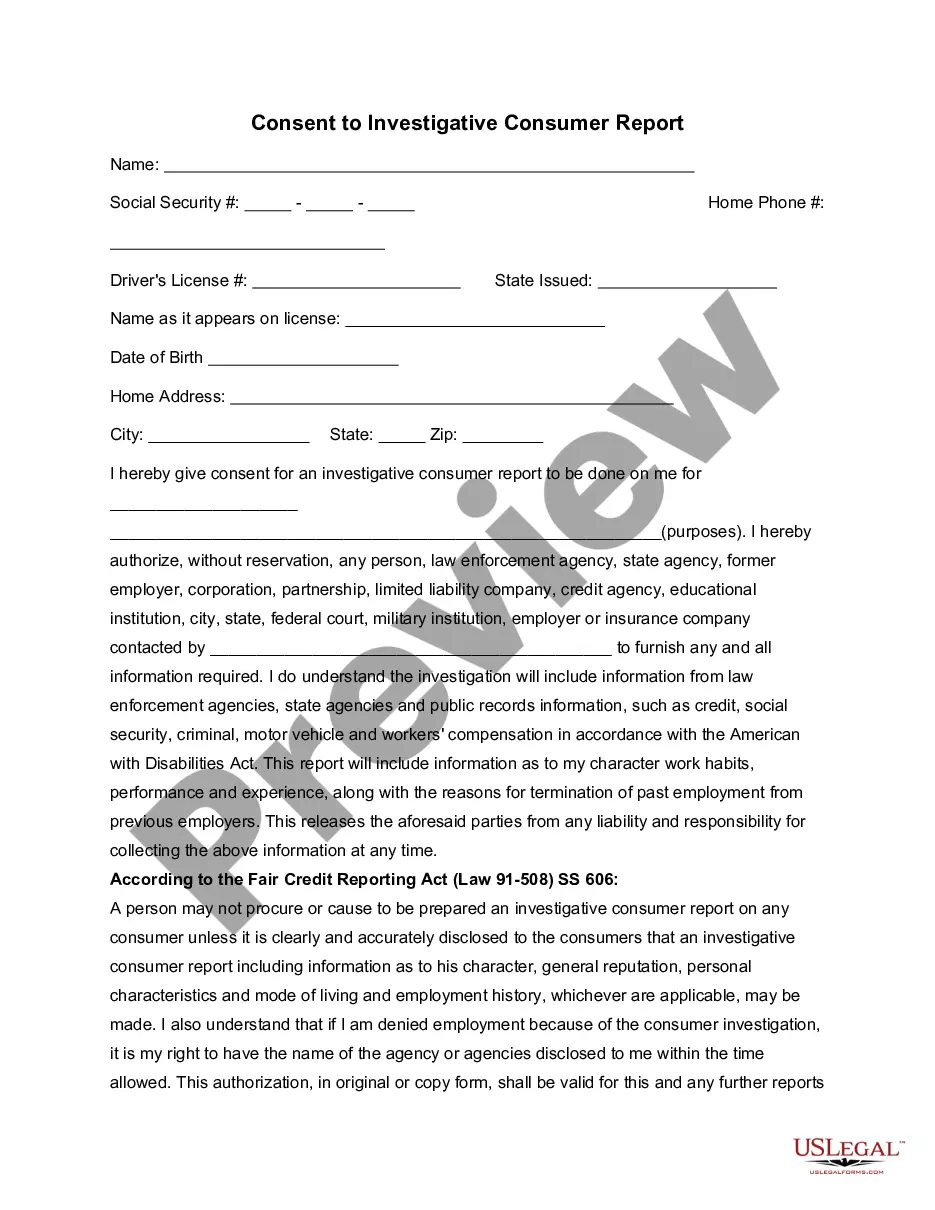


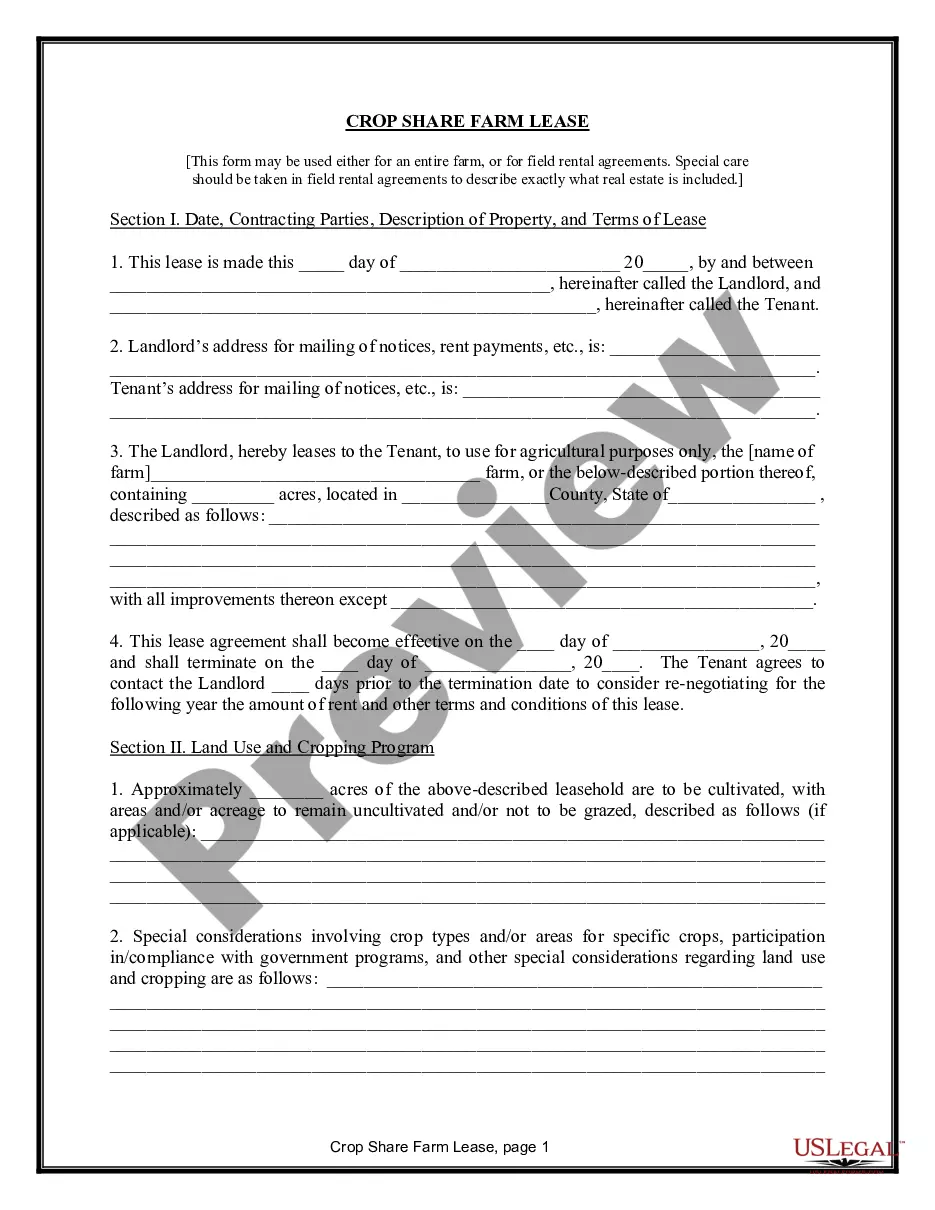

Form popularity
FAQ
Some basic pointers for handling claims denials are outlined below. Carefully review all notifications regarding the claim. Be persistent. Don't delay. Get to know the appeals process. Maintain records on disputed claims. Remember that help is available.
Be persistent Your appeal should include an explanation of your reconsideration request, along with any necessary supporting documentation, such as a copy of the claim in question and copies of earlier communication to the company about the matter.
If your claim has been denied or your benefits were terminated, and you do not agree with the decision, you have three options: Appeal the decision. File a lawsuit. Negotiate a Settlement.
Nationwide, high-volume insurers with higher in-network denial rates across HealthCare states included Blue Cross Blue Shield of Alabama (35% for its 12 plans in that state), UnitedHealth Group (33% across 274 plans in 20 states), Health Care Service Corporation (29% across 915 plans in four states), Molina ...
If an insurance company denies a request or claim for medical treatment, insureds have the right to appeal to the company and also to then ask the Department of Insurance to review the denial. These actions often succeed in obtaining needed medical treatment, so a denial by an insurer is not the final word.
If your inquiry is time-sensitive and you need immediate assistance, please contact the Consumer Hotline at 800-927-4357. If you want to file a complaint, please complete the Request for Assistance form. If you have already filed a Request for Assistance, please contact the compliance officer assigned to your case.
Steps to Appeal a Health Insurance Claim Denial Step 1: Find Out Why Your Claim Was Denied. Step 2: Call Your Insurance Provider. Step 3: Call Your Doctor's Office. Step 4: Collect the Right Paperwork. Step 5: Submit an Internal Appeal. Step 6: Wait For An Answer. Step 7: Submit an External Review. Review Your Plan Coverage.
Ans: You can file a complaint with the IRDAI's Grievance Cell of Consumer Affairs via phone or email to complaints@irdai.in if you do not agree with the rejection of your health insurance claim. You can also file a complaint on the Integrated Grievance Management System (IGMS) online on their website.
Led by Insurance Commissioner Ricardo Lara, the California Department of Insurance is the consumer protection agency for the nation's largest insurance marketplace and safeguards all of the state's consumers by fairly regulating the insurance industry.

