Here Denied Claim For Insurance In Phoenix
Description
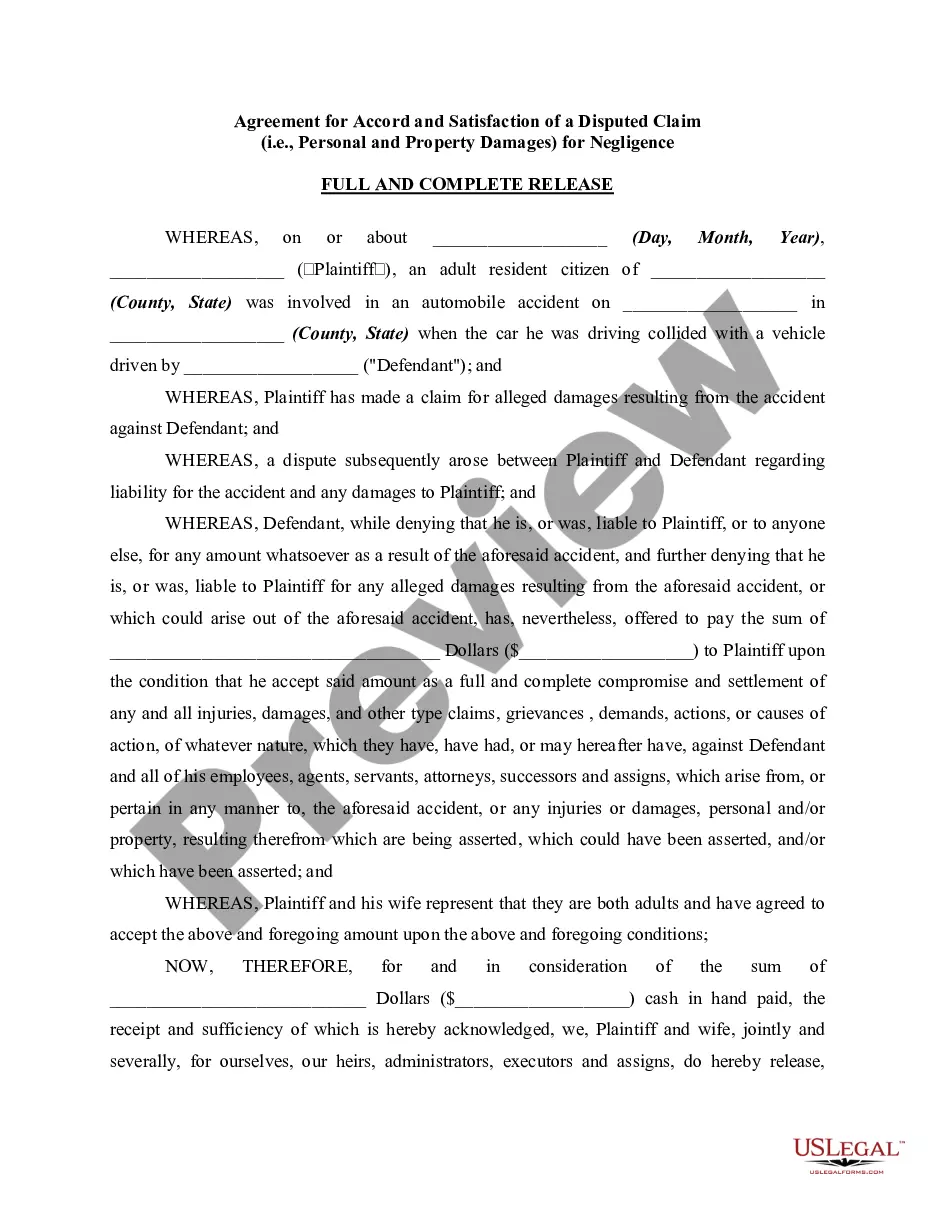
Get your form ready online
Our built-in tools help you complete, sign, share, and store your documents in one place.
Make edits, fill in missing information, and update formatting in US Legal Forms—just like you would in MS Word.
Download a copy, print it, send it by email, or mail it via USPS—whatever works best for your next step.
Sign and collect signatures with our SignNow integration. Send to multiple recipients, set reminders, and more. Go Premium to unlock E-Sign.
If this form requires notarization, complete it online through a secure video call—no need to meet a notary in person or wait for an appointment.
We protect your documents and personal data by following strict security and privacy standards.

Make edits, fill in missing information, and update formatting in US Legal Forms—just like you would in MS Word.

Download a copy, print it, send it by email, or mail it via USPS—whatever works best for your next step.

Sign and collect signatures with our SignNow integration. Send to multiple recipients, set reminders, and more. Go Premium to unlock E-Sign.

If this form requires notarization, complete it online through a secure video call—no need to meet a notary in person or wait for an appointment.

We protect your documents and personal data by following strict security and privacy standards.
Looking for another form?


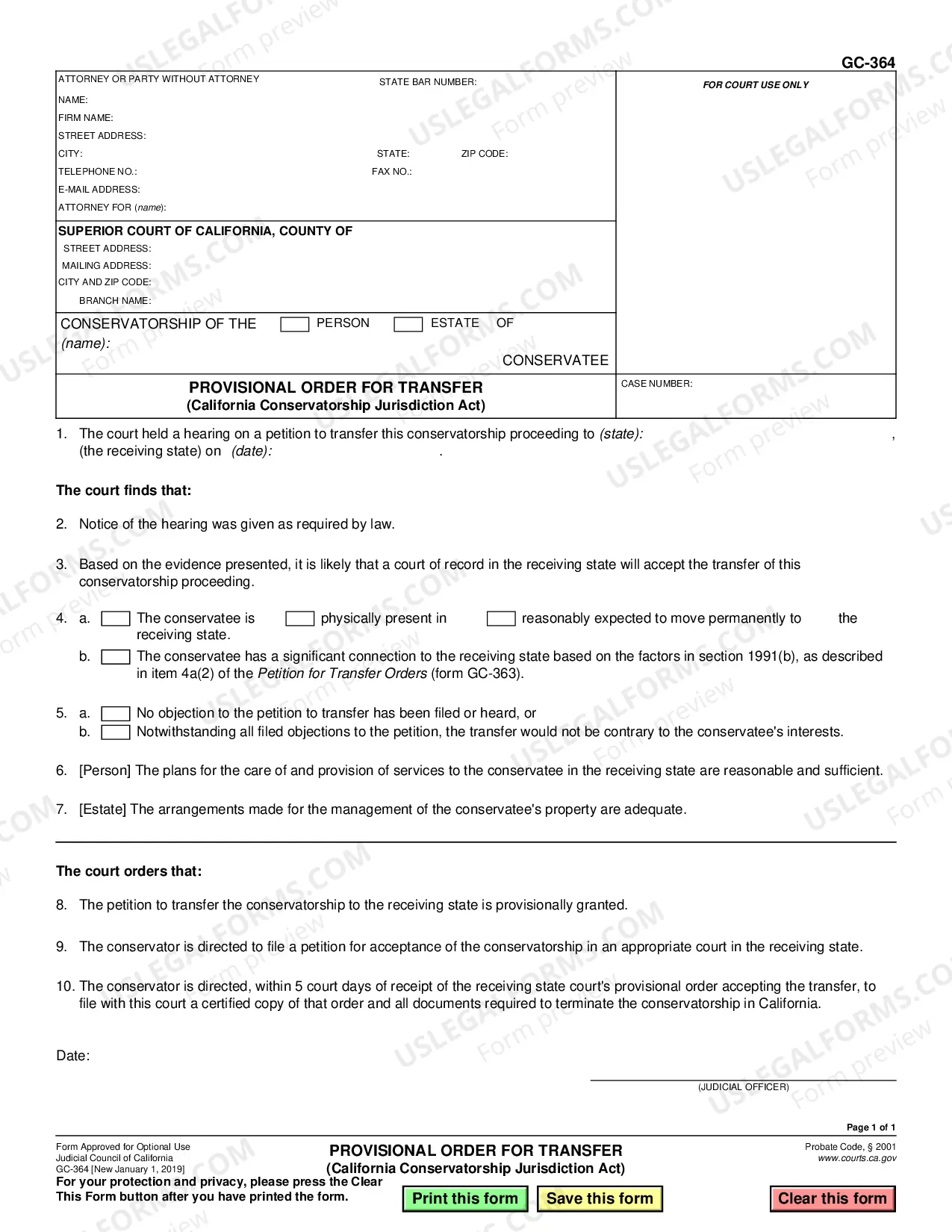





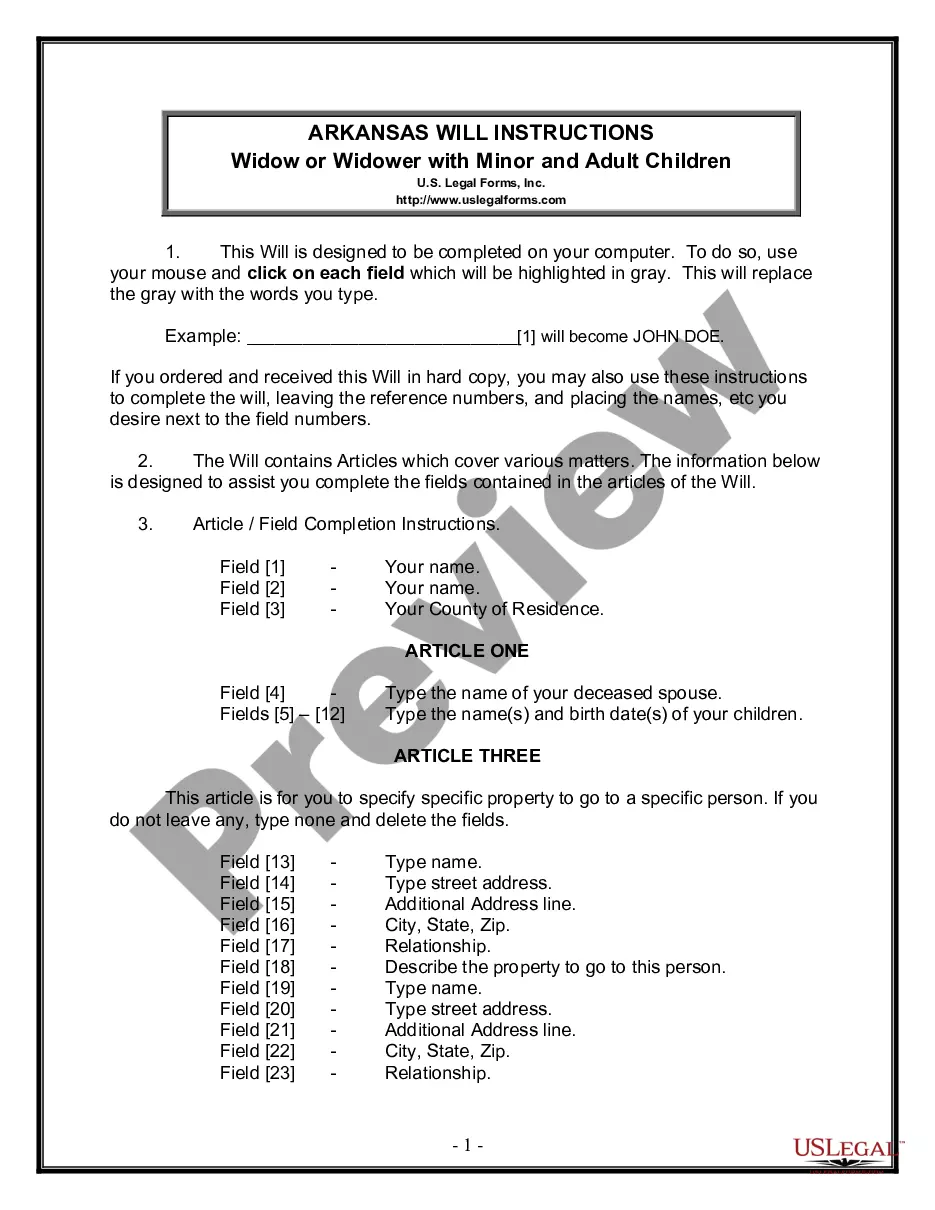

Form popularity
FAQ
Some basic pointers for handling claims denials are outlined below. Carefully review all notifications regarding the claim. Be persistent. Don't delay. Get to know the appeals process. Maintain records on disputed claims. Remember that help is available.
If your claim has been denied or your benefits were terminated, and you do not agree with the decision, you have three options: Appeal the decision. File a lawsuit. Negotiate a Settlement.
What to Do if Your Insurance Company Denies Your Claim in India? Correct the Data. Inform your insurer about reinitiating the claim. Proper Documentation. In case the reason why your claim was not accepted was a missing document, then make sure to provide that document this time. Prove that Hospitalization was Recommended.
If an insurance company denies a request or claim for medical treatment, insureds have the right to appeal to the company and also to then ask the Department of Insurance to review the denial. These actions often succeed in obtaining needed medical treatment, so a denial by an insurer is not the final word.
If you are not sure whether the Arizona Department of Insurance is the right place for your question or problem, contact our Consumer Protection Division: Phone: (602) 364-2499. Phone Hours: a.m. and p.m., Mondays through Fridays (except state holidays) Email: insurancensumers@difi.az.
Your claim could be denied because your policy is lapsed, you don't have enough coverage or for some other reason. If your claim is denied, you can appeal the decision—a lawyer can help but is optional.
Steps To Take if Your Claim Was Denied Review the policy. Asses what should be covered. Review the denial letter. Keep records. Follow your insurance company's internal appeals process. Provide additional information. Consider an external review. Speak to an attorney.
A rejected claim is typically the result of: A coding error(s), • A mismatched procedure and ICD-10 code(s), or • A terminated patient medical insurance policy.
Insurance companies deny claims for many reasons, such as insufficient evidence, missed deadlines, or policy exclusions.
Yes, claims can still be rejected if the claim is for an excluded event, if you've violated a policy term, or if there's an error in the information provided.
