Denied Claim Agreement With United Healthcare In Miami-Dade
Description
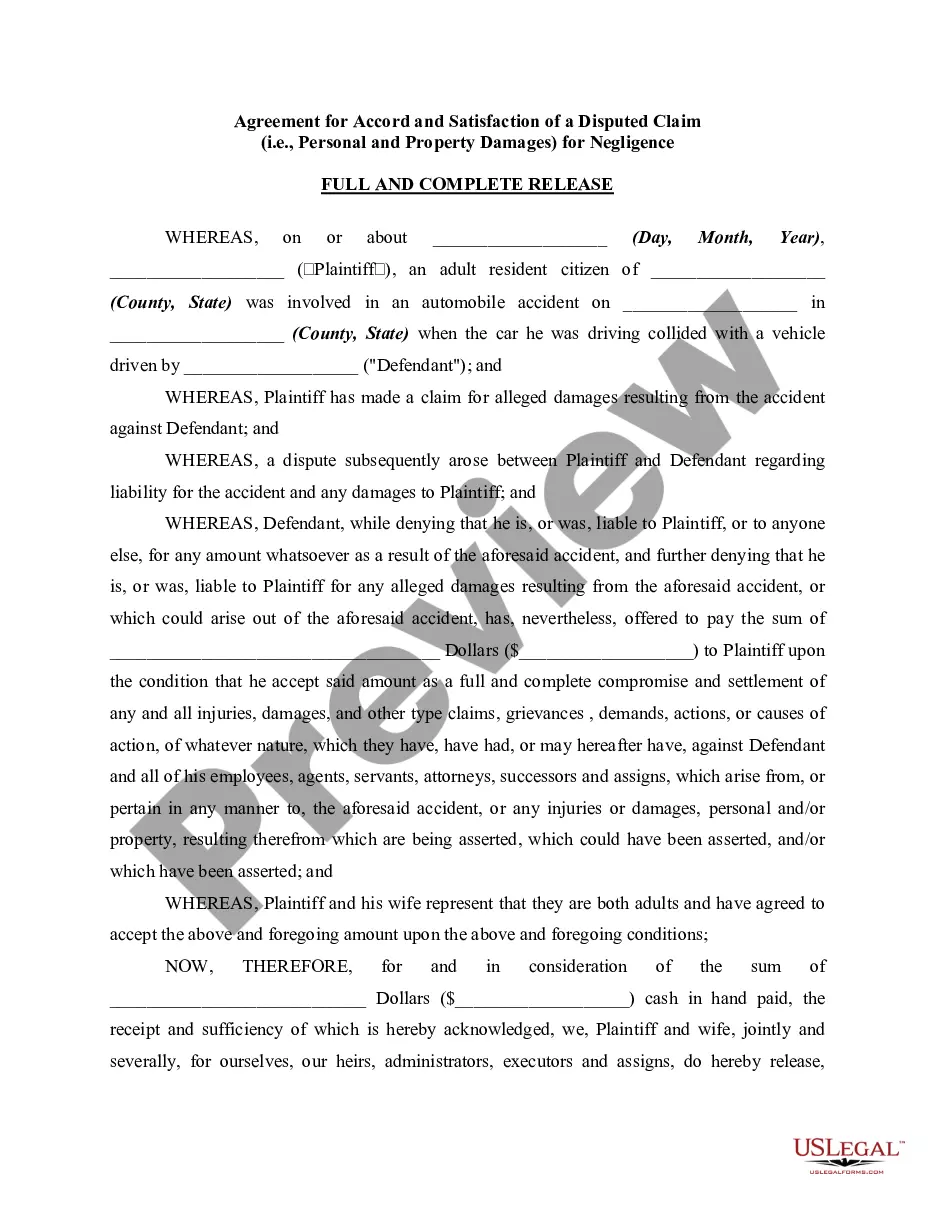
Get your form ready online
Our built-in tools help you complete, sign, share, and store your documents in one place.
Make edits, fill in missing information, and update formatting in US Legal Forms—just like you would in MS Word.
Download a copy, print it, send it by email, or mail it via USPS—whatever works best for your next step.
Sign and collect signatures with our SignNow integration. Send to multiple recipients, set reminders, and more. Go Premium to unlock E-Sign.
If this form requires notarization, complete it online through a secure video call—no need to meet a notary in person or wait for an appointment.
We protect your documents and personal data by following strict security and privacy standards.

Make edits, fill in missing information, and update formatting in US Legal Forms—just like you would in MS Word.

Download a copy, print it, send it by email, or mail it via USPS—whatever works best for your next step.

Sign and collect signatures with our SignNow integration. Send to multiple recipients, set reminders, and more. Go Premium to unlock E-Sign.

If this form requires notarization, complete it online through a secure video call—no need to meet a notary in person or wait for an appointment.

We protect your documents and personal data by following strict security and privacy standards.
Looking for another form?

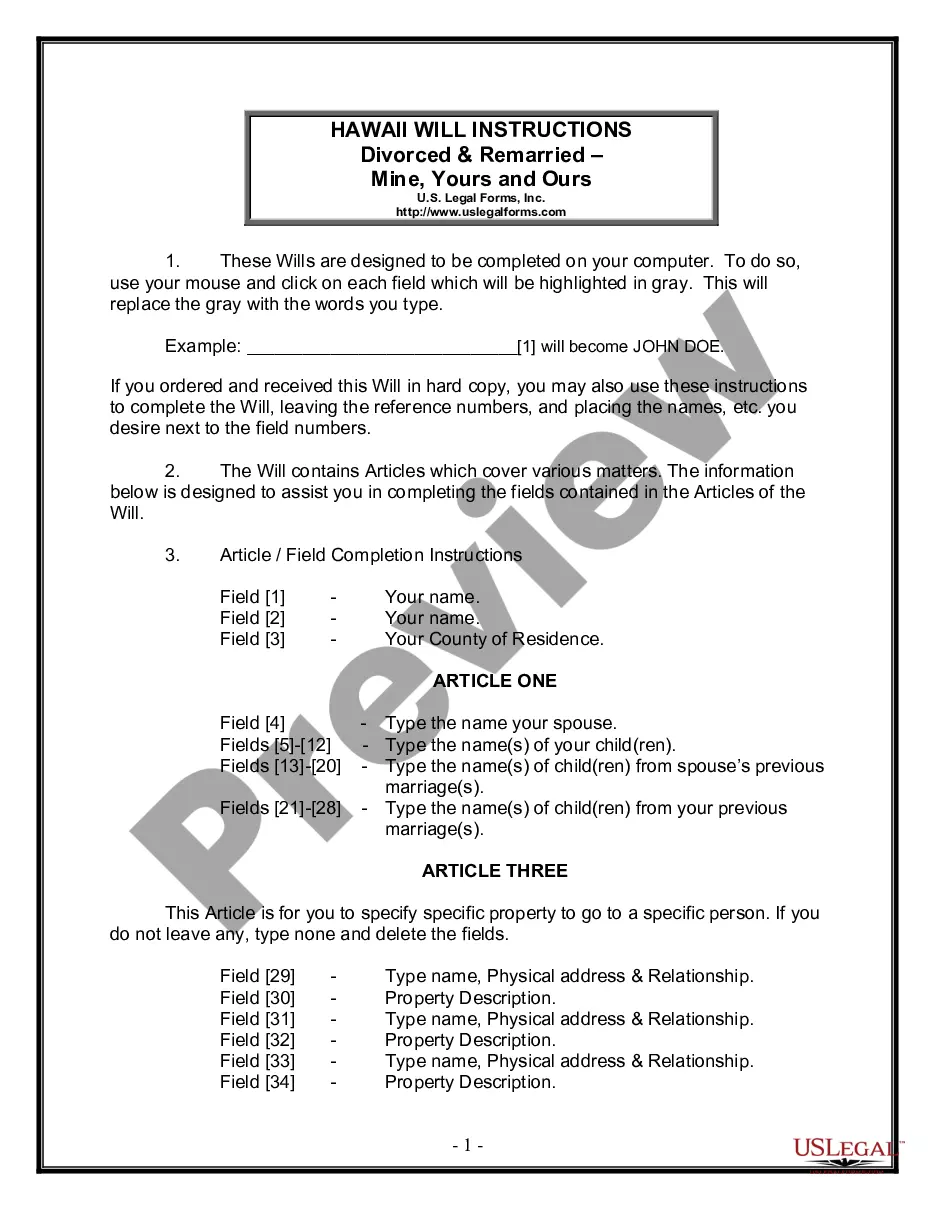




Form popularity
FAQ
UnitedHealth Group today provided the following information regarding UnitedHealthcare's medical claims approval rate: UnitedHealthcare approves and pays about 90% of medical claims upon submission.
UnitedHealthcare approves and pays about 90% of medical claims upon submission.
Claims Denials and Appeals in 2023 Of these in-network claims, 73 million were ultimately denied, resulting in an average in-network denial rate of 19% (Figure 1). Out-of-network claims totaled 33 million, with an overall higher denial rate of 37%.
With UnitedHealthcare health insurance plans, you'll have access to a large provider network that includes more than 1.3 million physicians and care professionals and 6500 hospitals and care facilities nationwide.
Some basic pointers for handling claims denials are outlined below. Carefully review all notifications regarding the claim. Be persistent. Don't delay. Get to know the appeals process. Maintain records on disputed claims. Remember that help is available.
Steps to Appeal a Health Insurance Claim Denial Step 1: Find Out Why Your Claim Was Denied. Step 2: Call Your Insurance Provider. Step 3: Call Your Doctor's Office. Step 4: Collect the Right Paperwork. Step 5: Submit an Internal Appeal. Step 6: Wait For An Answer. Step 7: Submit an External Review.
If your claim is rejected, you can lodge a dispute with the insurer using their internal dispute resolution process or contact an insurance claim lawyer for help. If you still can't achieve your desired outcome, you can take legal action or pursue other outside options.
Nationwide, high-volume insurers with higher in-network denial rates across HealthCare states included Blue Cross Blue Shield of Alabama (35% for its 12 plans in that state), UnitedHealth Group (33% across 274 plans in 20 states), Health Care Service Corporation (29% across 915 plans in four states), Molina ...
A rejected claim is typically the result of: A coding error(s), • A mismatched procedure and ICD-10 code(s), or • A terminated patient medical insurance policy.
Steps to Appeal a Health Insurance Claim Denial Step 1: Find Out Why Your Claim Was Denied. Step 2: Call Your Insurance Provider. Step 3: Call Your Doctor's Office. Step 4: Collect the Right Paperwork. Step 5: Submit an Internal Appeal. Step 6: Wait For An Answer. Step 7: Submit an External Review. Review Your Plan Coverage.

