Denied Claim Agreement For Authorization In Massachusetts
Description
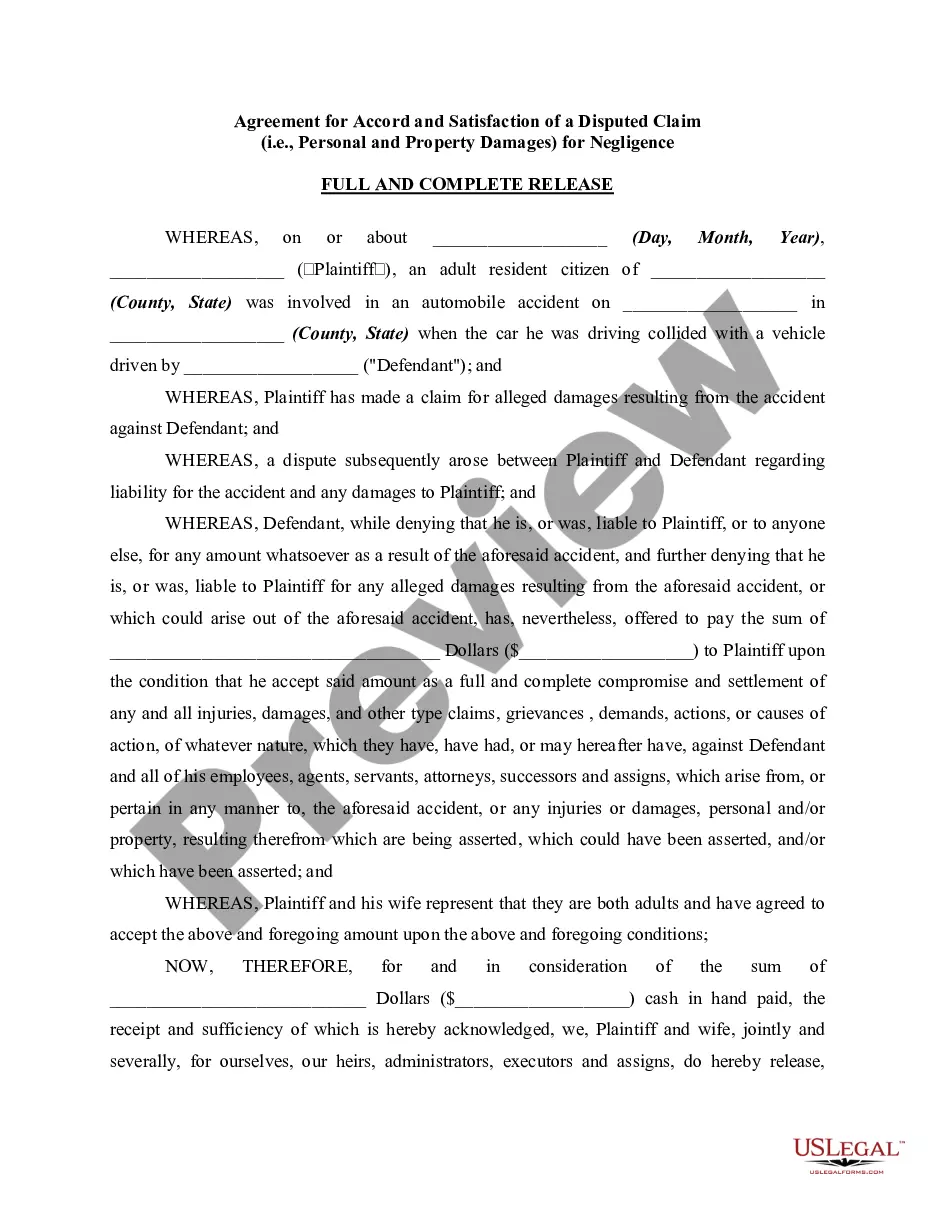
Get your form ready online
Our built-in tools help you complete, sign, share, and store your documents in one place.
Make edits, fill in missing information, and update formatting in US Legal Forms—just like you would in MS Word.
Download a copy, print it, send it by email, or mail it via USPS—whatever works best for your next step.
Sign and collect signatures with our SignNow integration. Send to multiple recipients, set reminders, and more. Go Premium to unlock E-Sign.
If this form requires notarization, complete it online through a secure video call—no need to meet a notary in person or wait for an appointment.
We protect your documents and personal data by following strict security and privacy standards.

Make edits, fill in missing information, and update formatting in US Legal Forms—just like you would in MS Word.

Download a copy, print it, send it by email, or mail it via USPS—whatever works best for your next step.

Sign and collect signatures with our SignNow integration. Send to multiple recipients, set reminders, and more. Go Premium to unlock E-Sign.

If this form requires notarization, complete it online through a secure video call—no need to meet a notary in person or wait for an appointment.

We protect your documents and personal data by following strict security and privacy standards.
Looking for another form?









Form popularity
FAQ
Thorough documentation based on a respected clinical source is the best way to obtain preauthorization or appeal a denial. In addition to government sources such as AHRQ, it may be worth asking your most frequent payers what guidelines they use. Clearly document any deviation from evidence-based guidelines.
They would need to first contact the insurance company and ask why the claim was denied. If the insurance company indicates a billing error or missing information, patients can work with their physician to review the paperwork and fix any errors that caused the denial.
If your resubmitted claim is denied and you believe the denial was improper, you may appeal the decision ing to the carrier's guidelines. Make sure you know exactly what information you need to submit with your appeal. Keep in mind that appeal procedures may vary by insurance company and state law.
Once you have a reason for the denial, it's time to partner with your physician's office. Give them the reason for the denial and see if there is any additional information they can provide to support the prior authorization request. Get copies of your consult notes, test results and any additional information needed.
Best Practices for Avoiding Prior Authorization Denials Double-check the billing codes. Use the correct spelling for all names. Fully detail why you've recommended the treatment. Outline any treatments the patient has already tried and failed. Back up your claims with evidence-based clinical guidelines.
Common reasons for receiving the CO 197 Denial Code One of the primary causes for CO 197 denials is the lack of pre-authorization or prior approval for the services provided.
Example 7: Insurance Company Lost The Claim Sometimes claims get lost during their transition. If the claim gets lost and doesn't get resubmitted before the timely filing limit deadline…the insurance company will deny the claim.
Some basic pointers for handling claims denials are outlined below. Carefully review all notifications regarding the claim. Be persistent. Don't delay. Get to know the appeals process. Maintain records on disputed claims. Remember that help is available.
Steps to Appeal a Health Insurance Claim Denial Step 1: Find Out Why Your Claim Was Denied. Step 2: Call Your Insurance Provider. Step 3: Call Your Doctor's Office. Step 4: Collect the Right Paperwork. Step 5: Submit an Internal Appeal. Step 6: Wait For An Answer. Step 7: Submit an External Review. Review Your Plan Coverage.
You may also file an appeal if your health plan denies pre-approval (called prior authorization) for a benefit or service. There are two types of appeals—an internal appeal and an external review. You file an internal appeal to ask your health plan to review its decision to deny a claim.
