Dispute Claim Form For Credit Report In Florida
Description
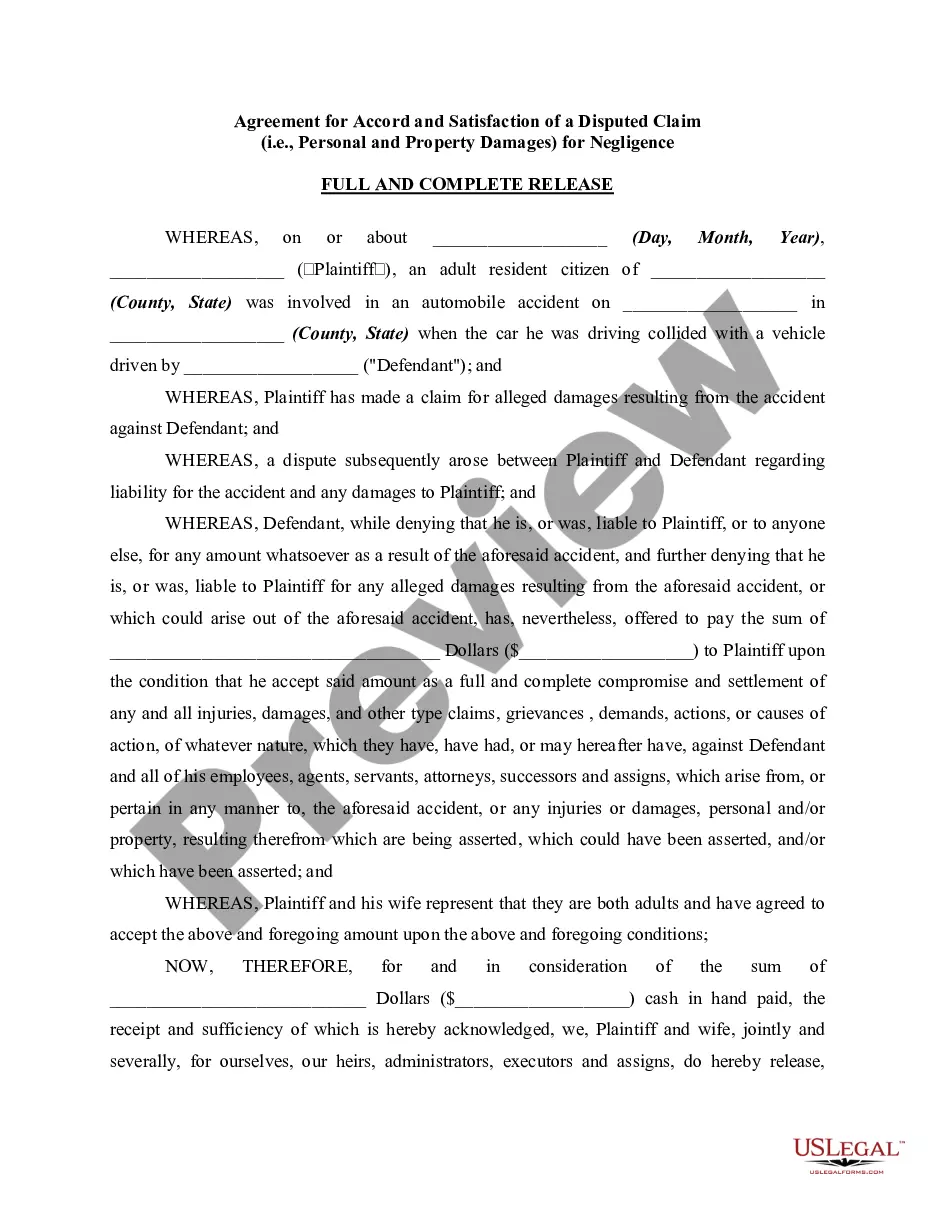
Get your form ready online
Our built-in tools help you complete, sign, share, and store your documents in one place.
Make edits, fill in missing information, and update formatting in US Legal Forms—just like you would in MS Word.
Download a copy, print it, send it by email, or mail it via USPS—whatever works best for your next step.
Sign and collect signatures with our SignNow integration. Send to multiple recipients, set reminders, and more. Go Premium to unlock E-Sign.
If this form requires notarization, complete it online through a secure video call—no need to meet a notary in person or wait for an appointment.
We protect your documents and personal data by following strict security and privacy standards.

Make edits, fill in missing information, and update formatting in US Legal Forms—just like you would in MS Word.

Download a copy, print it, send it by email, or mail it via USPS—whatever works best for your next step.

Sign and collect signatures with our SignNow integration. Send to multiple recipients, set reminders, and more. Go Premium to unlock E-Sign.

If this form requires notarization, complete it online through a secure video call—no need to meet a notary in person or wait for an appointment.

We protect your documents and personal data by following strict security and privacy standards.
Looking for another form?




Form popularity
FAQ
An effective 609 Letter should include: Personal Information: Full name, current address, date of birth, and Social Security number. Specific Account Details: List of disputed items with account names and numbers. Request for Information: A clear statement requesting the original source of each disputed item.
If you identify an error on your credit report, you should start by disputing that information with the credit reporting company (Experian, Equifax, and/or Transunion). You should explain in writing what you think is wrong, why, and include copies of documents that support your dispute.
Dispute mistakes with the credit bureaus. You should dispute with each credit bureau that has the mistake. Explain in writing what you think is wrong, include the credit bureau's dispute form (if they have one), copies of documents that support your dispute, and keep records of everything you send.
2) What is the 609 loophole? The “609 loophole” is a misconception. Section 609 of the Fair Credit Reporting Act (FCRA) allows consumers to request their credit file information. It does not guarantee the removal of negative items but requires credit bureaus to verify the accuracy of disputed information.
Your letter should identify each item you dispute, state the facts, explain why you dispute the information, and ask that the business that supplied the information take action to have it removed or corrected. You may want to enclose a copy of your report with the item(s) in question circled.
Online may be the fastest and easiest method, and you can manage the process with Experian in the Dispute Center. But you can't dispute some items online. It's important to regularly review your credit reports to make sure everything is accurate.
You can raise an online dispute with the credit bureau to dispute errors. Visit the dispute resolution section and fill the form to fix the error. It should be noted that you will need to submit the nine-digit number provided on your credit report which contains the disputed details.
An effective 609 Letter should include: Personal Information: Full name, current address, date of birth, and Social Security number. Specific Account Details: List of disputed items with account names and numbers. Request for Information: A clear statement requesting the original source of each disputed item.

