Denied Claim Agreement For Medicare In Florida
Description
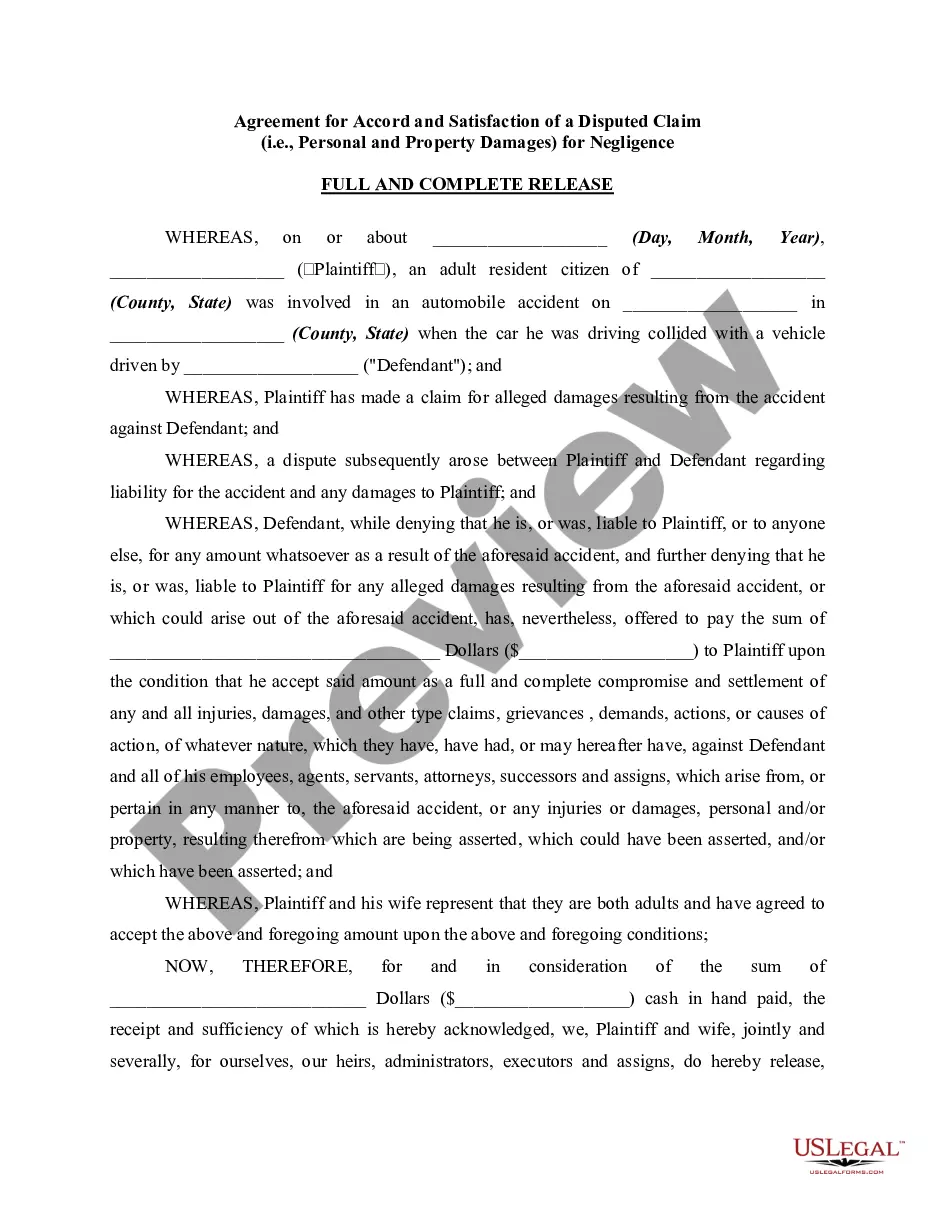
Get your form ready online
Our built-in tools help you complete, sign, share, and store your documents in one place.
Make edits, fill in missing information, and update formatting in US Legal Forms—just like you would in MS Word.
Download a copy, print it, send it by email, or mail it via USPS—whatever works best for your next step.
Sign and collect signatures with our SignNow integration. Send to multiple recipients, set reminders, and more. Go Premium to unlock E-Sign.
If this form requires notarization, complete it online through a secure video call—no need to meet a notary in person or wait for an appointment.
We protect your documents and personal data by following strict security and privacy standards.

Make edits, fill in missing information, and update formatting in US Legal Forms—just like you would in MS Word.

Download a copy, print it, send it by email, or mail it via USPS—whatever works best for your next step.

Sign and collect signatures with our SignNow integration. Send to multiple recipients, set reminders, and more. Go Premium to unlock E-Sign.

If this form requires notarization, complete it online through a secure video call—no need to meet a notary in person or wait for an appointment.

We protect your documents and personal data by following strict security and privacy standards.
Looking for another form?







Form popularity
FAQ
What is the best way to win a Medicare appeal? Make sure all notices from Medicare or the Medicare Advantage plan are fully read and understood. Include a letter from the beneficiary's doctor in support of the appeal. Make sure to meet appeal deadlines. Keep a copy of all documents sent and received during the process.
If Medicare denies payment: You're responsible for paying.
1. Fill out a “Medicare Reconsideration Request” form (CMS Form number 20033), which is included with the “Medicare Redetermination Notice.” You can also get a copy by visiting CMS/cmsforms/downloads/cms20033.pdf, or calling 1-800-MEDICARE (1-800-633-4227). TTY users can call 1-877-486-2048.
Call 1-800-MEDICARE (1-800-633-4227). TTY users can call 1-877-486-2048. Visit Medicare/forms-help-resources/medicare-forms for appeals forms.
Any letter written to appeal a denial should include a response to the specific reasons given for the denial. Before writing a letter you must request the reasons for denial in writing, if you have not already received this and also request copies of any plan guidelines that were used in support of the denial.
Things to Include in Your Appeal Letter Patient name, policy number, and policy holder name. Accurate contact information for patient and policy holder. Date of denial letter, specifics on what was denied, and cited reason for denial. Doctor or medical provider's name and contact information.
Ensure every argument is concise and directly supports your case. Focus on presenting strong evidence and legal precedent that bolster your points. It's also important to follow the specific formatting and submission guidelines set by the appellate court, as failing to do so can undermine your case.
Content and Tone Opening Statement. The first sentence or two should state the purpose of the letter clearly. Be Factual. Include factual detail but avoid dramatizing the situation. Be Specific. Documentation. Stick to the Point. Do Not Try to Manipulate the Reader. How to Talk About Feelings. Be Brief.
Call your health or dental plan for information on their complaint and appeal process. If you have questions about Medicaid Fair Hearings, or if you need help finding contact information for your health or dental plan, call our Medicaid Helpline at 1-877-254-1055.
Submit a written request, which must include: Your name, address, phone number, and Medicare Number. The appeal number assigned by the QIC if any. The dates of service for the items or services you're appealing. Why you disagree with the QIC's decision. Any information to make your appeal stronger.

