Here Denied Claim For Primary Eob In California
Description
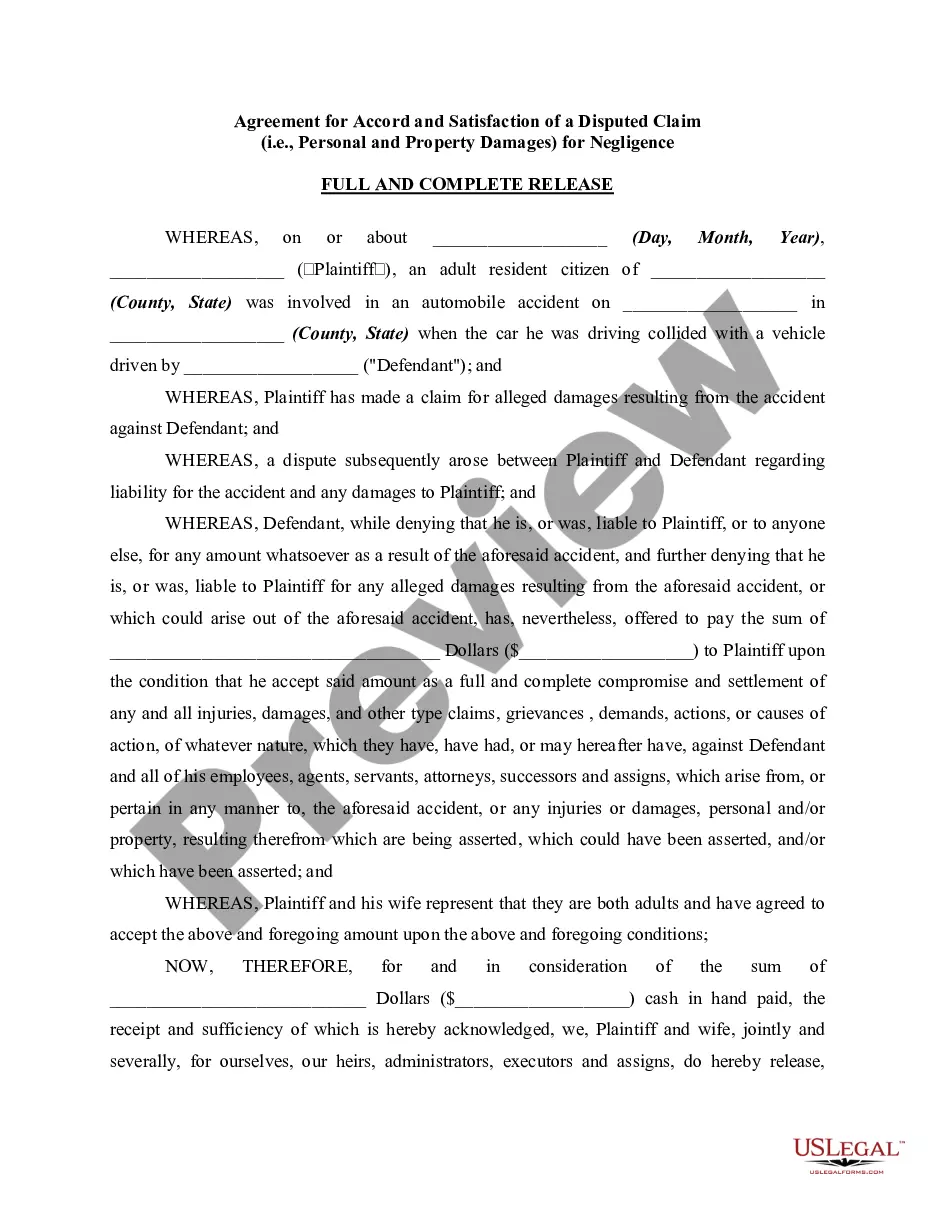
Get your form ready online
Our built-in tools help you complete, sign, share, and store your documents in one place.
Make edits, fill in missing information, and update formatting in US Legal Forms—just like you would in MS Word.
Download a copy, print it, send it by email, or mail it via USPS—whatever works best for your next step.
Sign and collect signatures with our SignNow integration. Send to multiple recipients, set reminders, and more. Go Premium to unlock E-Sign.
If this form requires notarization, complete it online through a secure video call—no need to meet a notary in person or wait for an appointment.
We protect your documents and personal data by following strict security and privacy standards.

Make edits, fill in missing information, and update formatting in US Legal Forms—just like you would in MS Word.

Download a copy, print it, send it by email, or mail it via USPS—whatever works best for your next step.

Sign and collect signatures with our SignNow integration. Send to multiple recipients, set reminders, and more. Go Premium to unlock E-Sign.

If this form requires notarization, complete it online through a secure video call—no need to meet a notary in person or wait for an appointment.

We protect your documents and personal data by following strict security and privacy standards.
Looking for another form?





Form popularity
FAQ
How to write an appeal letter to insurance company appeals departments Step 1: Gather Relevant Information. Step 2: Organize Your Information. Step 3: Write a Polite and Professional Letter. Step 4: Include Supporting Documentation. Step 5: Explain the Error or Omission. Step 6: Request a Review. Step 7: Conclude the Letter.
How to write a denial letter Restate the request. To prevent unnecessary confusion, restate the request your employee made in a few brief sentences. Be specific. Provide a specific reason for your denial. Offer an alternative if possible. Remain polite and professional.
I kindly request that you conduct a thorough review of my claim, taking into consideration the provided information and the policy terms. I also request that you reconsider your decision to deny my claim and provide a fair and favorable resolution in line with the terms and conditions of my policy.
Example of a Denial of Coverage Letter Dear Policyholder's Name, We are writing to you regarding your recent claim submitted on Date with the claim number Claim Number. After a thorough review of your claim and policy, we regret to inform you that we are unable to approve your claim for Reason for Claim.
Denial code 167 means the diagnosis is not covered. Check the 835 Healthcare Policy Identification Segment for more information.
Things to Include in Your Appeal Letter Patient name, policy number, and policy holder name. Accurate contact information for patient and policy holder. Date of denial letter, specifics on what was denied, and cited reason for denial. Doctor or medical provider's name and contact information.
If your resubmitted claim is denied and you believe the denial was improper, you may appeal the decision ing to the carrier's guidelines. Make sure you know exactly what information you need to submit with your appeal. Keep in mind that appeal procedures may vary by insurance company and state law.
A claim rejection occurs before the claim is processed and most often results from incorrect data. Conversely, a claim denial applies to a claim that has been processed and found to be unpayable.
Claim Denials are claims that have been received and processed by the insurance carrier and have been deemed unpayable for a variety of reasons. These claim denials typically contain an error that was flagged after processing.
If your claim has been denied or your benefits were terminated, and you do not agree with the decision, you have three options: Appeal the decision. File a lawsuit. Negotiate a Settlement.

