Dispute Claim Form With Insurance Company In Broward
Description
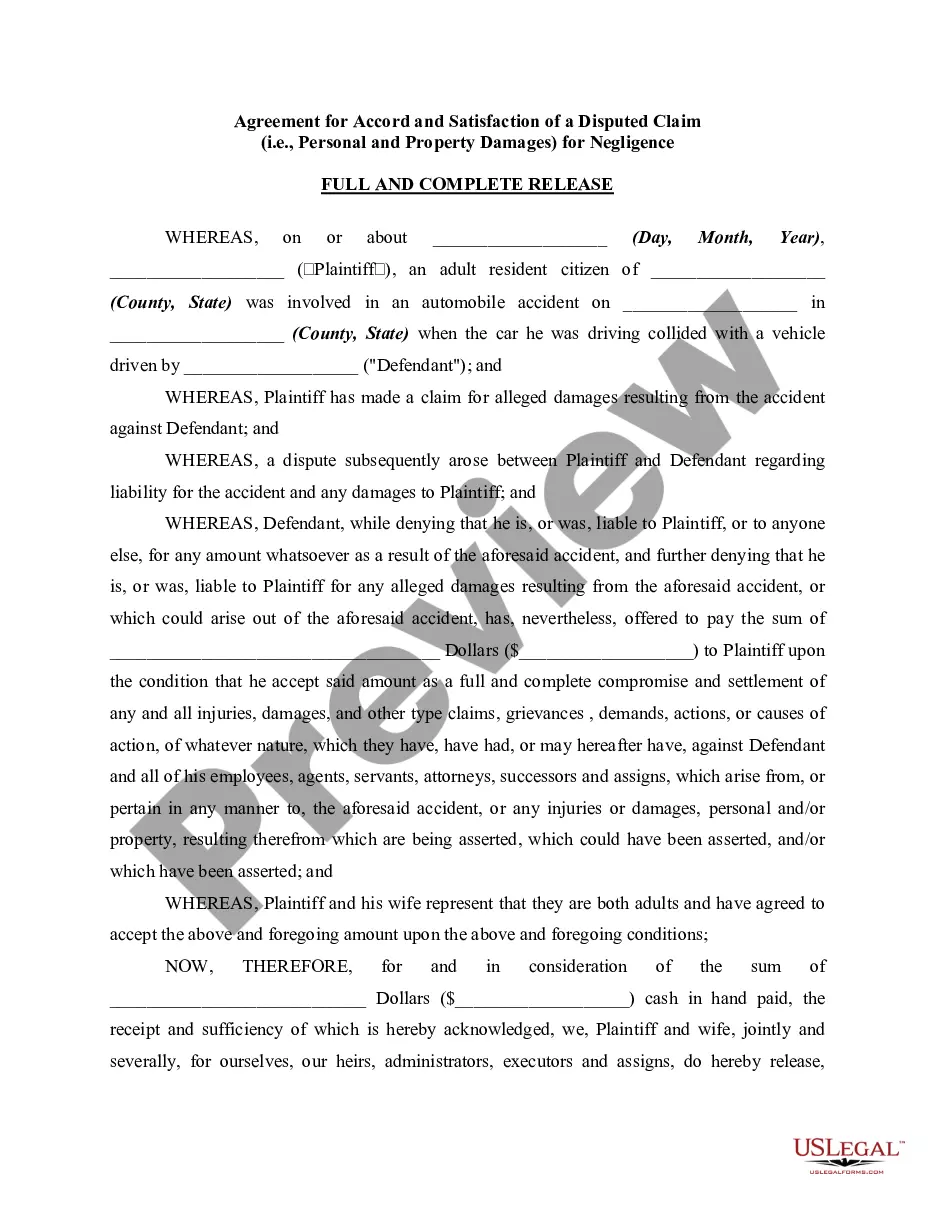
Get your form ready online
Our built-in tools help you complete, sign, share, and store your documents in one place.
Make edits, fill in missing information, and update formatting in US Legal Forms—just like you would in MS Word.
Download a copy, print it, send it by email, or mail it via USPS—whatever works best for your next step.
Sign and collect signatures with our SignNow integration. Send to multiple recipients, set reminders, and more. Go Premium to unlock E-Sign.
If this form requires notarization, complete it online through a secure video call—no need to meet a notary in person or wait for an appointment.
We protect your documents and personal data by following strict security and privacy standards.

Make edits, fill in missing information, and update formatting in US Legal Forms—just like you would in MS Word.

Download a copy, print it, send it by email, or mail it via USPS—whatever works best for your next step.

Sign and collect signatures with our SignNow integration. Send to multiple recipients, set reminders, and more. Go Premium to unlock E-Sign.

If this form requires notarization, complete it online through a secure video call—no need to meet a notary in person or wait for an appointment.

We protect your documents and personal data by following strict security and privacy standards.
Looking for another form?
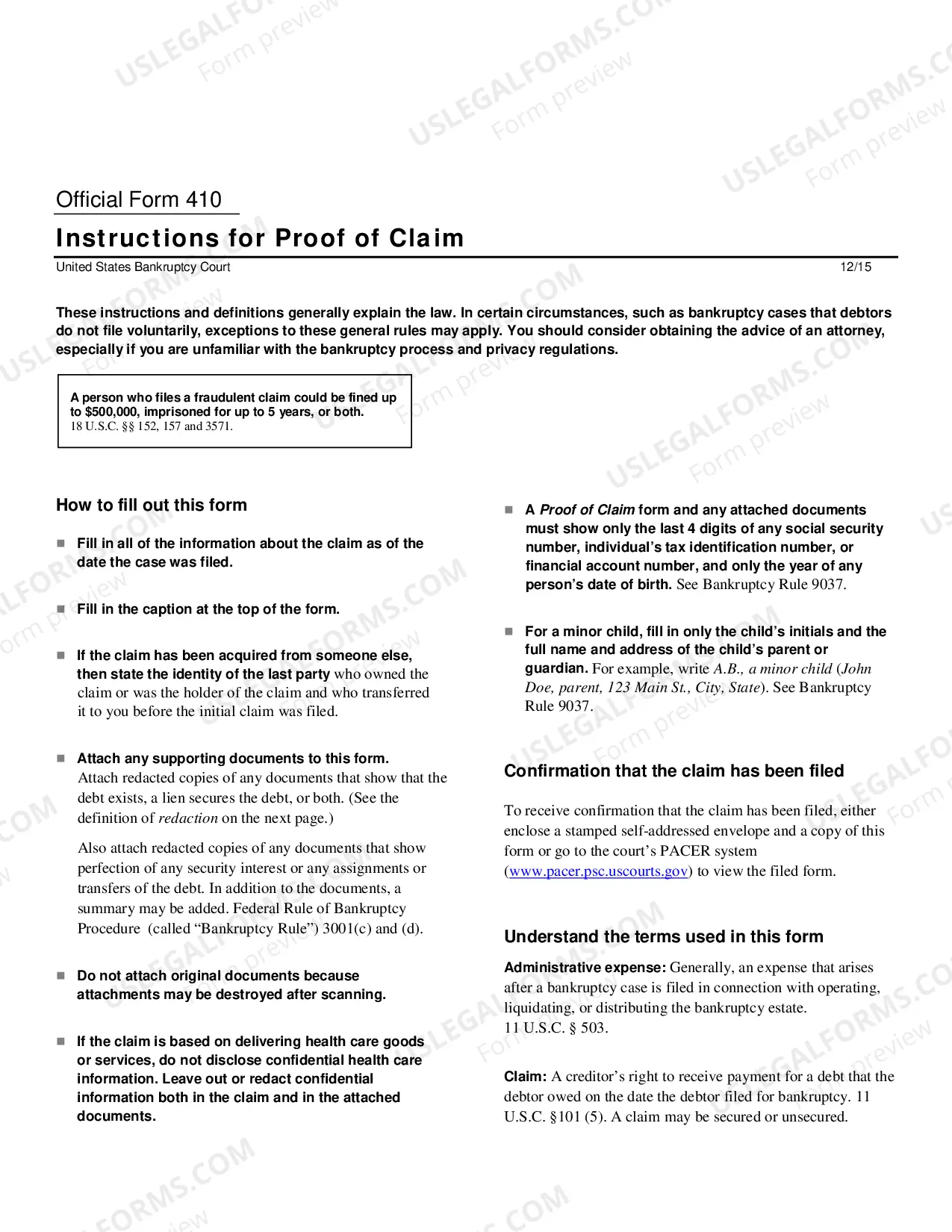
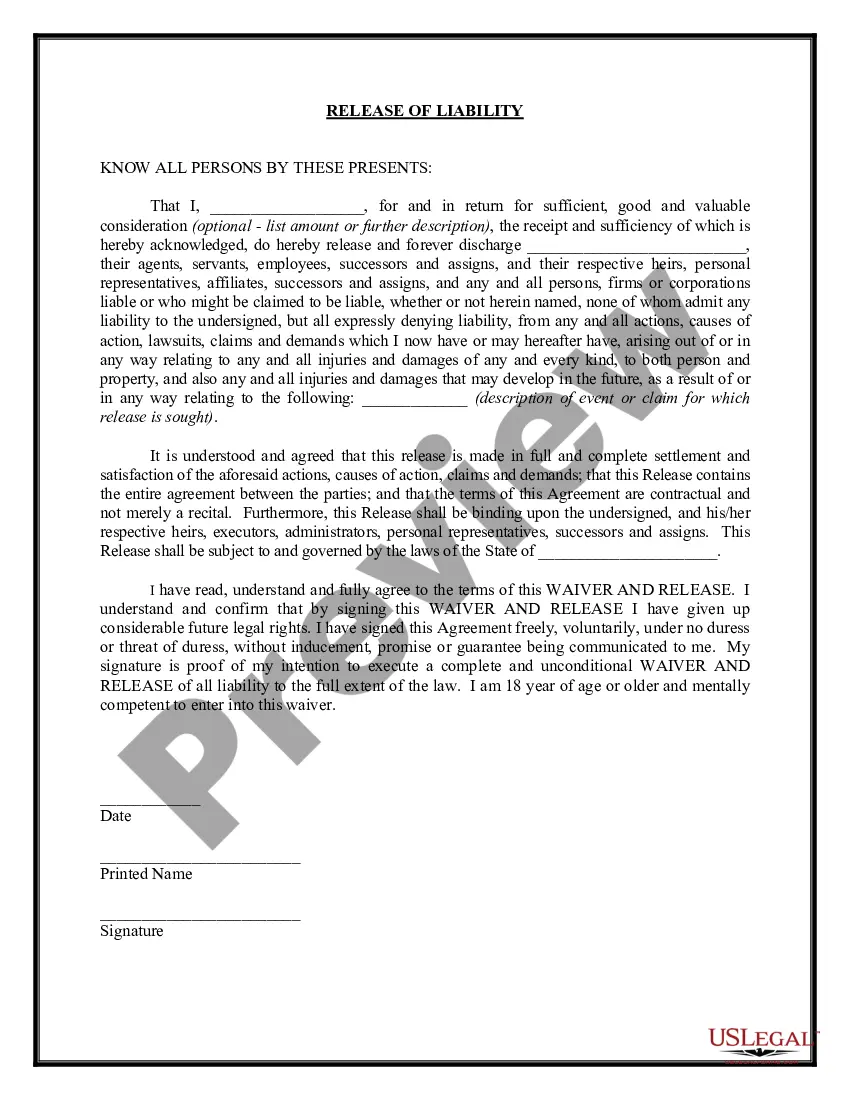

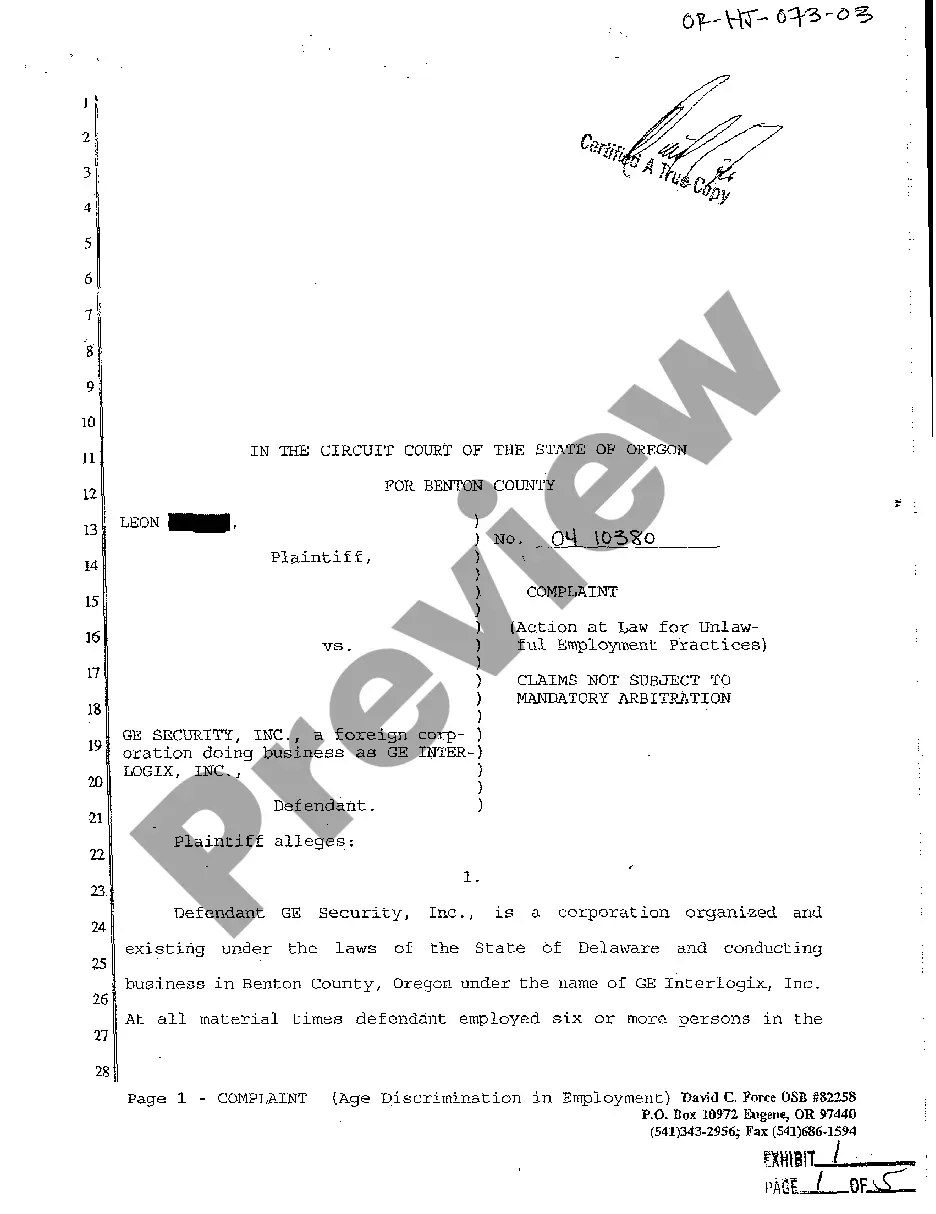

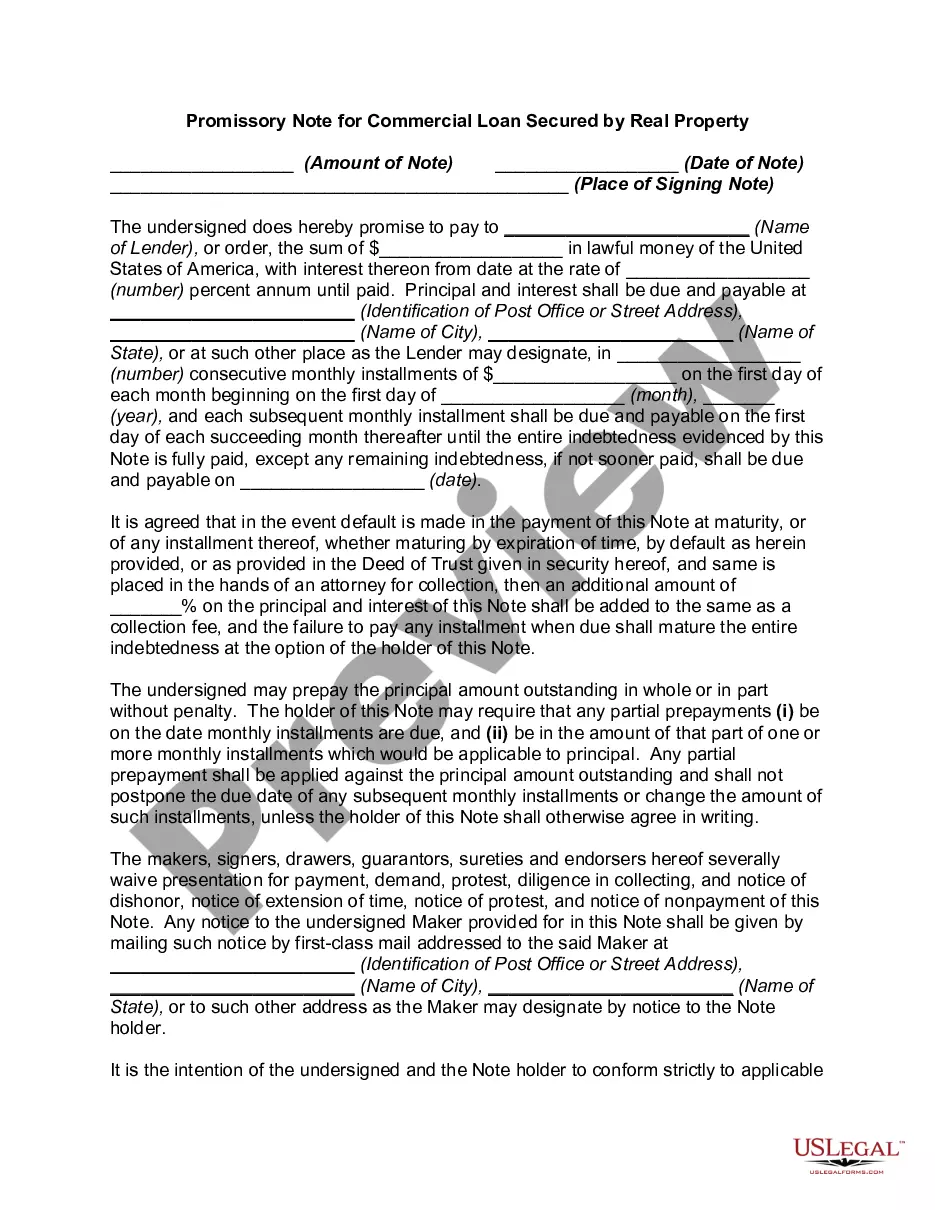
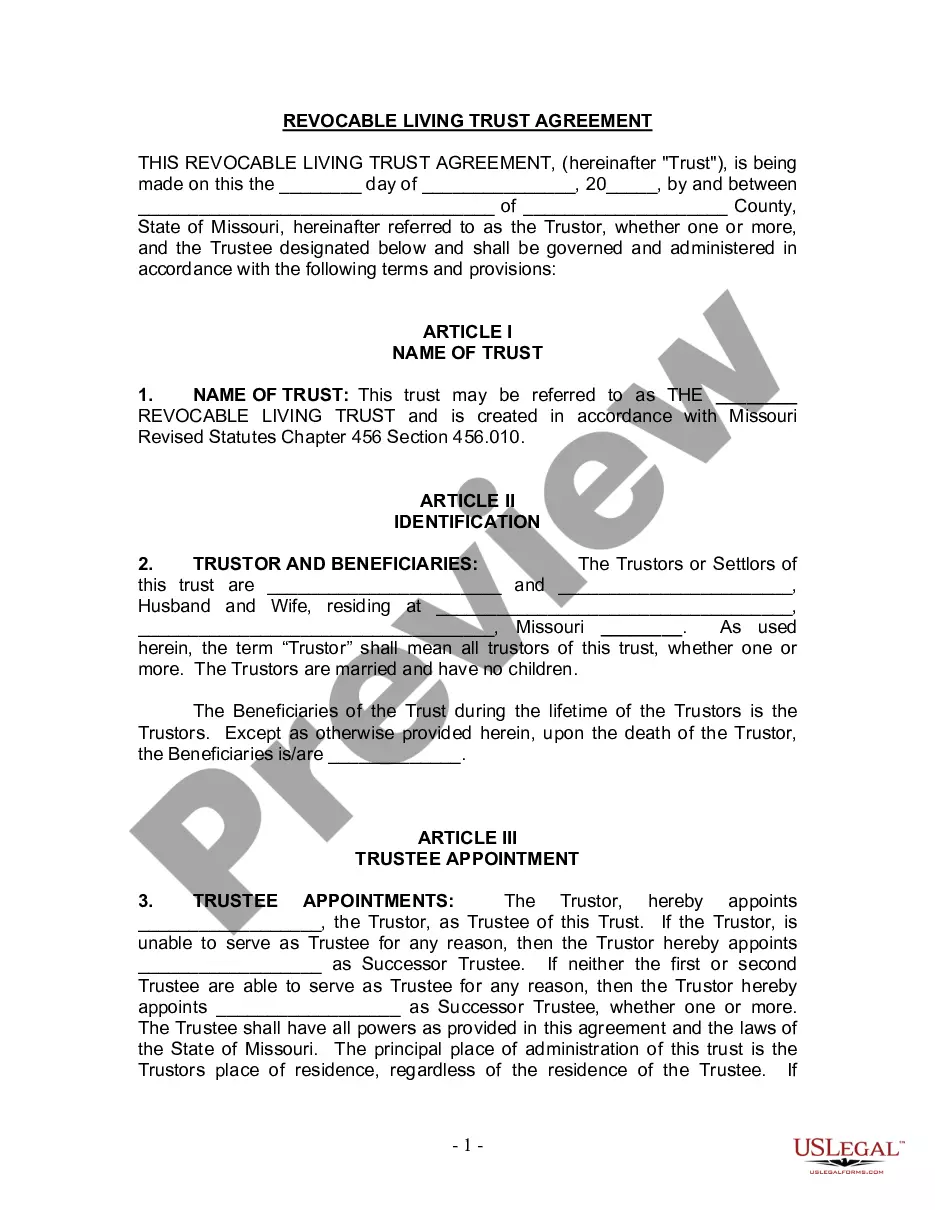
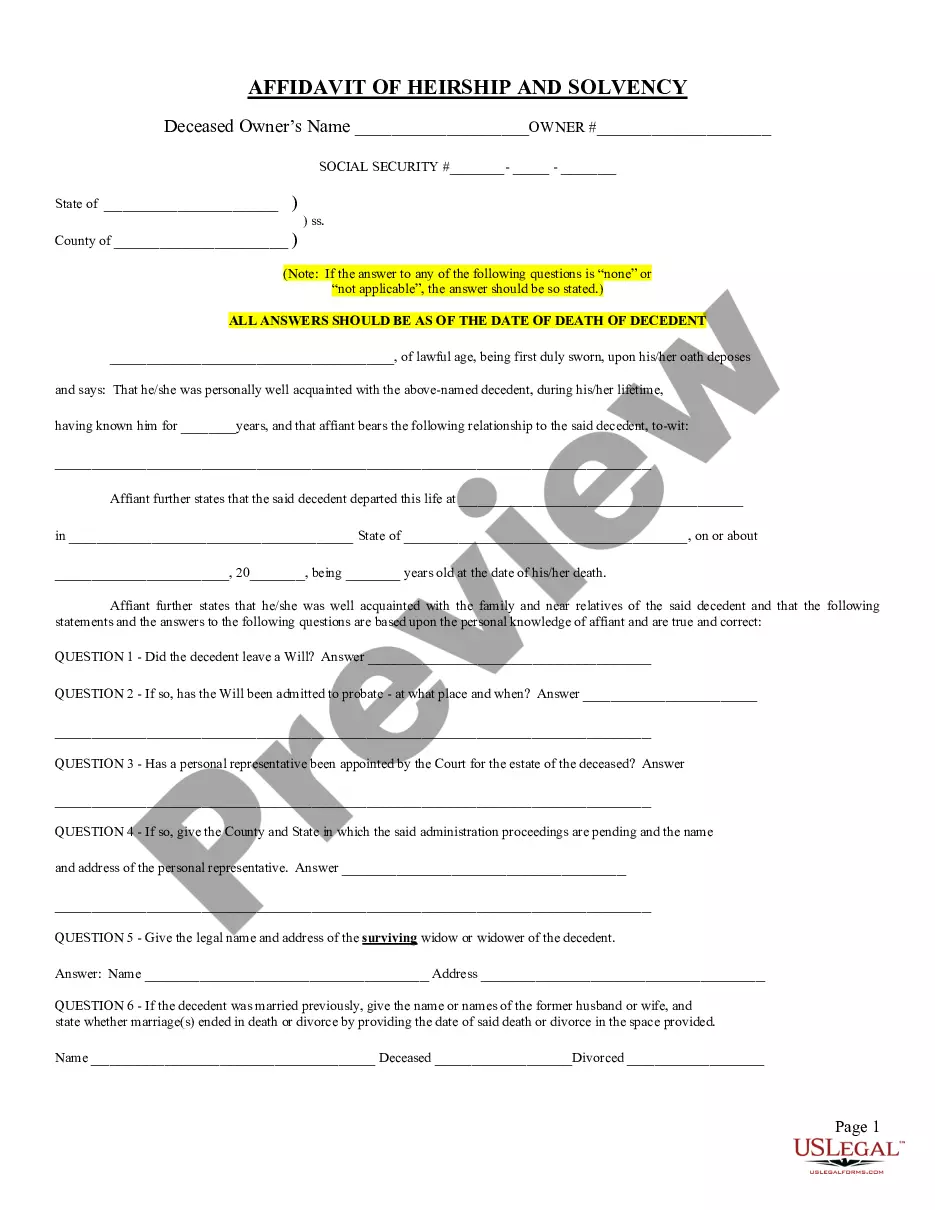
Form popularity
FAQ
As a Florida homeowner, you have rights and options if you believe your insurance company has wrongfully denied or underpaid your claim. You can sue your own homeowners insurance company in Florida if they fail to honor the terms of your policy.
State your concerns to the company's representative. Provide the information they request (e.g., write a formal letter of complaint, file any specific forms, provide supporting documentation, etc.). Keep detailed records of all your communications with the insurance company.
Your right to appeal You may ask your insurance company to conduct a full and fair review of its decision. If the case is urgent, your insurance company must speed up this process. External review: You have the right to take your appeal to an independent third party for review. This is called an external review.
Initial Steps to Take When Filing an Insurance Claim Notify Your Insurance Company. Record the Damage Without Delay. Submit a Detailed Proof of Loss. Protect the Property from Further Damage. Maintain a Claim Diary. Get Estimates for the Damage on Your Own. Consider Consulting an Insurance Claim Attorney.
The Florida Office of Insurance Regulation (OIR) is responsible for all activities concerning insurers and other risk bearing entities, including licensing, rates, policy forms, market conduct, claims, issuance of certificates of authority, solvency, viatical settlements, premium financing, and administrative ...
The Florida Office of Insurance Regulation (OIR) licenses and regulates insurance companies operating in Florida to promote a stable and competitive insurance market while maintaining protections for consumers.
If you're not satisfied with your insurer's reply you can make a formal complaint using your insurer's official complaints process. To find out how the complaints process works, look at your policy documents or on your insurer's website.
Things to Include in Your Appeal Letter Patient name, policy number, and policy holder name. Accurate contact information for patient and policy holder. Date of denial letter, specifics on what was denied, and cited reason for denial. Doctor or medical provider's name and contact information.
Be persistent Your appeal should include an explanation of your reconsideration request, along with any necessary supporting documentation, such as a copy of the claim in question and copies of earlier communication to the company about the matter.
If your claim has been denied or your benefits were terminated, and you do not agree with the decision, you have three options: Appeal the decision. File a lawsuit. Negotiate a Settlement.
