Dispute Claim Form Without Attorney In Bronx
Description
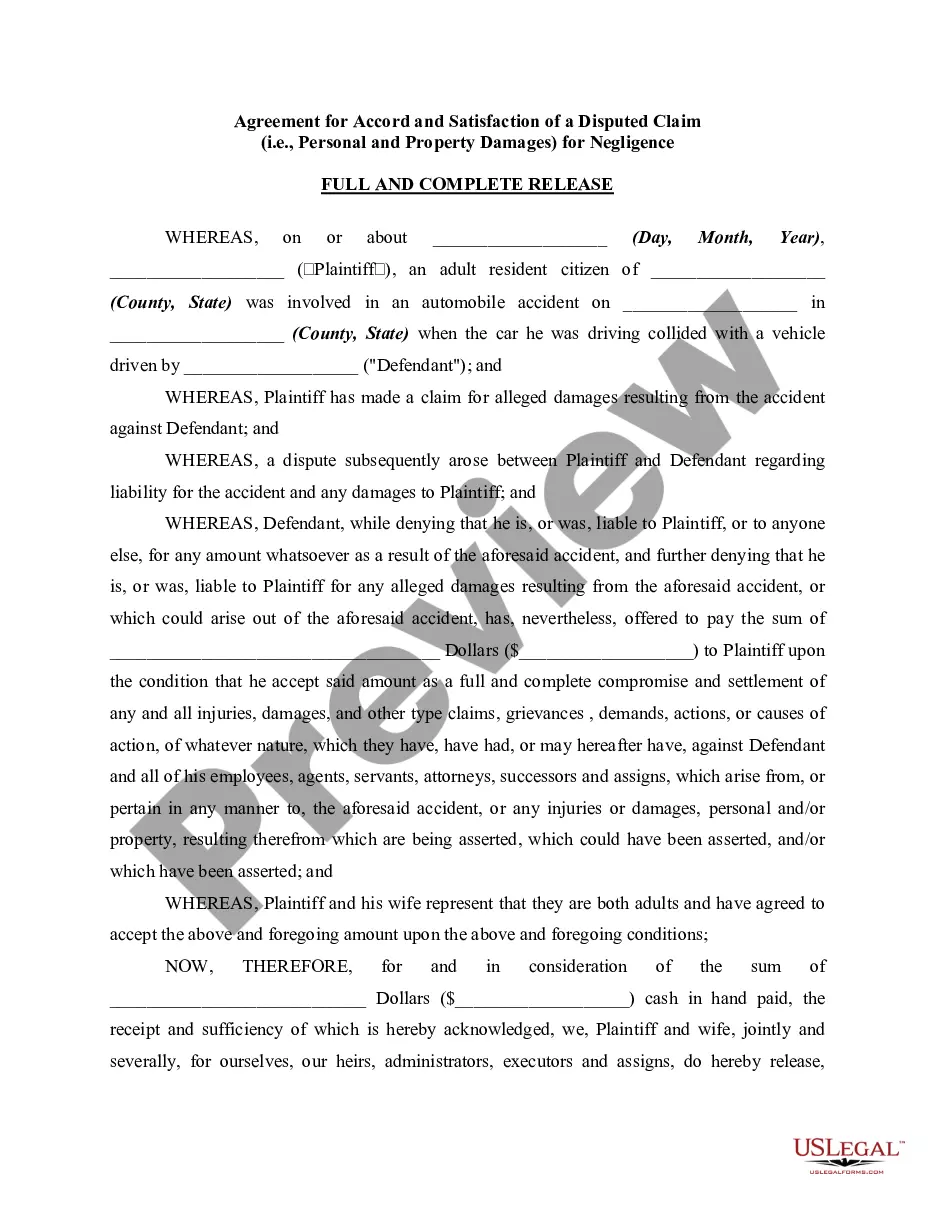
Get your form ready online
Our built-in tools help you complete, sign, share, and store your documents in one place.
Make edits, fill in missing information, and update formatting in US Legal Forms—just like you would in MS Word.
Download a copy, print it, send it by email, or mail it via USPS—whatever works best for your next step.
Sign and collect signatures with our SignNow integration. Send to multiple recipients, set reminders, and more. Go Premium to unlock E-Sign.
If this form requires notarization, complete it online through a secure video call—no need to meet a notary in person or wait for an appointment.
We protect your documents and personal data by following strict security and privacy standards.

Make edits, fill in missing information, and update formatting in US Legal Forms—just like you would in MS Word.

Download a copy, print it, send it by email, or mail it via USPS—whatever works best for your next step.

Sign and collect signatures with our SignNow integration. Send to multiple recipients, set reminders, and more. Go Premium to unlock E-Sign.

If this form requires notarization, complete it online through a secure video call—no need to meet a notary in person or wait for an appointment.

We protect your documents and personal data by following strict security and privacy standards.
Looking for another form?









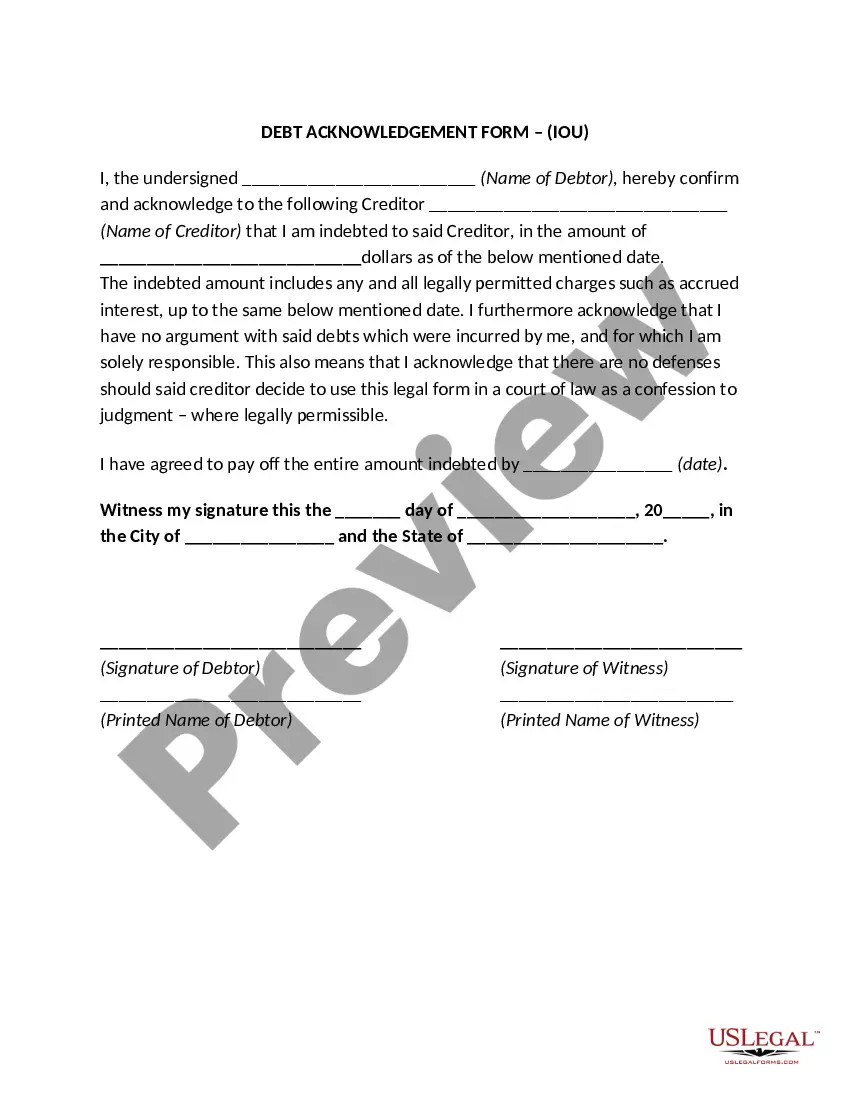
Form popularity
FAQ
The Small Claims Court has monetary jurisdiction up to $10,000.00. Claims for more than $10,000.00 may not be brought in Small Claims Court. They must be started in the Civil Part of the court or in a different court.
To begin an action in Small Claims Court, a person, or someone acting on his or her behalf, must come to the Small Claims Court Clerk's office in the proper county and fill out a statement of claim. To find out where the clerk's office is located in your county, click on Locations.
Small Claims Court helps individuals or corporations resolve disputes when the amount of the claim is $10,000 or less. All defendants must have an address in New York City. Get Small Claims Court information, including locations and hours of operation. Learn about case types handled by Small Claims Court.
Defendant Does Not Appear If the clerk calls your case on the calendar and the defendant does not answer and appear, the court will direct an inquest. This means the judge or arbitrator will hear your case even though the defendant is not present.
Generally speaking, the shortest statute of limitations in New York State is one year. A transaction or incident that occurred more than one year ago might raise a statute of limitations problem. If you have any doubts, you should speak with an attorney to get legal advice or file your claim as quickly as possible.
An appeal must be filed within 30 days from the service of the Judgment or Order appealed from. If a copy of the judgment or order is not served, there are no time limitations on the filing of the appeal. An appeal does not stay (stop) the execution of a judgment.
The order, together with the notice of settlement, must be served and presented to the court within sixty (60) days of the justice's decision. The party settling the order must also submit an original affidavit of service showing the proposed order and notice of settlement were served on all other parties to the case.
The court system does not provide electronic filing for Small Claims matters at this time.
While the CPLR does not state a specific deadline for service of notice of entry, the court may order one. See Court Opinions. In any event, it should be done promptly, to prevent unnecessary delays in the litigation.
The General Municipal Law requires that a Notice of Claim be served within 90 days after the claim arises. Section 50-e2 The claim will normally arise on the date of the accident (e.g., slip and fall) or the event (e.g., assault) that has given rise to the claim.
