Denied Claim Agreement With Insurance In Bexar
Description
Get your form ready online
Our built-in tools help you complete, sign, share, and store your documents in one place.
Make edits, fill in missing information, and update formatting in US Legal Forms—just like you would in MS Word.
Download a copy, print it, send it by email, or mail it via USPS—whatever works best for your next step.
Sign and collect signatures with our SignNow integration. Send to multiple recipients, set reminders, and more. Go Premium to unlock E-Sign.
If this form requires notarization, complete it online through a secure video call—no need to meet a notary in person or wait for an appointment.
We protect your documents and personal data by following strict security and privacy standards.

Make edits, fill in missing information, and update formatting in US Legal Forms—just like you would in MS Word.

Download a copy, print it, send it by email, or mail it via USPS—whatever works best for your next step.

Sign and collect signatures with our SignNow integration. Send to multiple recipients, set reminders, and more. Go Premium to unlock E-Sign.

If this form requires notarization, complete it online through a secure video call—no need to meet a notary in person or wait for an appointment.

We protect your documents and personal data by following strict security and privacy standards.
Looking for another form?
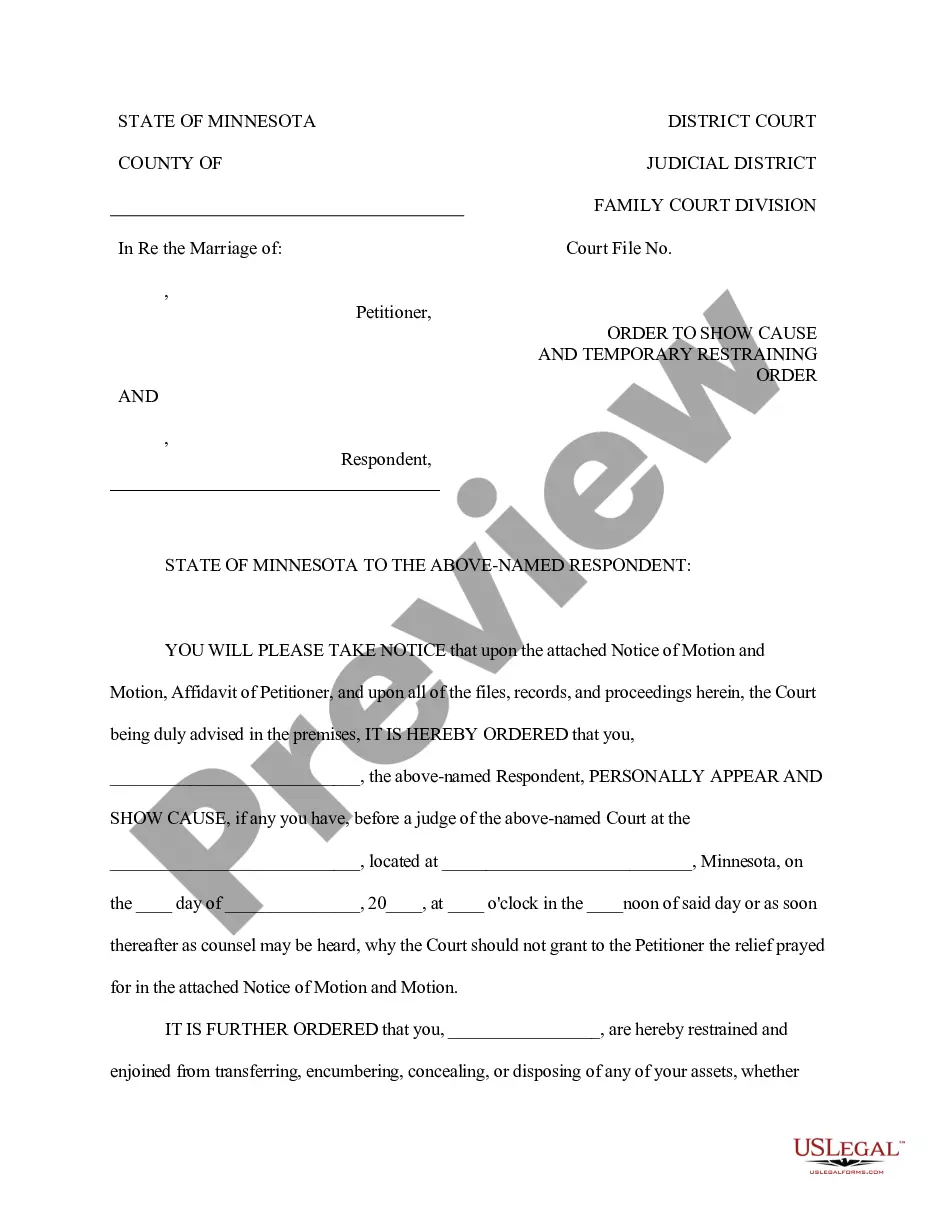

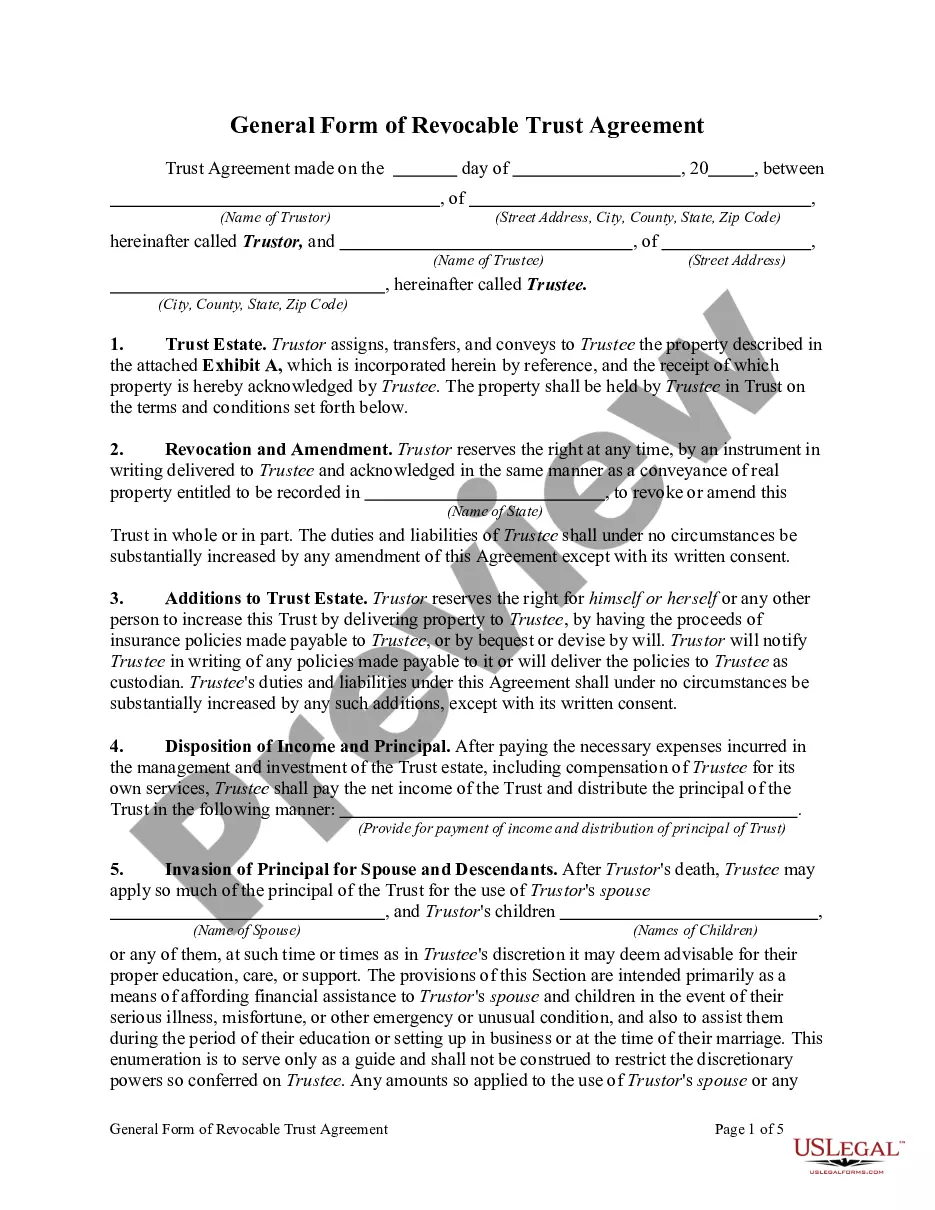
Form popularity
FAQ
If you're not satisfied with the outcome of your dispute, you may have the option to sue the insurance company in a court of law. You can also ask for alternative dispute resolution, which uses mediation with a neutral third party to settle disputes outside court.
Your claim could be denied because your policy is lapsed, you don't have enough coverage or for some other reason. If your claim is denied, you can appeal the decision—a lawyer can help but is optional.
During the second 15-day period of the 35 days of the claims process, your insurer must approve or deny your claim and inform you of its decision.
If your car insurance claim was denied, there are several steps you can take to contest the decision: Review the Denial Letter. Review Your Policy. Collect Evidence. Contact Your Insurance Company. Submit a Written Appeal. Contact the Texas Department of Insurance. Consult an Attorney:
There are 2 ways to appeal a health plan decision: Internal appeal: If your claim is denied or your health insurance coverage canceled, you have the right to an internal appeal. External review: You have the right to take your appeal to an independent third party for review.
Unfortunately, you cannot typically sue the liability insurance company directly in Texas. Texas is not a “direct action” state when it comes to trying to settle or enforce your claim against a liability insurer.
If you want to file a complaint so TDI can look into your issue, this is how it works: Call our Help Line at 800-252-3439 to talk about your issue.
How to Appeal a Denied Claim Step 1: Review Your Plan. Check your health plan documents or contact your health plan or employer for details on your plan's appeal process. Step 2: Submit Your Appeal. Step 3: Keep Copies. Step 4: Requesting an Independent Review.
Nationwide, high-volume insurers with higher in-network denial rates across HealthCare states included Blue Cross Blue Shield of Alabama (35% for its 12 plans in that state), UnitedHealth Group (33% across 274 plans in 20 states), Health Care Service Corporation (29% across 915 plans in four states), Molina ...
Which insurance companies are considered the worst? Allstate. Allstate has provided insurance to Americans since 1931. Progressive. Progressive was launched in 1937. UnitedHealth. Richard T. State Farm. State Farm has been in business since 1922. Elevance Health (formerly Anthem) ... Unum. Federal Employee Benefits. Farmers.

