Domicile For Llc In Texas
Description
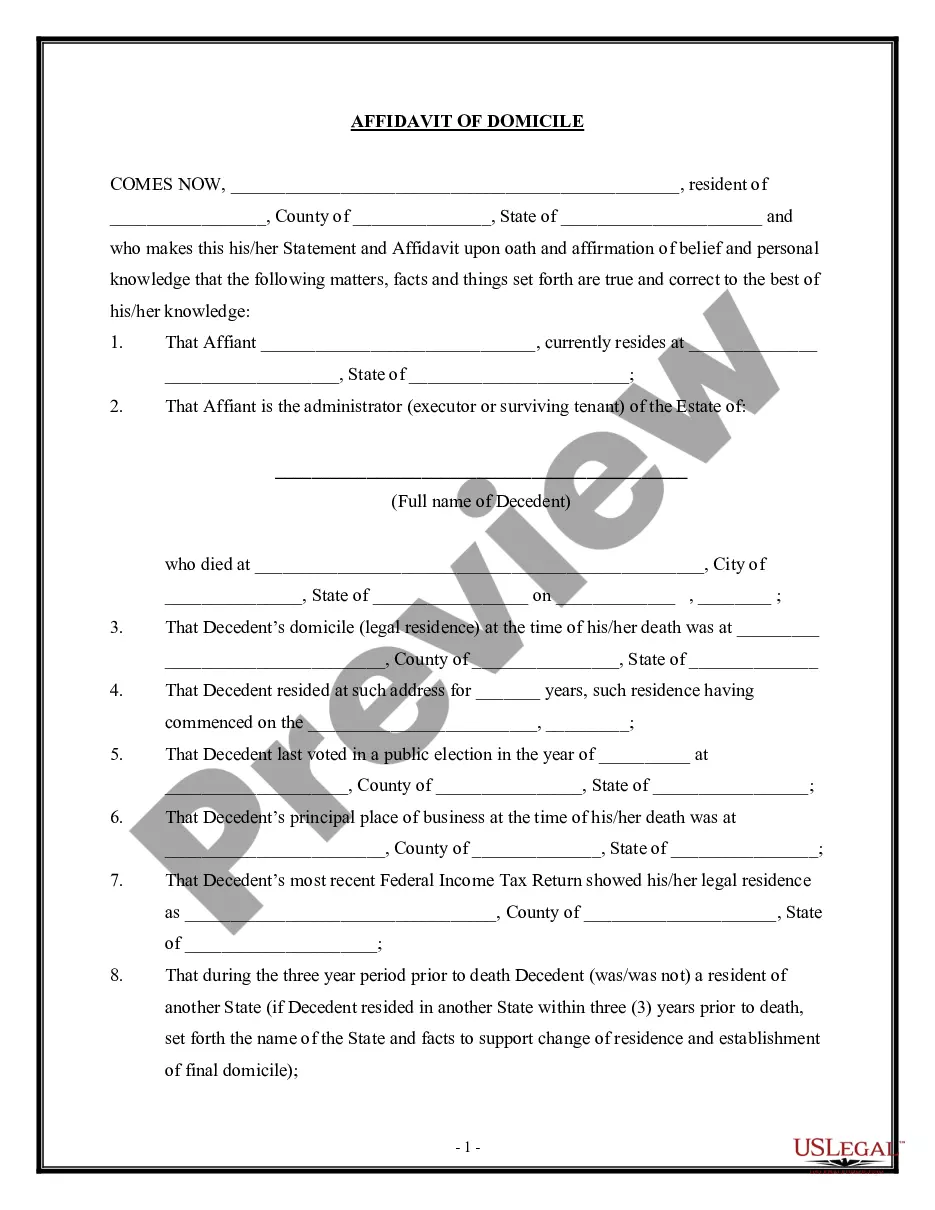
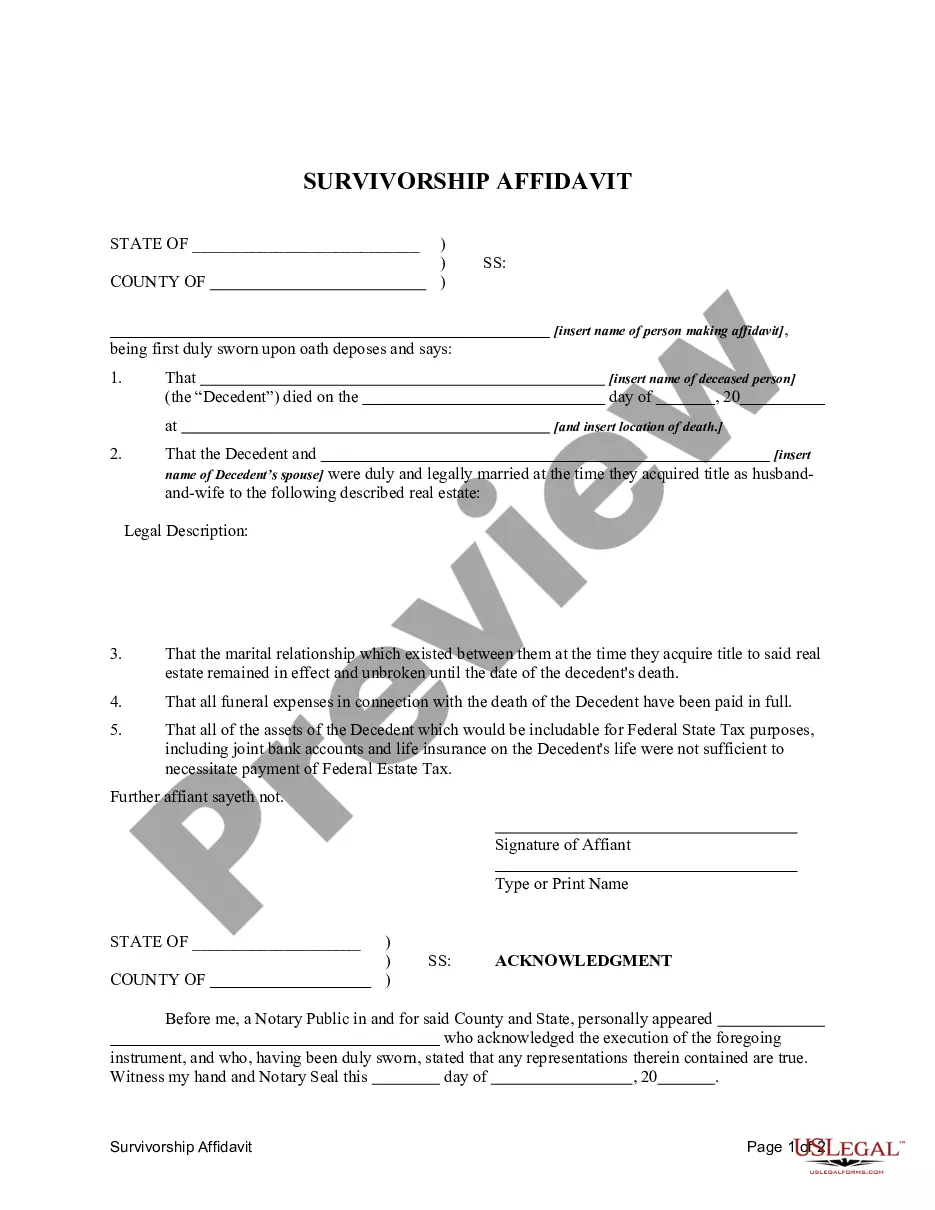
Get your form ready online
Our built-in tools help you complete, sign, share, and store your documents in one place.
Make edits, fill in missing information, and update formatting in US Legal Forms—just like you would in MS Word.
Download a copy, print it, send it by email, or mail it via USPS—whatever works best for your next step.
Sign and collect signatures with our SignNow integration. Send to multiple recipients, set reminders, and more. Go Premium to unlock E-Sign.
If this form requires notarization, complete it online through a secure video call—no need to meet a notary in person or wait for an appointment.
We protect your documents and personal data by following strict security and privacy standards.

Make edits, fill in missing information, and update formatting in US Legal Forms—just like you would in MS Word.

Download a copy, print it, send it by email, or mail it via USPS—whatever works best for your next step.

Sign and collect signatures with our SignNow integration. Send to multiple recipients, set reminders, and more. Go Premium to unlock E-Sign.

If this form requires notarization, complete it online through a secure video call—no need to meet a notary in person or wait for an appointment.

We protect your documents and personal data by following strict security and privacy standards.
Looking for another form?










Form popularity
FAQ
An entity's registered office must be a physical address in Texas where the registered agent can be personally served with process during business hours. It cannot solely be the address of a mailbox service or telephone answering service. The secretary of state cannot serve as an entity's registered agent.
The Basics of Maintaining Your LLC Franchise Tax Report: Required filing in Texas to keep your LLC in good standing. Certificate of Formation: Updating of your LLC information in Texas. Operating Agreement: Legal document outlining the internal rules and procedures of a Limited Liability Company.
Any business entity, including sole proprietorships, corporations, S Corps, and Limited Liability Companies (LLCs), can use a virtual business address. In Texas, a virtual address can be used for the following purposes: Completing formation paperwork such as Articles of Organization and Articles of Incorporation.
Using a Virtual Office address for your online store can help protect your privacy and your business's security. Through mail forwarding, your mail can easily be sent to a secondary address that isn't your home, like a specified business PO box.
You only need one address to form a Texas entity: the street address of your Texas registered agent. When you register your company, this address gets listed as your place of business in the state's permanent records. Simply put, your Texas registered agent's address is your official Texas business address.
The 5 Best Virtual Address Services for Your Small Business Bizee. If you're operating a small business with simple needs, our Virtual Mailbox service at Bizee is an affordable option that offers the best virtual address services. Anytime Mailbox. Planet Express. PostScanMail. iPostal1.
Virtual Gateway IP Address: The WLC has a virtual interface that it uses for mobility management. This includes DHCP relay, guest web authentication, VPN termination, and some other features. The WLC only uses this IP address in communication between the WLC and wireless clients.
Yes, non-U.S. residents can create a limited liability company (LLC) in the United States. They do not need U.S. citizenship or a green card to start a U.S. LLC. Foreign business owners can register to open a U.S. company whether they are physically present or not.
Yes. Non-U.S. corporations, LLCs, LPs and financial institutions must register with the secretary of state before transacting business in Texas. Such entities are subject to state franchise tax and federal income tax on certain income. For more information about federal taxes, visit .IRS or call (800) 829-3676.

