Car Bill Of Sale Without Title In Florida
Description
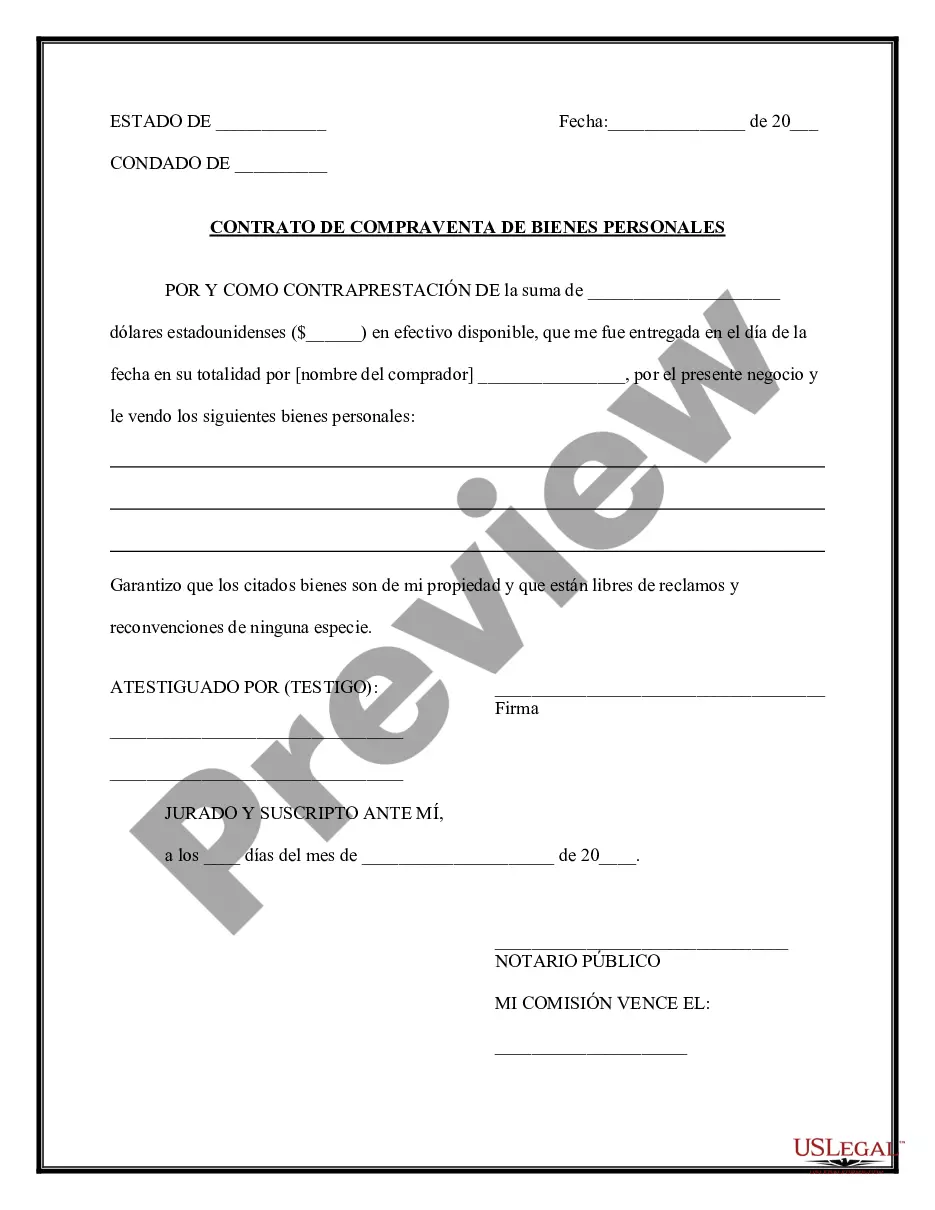

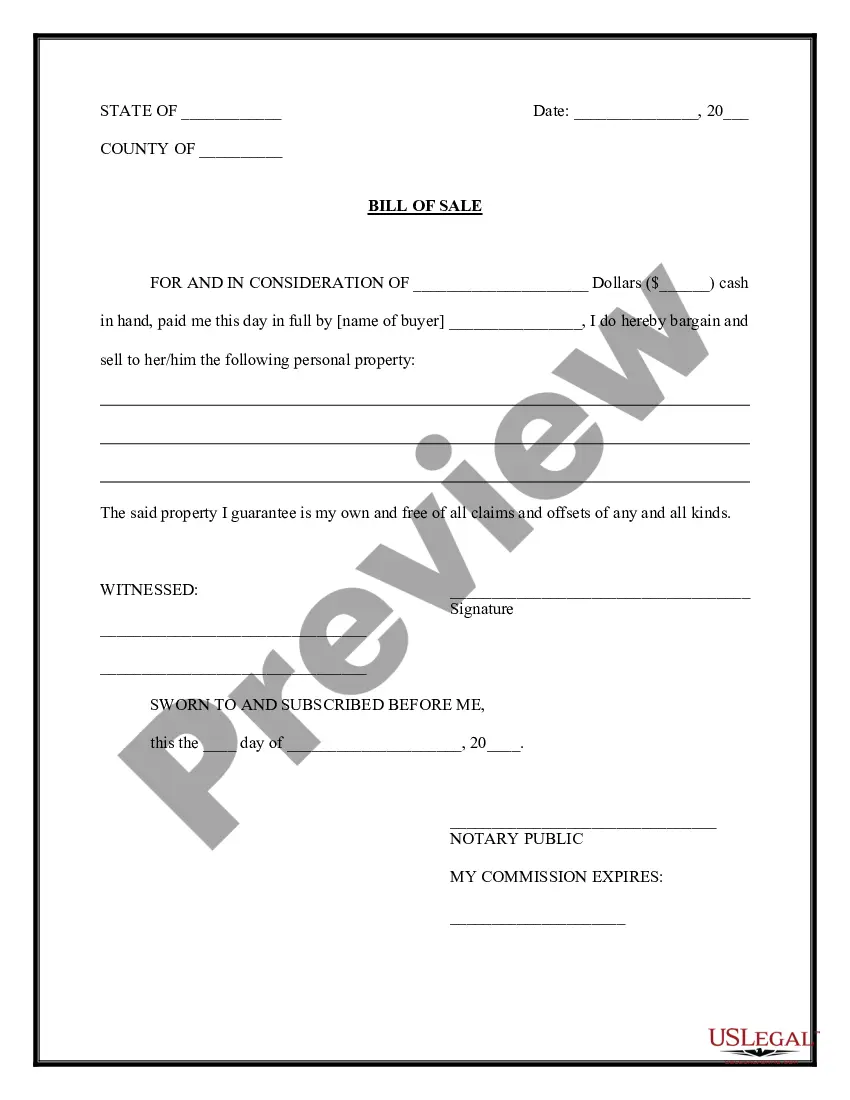
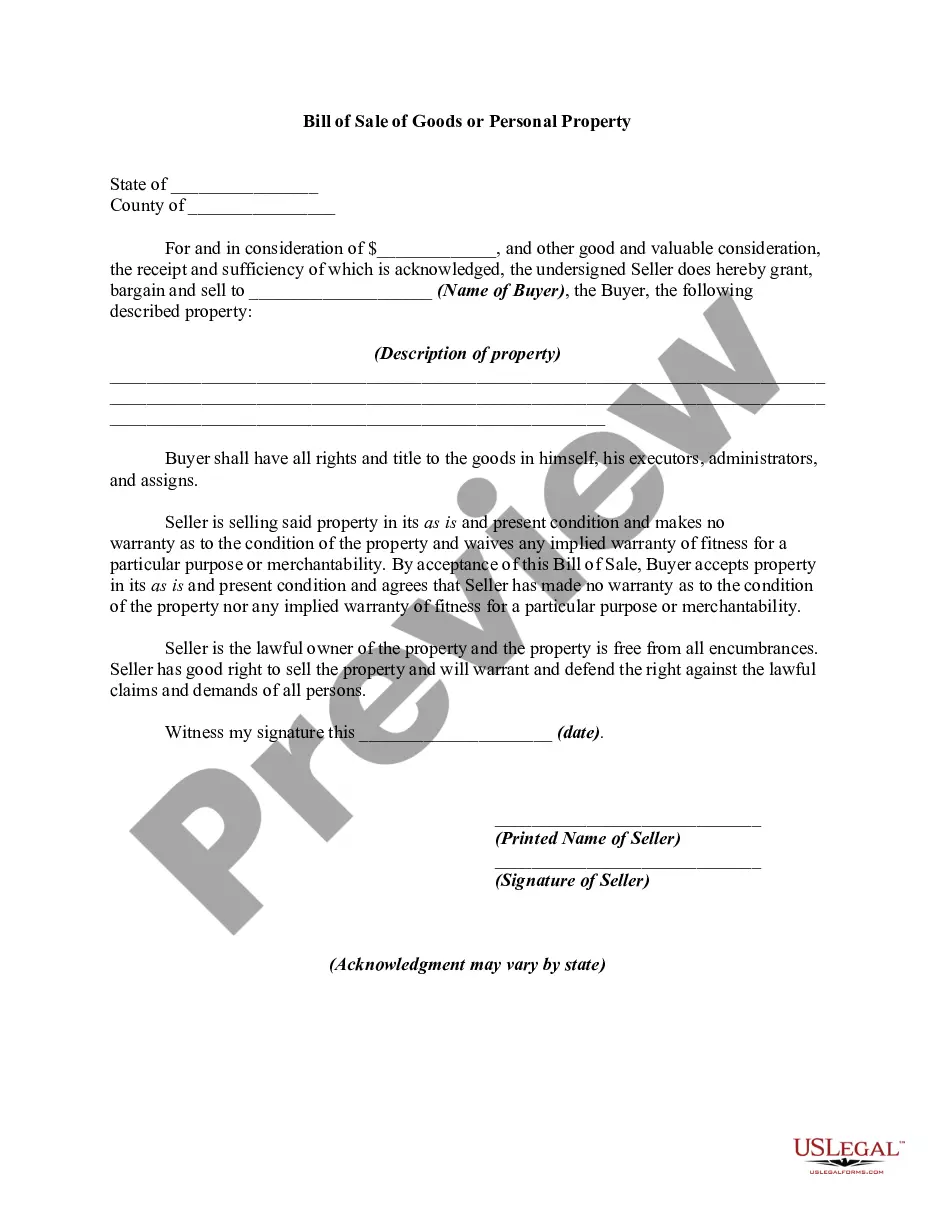
Get your form ready online
Our built-in tools help you complete, sign, share, and store your documents in one place.
Make edits, fill in missing information, and update formatting in US Legal Forms—just like you would in MS Word.
Download a copy, print it, send it by email, or mail it via USPS—whatever works best for your next step.
Sign and collect signatures with our SignNow integration. Send to multiple recipients, set reminders, and more. Go Premium to unlock E-Sign.
If this form requires notarization, complete it online through a secure video call—no need to meet a notary in person or wait for an appointment.
We protect your documents and personal data by following strict security and privacy standards.

Make edits, fill in missing information, and update formatting in US Legal Forms—just like you would in MS Word.

Download a copy, print it, send it by email, or mail it via USPS—whatever works best for your next step.

Sign and collect signatures with our SignNow integration. Send to multiple recipients, set reminders, and more. Go Premium to unlock E-Sign.

If this form requires notarization, complete it online through a secure video call—no need to meet a notary in person or wait for an appointment.

We protect your documents and personal data by following strict security and privacy standards.
Looking for another form?
Form popularity
FAQ
A: Yes. Florida law requires private sellers to file a Bill of Sale form HSMV 82050. If the buyer does not file for the title and registration and the seller does not file a Bill of Sale, the seller can be held legally liable for actions with the vehicle, even if they no longer own the car.
A bill of sale is required to buy or sell a vehicle in Florida and is recommended for other major purchases as well. If you're buying or selling a business, a work of art, or a valuable antique, a bill of sale provides legal proof of ownership and an official record of the date of transfer.
One of the documents is the 'Bill of Sale,' also referred to as a 'Notice of Sale'. Although not legally needed in Florida since it doesn't actually replace the title transfer, it does provide extra protection both for the vehicle buyer and seller, and makes for an excellent personal record.
Here's how to get a car title: Go to your DMV with your bill of sale and any other required identification documentation. Buy a surety bond, which ensures your vehicle is clear of any problems, allowing you to be listed as the new owner. Secure a bonded title. Register your vehicle.
It did have a title, however Alabama doesn't require to have a title to register a vehicle, Florida does require a title regardless of age.
If you have a bill of sale for your car, you can get a title for it. It just requires a bit of research and a few extra steps. Having the title can streamline your car ownership experience, proving legal ownership and serving as a vital form of record for your local DMV.
While it is common to present a bill of sale in a digital format, you can also create this type of contractual agreement as a handwritten document on paper. What's most important is to include all of the pertinent details in the bill of sale in order to protect both parties.
If you do not have the original title with you, you must bring the current state registration of your vehicle so we may use it to verify the VIN and issue you a temporary license plate. 4. If your vehicle is leased, a copy of your lease agreement is required.