Request For Proposal With Dialogue
Description

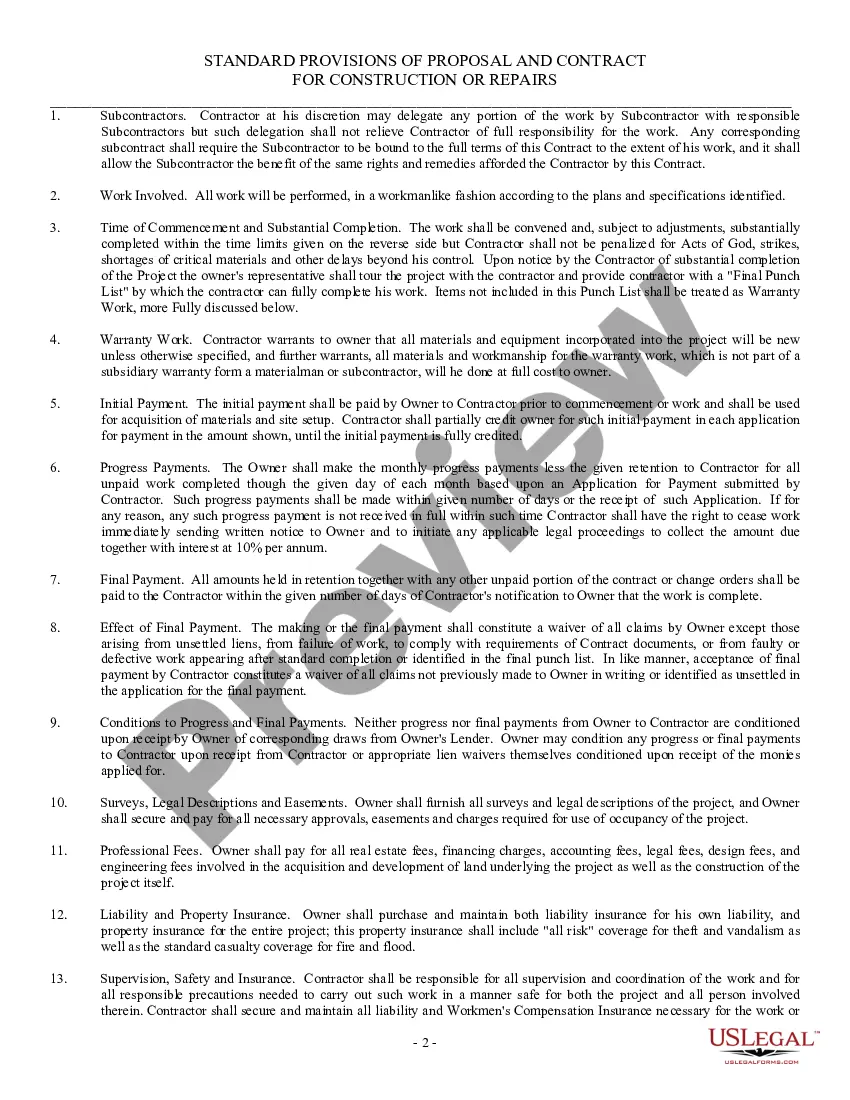
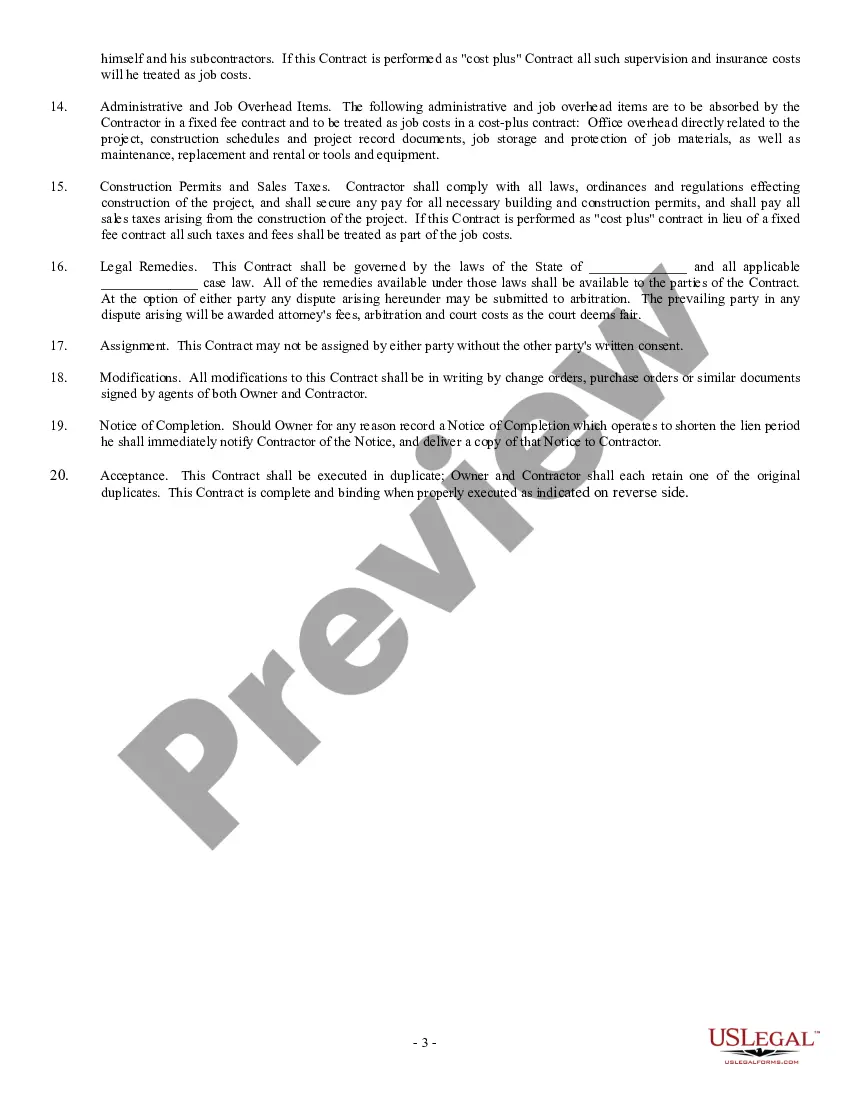

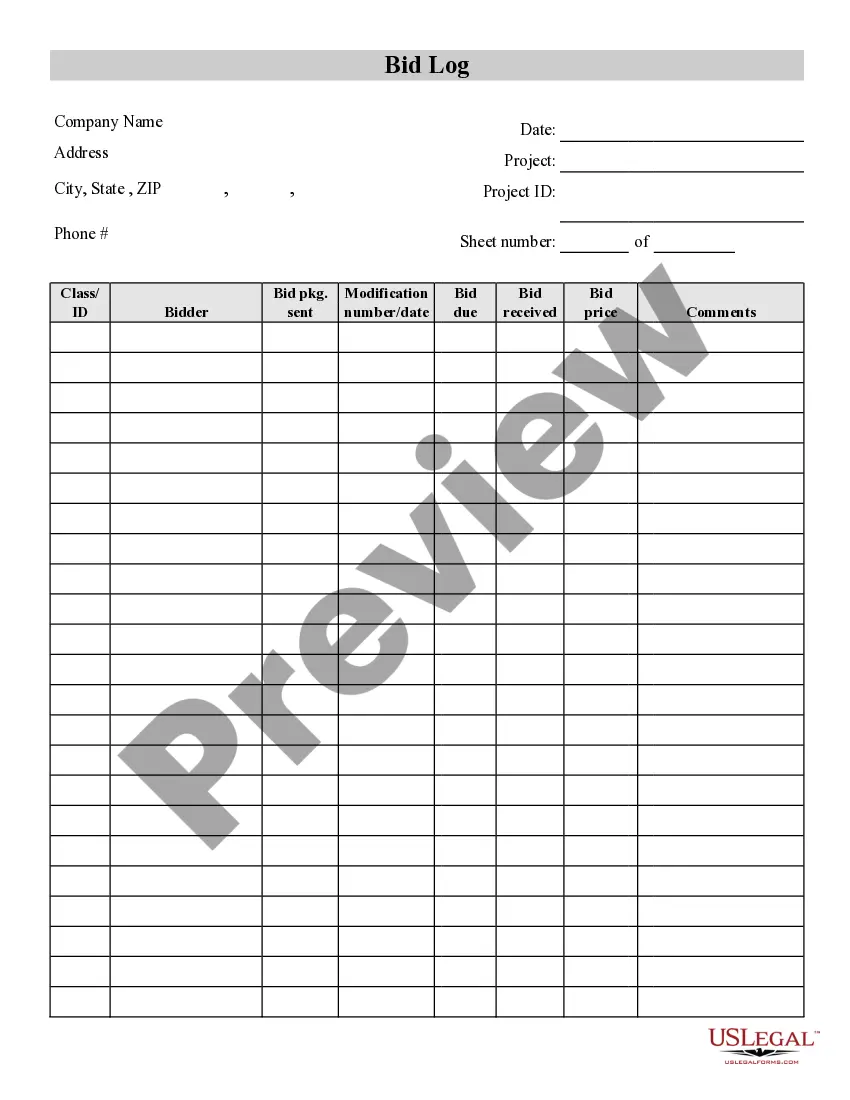
Get your form ready online
Our built-in tools help you complete, sign, share, and store your documents in one place.
Make edits, fill in missing information, and update formatting in US Legal Forms—just like you would in MS Word.
Download a copy, print it, send it by email, or mail it via USPS—whatever works best for your next step.
Sign and collect signatures with our SignNow integration. Send to multiple recipients, set reminders, and more. Go Premium to unlock E-Sign.
If this form requires notarization, complete it online through a secure video call—no need to meet a notary in person or wait for an appointment.
We protect your documents and personal data by following strict security and privacy standards.

Make edits, fill in missing information, and update formatting in US Legal Forms—just like you would in MS Word.

Download a copy, print it, send it by email, or mail it via USPS—whatever works best for your next step.

Sign and collect signatures with our SignNow integration. Send to multiple recipients, set reminders, and more. Go Premium to unlock E-Sign.

If this form requires notarization, complete it online through a secure video call—no need to meet a notary in person or wait for an appointment.

We protect your documents and personal data by following strict security and privacy standards.
Looking for another form?



How to fill out Bid Proposal Form For Construction Of Building?
The Proposal Request With Dialogue displayed on this page is a versatile legal framework crafted by experienced attorneys in accordance with federal and state statutes.
For over 25 years, US Legal Forms has delivered individuals, businesses, and legal practitioners with more than 85,000 authenticated, state-specific documents for any commercial and personal occasion. It’s the fastest, simplest, and most dependable method to acquire the forms you require, as the service ensures bank-grade data protection and anti-virus safeguards.
Select the format you prefer for your Proposal Request With Dialogue (PDF, Word, RTF) and save the document on your device.
- Search for the document you require and review it.
- Select the file you looked for and preview it or read the form description to verify it meets your requirements. If it doesn’t, use the search feature to locate the suitable one. Hit Buy Now once you have identified the template you need.
- Register and Log In.
- Choose the pricing structure that fits your needs and create an account. Use PayPal or a credit card for a swift payment. If you already possess an account, Log In and verify your subscription to proceed.
- Obtain the editable template.
Form popularity
FAQ
The seven steps in an RFP process include identifying needs, drafting the RFP, releasing it to potential suppliers, evaluating proposals, negotiating contracts, and finally, selecting the supplier. It is essential to approach each step methodically to ensure clarity and alignment with project goals. Utilizing efficient RFP management tools, such as those available on the US Legal Forms platform, can enhance each phase of this process.
To request a proposal via email, start with a clear and concise subject line indicating your request. In the body, introduce yourself and your organization, then articulate the specifics of your project and what you are looking for in a proposal. Be sure to include a deadline for submission and invite the recipient to reach out with questions or for additional information. Crafting your email with tools from US Legal Forms can ensure you maintain professionalism and clarity throughout.
The time required to complete an RFP can vary widely, typically ranging from a few weeks to several months. This duration depends on the complexity of the project and the number of suppliers involved. It is essential to set a reasonable timeline that allows for thorough evaluation and feedback. An organized process, potentially supported by tools from US Legal Forms, can help streamline and speed up the RFP timeline.
When requesting an RFP, begin by contacting potential suppliers with a brief introduction of your organization and project needs. Clearly outline what you expect in the proposal, including submission deadlines and specific criteria. Encouraging open dialogue can also foster better responses from suppliers, enhancing the effectiveness of the request for proposal process. Utilizing resources like US Legal Forms can help format and present your request professionally.
To write a strong request for proposal, start by clearly defining your project objectives and requirements. Be specific about your expectations regarding deliverables and timelines. Including essential information, such as evaluation criteria, can assist suppliers in tailoring their responses. The US Legal Forms platform offers templates that can help streamline this process and cover all necessary components.
The average win rate for RFPs typically ranges between 10% to 30%, depending on the industry and competition. Factors influencing these rates include the quality of proposals, relationships with clients, and the alignment of offered solutions with client needs. Understanding the nuances of what makes a request for proposal stand out can significantly enhance your winning chances. Consider leveraging tools provided by US Legal Forms for creating compelling and competitive proposals.
To discover RFP opportunities, consider utilizing online platforms that specialize in connecting buyers with suppliers. Websites often list requests for proposals tailored to various industries. Additionally, subscribing to industry newsletters or joining professional organizations can keep you informed of new opportunities. Exploring the US Legal Forms platform can also assist in navigating potential RFPs efficiently.
The RFP, or request for proposal, is utilized for complex projects requiring innovative solutions, while the RFT, or request for tender, is focused on obtaining bids for predetermined specifications. This distinction impacts how vendors respond, as RFPs allow for broader thinking and solutions. If your project demands a detailed evaluation of services, you'll likely benefit more from an RFP compared to the structured nature of an RFT.
The primary difference between an RFP and an RFT lies in their purpose and detail. An RFP invites detailed proposals and may explore various solutions, while an RFT typically focuses on receiving bids for specified work or products. Therefore, the RFP encourages creativity, whereas the RFT is more structured. Choosing between the two depends on the depth and variety of responses you seek.
In procurement, RFT refers to the formal invitation that solicits suppliers to submit their proposals or bids. It outlines the project's specifics, including requirements and deadlines. An RFT helps ensure fairness and transparency in the bidding process. Crafting an effective request for proposal with dialogue often involves an RFT to gather multiple competitive offers.