Bid Requirements Example In Hennepin
Description


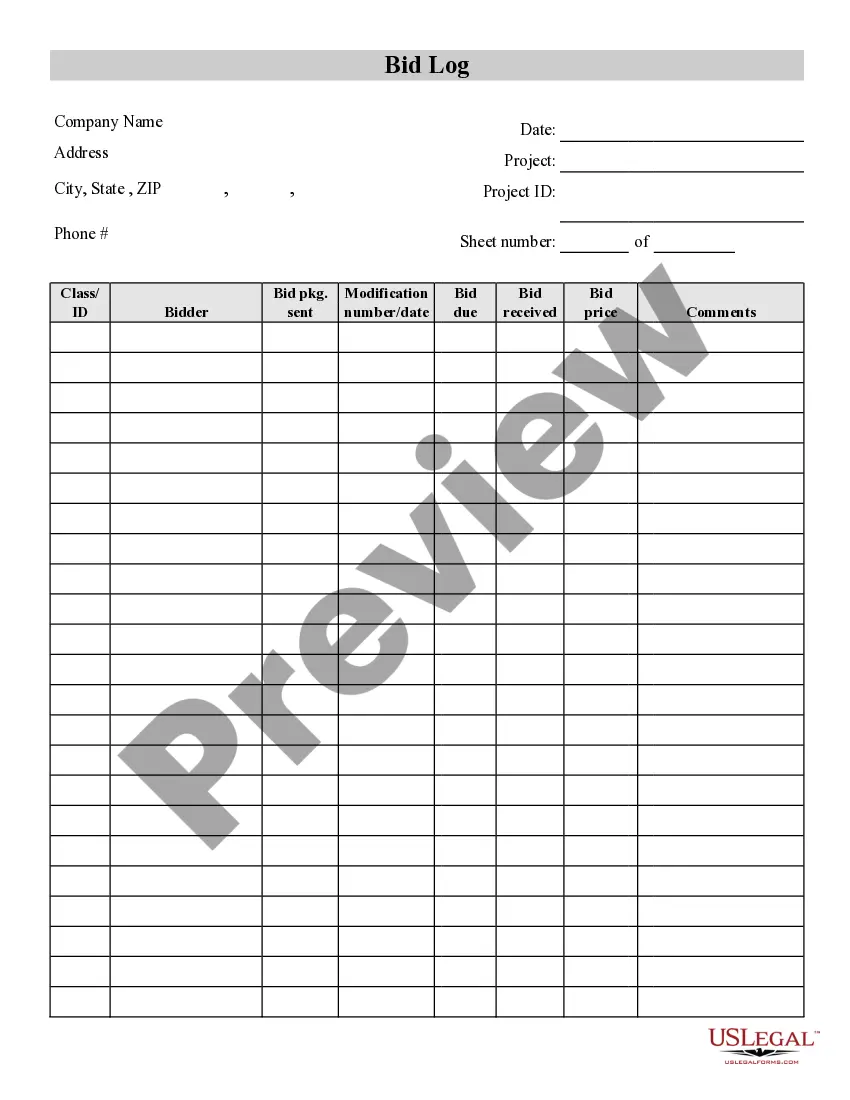
Get your form ready online
Our built-in tools help you complete, sign, share, and store your documents in one place.
Make edits, fill in missing information, and update formatting in US Legal Forms—just like you would in MS Word.
Download a copy, print it, send it by email, or mail it via USPS—whatever works best for your next step.
Sign and collect signatures with our SignNow integration. Send to multiple recipients, set reminders, and more. Go Premium to unlock E-Sign.
If this form requires notarization, complete it online through a secure video call—no need to meet a notary in person or wait for an appointment.
We protect your documents and personal data by following strict security and privacy standards.

Make edits, fill in missing information, and update formatting in US Legal Forms—just like you would in MS Word.

Download a copy, print it, send it by email, or mail it via USPS—whatever works best for your next step.

Sign and collect signatures with our SignNow integration. Send to multiple recipients, set reminders, and more. Go Premium to unlock E-Sign.

If this form requires notarization, complete it online through a secure video call—no need to meet a notary in person or wait for an appointment.

We protect your documents and personal data by following strict security and privacy standards.
Looking for another form?


Form popularity
FAQ
Bid writing example response (for the tender question above): With number years' experience working with you, we have the capacity and capability to provide efficient, best value services. 100% of our Operatives on this contract are based within time minutes' drive from your sites.
Your bid specification document should comprehensively detail the project's scope, including objectives, schedules, deliverables, and standards. It's essential to outline performance requirements, relevant industry standards, and acceptance criteria.
6 tips to help you write your bid weigh up the decision. understand the buying organisation. answer the question and provide relevant examples. use plain English and simple formatting. get someone to sense check. ask for feedback.
Bidding, in the context of procurements, refers to the process of submitting a proposal or an offer to provide goods, services, or works for a specific project or contract.
The Bid Lifecycle guides you step-by-step through the work-winning process. It is comprised of three interconnected phases – Capture, Proposal and Bid & Pursuit. Its purpose is to help you win more business.
Bid solicitation. Bid submission. Bid selection. Contract formation. Project delivery.
byStep Guide to the Bidding Process in Procurement Monitor tender opportunities. Review tender documents. Make a go/nogo decision. Gather essential information. Write your bid responses. Develop a clear and detailed proposal. Follow submission guidelines.
Step Bid means a series of limit bids at increasing prices.
Structure your document with the following sections: Purpose and Scope: Define the purpose of the bid and the scope of work or products being sought. Instructions to Bidders: Detailed submission guidelines and contact information. Technical Requirements: Breakdown of the technical aspects and performance criteria.