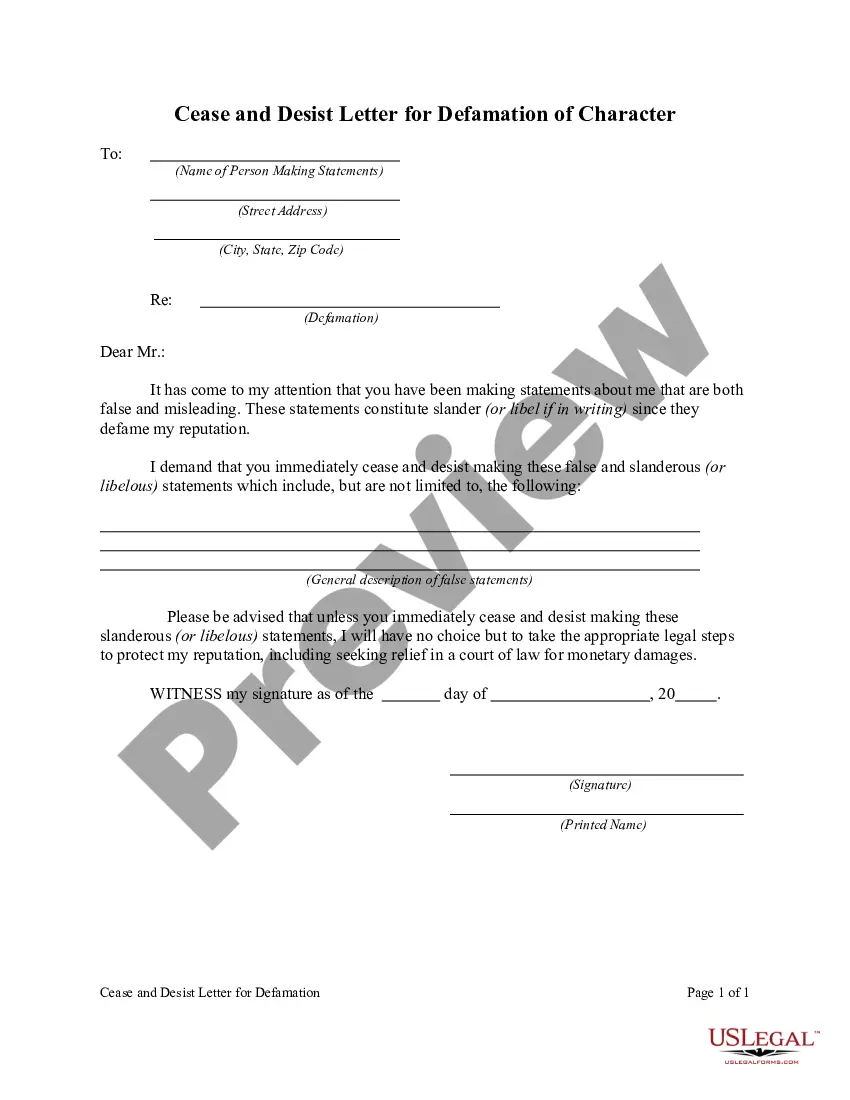
Slander And Defamation Of Character In The Workplace
Description
Get your form ready online
Our built-in tools help you complete, sign, share, and store your documents in one place.
Make edits, fill in missing information, and update formatting in US Legal Forms—just like you would in MS Word.
Download a copy, print it, send it by email, or mail it via USPS—whatever works best for your next step.
Sign and collect signatures with our SignNow integration. Send to multiple recipients, set reminders, and more. Go Premium to unlock E-Sign.
If this form requires notarization, complete it online through a secure video call—no need to meet a notary in person or wait for an appointment.
We protect your documents and personal data by following strict security and privacy standards.

Make edits, fill in missing information, and update formatting in US Legal Forms—just like you would in MS Word.

Download a copy, print it, send it by email, or mail it via USPS—whatever works best for your next step.

Sign and collect signatures with our SignNow integration. Send to multiple recipients, set reminders, and more. Go Premium to unlock E-Sign.

If this form requires notarization, complete it online through a secure video call—no need to meet a notary in person or wait for an appointment.

We protect your documents and personal data by following strict security and privacy standards.
Looking for another form?
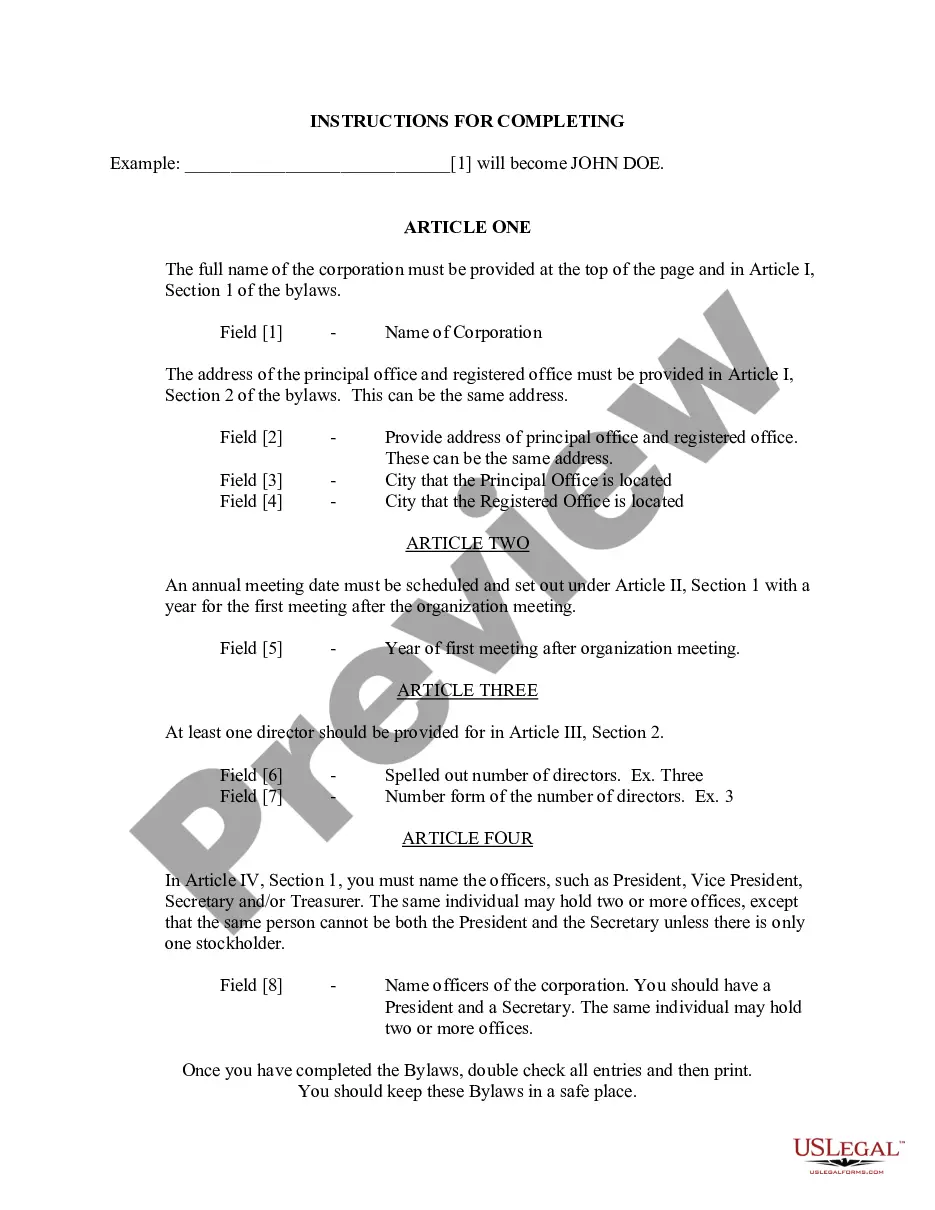
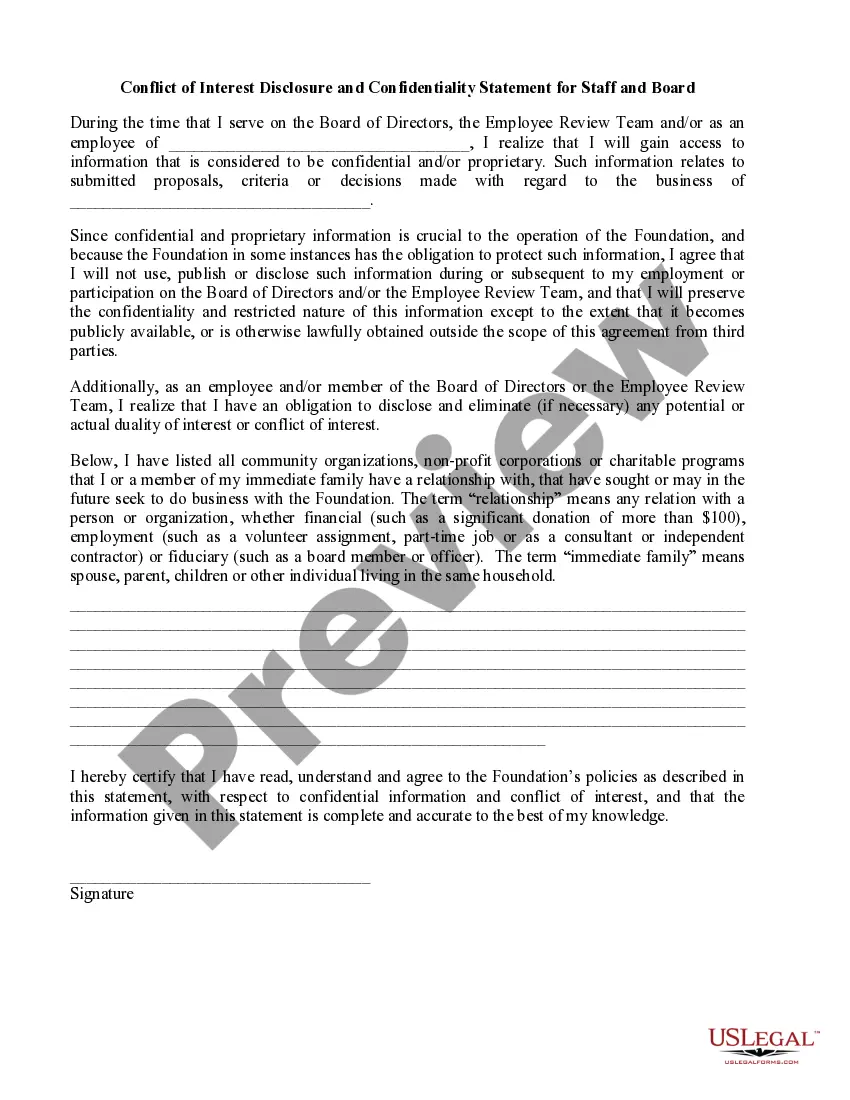
How to fill out Cease And Desist Letter For Libelous Or Slanderous Statements - Defamation Of Character?
Whether for corporate reasons or personal issues, everyone has to handle legal circumstances at some stage in their life.
Filling out legal documents requires careful focus, starting from choosing the correct form template.
With an extensive US Legal Forms catalog available, you don’t need to waste time searching for the correct template across the web. Utilize the library’s simple navigation to find the proper form for any scenario.
- Obtain the template you require by utilizing the search bar or catalog browsing.
- Review the form's description to ensure it corresponds with your situation, state, and area.
- Click on the form's preview to examine it.
- If it is the wrong form, return to the search function to find the Slander And Defamation Of Character In The Workplace template you need.
- Download the document when it suits your requirements.
- If you already possess a US Legal Forms account, simply click Log in to access previously saved documents in My documents.
- In case you don't have an account yet, you can acquire the form by clicking Buy now.
- Select the suitable pricing option.
- Fill out the profile registration form.
- Choose your payment method: you can utilize a credit card or PayPal account.
- Select the file format you desire and download the Slander And Defamation Of Character In The Workplace.
- Once saved, you can complete the form using editing software or print it and finish it manually.
Form popularity
FAQ
Yes, you can sue for defamation of character in the workplace if you experience slander or libel that damages your reputation. It’s important to gather evidence that illustrates how the false statements affected your professional life. Using platforms like US Legal Forms can help you find the appropriate legal forms and guidance to navigate this process effectively.
The New York State Debt Collection Procedures Law prohibits creditors (and their agents) from: communicating the nature of your debt to your employer before obtaining a judgment against you. threatening to take an action that it cannot or would not normally undertake.
We have been accredited since 2010 and in business since 2002. We specialize in debt settlement of unsecured debts. We have helped thousands of people in New York with accredited debt relief.
An individual voluntary arrangement (IVA) is a formal and legally binding agreement between you and your creditors to pay back your debts over a period of time.
When writing a debt settlement agreement letter, it is essential to be clear and concise. Make sure to include all the necessary information, such as the debt owed, the settlement amount, the terms of the agreement, and the date. Include the contact information of both parties in the letter.
Entering a debt agreement can affect your ability to obtain future credit. Your details may appear on a credit reporting agency's records for up to 5 years, or longer in some cases.
When drafting a debt settlement agreement, it is essential to include the following: Necessary information about the loan agreement. The contact information of both parties. The date of the agreement. The terms of the agreement. The amount of debt.
A loan agreement is: A borrower's written promise to repay a sum of money, or principal, to the lender. A document that outlines the terms of a loan, including a repayment plan, between a lender and a borrower.
?Offering 25%-50% of the total debt as a lump sum payment may be acceptable. The actual percentage may vary depending on the circumstances of the borrower as well as the prevailing practices of that particular collection agency.? One benefit of negotiating settlement terms is likely to reduce stress.