Libel For Public Figure In Salt Lake
Description

Get your form ready online
Our built-in tools help you complete, sign, share, and store your documents in one place.
Make edits, fill in missing information, and update formatting in US Legal Forms—just like you would in MS Word.
Download a copy, print it, send it by email, or mail it via USPS—whatever works best for your next step.
Sign and collect signatures with our SignNow integration. Send to multiple recipients, set reminders, and more. Go Premium to unlock E-Sign.
If this form requires notarization, complete it online through a secure video call—no need to meet a notary in person or wait for an appointment.
We protect your documents and personal data by following strict security and privacy standards.

Make edits, fill in missing information, and update formatting in US Legal Forms—just like you would in MS Word.

Download a copy, print it, send it by email, or mail it via USPS—whatever works best for your next step.

Sign and collect signatures with our SignNow integration. Send to multiple recipients, set reminders, and more. Go Premium to unlock E-Sign.

If this form requires notarization, complete it online through a secure video call—no need to meet a notary in person or wait for an appointment.

We protect your documents and personal data by following strict security and privacy standards.
Looking for another form?








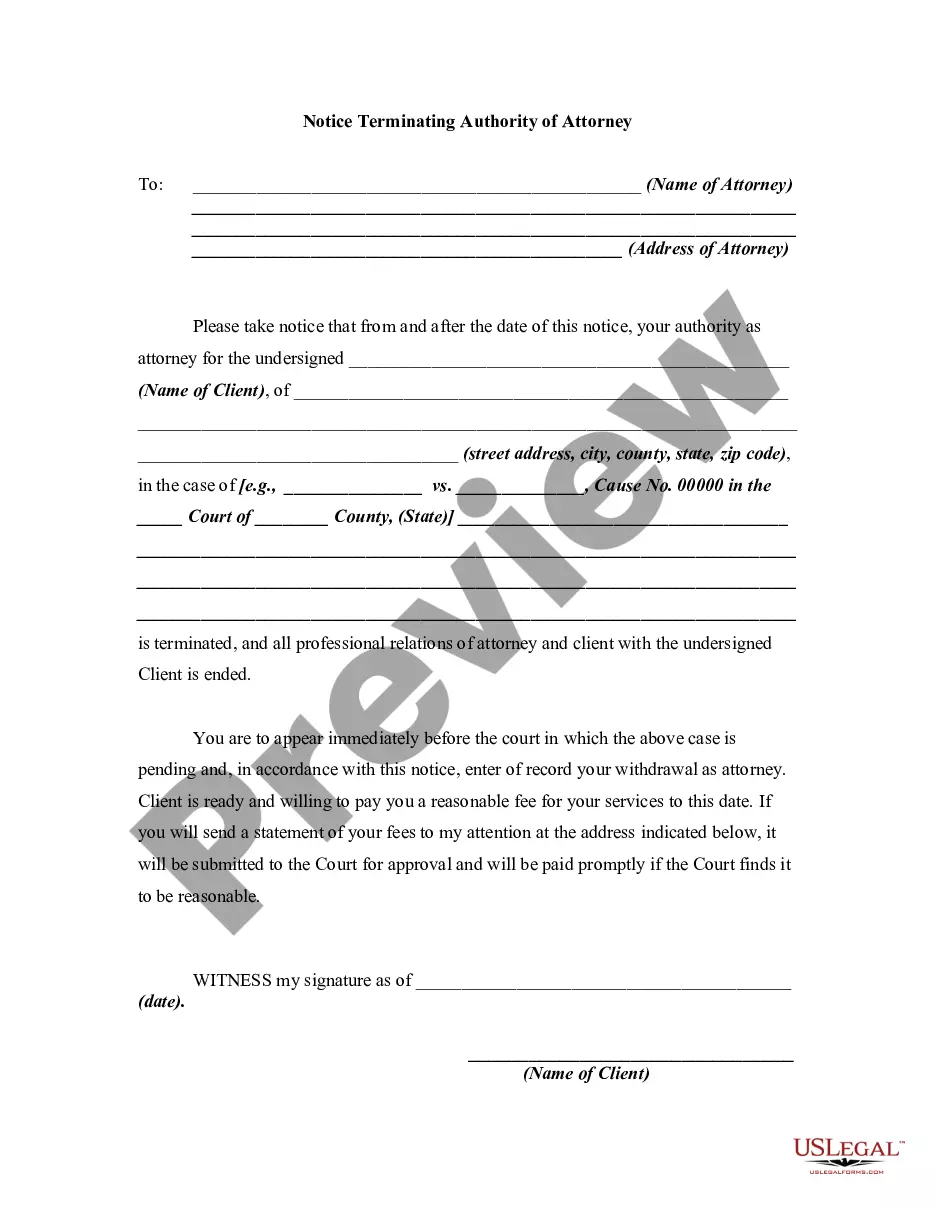
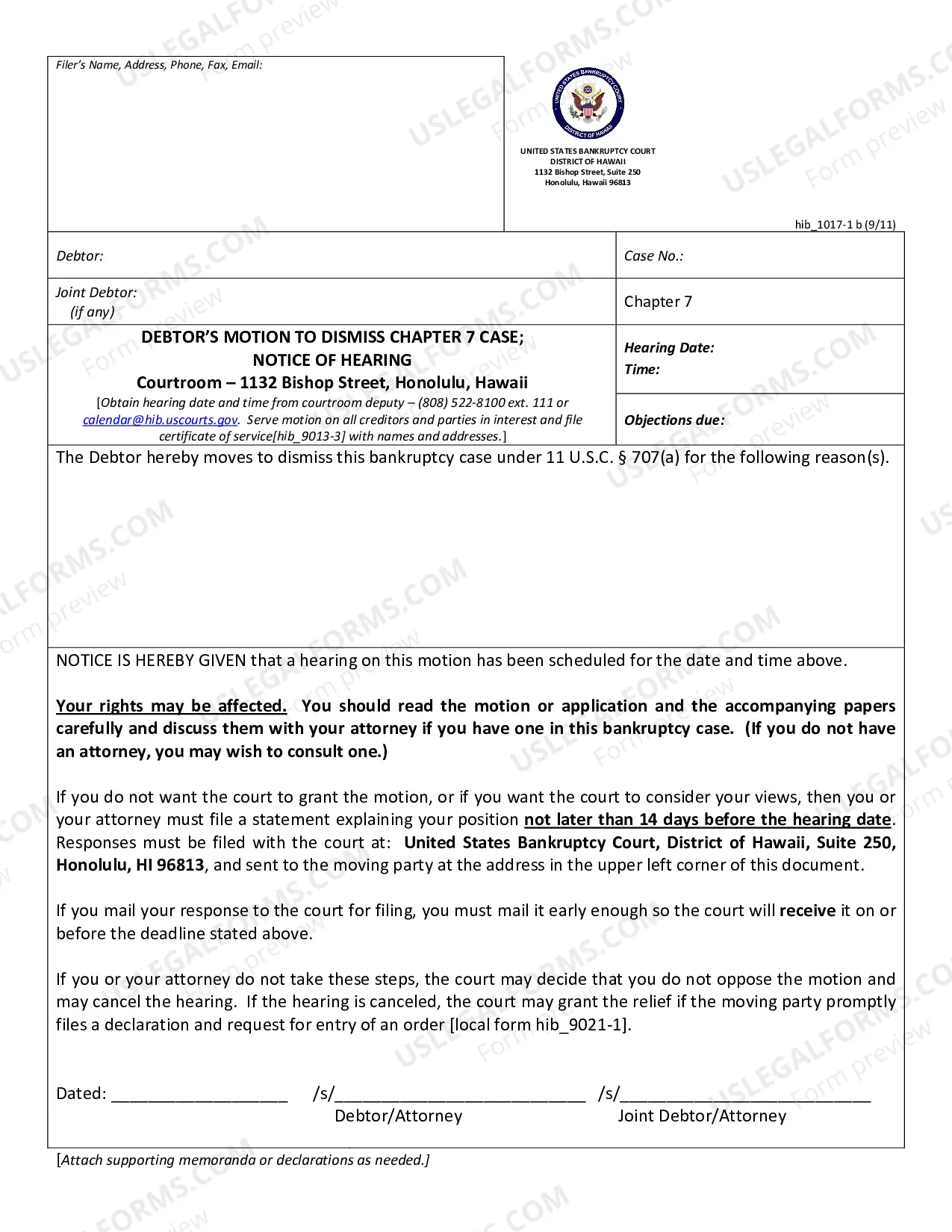
Form popularity
FAQ
Defamation Law in Utah Utah law requires that a plaintiff, the person claiming defamation, proves certain elements for a successful claim. These elements include the false statement being “published” to a third party, the statement causing harm, and the statement being made without adequate research into the truth.
To win a defamation case, the following elements must be proven: Falsity: The statement made must be false. Publication or Communication: The statement must have been made known to third parties. Malice: The statement must have been made with malice or ill intent.
In Utah, person claiming defamation must prove that: The information was false and unprivileged. In publishing the statements, the defendant acted with the “requisite degree of fault.” When applied to a private individual, this requires simple negligence, while a public figure must prove actual malice.
The Supreme Court has held that libel of a public official or public figure cannot be punished criminally unless the requirements of New York Tinies Co. v. Sullivan are met: the statements must be proven to be false and published with 'actual malice.
In general, pursuing a defamation lawsuit may be worthwhile if: The defamatory statement(s) are demonstrably false and have caused significant harm to your reputation or career. You have strong evidence to support your claim. The potential damages are substantial enough to justify the costs and risks of litigation.
Utah Code Section 76-9-404.
Definition: defamation from 28 USC § 4101(1) | LII / Legal Information Institute.
The tort of slander of title and the related tort of disparagement of property are based on an intentional interference with economic relations. They are not personal torts; unlike slander of the person, they do not protect a person's reputation.” Bass v. Planned Mgmt.
Utah Code Section 76-9-404.

