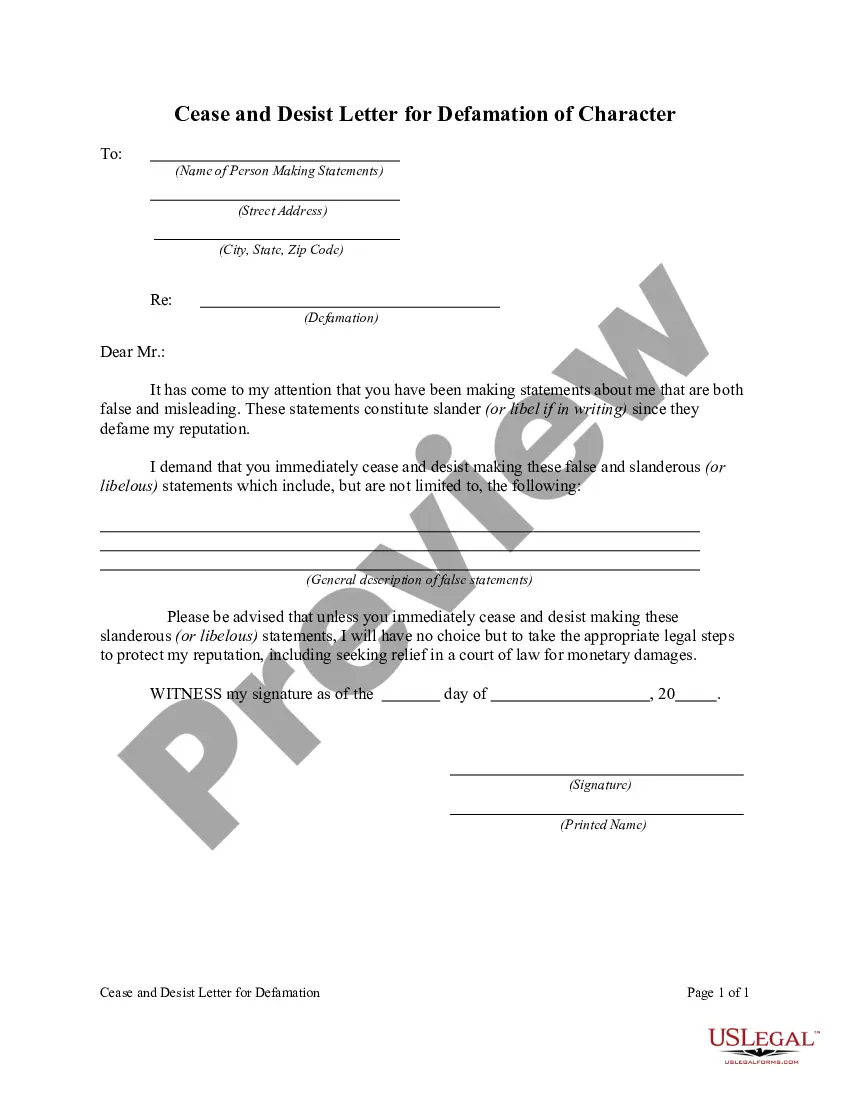
Awards For Defamation Of Character Lawsuit In Pennsylvania
Description
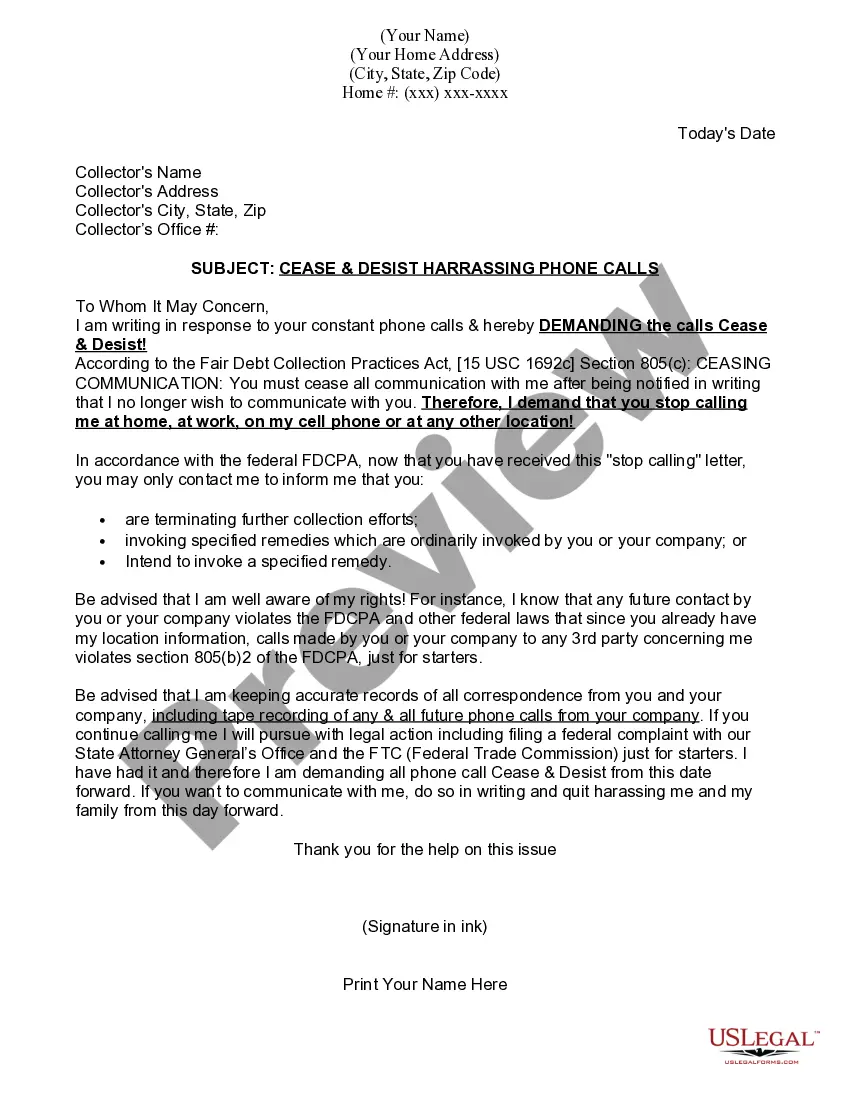
Get your form ready online
Our built-in tools help you complete, sign, share, and store your documents in one place.
Make edits, fill in missing information, and update formatting in US Legal Forms—just like you would in MS Word.
Download a copy, print it, send it by email, or mail it via USPS—whatever works best for your next step.
Sign and collect signatures with our SignNow integration. Send to multiple recipients, set reminders, and more. Go Premium to unlock E-Sign.
If this form requires notarization, complete it online through a secure video call—no need to meet a notary in person or wait for an appointment.
We protect your documents and personal data by following strict security and privacy standards.

Make edits, fill in missing information, and update formatting in US Legal Forms—just like you would in MS Word.

Download a copy, print it, send it by email, or mail it via USPS—whatever works best for your next step.

Sign and collect signatures with our SignNow integration. Send to multiple recipients, set reminders, and more. Go Premium to unlock E-Sign.

If this form requires notarization, complete it online through a secure video call—no need to meet a notary in person or wait for an appointment.

We protect your documents and personal data by following strict security and privacy standards.
Looking for another form?
Form popularity
FAQ
To successfully bring a defamation claim in Pennsylvania, the plaintiff must prove several key elements: Defamatory Statement: The statement in question must be defamatory, meaning it would harm the reputation of the person or entity in the eyes of the community or lead others to avoid them.
Generally, to win a defamation lawsuit, you must prove that: Someone made a statement; The statement was published; The statement caused your injury; The statement was false; and. The statement did not fall into a privileged category.
General Damages: These are awarded to compensate a claimant, for the harm caused to their reputation, and the distress caused by the defamatory statement.
To succeed in a defamation lawsuit in Pennsylvania, you must establish four essential elements: A False Statement of Fact: The plaintiff must show that the defendant made a statement that was factually incorrect. Publication to a Third Party. Fault on the Part of the Defendant. Harm or Damage:
If you believe you have been defamed in Pennsylvania, you must act quickly. The state imposes a one-year statute of limitations on defamation claims. This means you have one year from the date the defamatory statement was made to file a lawsuit. After this period, you may be barred from pursuing legal action.
--In an action for defamation, the plaintiff has the burden of proving, when the issue is properly raised: (1) The defamatory character of the communication. (2) Its publication by the defendant. (3) Its application to the plaintiff.
Identify the false statements: Clearly outline the defamatory remarks and where they were made. Describe the harm: Explain how the statements have affected your reputation or career. Request retraction: Demand the removal of defamatory content or a formal apology.
(c) Special damages. --In an action brought under subsection (a), the plaintiff shall be entitled to recover, in addition to other damages, damages for reasonable hospital, nursing, medical, funeral expenses and expenses of administration necessitated by reason of injuries causing death.