Sue For Slander And Defamation Of Character In Orange
Description

Get your form ready online
Our built-in tools help you complete, sign, share, and store your documents in one place.
Make edits, fill in missing information, and update formatting in US Legal Forms—just like you would in MS Word.
Download a copy, print it, send it by email, or mail it via USPS—whatever works best for your next step.
Sign and collect signatures with our SignNow integration. Send to multiple recipients, set reminders, and more. Go Premium to unlock E-Sign.
If this form requires notarization, complete it online through a secure video call—no need to meet a notary in person or wait for an appointment.
We protect your documents and personal data by following strict security and privacy standards.

Make edits, fill in missing information, and update formatting in US Legal Forms—just like you would in MS Word.

Download a copy, print it, send it by email, or mail it via USPS—whatever works best for your next step.

Sign and collect signatures with our SignNow integration. Send to multiple recipients, set reminders, and more. Go Premium to unlock E-Sign.

If this form requires notarization, complete it online through a secure video call—no need to meet a notary in person or wait for an appointment.

We protect your documents and personal data by following strict security and privacy standards.
Looking for another form?








Form popularity
FAQ
The law states that businesses may sue people, or other business entities, for making false, negative and malicious statements about the business that cause financial harm.
In pleading defamation, a plaintiff should allege (a) a publication, (b) that the published statement is false, (c) that the published statement is defamatory, (d) that the published statement is not privileged or was motivated by malice and (e) that the statement has a natural tendency to injure, or caused special ...
California, though, is not one of the U.S. states with criminal defamation laws. While California defamation defendants do not face potential imprisonment, they could be subject to civil lawsuits and hefty damages (including punitive damages), depending on the nature and harm caused by their false statements.
The amount one can sue for defamation varies widely based on several factors including the severity and extent of damage caused by the defamatory statement. However, damages typically range from thousands to millions of dollars depending on circumstances such as loss earnings and emotional distress.
What does a defamed person need to prove in court? publication of a statement (verbal and/or written); the defamer must intend to defame a person; there must be harm or injury; and. the publication must violate a person's right to his/her good name, reputation and dignity.
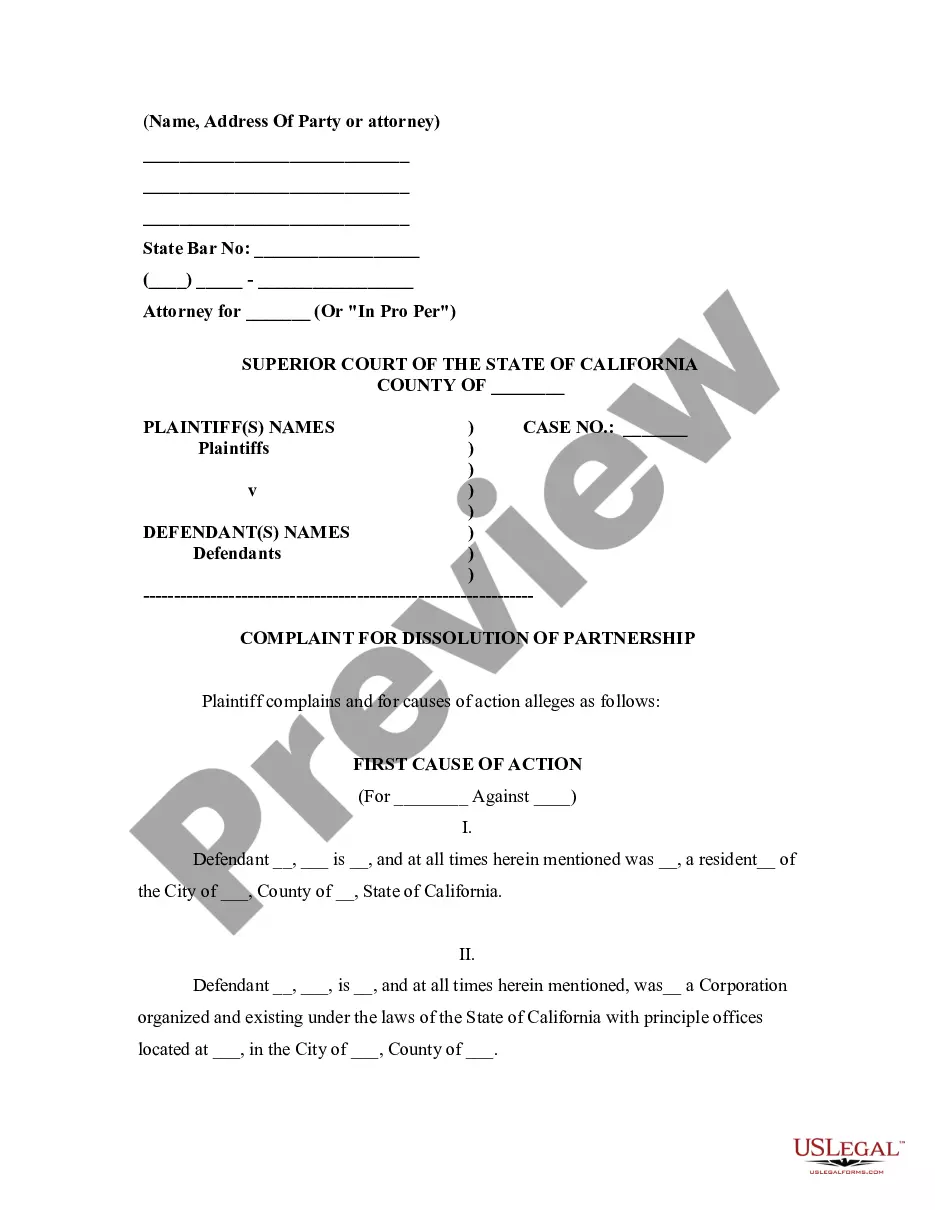
Steps to File a Libel or Slander Case Gather Evidence: For libel, obtain copies of the publication or broadcast that contains the defamatory statement. Consult a Lawyer: Defamation cases can be legally complex. Prepare a Complaint. File the Complaint. Prosecution and Defense:
When you talk badly about someone, it is often referred to as slander if spoken, or libel if written. More generally, it can be described as defamation. Informally, people might also say you are gossiping or badmouthing someone.
Such statements are called defamation of character. Libel: Libel is a defamation that is written, such as in a newspaper, magazine or on the internet. Slander: Slander is a defamation that is orally published, such as in a speech, over the airwaves, or in casual conversation.
Slander is a legal term used to describe defamation, or harming the reputation of a person or a business by telling one or more others something both untrue and damaging about them. Slander can be the basis for a lawsuit but must be proven by the subject in civil court.

